Like
Share
멍실장
히말라얀 유전질환 체크리스트

Complete Guide to Himalayan Genetic Conditions — 7 Key Issues from Kidney Disease to Eye Disorders

ImmunityBreed HealthMeongsiljang Veterinary Advisory Board

Himalayans are a brachycephalic breed descended from Persians, so they have a higher risk of polycystic kidney disease (PKD), as well as respiratory and eye problems. We’ve put together a checklist of genetic conditions and key care points that every owner should know.

What Breed Is the Himalayan?
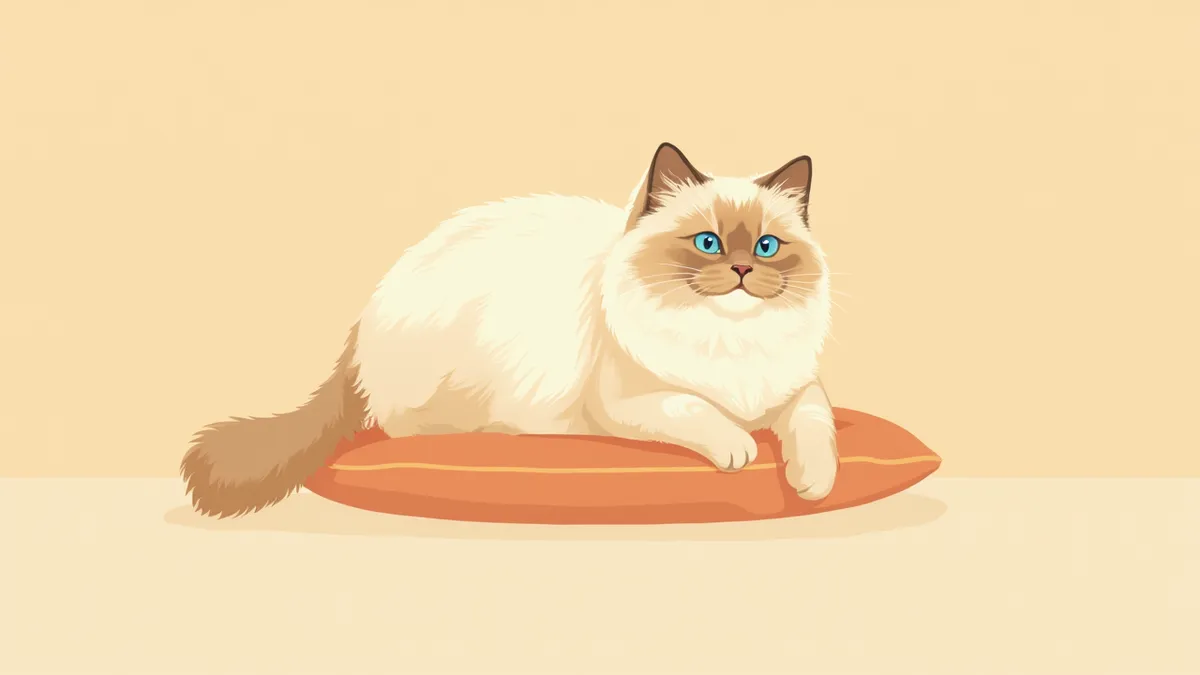
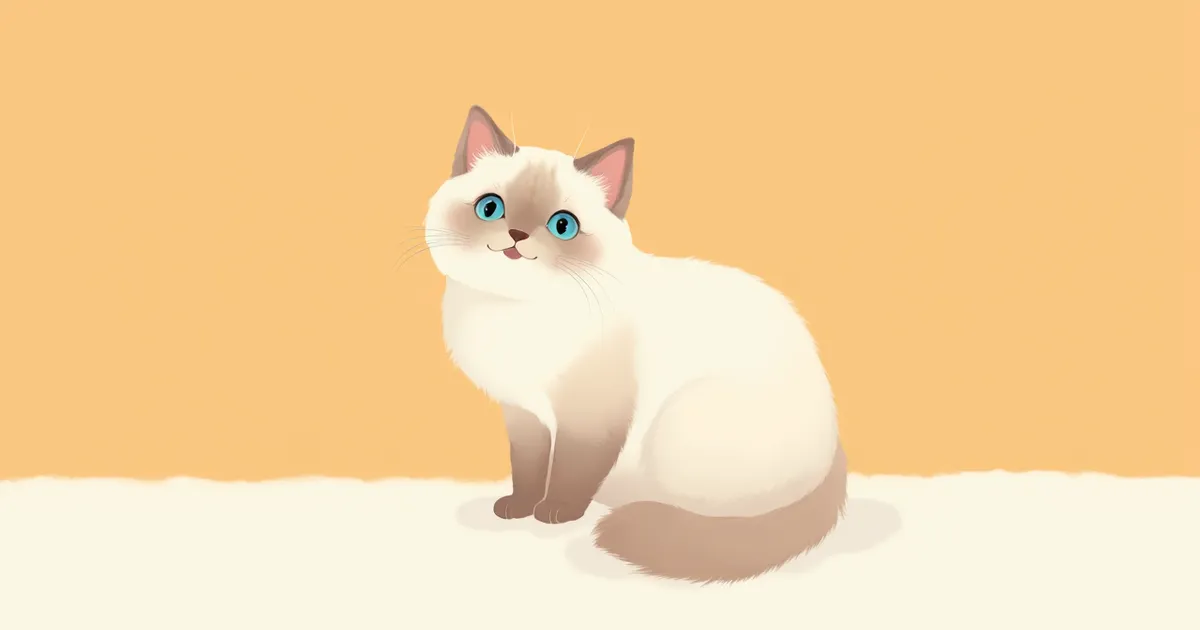
A Himalayan cat with long cream-colored fur and blue eyes lies elegantly on a cushion.
Himalayans are long-haired, brachycephalic cats developed by crossing Persians and Siamese. The most important thing to note is that, because they inherit the same genetic lineage as Persians, they have a higher-than-average risk of hereditary conditions such as polycystic kidney disease (PKD), brachycephalic airway syndrome, and nasolacrimal duct abnormalities. It’s essential to verify genetic testing records before adoption and to prioritize early detection through regular health check-ups afterward.

Top 5 Conditions You Must Know

If you’re a Himalayan cat owner, it’s important to be aware of these genetic and structural health conditions:
Polycystic Kidney Disease (PKD): Cysts develop in the kidneys, gradually leading to chronic kidney failure.
Brachycephalic Airway Syndrome: Narrow nostrils and nasal deformities commonly cause snoring and breathing difficulties.
Tear Duct Abnormalities (Epiphora): A kinked or blocked nasolacrimal duct can result in tear staining and conjunctivitis.
Chronic Kidney Failure and Hypertensive Vision Loss: As PKD progresses, it can lead to kidney failure and high blood pressure, which may cause retinal damage and increase the risk of blindness.
Hypertrophic Cardiomyopathy (HCM): While this hereditary heart disease is common in cats, current evidence shows it is primarily reported in Maine Coons and Ragdolls, so it is not considered a breed-specific condition in Himalayans. However, if you suspect any heart issues, have your cat checked.

Polycystic Kidney Disease (PKD) — The Most Common Genetic Condition
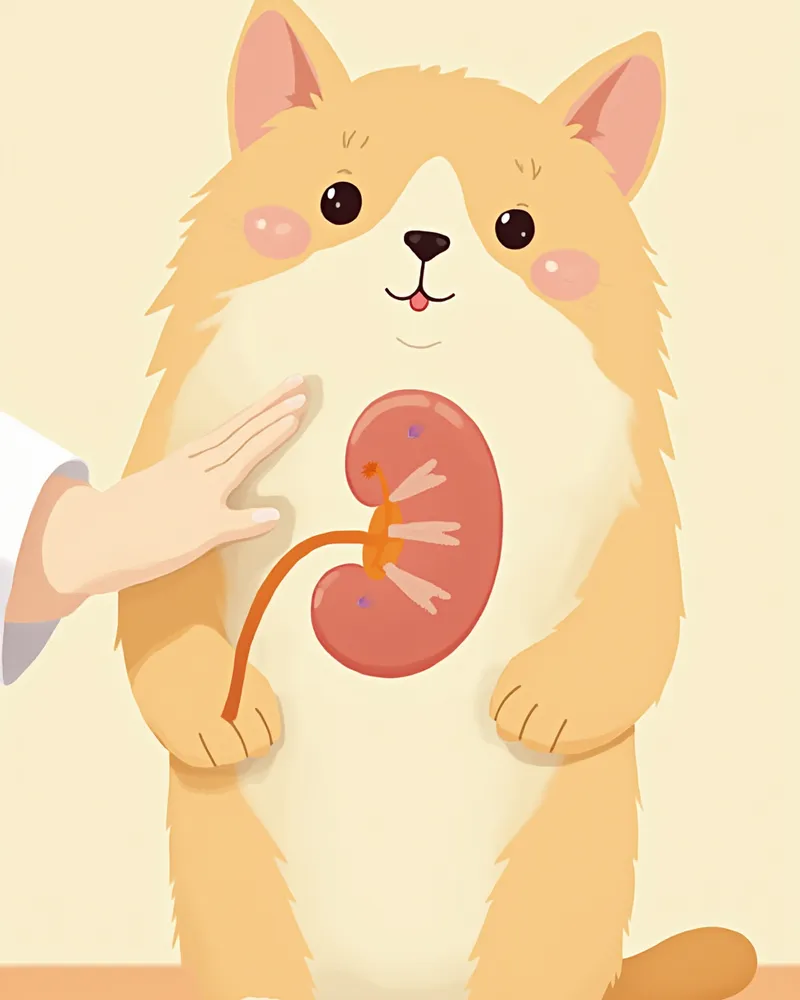
Polycystic Kidney Disease (PKD) is an autosomal dominant genetic disorder characterized by the development of multiple fluid-filled cysts in the kidneys. It is most commonly reported in Persian cats and Persian-derived breeds. According to veterinary internal medicine textbooks, affected cats typically show few symptoms at a young age, with signs of chronic kidney failure—such as loss of appetite, increased thirst and urination, and weight loss—usually appearing around seven years of age. Fortunately, genetic testing can be used to determine carrier status in advance.
A veterinarian performing an ultrasound examination of the kidneys in a Persian cat.

If You See These Signs, Kidney Testing Is Essential

If your Himalayan shows any of the following signs, there is a high likelihood of kidney disease. Please have your pet undergo blood tests and an abdominal ultrasound at a veterinary clinic immediately. • Drinking more water than usual and producing increased amounts of urine • Loss of appetite and weight loss • Ammonia-like odor from the mouth • Recurrent vomiting and diarrhea • Dull, dry coat and decreased energy levels

Brachycephalic Airway Syndrome — The Shadow of a Flat Face

The Himalayan’s short, flat face is certainly charming, but this brachycephalic skull structure means their nostrils and nasal passages are narrow and abnormally developed, placing extra strain on their airways. As a result, they often experience respiratory symptoms like snoring and panting, and they are more susceptible to nasal conditions. Heat and excitement can further increase respiratory stress, so it’s important to keep them in a cool environment. Since obesity adds to the burden on their breathing, careful weight management is essential. If your cat is panting with its mouth open or showing signs of severe difficulty breathing, please consult your veterinarian for an examination.

Eye Health — Abnormal Tear Ducts and Retinal Atrophy

Himalayans are a brachycephalic (flat-faced) breed, which often means their nasolacrimal ducts (tear ducts) are narrow or tortuous, making it difficult for tears to drain properly into the nose. As a result, tears overflow onto the face, causing brown tear stains, and structural issues like entropion can lead to recurrent eye irritation and conjunctivitis. Additionally, if polycystic kidney disease progresses to chronic kidney failure and hypertension, the resulting high blood pressure can damage the retina and cause vision loss, linking kidney health directly to eye health. It’s best to gently clean around your cat’s eyes daily and have an annual ophthalmic exam to check both the tear ducts and overall eye condition.
A caregiver gently wipes the Himalayan cat's eye area with a soft cloth pad.

Himalayan Major Genetic Conditions at a Glance

ItemPolycystic kidney diseaseBrachycephalic syndromeTear duct abnormalities
Age of onsetAround age 7–8All agesAll ages
Inheritance/development patternAutosomal dominantSkull structural morphologySkull structural morphology
Genetic testTrueFalseFalse
Early detection methodAbdominal ultrasoundVeterinary examinationOphthalmic · nasolacrimal duct exam
ManageabilityRenal failure support · dietary managementWeight · environmental managementEye-area hygiene · conjunctivitis management

PKD genetic testing is recommended before adoption or before age 1

Key Health Care Points
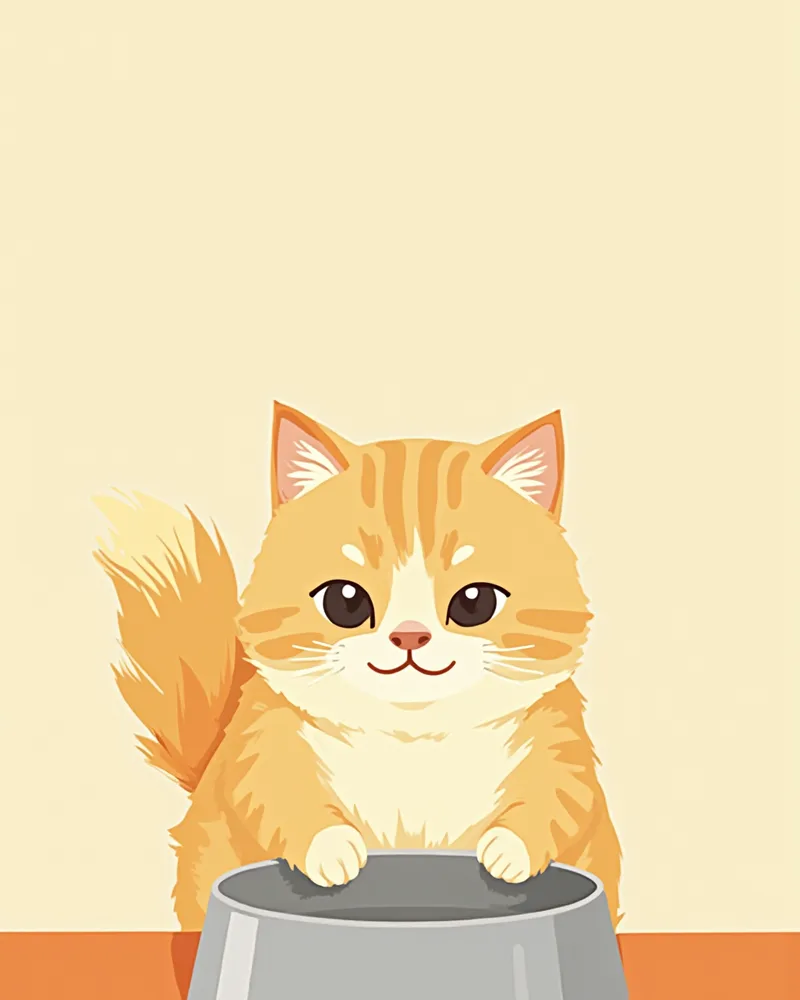
To lower the risk of genetic diseases in Himalayans, daily care is essential.
Regular health check-ups: Start annually from age 1, and every 6 months after age 7.
Kidney-friendly diet: Choose food with high-quality protein and low phosphorus content.
Cool environment: Maintain indoor temperatures between 22–26°C; air conditioning is essential in summer.
Weight management: Obesity increases strain on the respiratory and cardiovascular systems.
Eye area hygiene: Gently wipe away tear stains daily.
Genetic testing: When adopting, always verify a negative certification for PKD (Polycystic Kidney Disease).
A healthy Himalayan cat enjoying a meal from a clean stainless steel bowl

Be Sure to Check Before Adopting

If you’re planning to adopt a Himalayan, be sure to request the following documents from the breeder. Any responsible breeder should have all of these on file: • Genetic test results for PKD in the parent cats (confirming negative status) • Ophthalmic examination records checking eye and tear duct health • Cardiac examination records (HCM is most commonly reported in Maine Coons and Ragdolls, but having this check provides peace of mind) • Vaccination and deworming records If the breeder cannot provide these documents or refuses to verify them, consider looking for another source.

Reviewed by a veterinarian

Dr. Tony — Punnawat Phongkittirak

Dr. Tony — Punnawat Phongkittirak

Veterinarian

A veterinarian who majored in veterinary medicine at Khon Kaen University, Thailand, and completed the IVSA program at North Carolina State University in the United States. Drawing on clinical experience at animal hospitals, he works in the pet healthcare field and is dedicated to building a digital care environment that connects pet parents with veterinarians.

Frequently Asked Questions

Where can I get a PKD gene test for Himalayan cats?
At the veterinary clinic, a swab of the oral mucosa or a blood sample is collected and sent to a specialized genetic testing laboratory. Results are typically available within two to three weeks, and a single test remains valid for life.
Does a positive PKD test mean kidney failure will happen right away?
Not necessarily. Even if the cysts are benign, the timing of symptom onset varies depending on their size and growth rate. Regular kidney monitoring after age 7, along with a kidney-friendly diet, can help slow disease progression.
Is it okay if my Himalayan snores loudly?
Mild snoring is common in brachycephalic breeds, but if your dog is panting with its mouth open or struggling to recover its breathing after exercise, it could be a sign of Brachycephalic Obstructive Airway Syndrome. A veterinary consultation is recommended.
How should I care for tear stains?
Gently wipe around your pet’s eyes daily with lukewarm water or a specialized eye cleaner. If you notice significant pigmentation or recurrent conjunctivitis, a tear duct obstruction test is necessary.
Are there specific criteria for choosing good cat food for Himalayans?
We recommend a diet rich in high-quality animal protein, with appropriate phosphorus levels and omega-3 fatty acids. After age seven, we suggest switching to senior or kidney-support formulas to help reduce the workload on the kidneys.

Share

Related Guides

References

[1] August's Consultations in Feline Internal Medicine, Volume 7 - Hereditary Diseases of Purebred Cats

[2] The Cat: Clinical Medicine and Management, 2nd Edition - Genetics of Feline Diseases and Traits

[3] Clinical Medicine of the Dog and Cat, 4th Edition - Polycystic Kidney Disease in Persian Cats

[4] A Professional's Guide to Feline Behaviour - Brachycephalic Breeds and Health Concerns

This information is based on veterinary literature and does not replace diagnosis or treatment. Please consult a veterinarian for specific health concerns.

Metapet Co., Ltd. | CEO: Park Sung-yong | Business Reg. No. 417-88-02562 | Seoul, South Korea | Customer Center

Himalayan Genetic Conditions: 7 Issues from Kidney to Eye | Meongsiljang