Like
Share
멍실장
샴 유전질환 체크리스트

7 Genetic Conditions in Siamese Cats — Symptoms, Causes, and Lifetime Management Guide

ImmunityBreed HealthMeongsiljang Veterinary Advisory Board

We’ve compiled a clear overview of the genetic conditions that Siamese cats are particularly prone to. This guide includes essential health checks for owners, such as amyloidosis, asthma, and strabismus, along with early warning signs to help catch these issues promptly.

What Genetic Conditions Are Siamese Cats Prone To?
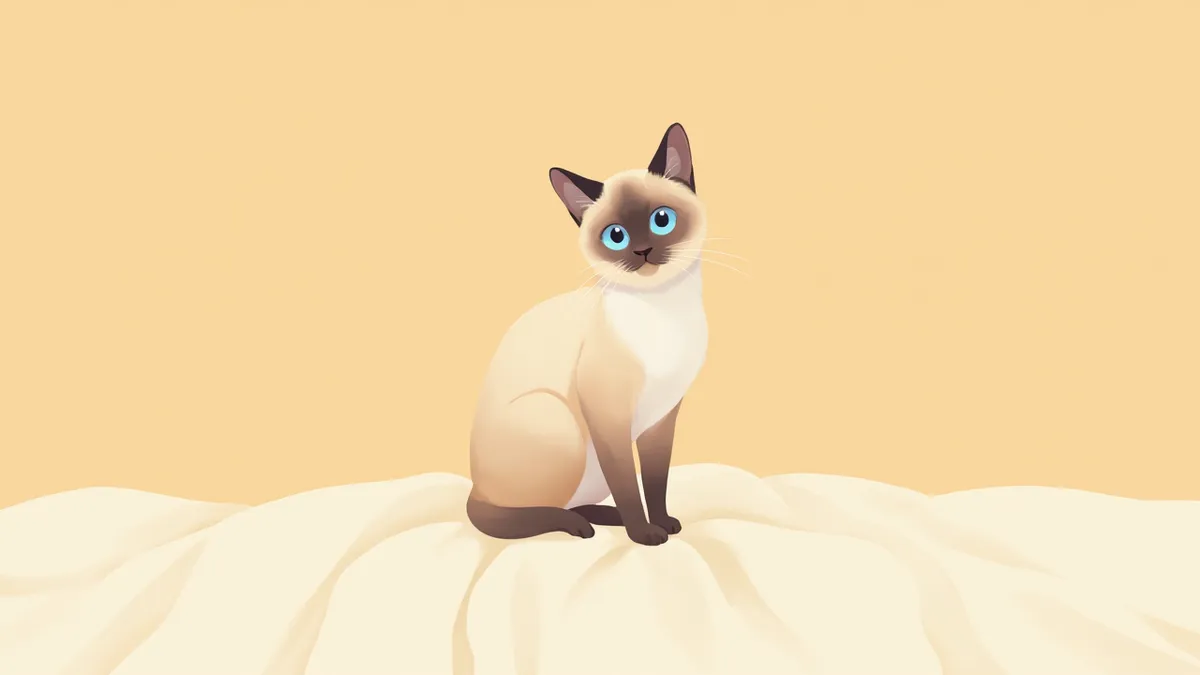
A blue-eyed Siamese cat sitting on a soft blanket.
Siamese cats are known to be particularly prone to feline asthma. Veterinary literature identifies the Siamese as one of the breeds most frequently reported in clinical cases of asthma. Other conditions commonly associated with this Oriental short-haired breed include amyloidosis, strabismus, and progressive retinal atrophy. The most important aspect of care is regular health screenings. Once your cat reaches adulthood, annual check-ups are recommended, with more frequent blood, urine, and chest X-ray examinations as they enter their senior years. Early detection is key. Even if your cat appears healthy on the outside, conditions affecting the liver, kidneys, or airways can progress silently, so it is advisable to maintain regular check-ups even in the absence of symptoms.

Top 5 Siamese Genetic Conditions Owners Must Know

Here’s a summary of conditions commonly reported in or frequently discussed in relation to Siamese cats.
Amyloidosis: Abnormal proteins (amyloid) can accumulate in organs such as the liver and kidneys, impairing their function.
Asthma (Feline Lower Airway Disease): Siamese cats are known to be the breed most frequently reported in clinical cases of asthma.
Strabismus and Nystagmus: The eyes may appear to turn inward or exhibit involuntary shaking.
Progressive Retinal Atrophy: The light-sensitive cells in the retina gradually weaken, which can affect vision.
Periodontal Disease: A common oral issue in cats; crowded teeth can make the gums more prone to inflammation.

Amyloidosis — Silently Undermining the Liver and Kidneys
Amyloidosis is a condition in which abnormal proteins (amyloid) accumulate in organs such as the liver or kidneys, impairing their function. The age of onset varies among individuals, making it difficult to pinpoint a single typical age. In the early stages, symptoms may include decreased appetite, weight loss, and vomiting, which are often mistaken for mild general discomfort. Amyloid can deposit in multiple organs, including the liver, kidneys, spleen, and central nervous system. Accumulation in the liver leads to impaired liver function, while deposition in the kidneys can result in proteinuria and progress to chronic kidney disease. Early detection is essential through regular blood chemistry and urinalysis, including SDMA, BUN, creatinine, urine specific gravity, and UPC (urine protein-to-creatinine ratio) for proteinuria assessment.
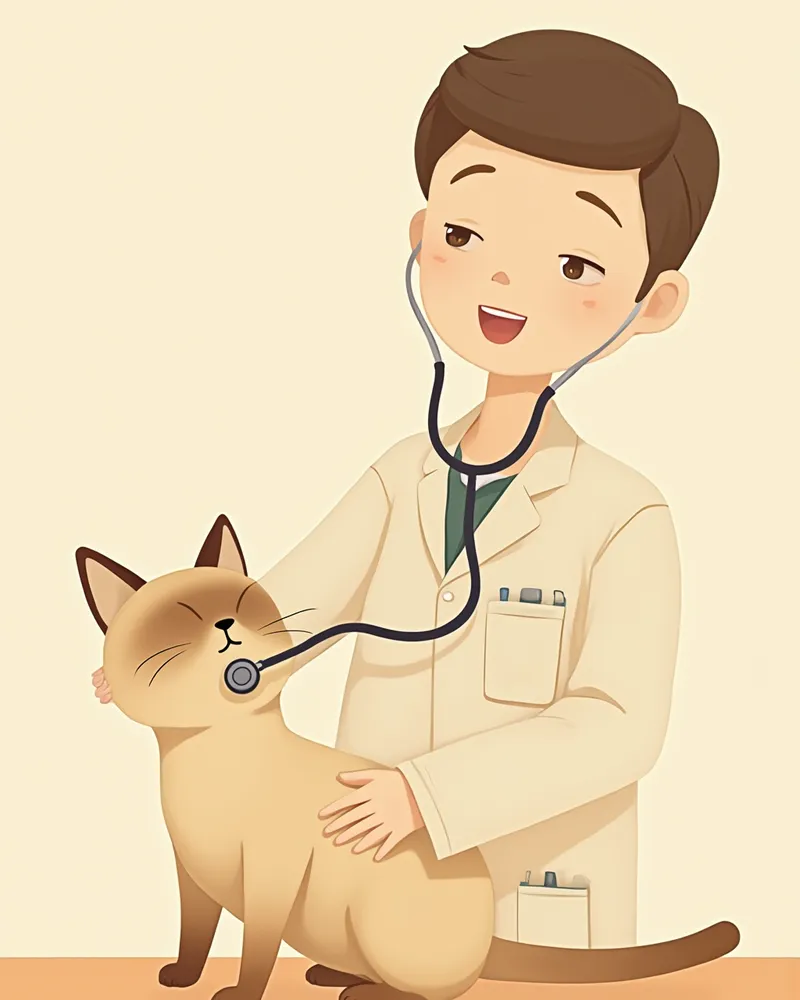
A veterinarian examining the abdomen of a Siamese cat

Go to the Vet Immediately If You See These Signs

The following symptoms indicate a near-emergency situation. Your pet needs to be seen by a veterinarian within 24 hours. • Sudden paleness of the gums and extreme lethargy (possible liver hemorrhage) • Drinking more than twice the usual amount of water and a sudden increase in urine output (signs of kidney failure) • Panting with an open mouth or gasping with chest heaving (asthma attack) • Sudden difference in pupil size in one eye or bumping into walls (rapid vision loss)

Feline Asthma — Siamese Cats Are Particularly Susceptible

According to veterinary respiratory textbooks, Siamese cats are the breed most commonly reported among feline asthma cases. Chronic inflammation of the bronchi causes otherwise healthy cats to suddenly experience paroxysmal coughing and panting. Auscultation often sounds normal, making chest X-rays essential for diagnosis. Once diagnosed, lifelong management with inhaled steroids (using a cat-specific chamber) is required. Household fragrances, diffusers, dust, and litter box dust are common triggers for asthma attacks.

Comparison of Major Genetic Conditions in Siamese Cats

ItemAmyloidosisFeline AsthmaProgressive Retinal Atrophy
Main onset age1–5 years2–8 yearsFrom 1.5–2 years
Early symptomsDecreased appetite/vomitingParoxysmal coughingDecreased night vision
Diagnostic testsBlood/urine/biopsyChest X-rayFundus exam/genetic test
ManagementDiet/renal protectantsInhaled steroidsAssist with environmental adaptation
PrognosisGood with early detectionNormal lifespan with managementBlindness may progress

Onset ages are averages and vary between individuals

Strabismus and Progressive Retinal Atrophy — Signals from the Eyes

Siamese cats can sometimes develop strabismus, where the eyes turn inward, or nystagmus, characterized by involuntary eye movements. Strabismus itself is typically painless and rarely interferes with daily life, so it is usually managed with observation alone rather than active treatment. A more serious concern is progressive retinal atrophy (PRA), a condition in which the retina’s photoreceptor cells gradually degenerate. This initially impairs vision in low-light conditions and, as the disease progresses, can lead to significant vision loss. If you notice your cat bumping into walls in dim lighting or misjudging jump distances, it is advisable to have them undergo an ophthalmic examination, including a fundus exam.
A close-up view of a Siamese cat's blue eyes

Dental Disease and Respiratory Care — The Impact of Skull Structure

Siamese cats are prone to crowded teeth, which can trap food and lead to periodontal disease. Oral conditions such as periodontal disease and tooth resorption lesions are common in cats, and early warning signs may include decreased appetite, chewing on only one side, and bad breath (halitosis). Therefore, we recommend regular oral examinations and discussions about dental scaling starting at age three. However, chronic respiratory issues like frequent snoring due to narrowed nasal passages are characteristic of brachycephalic (short-nosed) breeds, so this does not directly apply to the long-faced Siamese. Still, if your cat experiences frequent dry coughing or severe bad breath, do not ignore it and seek veterinary care. At home, daily tooth brushing and using an unscented air purifier can be helpful.

Recommended Regular Checkup Schedule for Siamese Owners

Early detection is everything when it comes to genetic diseases. Sticking to the following screening schedule is the safest approach. • Ages 1–6: Once a year — Basic package including blood work, urinalysis, and chest X-rays • Age 7 and older: Every six months — Senior package with added cardiac ultrasound • For newly adopted kittens: Genetic testing (for available conditions) is recommended within the first year • Be sure to confirm the medical history of the kitten’s parents with the breeder or shelter

5 Things to Check Daily at Home

For Siamese owners, setting aside just five minutes a day can make a big difference.
Water bowl check: Has your cat's daily water intake suddenly increased?
Breathing observation: Is the resting respiratory rate 30 breaths per minute or less? (Measure while your cat is sleeping.)
Eye observation: Are the pupils equal in size on both sides, and has there been a sudden increase in eye discharge?
Gum color: Are the gums maintaining a healthy pink hue? (Pale or yellowish gums are warning signs.)
Activity level: Is your cat's enthusiasm for jumping and playing consistent with their usual behavior?
Checking these once a day at the same time helps you catch changes early.

Reviewed by a veterinarian

Dr. Tony — Punnawat Phongkittirak

Dr. Tony — Punnawat Phongkittirak

Veterinarian

A veterinarian who majored in veterinary medicine at Khon Kaen University, Thailand, and completed the IVSA program at North Carolina State University in the United States. Drawing on clinical experience at animal hospitals, he works in the pet healthcare field and is dedicated to building a digital care environment that connects pet parents with veterinarians.

Frequently Asked Questions

I just adopted a Siamese kitten. Should I have it undergo genetic testing?
Genetic tests for conditions like progressive retinal atrophy are available for certain breeds. These tests are conducted via blood draw at a veterinary clinic, and knowing the results helps you plan lifelong care in advance. However, since genetic testing isn’t foolproof, it’s best used alongside regular check-ups, especially if you’ve adopted a pet with unknown parental health history.
Do Siamese cats have a shorter lifespan than other breeds?
With proper care, this breed can enjoy a lifespan similar to other short-haired breeds. However, if genetic or predisposed conditions are not detected early, their healthy lifespan may be significantly shortened, making regular check-ups essential.
My pet has strabismus. Does it need surgery?
Strabismus in Siamese cats is typically structural, making correction difficult, and it often doesn’t significantly interfere with daily life. If there’s no pain or other issues, it’s common to simply monitor the condition without additional treatment.
My pet was diagnosed with asthma. Will they need to use an inhaler for the rest of their life?
Asthma is a condition that requires ongoing management rather than a cure. By using a cat-specific inhalation chamber to administer inhaled steroids daily, your cat can lead a nearly normal life without experiencing attacks. Do not stop the medication on your own, as this can cause symptoms to return; always consult your veterinarian before making any adjustments.
Is it safe to use scented candles or diffusers at home?
Airborne irritants can trigger asthma attacks. To be safe, avoid strongly scented products such as essential oil diffusers, potent air fresheners, and scented litter. We recommend using an unscented air purifier.

Share

Related Guides

References

[1] Little SE, The Cat: Clinical Medicine and Management, 2nd Edition, Elsevier, 2020

[2] Johnson LR, Canine and Feline Respiratory Medicine, 3rd Edition, Wiley-Blackwell, 2020

[3] Englar RE, The Veterinary Workbook of Small Animal Clinical Cases, Wiley-Blackwell, Case 40

[4] OMIA (Online Mendelian Inheritance in Animals) Database — Feline Inherited Disease Catalog

This information is based on veterinary literature and does not replace diagnosis or treatment. Please consult a veterinarian for specific health concerns.

Metapet Co., Ltd. | CEO: Park Sung-yong | Business Reg. No. 417-88-02562 | Seoul, South Korea | Customer Center

7 Siamese Cat Genetic Conditions: Symptoms & Care | Meongsiljang