

A Complete Guide to Persian Genetic Conditions — From Polycystic Kidney Disease to Cardiomyopathy
Persian cats are a breed prone to genetic conditions, including polycystic kidney disease (PKD). We’ve compiled the key hereditary disorders every owner should know about, along with an early screening checklist.
What Genetic Conditions Are Persians Prone To?

5 Genetic Conditions Every Persian Owner Must Know
Top Priority — Polycystic Kidney Disease (PKD) Is the Most Dangerous
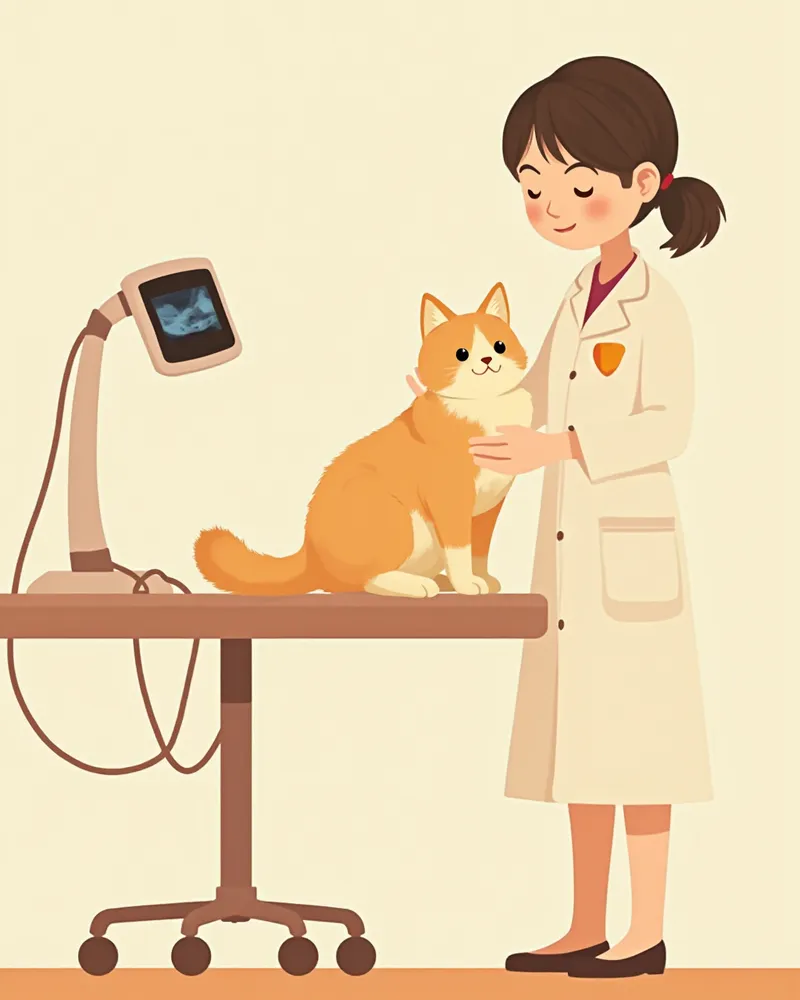
Early PKD Screening — Ultrasound Is Essential at 4–9 Months of Age
According to veterinary internal medicine textbooks, ultrasound is the most accurate diagnostic tool for polycystic kidney disease (PKD) in Persian cats. Studies report a sensitivity of 75% at 16 weeks (4 months) of age and 91% at 36 weeks (9 months). In other words, a follow-up ultrasound around 9 months of age will catch nearly all cases. Even if both parents have tested negative for the PKD gene, it’s still a good idea to have your cat undergo an ultrasound after adoption for peace of mind. The procedure can be performed without anesthesia and typically takes about 30 minutes.
Second Priority — Respiratory and Tear Duct Issues Caused by Flat Faces

Third Priority — Regular Screening for Hypertrophic Cardiomyopathy (HCM) Is Also Necessary
Hairballs and Skin Issues Caused by Long Hair
Lifetime Health Care Checklist for Persians
Before Adoption — Confirming Parents’ PKD Test Results Is Essential
If you’re considering adopting a Persian, make sure both parents have tested negative for the PKD gene. Responsible breeders will openly share these test results. It’s best to avoid breeders who can’t provide documentation or are reluctant to show it. Additionally, avoid cats with extreme brachycephalic features, such as eyes that protrude beyond the nose or nearly closed nostrils, as they may suffer from lifelong respiratory and eye issues. Prioritize kittens with healthier skeletal structures over those with exaggerated appearances.
Reviewed by a veterinarian

Dr. Tony — Punnawat Phongkittirak
VeterinarianA veterinarian who majored in veterinary medicine at Khon Kaen University, Thailand, and completed the IVSA program at North Carolina State University in the United States. Drawing on clinical experience at animal hospitals, he works in the pet healthcare field and is dedicated to building a digital care environment that connects pet parents with veterinarians.
Reviewed 2026-04-30
Frequently Asked Questions
Can PKD in Persian cats be confirmed with 100% certainty through genetic testing?
Do Persian, Chinchilla, and Himalayan cats also get the same condition?
If PKD is detected, should medication be started immediately?
Does brachycephalic obstructive airway syndrome require surgery?
What is the average lifespan of a Persian cat?
Share
Related Guides

Primary vs. Secondary Veterinary Hospitals: A Comparison

5 Easy-to-Raise Cat Breeds for First-Time Owners — Grooming Difficulty Comparison

Top 7 Short-Legged Dog Breeds

Pug Facial Wrinkle Care Guide

The Complete Guide to Pug BOAS Surgery and Recovery Care

Chihuahua Routine Check-ups and Lifelong Care Schedule

Complete Guide to Chihuahua Genetic Disorders — 7 Conditions from Patellar Luxation to Heart Disease

The Ultimate Guide to Chihuahua Grooming and Fontanelle Care

Symptoms and Management of Hydrocephalus and Molera in Chihuahuas

Yorkshire Terrier Genetic Conditions — Symptoms, Prevention, and Care Guide to Check Before Adoption
References
[1] Little SE, The Cat: Clinical Medicine and Management, 2nd Edition, Elsevier, Chapter 35 - Polycystic Kidney Disease
[2] Schaer M, Gaschen F, Clinical Medicine of the Dog and Cat, 4th Edition, CRC Press, Renal Cystic Disease
[3] Heath S, A Professional's Guide to Feline Behaviour: Understanding, Improving and Resolving Problems, Chapter 6 - Brachycephalic Breeds