

Persian Brachycephalic Cat Respiratory and Tear Stain Care Guide
Persians are brachycephalic cats with short noses, making them prone to breathing difficulties and tear staining. Here’s a summary of the key care points to keep in mind in your daily routine.
What is a Persian Brachy?
Top 4 Conditions to Watch for in Brachycephalic Persians
Signs That Suggest Respiratory Distress
When to Go to the Emergency Vet Immediately for Breathing Issues
If any of the following symptoms appear, you should go to a 24-hour emergency veterinary hospital immediately, even in the middle of the night. Cats often hide signs of respiratory distress until their condition suddenly worsens, so delaying treatment can be dangerous. • Open-mouth panting — In cats, this itself is an emergency sign. • Gums or tongue turning purple or blue (cyanosis) • Sudden collapse or altered consciousness • Loud wheezing or whistling sounds during breathing • Rapid breathing that does not improve after exposure to a hot environment
Why Are Tear Stains Common in Persians?
At-Home Eye and Nose Care Routine
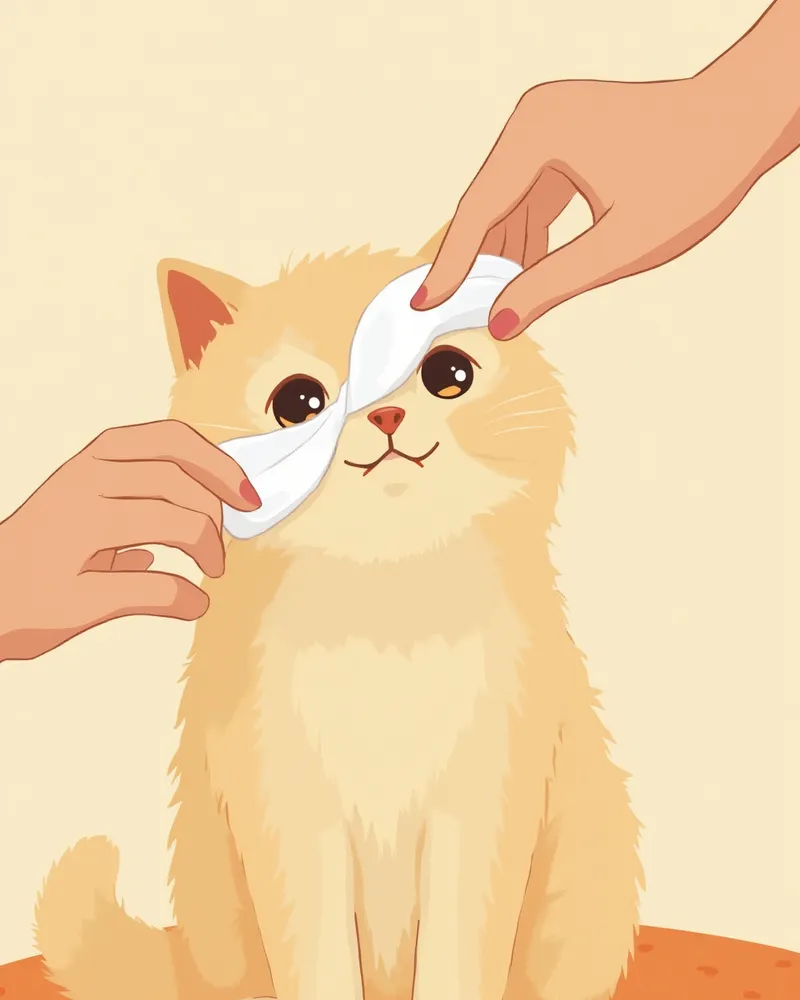
Environmental Management Tips for Persian Cat Owners
Brachycephalic cats are highly susceptible to heat, humidity, and stress. The following daily care guidelines are especially important for Persian cat owners. • Maintain indoor temperatures between 24–26°C during summer, and avoid going out or traveling during midday. • If your cat is panting with its mouth open while in a carrier, allow it to rest immediately. • Avoid using scented candles, diffusers, or strong air fresheners, as they can irritate the airways. • Use unscented, low-dust litter to minimize airborne particles. • During regular health checkups, include both cardiac and renal ultrasounds in the examination.
How Diet Can Help
Reviewed by a veterinarian

Dr. Tony — Punnawat Phongkittirak
VeterinarianA veterinarian who majored in veterinary medicine at Khon Kaen University, Thailand, and completed the IVSA program at North Carolina State University in the United States. Drawing on clinical experience at animal hospitals, he works in the pet healthcare field and is dedicated to building a digital care environment that connects pet parents with veterinarians.
Reviewed 2026-04-30
Frequently Asked Questions
Is snoring normal in Persian cats?
Do I need to change my pet’s food to get rid of tear stains?
Is surgery for brachycephalic breeds absolutely necessary?
What’s the ideal air conditioner temperature for summer?
Can I give my pet a cosmetic supplement for tear stains?
Share
Related Guides
Top Recommended Feline Bronchodilators and Selection Criteria: A Complete Guide
Best Recommendations and Selection Criteria for Monitoring Your Cat’s Respiratory Rate (RR) During Sleep for Heart Care
Best Recommendations and Selection Criteria for Monitoring Your Dog’s Respiratory Rate (RR) During Sleep for Heart Care

Abyssinian Renal Amyloidosis — Screening Guide for Predisposed Breeds

Rottweiler Osteosarcoma and Cruciate Ligament Rupture — Guide to Common Conditions in Large Breeds

Pekingese Disc and Spinal Disease — Lifelong Care Checklist for Brachycephalic Breeds

Yorkshire Terrier Patellar Luxation — A Complete Guide to Stage-by-Stage Symptoms and Regular Screening
Burmese Cat Diabetes Susceptibility — Diet and Weight Management Guide
Miniature Schnauzer Diabetes and Pancreatitis: A Complete Guide to Symptoms, Diagnosis, and Dietary Management
Persian Skin Tumors: A Complete Guide — From Causes to Lifelong Skin Care
References
[1] Esson DW, Calvarese S (Eds.), Clinical Atlas of Canine and Feline Ophthalmic Disease, 2nd Edition, Wiley-Blackwell, 2022
[2] Schenck PA, Applied Veterinary Clinical Nutrition, 2nd Edition, Wiley-Blackwell
[3] Gelatt KN et al., Veterinary Ophthalmology Vol. 2, Wiley-Blackwell, 2013
[4] Schmidt-Nielsen K, Clinical Medicine of the Dog and Cat, 4th Edition