Like
Share
멍실장
비글 유전질환 체크리스트

7-Point Checklist for Beagle Genetic Conditions — A Complete Guide for Lifelong Care by Owners

ImmunityBreed HealthMeongsiljang Veterinary Advisory Board

Here’s a summary of five common genetic and anatomical conditions in Beagles, along with signs owners should watch for at home and recommended intervals for regular check-ups.

What Kind of Breed Is the Beagle?

A healthy tricolor Beagle undergoing a check-up at the animal hospital
Beagles are a medium-sized hunting breed that come with genetic and anatomical predispositions to conditions such as epilepsy, hypothyroidism, intervertebral disc disease, and otitis externa. The most critical factor is early detection. Beagles are known for masking pain and maintaining their appetite even when unwell, so it is essential for owners to perform regular health checks and consistently monitor their weight, ears, and any signs of seizures to catch potential issues before they develop into serious conditions.

Top 5 Genetic Conditions Beagles Should Be Especially Watchful For

Beagles are classified in veterinary internal medicine textbooks as a breed predisposed to several genetic disorders. Here are the top five conditions that owners should be aware of: - Idiopathic epilepsy: A genetic neurological disorder in which seizures typically begin between 6 months and 6 years of age - Hypothyroidism: A hormone deficiency that leads to lethargy, weight gain, and hair loss - Intervertebral disc disease (IVDD): A spinal condition common in breeds with short legs and long backs - Chronic otitis externa: Recurrent ear infections due to poor ventilation in floppy ears - Obesity: The most common chronic issue in Beagles, driven by their strong appetite

Idiopathic Epilepsy — Seizure Signs from 6 Months to 6 Years of Age
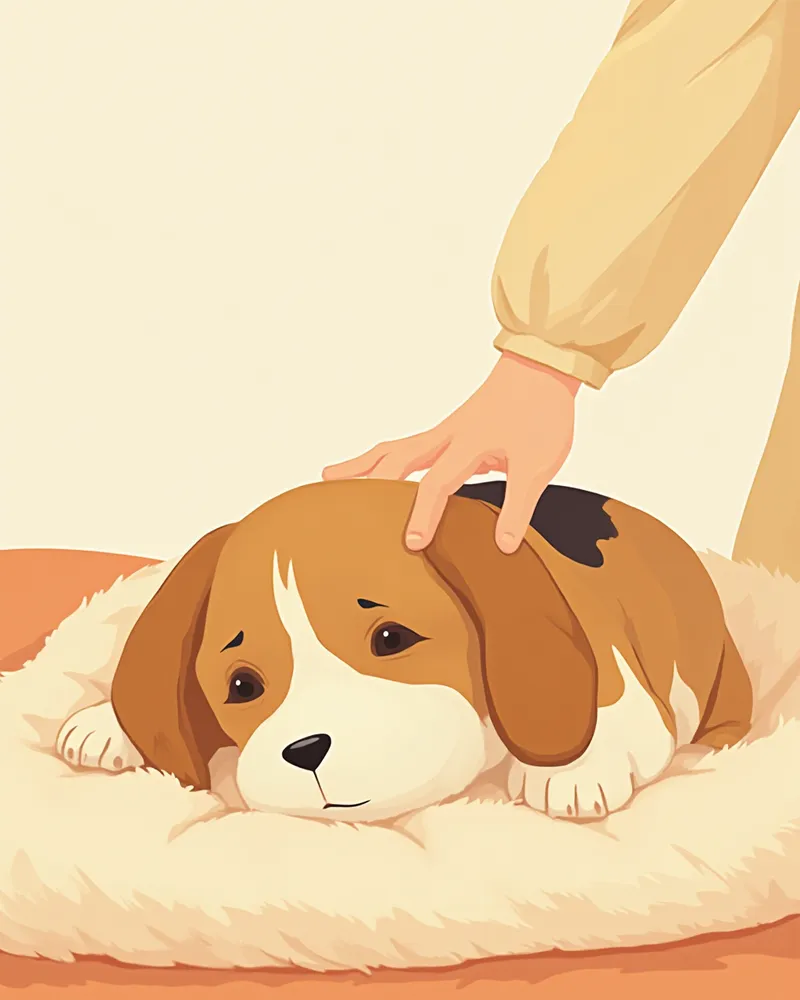
Idiopathic epilepsy is a hereditary neurological disorder characterized by recurrent seizures despite the absence of structural abnormalities in the brain. Beagles are classified as a predisposed breed. Seizure signs include sudden collapse to the side, paddling of the limbs, drooling, and altered consciousness. The first seizure often occurs between 6 months and 6 years of age, and once it begins, lifelong management is required. Be sure to record a video of the seizure, as it greatly aids in diagnosis.
A beagle resting at home while receiving gentle care from its owner.

These Seizure Signs Require an Immediate Trip to the Emergency Room

If a seizure lasts longer than five minutes without stopping, it is classified as status epilepticus, a life-threatening neurological emergency. Additionally, if two or more seizures occur within a 24-hour period, this is known as cluster seizures, which can escalate into status epilepticus. Because either condition can lead to brain damage or other dangerous complications, you should go directly to a 24-hour emergency veterinary hospital immediately, even in the middle of the night. During a seizure, do not put your fingers in your pet’s mouth; instead, move them to the floor to prevent falls and note the time the seizure started.

Hypothyroidism — If Your Dog Is Gaining Weight and Losing Hair

Hypothyroidism is a condition in which insufficient thyroid hormone slows down metabolism, and it is commonly reported in Beagles. The most typical signs owners notice include lethargy, mental dullness, weight gain (even without increased appetite), symmetrical non-itchy hair loss, and skin hyperpigmentation. Dogs may also become more sensitive to cold or show poor hair regrowth after being shaved. However, because symptoms can be vague and affect multiple organs, and because a single test is often insufficient for a definitive diagnosis, hypothyroidism is frequently mistaken for normal aging or misdiagnosed. Therefore, if you observe these signs, it is important to have your dog undergo thyroid hormone testing along with a comprehensive evaluation by a veterinarian.

Intervertebral Disc Disease (IVDD) — The Weakness of Long-Backed Beagles
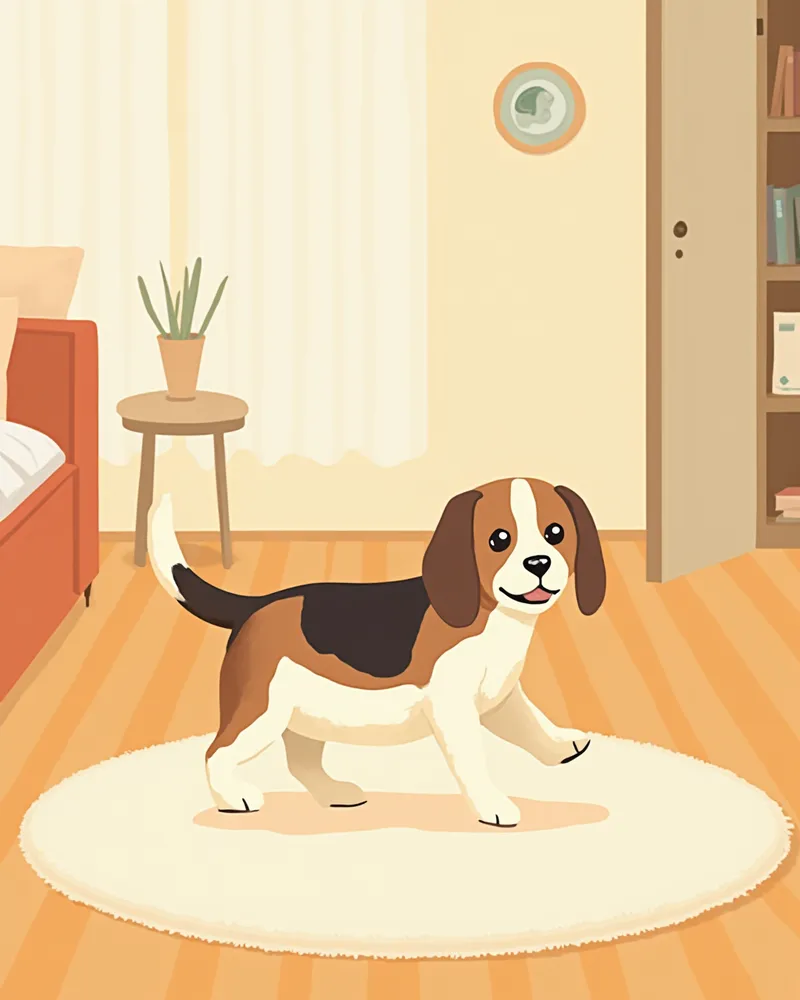
Beagles have long backs relative to their leg length, a body structure that makes their intervertebral discs prone to compression. When a disc herniates, signs may include sudden reluctance to walk, fear of stairs, or vocalizing in pain when picked up. Heavy jumping, climbing on and off sofas, and walking on slippery floors are common triggers for disc disease. Place mats on your home’s flooring and use a dog ramp or steps to reduce strain on the spine.
A beagle carefully walking in a living room with a non-slip mat laid out.

Chronic Otitis Externa — The Fate of Floppy Ears

Beagles have long, floppy ears that create a warm, moist environment inside the ear canal. This setting is ideal for the growth of bacteria and yeast (Malassezia). If your dog frequently shakes its head, rubs one ear against the floor, or has a sour odor coming from its ears, you should suspect otitis externa. Avoid using cotton swabs to clean deep inside the ear, as this can push discharge further inward. Instead, safely clean the ears by applying a specialized ear-cleaning solution, gently massaging the base of the ear, and allowing your dog to shake its head.

The Most Common Chronic Condition in Beagles — Beware of Obesity

Beagles are the poster children for “food-motivated” breeds. Obesity is a disease in its own right, but it also acts as a trigger that worsens hypothyroidism, intervertebral disc disease, and arthritis. If your dog is on long-term anticonvulsants or steroids, medication side effects can also lead to weight gain. Rather than relying on the feeding guidelines printed on the bag, it’s important to follow the specific daily gram amount your veterinarian has prescribed based on your dog’s body condition score (BCS).

Regular Check-Up Calendar for Beagle Owners
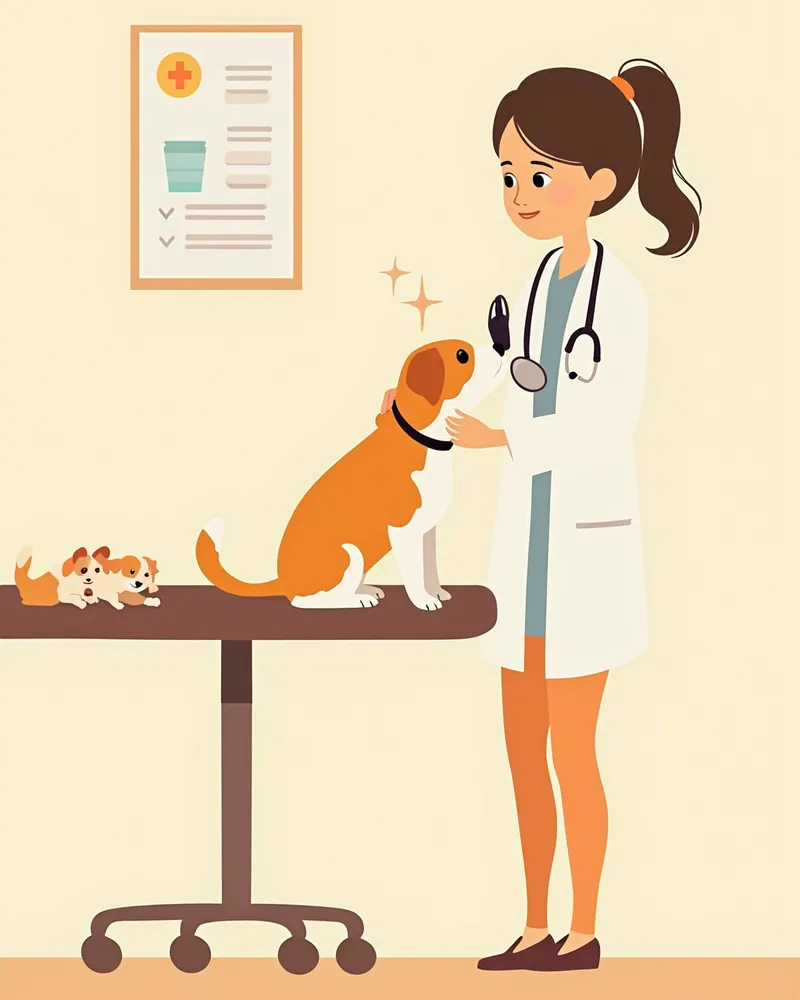
Beagles often have a long asymptomatic phase, so regular check-ups are essentially preventive treatment. Keeping a checklist of age-specific recommendations helps ensure nothing is overlooked. - Puppy (0–1 year): Patellar examination, cardiac auscultation, and completion of vaccinations - Adult (1–6 years): Annual blood work plus weight and Body Condition Score (BCS) monitoring - Senior (7+ years): Add thyroid (T4) testing, liver enzyme panels, and abdominal ultrasound once or twice a year - Dogs diagnosed with epilepsy: Serum drug concentration monitoring every six months
A veterinarian examining a beagle’s ears with an otoscope at an animal hospital

Reviewed by a veterinarian

Dr. Tony — Punnawat Phongkittirak

Dr. Tony — Punnawat Phongkittirak

Veterinarian

A veterinarian who majored in veterinary medicine at Khon Kaen University, Thailand, and completed the IVSA program at North Carolina State University in the United States. Drawing on clinical experience at animal hospitals, he works in the pet healthcare field and is dedicated to building a digital care environment that connects pet parents with veterinarians.

Frequently Asked Questions

Is genetic testing absolutely necessary before adopting a Beagle?
It’s not mandatory, but it’s highly recommended. In particular, you should always check the parents’ medical history for epilepsy and thyroid conditions when adopting a puppy. In Korea, comprehensive genetic panel tests can screen for 10 to 20 hereditary diseases in a single test.
My pet had one seizure. Should I start medication right away?
Not necessarily. If seizures occur more than twice within a month, or if any single episode lasts longer than five minutes, we consider starting anticonvulsant medication. After the first seizure, it’s essential to rule out other underlying causes through imaging, blood tests, and MRI scans.
Does hypothyroidism require lifelong medication?
Yes, most dogs will need lifelong hormone supplementation. However, with consistent medication, they can live just as actively and vibrantly as any other dog. We fine-tune the dosage every six months through blood tests.
What is the ideal weight for a Beagle in kilograms?
While it varies by skeletal structure, the standard weight range is typically 9 to 14 kg. The most accurate benchmark is a Body Condition Score (BCS) of 4 to 5 out of 9, where you can feel the ribs with your hand but they are not visible. Assessing body condition is more important than focusing solely on the number on the scale.
How often should I clean my pet’s ears?
For a healthy Beagle, cleaning the ears once every two weeks is sufficient. If your dog has a history of otitis externa, increase the frequency to once a week. Additionally, always dry the inside of the ears after swimming or bathing to help prevent recurrence.

Share

Related Guides

References

[1] Clinical Medicine of the Dog and Cat, 4th Ed — Chapter on Idiopathic Epilepsy (Breeds with predisposition table)

[2] The Veterinary Workbook of Small Animal Clinical Cases — Case 17 (Canine Hypothyroidism)

[3] BSAVA Manual of Canine and Feline Dermatology, 4th Ed — Otitis externa & breed predisposition

[4] The Dog Care Handbook — Obesity & secondary causes (hypothyroidism, anticonvulsants)

This information is based on veterinary literature and does not replace diagnosis or treatment. Please consult a veterinarian for specific health concerns.

Metapet Co., Ltd. | CEO: Park Sung-yong | Business Reg. No. 417-88-02562 | Seoul, South Korea | Customer Center

Beagle Genetic Conditions: 7-Point Owner's Checklist | Meongsiljang