Like
Share
멍실장
포메라니안 유전질환 체크리스트

Pomeranian Genetic Disease Checklist

ImmunityBreed HealthMeongsiljang Veterinary Advisory Board

Here are five common genetic conditions Pomeranian owners should know about, along with early detection checkpoints. Get a clear overview of breed-specific issues like patellar luxation, tracheal collapse, and alopecia X.

What genetic risks does the Pomeranian breed have?

Close-up portrait of a healthy adult Pomeranian
Pomeranians are a toy breed prone to genetic vulnerabilities affecting the patella, trachea, skin, teeth, and heart. Early detection is crucial. If you notice your dog lifting a leg while walking, making a goose-like cough when excited, or experiencing symmetrical hair loss along the back, schedule a thorough examination at a veterinary clinic within one to two weeks. Due to their small size, symptoms can progress rapidly.

Five Genetic Conditions Pomeranians Must Be Checked For

The following five conditions are the most commonly reported genetic health issues in Pomeranians: - Patellar luxation: An orthopedic condition where the kneecap dislocates inward; this is the number one risk for Pomeranians. - Tracheal collapse: A respiratory disorder in which weakened tracheal cartilage rings flatten and compress the airway. - Pomeranian alopecia (Black Skin Disease): A symmetrical, hair-loss skin condition suspected to be linked to hormonal or follicular abnormalities. - Periodontal disease and retained deciduous teeth: Due to their small jaw size, Pomeranians are prone to rapid tartar buildup and gum inflammation. - Patent ductus arteriosus (PDA) and mitral valve degeneration: PDA is a congenital heart defect, while mitral valve degeneration is a degenerative heart condition common in older dogs; both are frequently seen in small breeds.

1. Patellar Luxation — Leg Lifting Is the First Sign
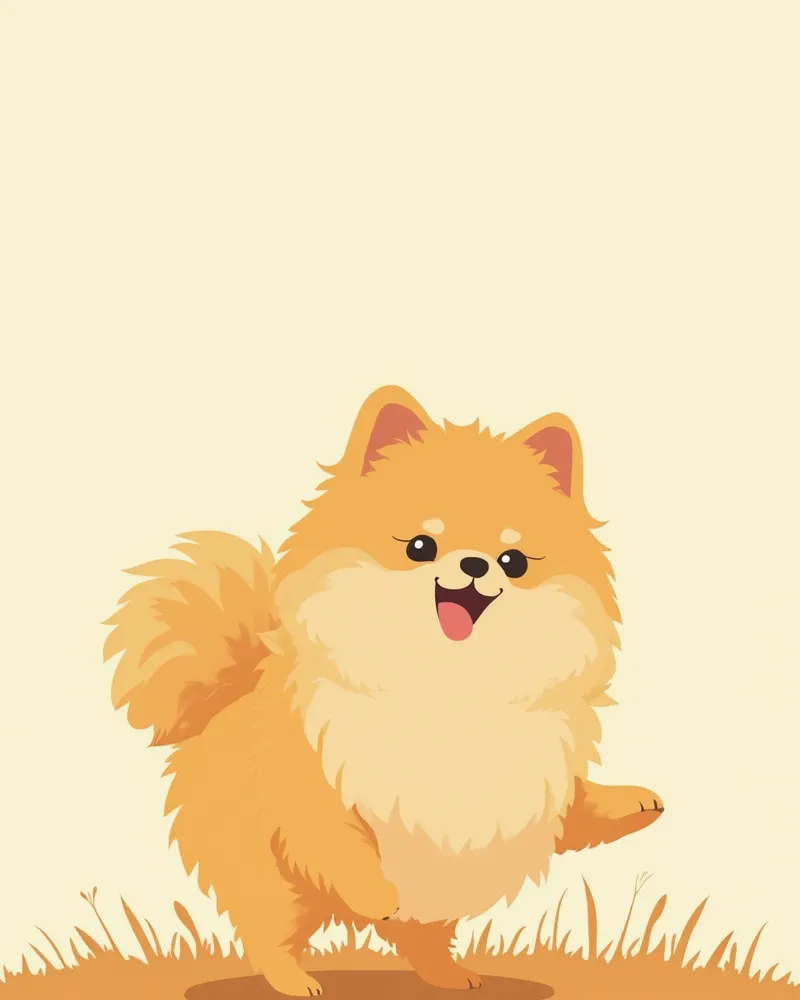
Patellar luxation is the most common hereditary orthopedic condition in Pomeranians. Because the groove on the inner side of the knee is shallow from birth, the kneecap tends to slip inward as the dog grows. Grade 1 is a mild form where the kneecap only dislocates when manually pushed, while Grade 4 is severe, with the kneecap permanently dislocated. A warning sign is if your dog suddenly lifts one hind leg, hops around for a few steps, and then resumes walking normally. We recommend regular palpation exams at 6 months, 1 year, and annually thereafter.
A Pomeranian slightly lifting one of its hind legs

2. Tracheal Collapse — The 'Goose Cough' Is the Key Sign

Tracheal collapse is a progressive respiratory condition in which the cartilage rings supporting the airway weaken, causing the trachea to flatten. Veterinary internal medicine textbooks report it as most common in toy breeds such as Yorkshire Terriers and Pomeranians. If your dog develops a dry, honking cough resembling a goose’s call during excitement or when pulling on a leash, this condition should be suspected. Symptoms tend to worsen in hot weather, with obesity, or during walks on a collar, so using a harness and maintaining a healthy weight are key management strategies.

These Respiratory Signs Are Emergencies

If you notice any of the following signs, take your pet to a veterinary clinic within 24 hours: persistent, rapid panting with an open mouth; gums or tongue turning purple or blue; continuous honking coughs throughout the day accompanied by loss of appetite; or brief loss of consciousness after excitement. As tracheal collapse progresses, oxygen therapy may be necessary, and in severe cases, surgery or stent placement may be considered.

3. Pomeranian Hair Loss (Alopecia X) — Bilateral Symmetrical Hair Loss Is the Characteristic
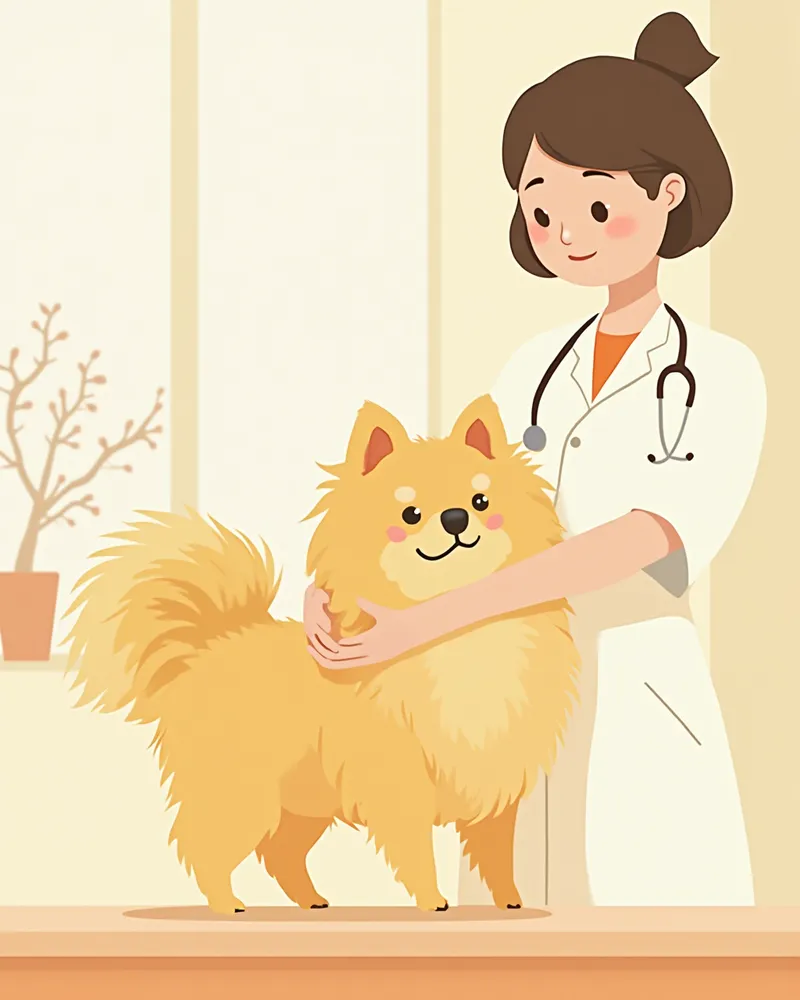
Pomeranian hair loss, also known as "black skin disease" or "Alopecia X," is a non-pruritic, bilaterally symmetrical alopecia. Hair loss occurs symmetrically on the back, sides, and tail, accompanied by progressive darkening of the exposed skin due to hyperpigmentation. It typically develops gradually from young adulthood through middle age. Because its clinical presentation resembles endocrine disorders such as hypothyroidism and hyperadrenocorticism, differential diagnosis is essential. Do not neglect the condition simply because it is not itchy; other endocrine disorders must be ruled out first through blood hormone tests and skin biopsies.
A Pomeranian being examined at the animal hospital for its back skin and coat condition.

4 & 5. Teeth & Heart — The Traps of Small Jaws and Small Hearts

Pomeranians are prone to retained baby teeth because of their small jaws, which can lead to tartar buildup, periodontal disease, and jawbone damage if left untreated. It’s a good idea to check for this during spaying/neutering or at the one-year wellness exam. As for heart health, congenital conditions like patent ductus arteriosus may be detected in young dogs, while mitral valve degeneration tends to develop with age. Annual cardiac auscultation and echocardiography are recommended for dogs over six years old.

Lifetime Health Care Points for Pomeranians

Pomeranians with genetic risk factors need a preventive check-up routine as the core of their care. - Weight management: Keep weight within ±10% of the ideal range; obesity puts strain on the patella, trachea, and heart. - Use a harness: Replace the collar with a chest harness to reduce pressure on the trachea. - Limit jumping: Prevent jumping off sofas or beds to protect the patella. - Annual check-ups: Have a yearly exam that includes knee palpation, oral examination, and heart auscultation. - Diet and treat management: Use food formulated for small breeds to maintain nutritional balance and support both dental and joint health.
A Pomeranian wearing a pink harness and going for a walk

Tests to Check Before Adoption or Purchase

If you’re planning to welcome a Pomeranian, it’s a good idea to ask the breeder in advance for the parents’ patellar luxation grade, heart auscultation results, skin and coat condition, and records of deciduous tooth eruption and loss. For the puppy, schedule an initial knee, heart, and oral exam at 4–6 months of age, a comprehensive health check at one year, and annual wellness exams thereafter. This proactive approach helps catch most hereditary conditions early.

Reviewed by a veterinarian

Dr. Tony — Punnawat Phongkittirak

Dr. Tony — Punnawat Phongkittirak

Veterinarian

A veterinarian who majored in veterinary medicine at Khon Kaen University, Thailand, and completed the IVSA program at North Carolina State University in the United States. Drawing on clinical experience at animal hospitals, he works in the pet healthcare field and is dedicated to building a digital care environment that connects pet parents with veterinarians.

Frequently Asked Questions

Is patellar luxation in Pomeranians caused by genetics or environmental factors?
Genetic predisposition is the primary cause, as the knee structure is inherently weak from birth. However, environmental factors such as obesity, slippery floors, and frequent jumping can accelerate the progression of the condition. Therefore, it is essential to manage both genetic and environmental factors.
Can Pomeranian hair loss be completely cured?
The goal for this condition is management rather than a complete cure. It’s essential to first rule out other endocrine disorders, such as hypothyroidism or Cushing’s disease, through hormone testing and skin biopsies. Once the underlying cause is identified, follow the treatment plan prescribed by your veterinarian alongside proper skin care, and seek professional dermatological evaluation instead of attempting self-diagnosis.
Does a Pomeranian with tracheal collapse need surgery?
In most cases, the condition can be well managed with weight control, harness use, reducing excitement, and medication. Stent placement or surgery is considered only in severe cases where daily life is difficult or cyanosis recurs. The severity is determined through imaging tests.
When should you start genetic disease testing for Pomeranians?
We recommend scheduling your pet’s first knee, heart, and dental check-ups between 4 and 6 months of age, followed by a comprehensive health screening at one year old. After that, please ensure annual wellness exams to monitor for changes in patellar luxation grade, heart murmurs, and skin condition.
Are Pomeranians more prone to having weaker immune systems than other breeds?
It’s not so much that their immune system is inherently weak; rather, they tend to have several structural vulnerabilities, such as their small size, narrow airways, and shallow knee joints. As a result, symptoms can appear more quickly in response to the same triggers. It’s important to stay on top of their vaccination and deworming schedules.

Share

Related Guides

References

[1] Ettinger SJ, Feldman EC, Cote E. Textbook of Veterinary Internal Medicine, 8th Edition. Elsevier, 2017

[2] Tilley LP, Smith FWK. The 5-Minute Veterinary Consult: Canine and Feline, 7th Edition. Wiley-Blackwell, 2021

[3] King LG. Textbook of Respiratory Disease in Dogs and Cats. Saunders, 2004

[4] Piek CJ. Canine Idiopathic Immune-Mediated Diseases, Veterinary Clinics of North America: Small Animal Practice, 2010

This information is based on veterinary literature and does not replace diagnosis or treatment. Please consult a veterinarian for specific health concerns.

Metapet Co., Ltd. | CEO: Park Sung-yong | Business Reg. No. 417-88-02562 | Seoul, South Korea | Customer Center

Pomeranian Genetic Disease Checklist: 5 Health Risks | Meongsiljang