
Ragdolls and Hypertrophic Cardiomyopathy (HCM) — Symptoms, Treatment, and Age-Specific Lifelong Management
Ragdolls are a breed with a confirmed genetic predisposition to hypertrophic cardiomyopathy (HCM). Because the condition often progresses without noticeable symptoms, it’s important to know the recommended age-specific screening schedule and the early warning signs you can monitor at home.
Ragdolls Are a Breed That Requires Particular Attention to Heart Health Management
Heart-Related Conditions to Watch for in Ragdolls
What Is Hypertrophic Cardiomyopathy (HCM)?
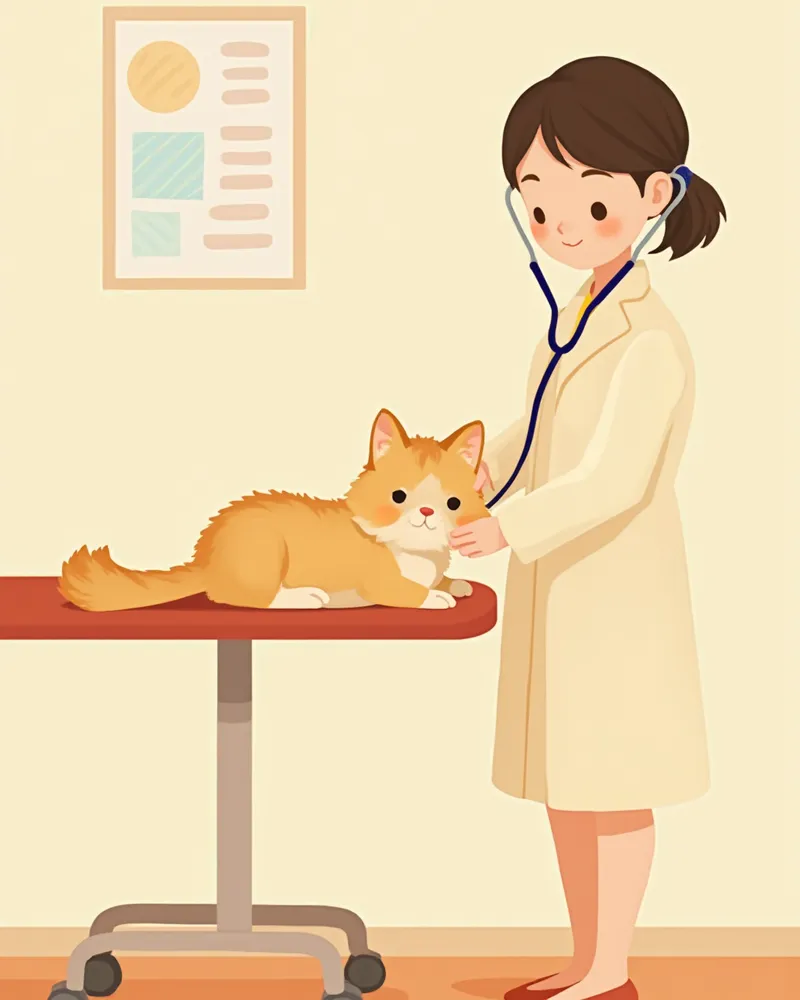
Recommended Age-Specific Heart Screening Schedule for Ragdolls
| Item | Ages 1–2 | Ages 3–5 | Age 6 and older |
|---|---|---|---|
| Recommended exam interval | One baseline test | Once a year | Once every 6 months to 1 year |
| Key exam items | Establish echocardiography baseline | Echocardiography + blood pressure measurement | Echocardiography + NT-proBNP blood test |
| Management points | If no abnormality, maintain once a year | Monitor for early HCM changes | Decide whether to prescribe medication |
| Additional recommendations | Consider genetic testing | Weight/stress management | Limit vigorous play/jumping |
The veterinarian may adjust the interval based on the individual's condition and test results
Early Warning Signs You Can Monitor at Home

Go to the Emergency Room Immediately If You See These Symptoms
If your pet is breathing with its mouth open, if its tongue or gums turn blue (cyanosis), or if it suddenly refuses to use its hind legs at all, immediate emergency care is required. Cats often hide symptoms for a long time, so if you notice these signs, your pet may already be in a critical condition. Please transport your pet to the nearest 24-hour veterinary clinic within 15 minutes.
How Is HCM Diagnosed?
Treatment and Home Care After an HCM Diagnosis

Additional Information on Managing HCM in Ragdolls
Hypertrophic cardiomyopathy (HCM) in Ragdolls is inherited in an autosomal dominant pattern, with incomplete penetrance and variable expression among individuals. Cats that are homozygous for the MYBPC3 mutation are known to be at higher risk of developing severe HCM at a relatively young age. If either parent tests positive for HCM, it is advisable to begin screening from kittenhood. Genetic testing can identify specific mutations in advance, but known mutations account for only a portion (approximately 17–23%) of Ragdoll HCM cases, meaning cats can still develop HCM even if they test negative for these mutations. Therefore, regular echocardiographic examinations are essential.
Reviewed by a veterinarian

Dr. Tony — Punnawat Phongkittirak
VeterinarianA veterinarian who majored in veterinary medicine at Khon Kaen University, Thailand, and completed the IVSA program at North Carolina State University in the United States. Drawing on clinical experience at animal hospitals, he works in the pet healthcare field and is dedicated to building a digital care environment that connects pet parents with veterinarians.
Reviewed 2026-05-28
Frequently Asked Questions
When is the best time to have a Ragdoll cat undergo its first cardiac ultrasound?
How long can a dog live after being diagnosed with HCM?
Can genetic testing help prevent hypertrophic cardiomyopathy (HCM)?
How can I check for signs of heart problems at home?
Share
Related Guides

Coenzyme Q10 Benefits and Administration Guide

Dog Pulmonary Edema Warning — 7 Best Diuretics (Furosemide) for Heart Management

7 Best Prescription Diets for Feline Heart Disease Recommended by Veterinarians — Criteria for Choosing Low-Sodium Food

Exotic Shorthair Polycystic Kidney Disease — Persian Lineage Screening Guide

MYBPC3 Genetic Testing for Ragdoll HCM — Lifelong Management for a Predisposed Breed

Doberman DCM — Regular Screening Guide for High-Risk Breeds

Brachycephalic Globe Proptosis: A Complete Guide from Emergency Response to Lifelong Eye Care

Bedlington Terrier Copper Accumulation: A Complete Guide to Symptoms, Screening, and Treatment for This Hereditary Liver Disease

Jindo Hip Dysplasia — Complete Guide to Symptoms, Screening Timing, and Lifelong Management

High Incidence of Cushing’s Disease in Poodles — Symptoms in Senior Dogs and Timing for Regular Check-ups
References
[1] Meurs KM, Norgard MM, Ederer MM et al. A substitution mutation in the myosin binding protein C gene in Ragdoll hypertrophic cardiomyopathy. Genomics, 2007, 90(2):261–4.
[2] Ferasin L. Feline myocardial disease 1: classification, pathophysiology and clinical presentation. J Feline Med Surg, 2009, 11(1):3–13.
[3] Fox PR, Oyama MA, Reynolds C et al. Utility of plasma N-terminal pro-brain natriuretic peptide (NT-proBNP) to distinguish between congestive heart failure and non-cardiac causes of acute dyspnea in cats. J Vet Cardiol, 2009, 11 Suppl 1:S51–61.
[4] Côté E, MacDonald KA, Meurs KM, Sleeper MM. Feline Cardiology. Wiley-Blackwell, 2011.