Like
Share
멍실장
비숑프리제 건강 관리 — 피부·관절·눈물 관리법

Bichon Frise Health Care — Skin, Joint, and Tear Stain Management

Skin & CoatBreed HealthMeongsiljang Veterinary Advisory Board

We’ve compiled the causes and management strategies for atopic dermatitis, patellar luxation, and tear staining—conditions to which Bichon Frises are particularly susceptible—based on veterinary textbook evidence.

Bichon Frise Health: These Three Things Are Key
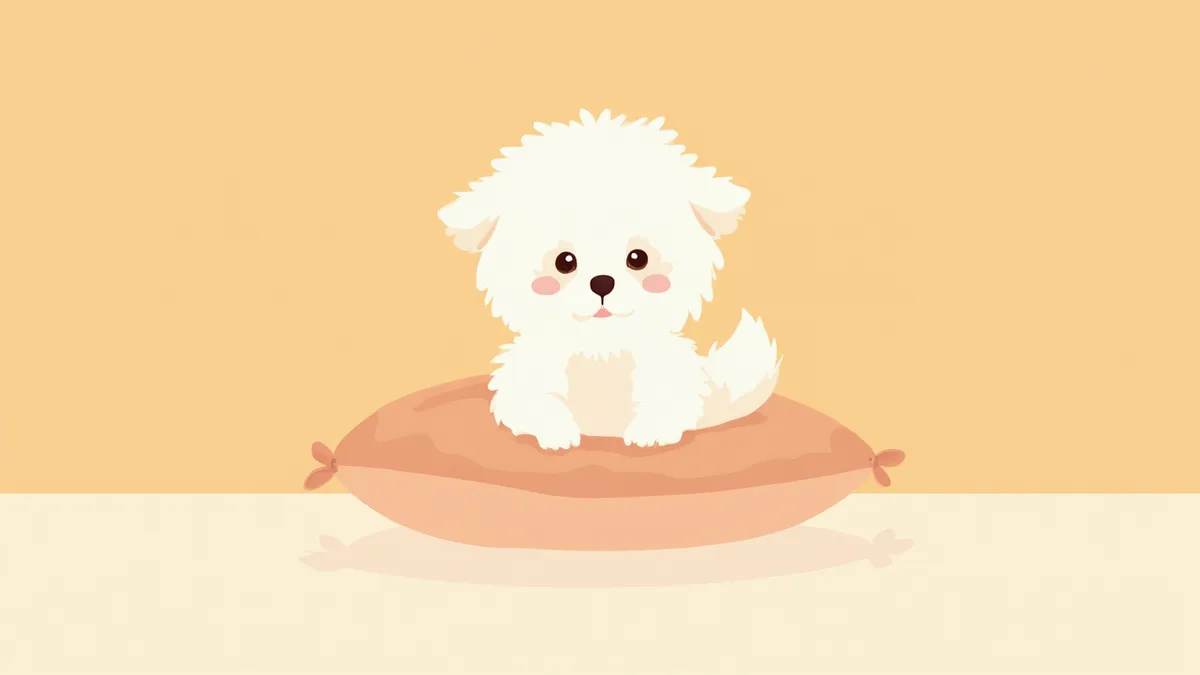
A healthy Bichon Frise sitting on a cushion
The key areas to focus on are skin care, joint care, and tear stain management. Bichon Frises are beloved for their curly white coats and cheerful personalities. Atopic dermatitis is a condition that can affect various breeds due to genetic predisposition, with impaired skin barrier function being a primary underlying mechanism. Additionally, care should be taken regarding patellar luxation, which is relatively common in small breeds, and tear stains, which are particularly noticeable on their white fur. By paying close attention to these three areas, you can significantly support your Bichon’s health. Let’s explore the causes and management strategies for each issue one by one.

Top 3 Health Concerns to Watch for in Bichon Frises

Here are three common health concerns Bichon Frise owners should keep an eye on.
Atopic dermatitis: When the skin barrier function is compromised, environmental allergens can penetrate more easily, triggering inflammatory skin reactions. Typical symptoms include itching, redness, and recurrent ear infections.
Patellar luxation: This condition occurs when the kneecap (patella) slips out of its normal position, typically toward the inside of the leg. It is relatively common in small-breed dogs and may require surgical correction in severe cases.
Tear staining (epiphora): This occurs when excess tears overflow onto the face, causing the fur beneath the eyes to turn brown. The primary cause is usually a narrowed or blocked tear duct (nasolacrimal duct).

Atopic Dermatitis — The Most Common Skin Condition in Bichon Frises
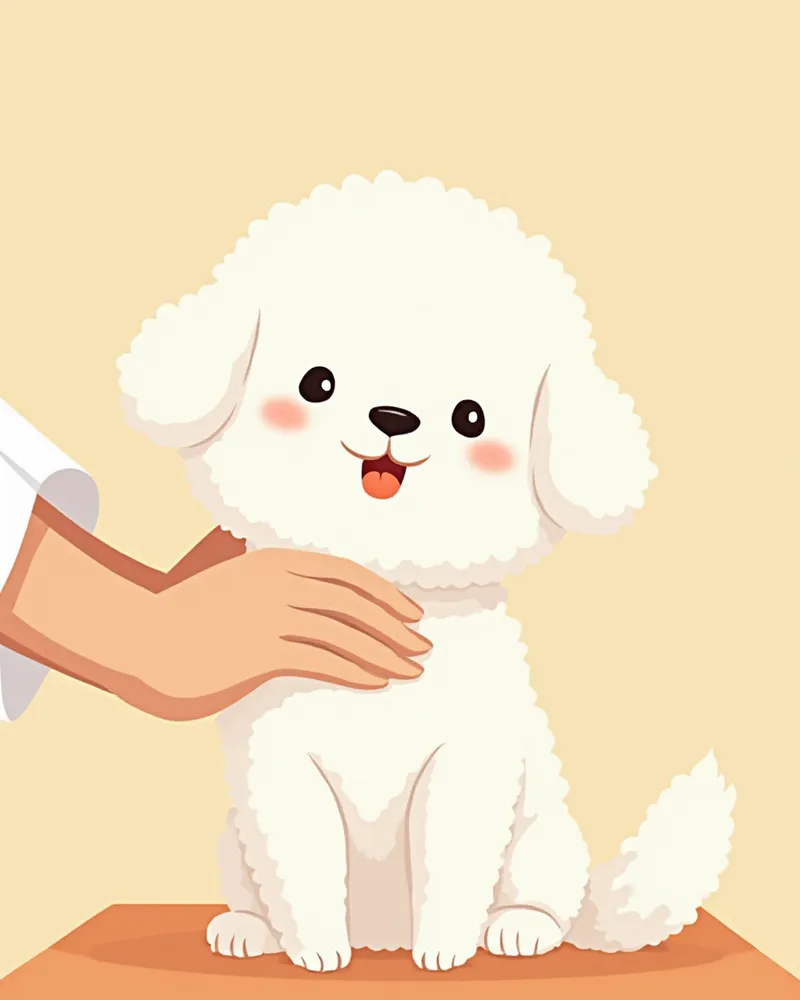
Atopic dermatitis is a condition with a genetic predisposition that can affect many breeds. According to veterinary dermatology textbooks, the primary mechanism involves a compromised skin barrier. When this barrier is damaged, the skin absorbs more environmental allergens and experiences increased microbial growth on its surface, which can lead to inflammation.
Itching: Your pet frequently scratches or rubs against the floor.
Skin Redness: The skin on the belly, armpits, and between the toes becomes red.
Recurrent Ear Infections: Your pet frequently scratches at its ears or shakes its head.
Hair Loss: Repeated scratching of the same areas causes hair to fall out.
Identifying the triggering allergens makes management much easier. If you’re curious about testing methods, check out our Allergy Testing Guide.
A Bichon Frise getting a skin check-up from a veterinarian

Go to the Vet Immediately If You See These Skin Symptoms

If your pet’s skin is severely scratched to the point of open wounds or oozing, emits a strong foul odor, or appears darkened and hardened, it may indicate a secondary bacterial infection or progression to chronic dermatitis. Atopic dermatitis becomes increasingly difficult to treat the longer it goes unaddressed, so it’s important to work with your veterinarian to establish a management plan early on.

Patellar Luxation — Essential Joint Health for Small-Breed Dogs

Patellar luxation is a relatively common joint condition in small-breed dogs, and Bichon Frises are no exception. According to veterinary orthopedic textbooks, it is caused by a combination of developmental abnormalities, including abnormal femoral shape, underdevelopment of the femoral trochlea, and medial deviation of the tibial tuberosity. The kneecap (patella) most commonly slips inward from its normal position. Affected dogs may suddenly lift a hind leg or limp while walking. In mild cases, weight management and slip prevention can help reduce stress on the joints. If symptoms worsen, it is important to consult your veterinarian to develop an appropriate treatment plan, which may include surgical correction. Due to their energetic nature, Bichon Frises often jump from heights or engage in rough play. To avoid straining their joints, please minimize jumping and stair use. If you’d like to learn more about symptoms and stages, check out our Patellar Luxation Guide.
A Bichon Frise undergoing a hind leg joint examination by a veterinarian

Tear Stains — Why They Stand Out on White Coats
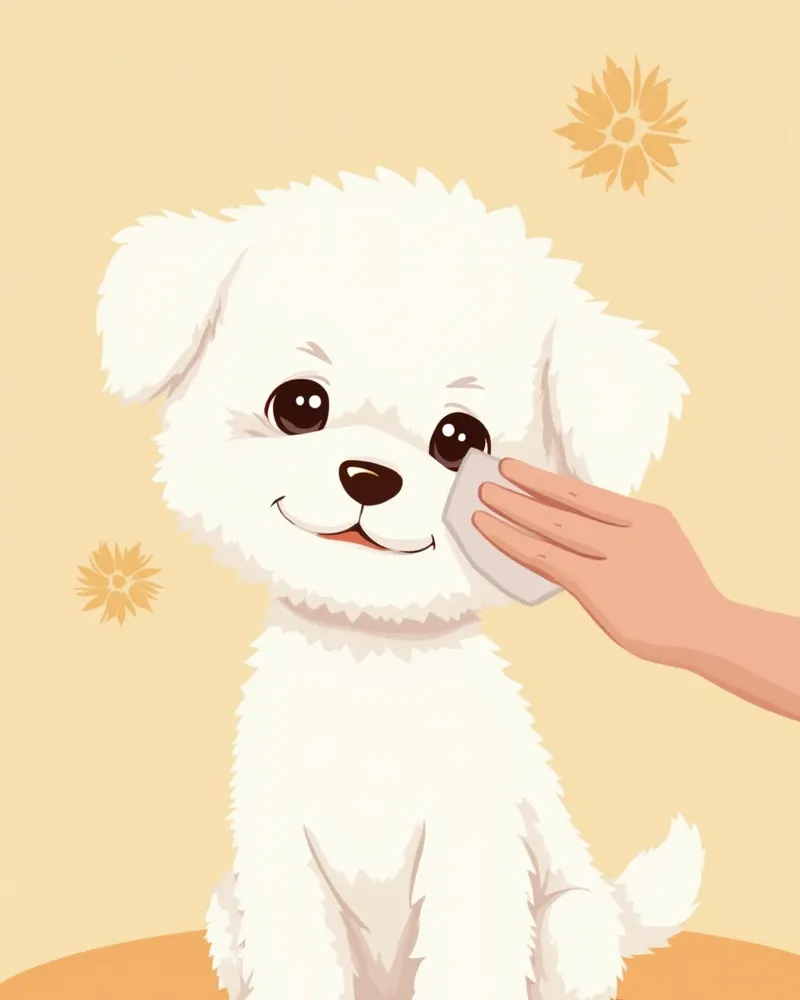
Brown tear stains on the white coat of a Bichon Frise are caused by a condition known as epiphora. According to veterinary ophthalmology textbooks, this occurs when tears fail to drain properly through the nasal passages and instead overflow onto the face, continuously wetting the fur beneath the eyes. Over time, the accumulated tear components undergo discoloration, resulting in the characteristic brown stains. One of the primary causes of epiphora in Bichon Frises is congenital narrowing or obstruction of the nasolacrimal ducts. Additionally, curly facial hair can irritate the eyes, leading to increased tear production; therefore, it is important to maintain proper grooming of the hair around the eyes. Gently wipe the area around the eyes daily with soft gauze, and trim the hair around the eyes to prevent it from coming into contact with the eye surface. If you are interested in learning about diets that help reduce tear stains, please refer to our Guide to Choosing Tear-Stain-Friendly Dog Food.
A close-up of a Bichon Frise having its eyes gently wiped clean.

Daily Health Care Checklist for Bichon Frises

Here are the key daily care tips to help extend the healthy lifespan of your Bichon Frise.
Skin Care: Keep your dog’s skin clean with regular baths and brushing. It’s best to use a hypoallergenic shampoo that is gentle and minimizes irritation.
Weight Management: Maintaining an ideal body weight helps reduce stress on the patella. Consult your veterinarian to determine the appropriate target weight for your pet.
Slip Prevention: Place rugs or non-slip mats on your home’s floors to lessen the strain on your dog’s joints.
Daily Eye Cleaning: Gently wipe around your dog’s eyes using a soft gauze pad dampened with lukewarm water.
Regular Check-ups: Schedule health examinations at least once or twice a year to monitor the condition of the skin, patella, and eyes.

Additional Points for Bichon Frise Owners to Know

Maintaining urinary tract health is an important aspect of care for Bichon Frises and other dogs. If your dog shows signs of straining while urinating, has blood in its urine, or experiences a sudden increase in urination frequency, a veterinary consultation is necessary. Adequate water intake supports urinary tract health, so always ensure your pet has access to plenty of fresh, clean water. Additionally, Bichon Frises are prone to otitis externa (ear infections) occurring alongside atopic dermatitis. Therefore, thoroughly dry the inside of their ears after bathing and perform regular ear cleaning.

Reviewed by a veterinarian

Dr. Tony — Punnawat Phongkittirak

Dr. Tony — Punnawat Phongkittirak

Veterinarian

A veterinarian who majored in veterinary medicine at Khon Kaen University, Thailand, and completed the IVSA program at North Carolina State University in the United States. Drawing on clinical experience at animal hospitals, he works in the pet healthcare field and is dedicated to building a digital care environment that connects pet parents with veterinarians.

Frequently Asked Questions

Can atopic dermatitis in Bichon Frises be completely cured?
Atopic dermatitis is a condition where management, rather than a cure, is key. By identifying the allergens, managing the environment, moisturizing the skin, and using medication when necessary, symptoms can be well controlled. It’s important to work with your veterinarian to develop a long-term management plan.
Can I use tear stain remover on my Bichon Frise?
Some tear-stain removers available on the market can irritate your pet’s eyes. It’s safest to consult with a veterinarian before using them. Rather than relying on these products, gently cleaning around the eyes daily and addressing the underlying cause of excessive tearing is more effective.
What kind of joint supplement is good for a Bichon Frise?
Joint supplements vary widely in their ingredients and concentrations, so the safest approach is to have your veterinarian recommend a product tailored to your pet’s weight and joint condition. Please avoid choosing a supplement on your own or giving your pet human dietary supplements, and instead make your decision after consulting with your vet.
How often should you bathe a Bichon Frise?
Bathing frequency should be adjusted based on your pet’s skin condition, living environment, and activity level. Bathing too often can weaken the skin barrier and actually lead to skin issues. For pets with atopic dermatitis, it’s best to follow your veterinarian’s recommendations for medicated shampoos and bathing schedules.

Share

Related Guides

References

[1] Muller & Kirk's Small Animal Dermatology, 7th Ed — Canine Atopic Dermatitis

[2] Clinical Atlas of Canine and Feline Ophthalmic Disease, 2nd Ed — Epiphora and Nasolacrimal System

[3] Clinical Medicine of the Dog and Cat, 4th Ed — Chapter 15: Musculoskeletal Disorders

[4] Textbook of Veterinary Orthopaedic Surgery — Chapter 11: Patellar Luxation

[5] Applied Veterinary Clinical Nutrition, 2nd Ed — Dietary Management of Skin Diseases

This information is based on veterinary literature and does not replace diagnosis or treatment. Please consult a veterinarian for specific health concerns.

Metapet Co., Ltd. | CEO: Park Sung-yong | Business Reg. No. 417-88-02562 | Seoul, South Korea | Customer Center

Bichon Frise Health: Skin, Joint & Tear Stain Care | Meongsiljang