
Like
Share
멍실장
강아지 알러지 검사 종류와 진행 과정

Types of Dog Allergy Tests and the Procedure

Skin & CoatQ&AMeongsiljang Veterinary Advisory Board

Dog allergy testing is primarily divided into intradermal skin tests and serum blood tests. To ensure accurate results, it is essential to rule out other potential causes of itching before conducting the tests.

What Types of Dog Allergy Tests Are There?
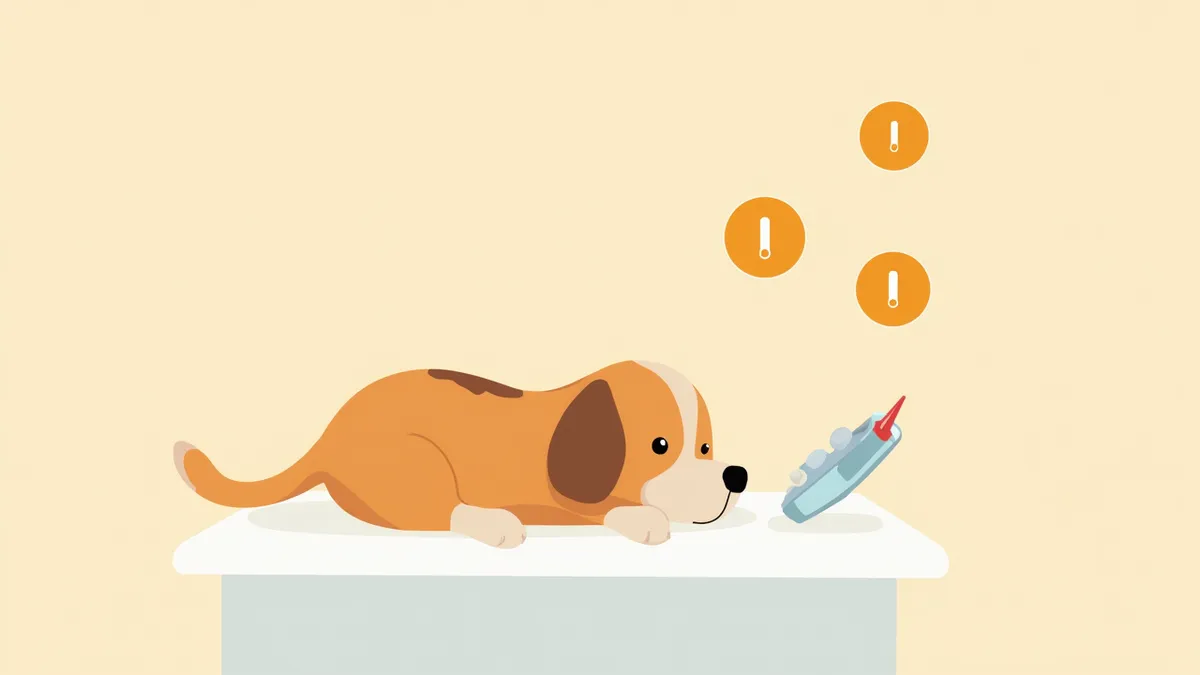
Illustration of a puppy undergoing a skin examination at a veterinary clinic
Allergy testing for dogs is a diagnostic method that analyzes blood or skin reactions to identify the allergens causing itching and inflammation. These tests are performed on dogs diagnosed with atopic dermatitis to determine which substances trigger their reactions and to design personalized immunotherapy. Crucially, to obtain accurate results, other potential causes of itching—such as parasitic infections, bacterial infections, and food allergies—must be ruled out before conducting allergy testing.

Things to Check Before Allergy Testing

According to veterinary dermatology textbooks, allergy testing should only be performed after a clinical diagnosis of atopic dermatitis has been established. It is essential to rule out other potential causes of itching before proceeding with the test.
External parasite infestations: Fleas, ticks, and mites can cause itching. These should be ruled out first through appropriate deworming treatment.
Bacterial and fungal infections: Skin bacterial infections or Malassezia fungal infections often occur alongside atopic dermatitis.
Food allergies: To determine if a specific food is causing a reaction, an elimination diet trial using a novel protein source must be conducted. It is important to plan the duration and method of this trial together with your veterinarian.
Skipping these steps can reduce the accuracy of the test results.

Comparison of Allergy Test Types

We compared the two testing methods recognized by veterinary dermatology textbooks.
CategoryIntradermal Skin TestSerum Test
Testing MethodInjection of a small amount of allergen into the skinBlood collection followed by antibody (IgE) measurement
Testing LocationDermatology-specialized animal hospitalAvailable at general animal hospitals
Time RequiredResults available on the same daySent to an external laboratory (1–2 weeks)
Anesthesia/SedationMild sedation requiredNot required
Result CharacteristicsDirectly observes skin hypersensitivity reactionsPossibility of false positives (e.g., due to CCD)
CostRelatively higherRelatively lower

How Is Intradermal Skin Testing Performed?

Intradermal allergy testing involves injecting allergens directly into the skin to observe hypersensitivity reactions, and is typically performed by veterinary dermatologists or clinicians with a strong interest in dermatology. First, a broad area of fur on your dog’s flank is shaved. Then, small amounts of dozens of allergens—such as house dust mites, pollen, and mold—are injected into the skin. After 15 to 20 minutes, the degree of swelling at each injection site is compared to determine which substances trigger a reaction. Mild sedation may be required, but general anesthesia is not. Results are available on the same day, allowing for immediate design of an immunotherapy prescription.
Illustration of a dog undergoing an intradermal reaction test

How Does Serum Testing Differ?

Serum testing involves drawing blood to measure the level of antibodies (immunoglobulin E) against specific allergens. It is more convenient than intradermal testing and does not require sedation, making it more accessible. Typically, blood is drawn at a general veterinary clinic and sent to an external specialized laboratory for analysis. However, according to veterinary dermatology textbooks, serum testing can yield false-positive results (cases where the test indicates an allergy when none actually exists). Therefore, allergies should not be diagnosed based solely on test results; instead, a comprehensive assessment combining clinical symptoms and test findings is necessary.
Illustration of a puppy undergoing a blood draw for a serum allergy test

Saliva and Hair Allergy Tests Lack Evidence

You may come across allergy test kits online that use saliva or hair samples. However, veterinary dermatology textbooks only recognize two tests for diagnosing allergies: intradermal skin testing and serum (IgE) testing. Even the prick and patch tests, which are widely used in human medicine, are considered either insufficiently validated or impractical in clinical veterinary practice. Therefore, avoid relying on unverified kits. If you want an accurate diagnosis, be sure to have your pet undergo intradermal skin testing or serum testing through a veterinarian.

Medication Discontinuation Is Required Before Testing

To ensure the accuracy of allergy testing, certain medications must be stopped before the test. Medications can suppress allergic reactions, which may cause test results to appear weaker than they actually are.
Antihistamines: It is recommended to discontinue these for a specific period before testing. The exact timing should be planned in consultation with your veterinarian.
Steroids (oral and topical): These need to be stopped for a sufficient period before testing. If your pet has been on long-term steroid therapy, a longer discontinuation period may be required. Your veterinarian will guide you on the appropriate schedule based on the type and duration of steroid use.
Note that some immunomodulators, such as cyclosporine, oclacitinib, and lokivetmab, are known not to affect allergy test results. Medication discontinuation should always be done after consulting with your veterinarian. Stopping medications abruptly without professional guidance can lead to a rapid worsening of symptoms.

Post-Test Treatment: Allergen Immunotherapy

The ultimate goal of allergy testing is to prepare for allergen immunotherapy, also known as desensitization therapy. This treatment involves administering injections of the identified allergens, starting with very small amounts and gradually increasing the concentration, to train the immune system to stop overreacting to those substances. Your veterinarian will design a customized immunotherapy plan based on your dog’s weight and test results. While symptom improvement typically begins within 3 to 6 months of starting treatment, some dogs may take up to 12 months to show a response. According to veterinary dermatology textbooks, approximately 70% of allergic patients experience symptom improvement with this therapy.
Illustration of a puppy receiving an immunotherapy injection

Know the Diagnostic Criteria for Atopic Dermatitis

These are the diagnostic criteria for atopic dermatitis proposed by Favrot and colleagues (2010). If your dog meets five or more of the following criteria, there is a high likelihood of atopic dermatitis: - Symptoms began before the age of three - The dog primarily lives indoors - Itching responds to steroid treatment - Itching is present in the early stages without visible skin lesions - The front paws are affected - The ears are affected - The tips of the ears are not affected - The lower back and hindquarters are not affected If your dog meets several of these criteria, consult your veterinarian about allergy testing.

Reviewed by a veterinarian

Dr. Tony — Punnawat Phongkittirak

Dr. Tony — Punnawat Phongkittirak

Veterinarian

A veterinarian who majored in veterinary medicine at Khon Kaen University, Thailand, and completed the IVSA program at North Carolina State University in the United States. Drawing on clinical experience at animal hospitals, he works in the pet healthcare field and is dedicated to building a digital care environment that connects pet parents with veterinarians.

Frequently Asked Questions

At what age can puppies start undergoing allergy testing?
Allergy testing is typically performed only after a clinical diagnosis of atopic dermatitis has been established. Rather than relying on a specific age threshold, the onset of symptoms and the presence of a clinical diagnosis are more important factors. Your veterinarian will recommend the appropriate timing for testing based on a comprehensive assessment of your dog’s symptoms and overall condition.
How much does an allergy test cost?
Costs vary depending on the clinic and the type of test. Intradermal tests tend to be more expensive than serum tests. For the most accurate pricing, it’s best to contact the veterinary clinic where you plan to have the test performed.
Can food allergies also be confirmed through a blood test?
For food allergies, an elimination diet trial is the standard diagnostic method, rather than blood tests. This involves feeding your pet a diet with a novel protein source and monitoring for changes in symptoms. It’s crucial to follow this process strictly for an adequate period. Please consult with your veterinarian to determine the specific duration of the trial and the appropriate diet to use.
Does a positive allergy test always mean my pet has an allergy?
Not necessarily. In particular, serological tests can yield false-positive results. Test results should be interpreted in conjunction with clinical signs. That’s why consulting a board-certified veterinary dermatologist is so important.
Does immunotherapy need to be continued for life?
Atopic dermatitis is a condition where management, rather than a cure, is the goal. If symptoms are well-controlled through immunotherapy, the interval between injections can be gradually extended, but stopping treatment completely may lead to a recurrence of symptoms. It’s best to work with your veterinarian to develop a long-term management plan.

Share

Related Guides

References

[1] BSAVA Manual of Canine and Feline Dermatology, 4th Ed — Chapter 11: Allergy Testing and Allergen-Specific Immunotherapy

[2] Veterinary Immunology, 11th Edition — Chapter 31: Type I Hypersensitivity

[3] The Dog Care Handbook, Things I Wish My Vet Had Told Me — Atopic Dermatitis

[4] Favrot C. et al. (2010) A prospective study on the clinical features of chronic canine atopic dermatitis and its diagnosis. Veterinary Dermatology 21(1):23-31

This information is based on veterinary literature and does not replace diagnosis or treatment. Please consult a veterinarian for specific health concerns.

Metapet Co., Ltd. | CEO: Park Sung-yong | Business Reg. No. 417-88-02562 | Seoul, South Korea | Customer Center

Dog Allergy Testing: Intradermal vs. Blood Tests | Meongsiljang