

Complete Guide to Monitoring Your Dog’s Blood Glucose Curve — From Methods to Interpreting Values
Monitoring your dog’s blood glucose curve is essential for effective diabetes management. Here are the key questions and answers every pet owner should know.
What Is Blood Glucose Curve Monitoring for Dogs?
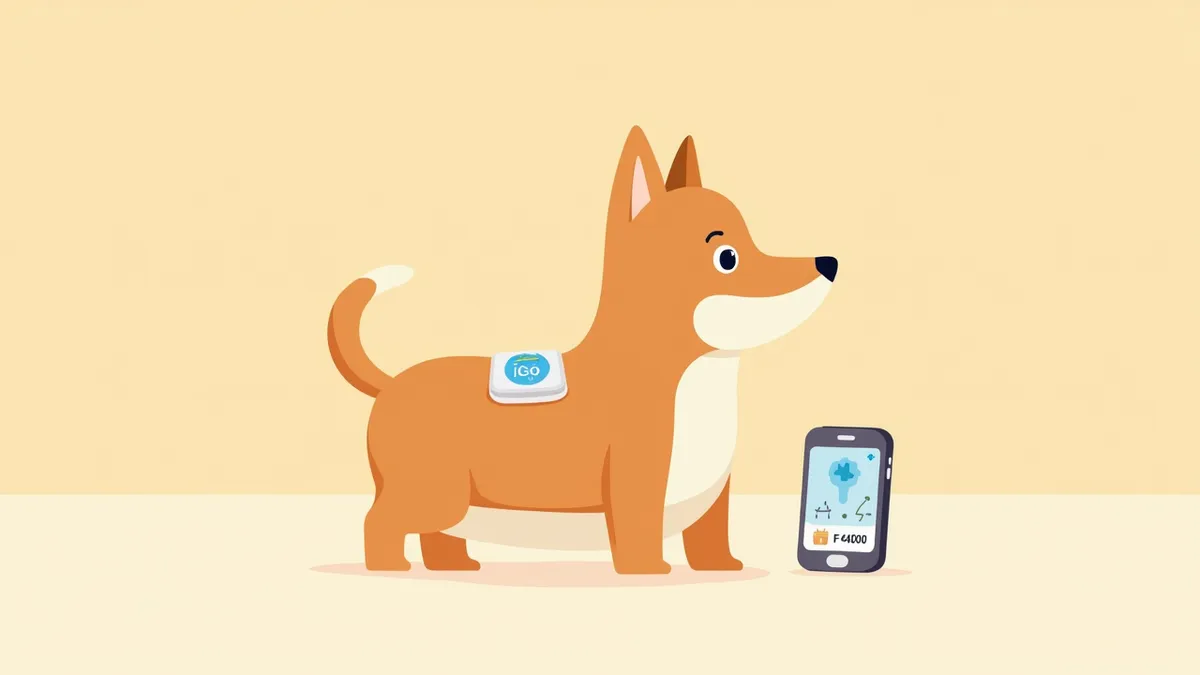
Why Is Blood Glucose Curve Monitoring Necessary?
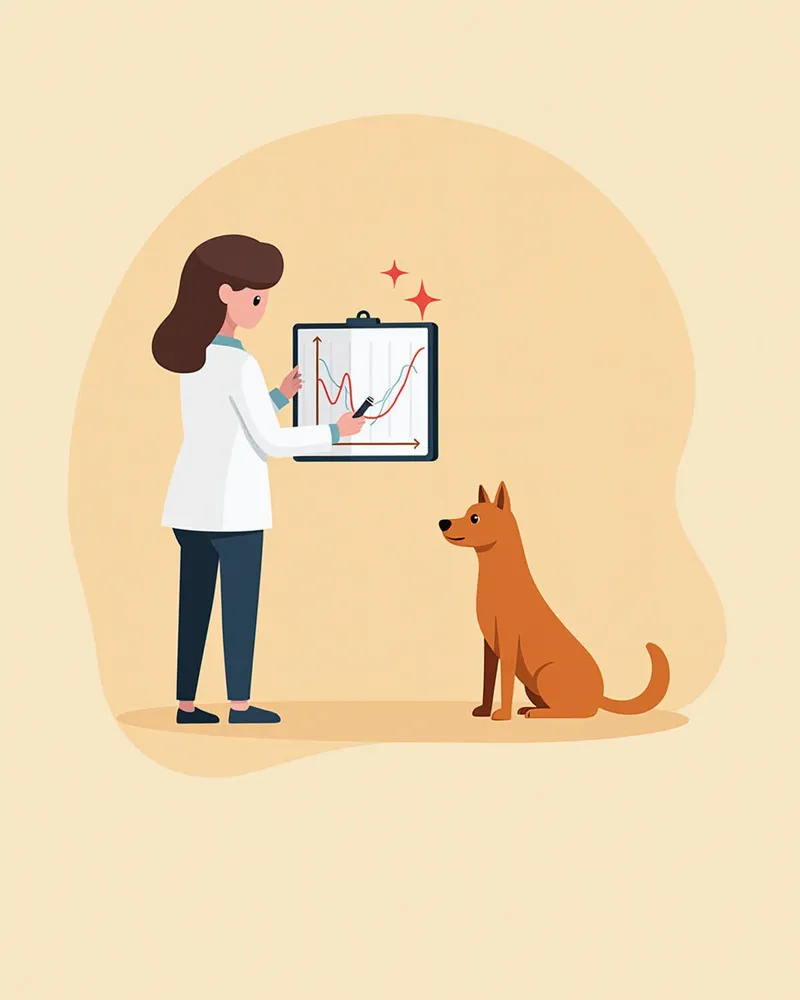
How Is Blood Glucose Curve Monitoring Performed?

Comparison of Blood Glucose Measurement Methods: Traditional vs. Continuous Monitoring
| Item | Measurement Method | Measurement Interval | Measurement Target | Advantages |
|---|---|---|---|---|
| Glucometer Measurement | As needed | Per measurement | Blood (whole blood) glucose | Low cost, convenient |
| Continuous Glucose Monitoring (CGM) | 24 hours or more | Continuous | Tissue interstitial fluid glucose | Identifies glucose trends and peaks/troughs, provides early warning of risk |
CGM measures glucose in the interstitial fluid of tissues, making it better able to detect hypoglycemic and hyperglycemic episodes that are easily missed with intermittent spot measurements.
What to Watch Out for During Blood Glucose Curve Monitoring
Signs That Require Immediate Veterinary Visit
If your pet experiences a sudden drop in blood sugar, becomes disoriented, or has seizures, contact your veterinarian immediately. Hypoglycemia can be life-threatening, so early intervention is crucial.
Benefits of Blood Glucose Curve Monitoring

Reviewed by a veterinarian

Dr. Tony — Punnawat Phongkittirak
VeterinarianA veterinarian who majored in veterinary medicine at Khon Kaen University, Thailand, and completed the IVSA program at North Carolina State University in the United States. Drawing on clinical experience at animal hospitals, he works in the pet healthcare field and is dedicated to building a digital care environment that connects pet parents with veterinarians.
Reviewed 2026-06-01
Frequently Asked Questions
Does blood glucose curve monitoring hurt dogs?
How long can the device be used?
Can I measure blood sugar at home?
How much will it cost?
Do all diabetic dogs need to be monitored?
Share
Related Guides

Top 5 Prescription Dog Foods for Diabetes Recommended by Veterinarians — Blood Sugar-Stabilizing Food Comparison

7 Key Products for Managing Feline Hypercalcemia Recommended by Veterinarians and Selection Criteria

7 Key Points for Canine Thyroid T4 Testing by Veterinarians — From Timing to Result Interpretation

Why is early tumor detection in cats important? — Key Q&A on screening

What Is the Activation of Fat-Storing Cells in Dogs? — The Process of Liver Fibrosis and How to Manage It

Should Protein Really Be Restricted for Dogs with Liver Disease? — Key Q&A on Amount and Type

What Is Canine Portal Hypertension? — Why Does Ascites Occur and When Should You Visit the Vet?

Can Leptospirosis in Dogs Affect the Liver? — Essential Q&A for Pet Owners

What is canine jaundice? — Key points to check if the eyes and gums are yellow

What is Canine Infectious Hepatitis? — Key Q&A from Symptoms to Vaccine Prevention
References
[1] Wess, G. and Reusch, C. (2000). Assessment of five portable blood glucose meters for use in cats. Am. J. Vet. Res. 61 (12): 1587–1592.
[2] Walsh, E.S., Drobatz, K.J., and Hess, R.S. (2016). Use of intravenous insulin aspart for treatment of naturally occurring diabetic ketoacidosis in dogs. J. Vet. Emerg. Crit. Care 26 (1): 101–107.
[3] Macintire, D.K. (1993). Treatment of diabetic ketoacidosis in dogs. Vet. Clin. North Am. Small Anim. Pract. 23 (3): 571–584.