
Symptoms and Management of Dog Dementia
Dogs can develop dementia as they age. Here’s a summary of the main symptoms of cognitive dysfunction syndrome and how to manage it at each stage.
Dogs Can Get Dementia Too
What Causes Dog Dementia?
Dementia Symptom Checklist
Symptom Comparison by Stage
| Category | Early Stage | Middle Stage | Late Stage |
|---|---|---|---|
| Sense of Direction | Occasionally appears confused | Wanders aimlessly around the house | Unable to find its own home |
| Sleep | Mild changes | Frequent nighttime awakenings | Day-night cycle completely reversed |
| Elimination | Occasional accidents | Frequent accidents | Loss of control |
| Social Interaction | Slightly indifferent | Occasionally fails to recognize owners | Difficulty recognizing family members |
| Activity Level | Decreased interest | Lethargic | Barely moves |
Easy to Confuse with Other Conditions
Dementia symptoms can resemble those of other conditions, such as brain tumors, hypothyroidism, pain from arthritis, or declines in vision and hearing. If symptoms appear suddenly, they are more likely to be caused by a different medical issue rather than dementia. If you notice any changes in your pet’s behavior, don’t simply dismiss them as a normal part of aging. Always consult a veterinarian for an accurate diagnosis first.
How Is It Diagnosed?
Treatment Methods
Management Strategies at Home
Start Now to Prevent Dementia
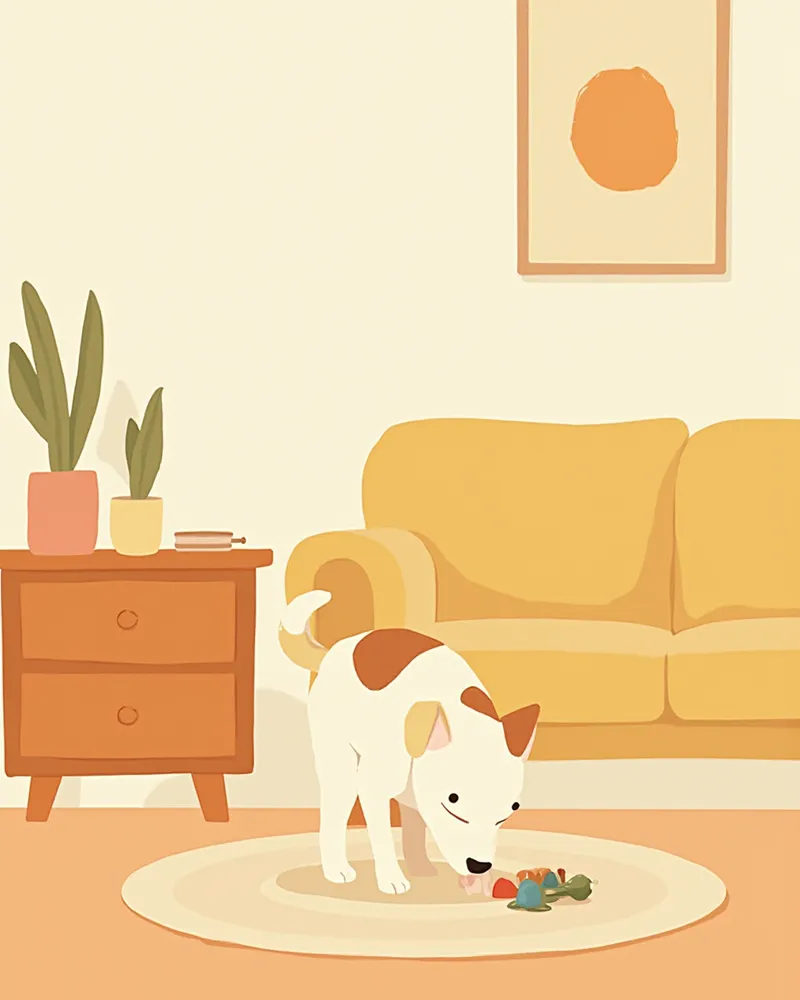
While cognitive dysfunction typically affects senior dogs, establishing preventive habits during middle age (7–8 years) can help delay its onset. Maintain a consistent routine of regular walks and play, provide a diet rich in antioxidants, and ensure ongoing social interaction with other dogs and people. Brain-stimulating activities like nose work and puzzle toys are also excellent preventive measures.
Reviewed by a veterinarian

Dr. Tony — Punnawat Phongkittirak
VeterinarianA veterinarian who majored in veterinary medicine at Khon Kaen University, Thailand, and completed the IVSA program at North Carolina State University in the United States. Drawing on clinical experience at animal hospitals, he works in the pet healthcare field and is dedicated to building a digital care environment that connects pet parents with veterinarians.
Reviewed 2026-04-16
Frequently Asked Questions
At what age do dogs start developing cognitive dysfunction?
Are there any supplements that are good for dementia?
What should I do if my dog with cognitive dysfunction keeps barking at night?
How can you tell the difference between dementia and normal aging?
Can dog dementia be cured with treatment?
Share
Related Guides

7 Behavioral Enrichment Strategies for Mental Stimulation Recommended by Veterinarians

Top 5 Calming Supplements for Dogs and Cats in 2026

L-Theanine Effects and Calming Support
Complete Guide to Dietary Differences Between Indoor and Outdoor Cats

How to Determine the Right Food Amount Based on Your Dog’s Exercise Level — A Calorie Calculation Method to Prevent Overweight
Vitamin Deficiency in Dogs and Cats: What Are the Warning Signs? — From Symptoms to Supplementation
Complete Guide to Mineral Deficiency Signs in Dogs and Cats
Protein Deficiency Symptoms and Assessment

Vitamin and Mineral Overdose in Puppies: Symptoms, Warning Signs, and What to Do
Fluid Therapy vs. Oral Water Supplementation: Which Method Is Needed When?
References
[1] Hsu W.H., Handbook of Veterinary Pharmacology, Chapter IV: Antidepressants
[2] Beaver B.V., Introduction to Animal Behavior and Veterinary Behavioral Medicine, Chapter 17: Cognitive Dysfunction
[3] O'Brian M.L., Herron M.E., Smith A.M., Aarnes T.K., Effects of a four-week group class created for dogs at least eight years old, 2021
[4] Rème C.A., Dramard V., Kern L. et al., Effect of S-adenosylmethionine tablets on cognitive dysfunction, Vet. J., 2008