Like
Share
멍실장
강아지 기관허탈 증상과 관리

Symptoms and Management of Tracheal Collapse in Dogs

RespiratoryQ&AMeongsiljang Veterinary Advisory Board

This guide, based on veterinary resources, outlines the causes of tracheal collapse in dogs, symptoms by severity grade, diagnostic and treatment methods, and home care tips.

What Is Tracheal Collapse in Dogs?

A Pomeranian resting comfortably on a cushion
Tracheal collapse in dogs is a progressive respiratory condition in which the cartilage rings of the trachea (the airway through which air passes during breathing) gradually weaken, causing the airway to flatten and compress. Early detection and careful management of weight and environment are truly crucial. Although tracheal collapse cannot be cured, recognizing symptoms promptly and making appropriate lifestyle adjustments can help your dog live much more comfortably.

Causes of Tracheal Collapse and Predisposed Breeds

Tracheal collapse is a degenerative condition caused by weakening of the tracheal cartilage. The exact cause remains unknown, but research suggests it likely results from a combination of factors, including genetic predisposition, nutritional influences, neurological abnormalities, and inflammation.
Small Breeds: Most commonly seen in small and toy breeds such as Yorkshire Terriers, Pomeranians, Chihuahuas, and Maltese.
Age: Typically affects middle-aged and senior dogs over 8 years old, though cases have been reported in dogs of all ages.
Overweight: Excess weight increases pressure on the airway, which can accelerate symptom progression.
Sex: Females are slightly more prone to developing this condition than males.

Grading of Tracheal Collapse

Tracheal collapse is classified into four grades, from 1 to 4, depending on the degree of airway compression. Higher grades indicate more severe airway obstruction.
GradeDegree of Airway StenosisKey Characteristics
Grade 1Mild stenosisMild cough; daily life is nearly normal
Grade 2Moderate stenosisCough worsens with excitement or exercise
Grade 3Severe stenosisDifficulty breathing; frequent coughing fits
Grade 4Near-complete closureSevere difficulty breathing; may constitute an emergency

Tracheal Collapse Symptom Checklist

Here are the key symptoms of tracheal collapse. If your pet exhibits two or more of the signs below, we recommend having them evaluated at a veterinary clinic.
Goose-like coughing: A distinctive dry cough that sounds like a honk or a harsh "hacking" noise.
Worsening with excitement: Coughing episodes intensify during activities that cause excitement, such as walks or playtime.
Tracheal squeeze response: Coughing is immediately triggered by pressure on the neck, such as when a collar is pulled or the area is touched.
Exercise intolerance: Your pet becomes easily fatigued and pants heavily after minimal physical activity.
Changes in gum or tongue color: In severe cases, oxygen deprivation may cause the gums or tongue to turn blue.
A Maltese puppy panting slightly indoors, with a concerned owner looking on.

When to Seek Immediate Veterinary Care

If you notice any of the following symptoms, take your pet to an emergency veterinary clinic immediately: - Gums or tongue turning blue or purple - Severe coughing fits that do not subside and continue persistently - Extreme difficulty breathing or abnormally rapid respiration - Sudden fainting (syncope) during coughing episodes Severe tracheal collapse can nearly obstruct the airway, leading to inadequate oxygen supply. Your pet’s condition can deteriorate rapidly even within a short period, so never attempt to diagnose or manage this at home.

Diagnostic Methods for Tracheal Collapse
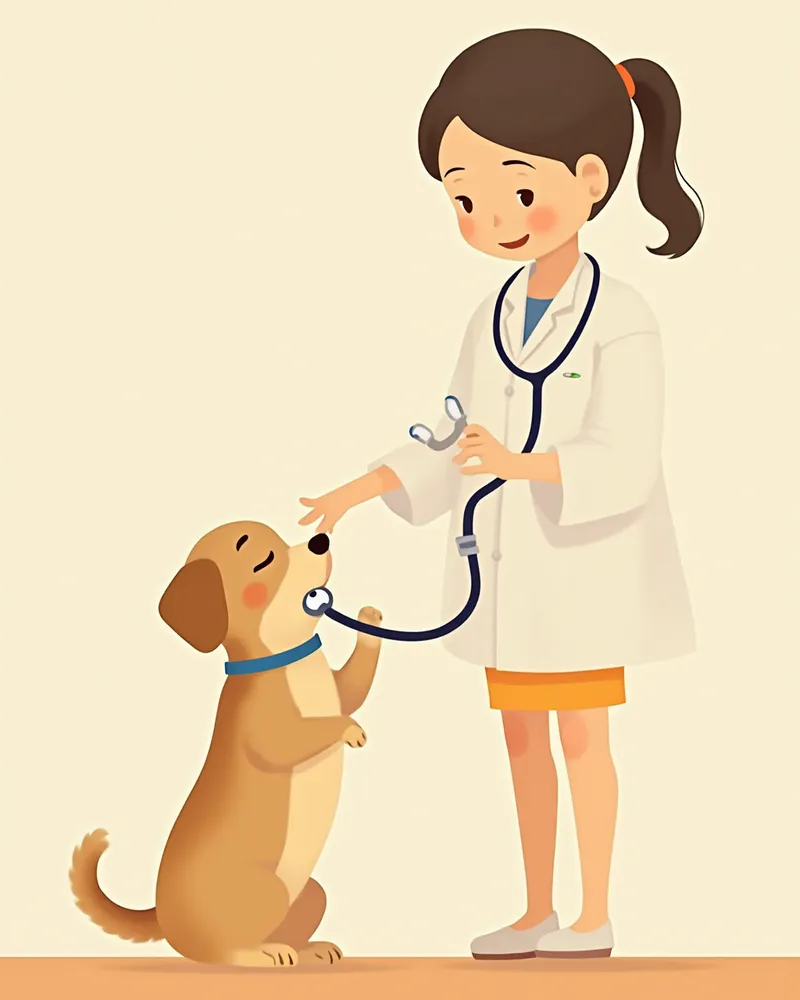
If tracheal collapse is suspected, your veterinarian will perform the following tests. Thoracic radiographs (X-rays): This is the basic test to identify the location and severity of tracheal compression. Images are taken during both inhalation and exhalation for comparison. Fluoroscopy: This allows real-time observation of tracheal movement, enabling precise assessment of how much the airway collapses during coughing. Tracheobronchoscopy: This procedure uses a camera to directly visualize the interior of the trachea. It provides the most accurate determination of the tracheal collapse grade. Blood tests may also be performed to check for concurrent conditions, such as abnormal liver values.
A veterinarian examining a small dog at the animal hospital

Treatment Options for Tracheal Collapse

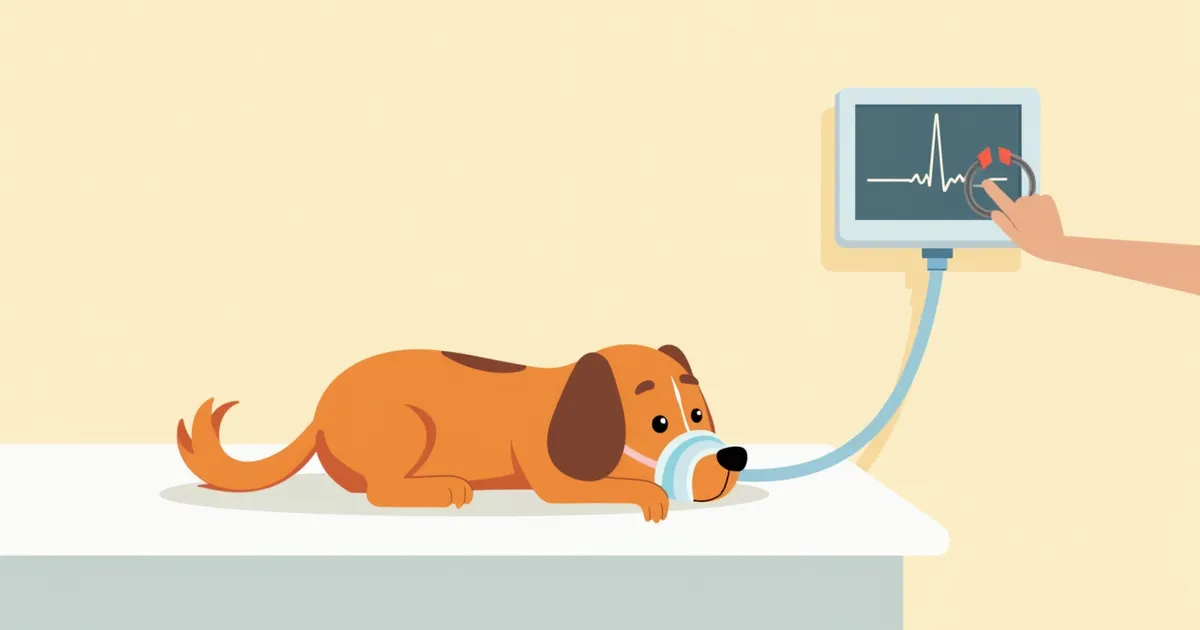
Treatment for tracheal collapse is broadly divided into medical and surgical approaches. Medical management (Grades 1–2): This involves controlling symptoms using cough suppressants (e.g., hydrocodone, butorphanol), sedatives, and anti-inflammatory medications (such as corticosteroids). Studies have shown that in up to 71% of dogs, effective symptom control can be maintained for over 12 months through medical management and lifestyle adjustments alone. Surgical intervention (Grades 3–4): Surgery is considered for severe cases that do not respond to medical management. Procedures may involve placing rings around the outside of the trachea or inserting a stent inside the trachea to keep the airway open. Your veterinarian will determine the most appropriate treatment plan by comprehensively evaluating your pet’s grade of collapse, age, and overall health status.

Home Care Management

Managing tracheal collapse at home is just as important as medical treatment.
Weight management: Excess weight is the primary factor that worsens tracheal collapse. Please consult with your veterinarian to maintain an ideal body weight.
Use a harness: Always use a chest harness instead of a collar. Pressure on the neck can immediately trigger coughing fits.
Environmental control: Avoid substances that irritate the airways, such as cigarette smoke, scented candles, and dust.
Temperature and humidity: Avoid environments that are too hot or dry, and maintain appropriate humidity levels.
Excitement control: Prevent excessive excitement or vigorous exercise, and provide a calm environment.
A small dog wearing a chest harness while walking in the park.

Check for Comorbid Conditions

Tracheal collapse can progress to tracheobronchial collapse, where both the trachea and bronchi become weakened. If your dog’s cough suddenly worsens or their breathing becomes more labored, the bronchi may also be affected, so please inform your veterinarian. Small-breed dogs with heart disease may exhibit overlapping symptoms with tracheal collapse, making regular check-ups essential to monitor both conditions.

Reviewed by a veterinarian

Dr. Tony — Punnawat Phongkittirak

Dr. Tony — Punnawat Phongkittirak

Veterinarian

A veterinarian who majored in veterinary medicine at Khon Kaen University, Thailand, and completed the IVSA program at North Carolina State University in the United States. Drawing on clinical experience at animal hospitals, he works in the pet healthcare field and is dedicated to building a digital care environment that connects pet parents with veterinarians.

Frequently Asked Questions

Can tracheal collapse be completely cured?
Tracheal collapse is a degenerative condition, so a complete cure is unlikely. However, with consistent medication, weight management, and environmental adjustments, symptoms can be effectively controlled.
Should I avoid taking my dog for walks if they have tracheal collapse?
Walking is possible, but you should avoid hot weather and strenuous exercise. Take short, slow walks during cooler times of the day, and always use a harness.
Are there any supplements that are good for tracheal collapse?
There are currently no supplements proven to directly treat tracheal collapse. The most important step is dietary management for weight control, and it’s best to consult with your veterinarian before giving any supplements.
How much does surgery for tracheal collapse cost?
Costs can vary significantly depending on the surgical technique and the veterinary clinic. Please consult with your attending veterinarian for an accurate estimate. Keep in mind that additional fees may apply for pre-operative diagnostic tests.
Is it safe to anesthetize a dog with tracheal collapse?
If your pet has tracheal collapse, extra care is needed to manage the airway during anesthesia. With an experienced veterinary team closely monitoring airway status before and after anesthesia, the procedure can be performed safely.

Share

Related Guides

References

[1] Schaer M, Gaschen F. Clinical Medicine of the Dog and Cat, 4th Edition. CRC Press.

[2] Johnson LR. Canine and Feline Respiratory Medicine, 3rd Edition. Wiley-Blackwell.

[3] Silverstein DC, Hopper K. Small Animal Critical Care Medicine, 3rd Edition. Elsevier.

This information is based on veterinary literature and does not replace diagnosis or treatment. Please consult a veterinarian for specific health concerns.

Metapet Co., Ltd. | CEO: Park Sung-yong | Business Reg. No. 417-88-02562 | Seoul, South Korea | Customer Center

Tracheal Collapse in Dogs: Symptoms & Management | Meongsiljang