

When Dog Clothes Are Truly Necessary
Dog clothes are not for fashion—they’re meant to help maintain body temperature and protect the skin. Here’s a breakdown of when they’re truly necessary and when your dog can comfortably go without them.
When Are Dog Clothes Truly Necessary?

Why Are Dogs More Susceptible to the Cold Than Humans?
Dogs That Need Clothes vs. Dogs That Don’t
| Item | Essential | Depends on the situation | Not needed |
|---|---|---|---|
| Typical examples | Small short-haired breeds such as Chihuahua, Maltese, Poodle | Medium short-haired breeds such as Welsh Corgi, Beagle | Double-coated large dogs such as Siberian Husky, Samoyed |
| Winter walks (below 5℃) | Definitely dress them | Only short walks recommended | Don't dress them |
| Rainy days | Waterproof clothing recommended | Wiping down with a towel is enough | Air dry |
| Indoor air conditioning (below 24℃) | Consider light clothing | Not necessary | Not necessary |
Even within the same breed, it varies by age, disease, and body type.
Key Situations Where Clothes Are Essential

When Clothes Can Actually Be Harmful
Medium-to-large breeds with a dense double coat, such as Huskies, Samoyeds, and Jindo dogs, already have excellent natural temperature regulation. Dressing them in thick clothing can trap heat and impede dissipation, significantly increasing the risk of heatstroke during summer. Additionally, leaving clothes on for extended periods indoors can cause moisture buildup against the skin, leading to dermatitis or fungal infections. Always remove their clothing when they sleep.
Key Points to Check When Choosing Clothes
Things to Know Before Dressing Your Dog
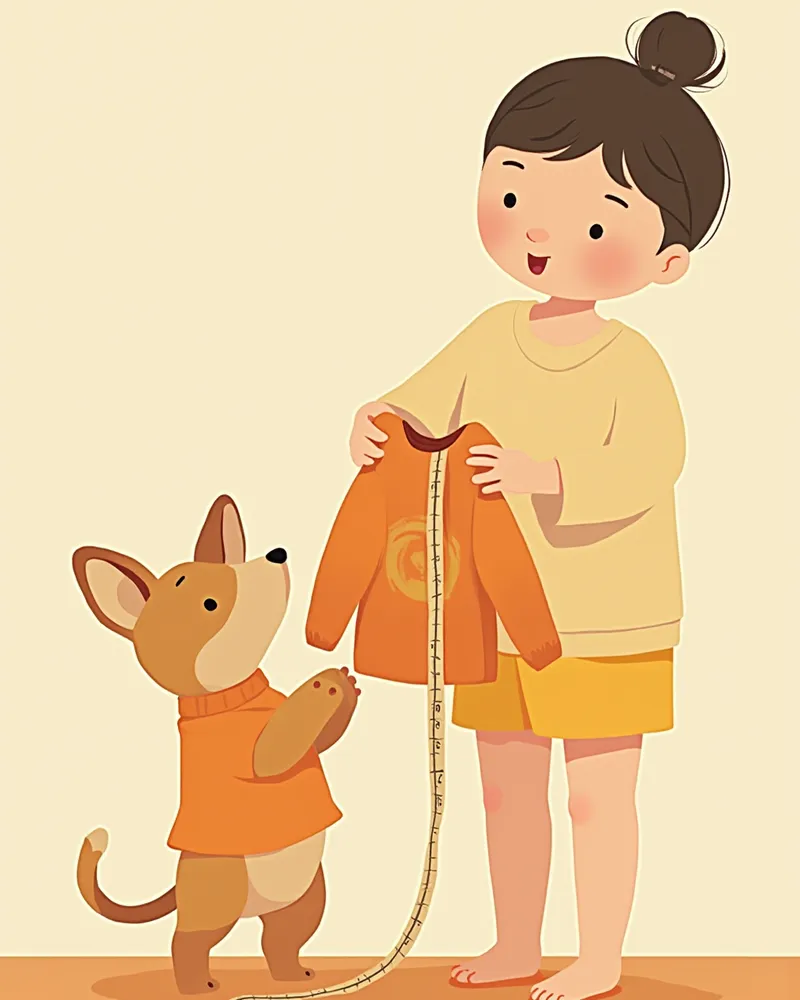
Many dogs become stressed when first introduced to clothing, often stiffening up or refusing to walk. Start with short sessions and help them get used to it through treats and praise. If you notice redness on the skin underneath the garment or an increase in scratching, it may be an allergic reaction—remove the clothing immediately and monitor your pet. Even in winter, if the indoor environment is warm, be sure to take the clothing off.
How to Use Clothes by Season
Reviewed by a veterinarian

Dr. Tony — Punnawat Phongkittirak
VeterinarianA veterinarian who majored in veterinary medicine at Khon Kaen University, Thailand, and completed the IVSA program at North Carolina State University in the United States. Drawing on clinical experience at animal hospitals, he works in the pet healthcare field and is dedicated to building a digital care environment that connects pet parents with veterinarians.
Reviewed 2026-04-21
Frequently Asked Questions
Is it okay to keep my dog wearing clothes indoors?
My dog hates wearing clothes and tenses up. Should I keep forcing them to wear them?
My dog is a double-coated large breed. Is it really true that they don’t need clothes in the winter?
Is a post-surgical recovery suit better than an Elizabethan collar?
Can I use human laundry detergent when washing my pet's clothes?
Share
Related Guides

Primary vs. Secondary Veterinary Hospitals: A Comparison

5 Easy-to-Raise Cat Breeds for First-Time Owners — Grooming Difficulty Comparison

Top 7 Short-Legged Dog Breeds

Frequently Asked Questions About Hypoglycemia in Puppies — Key Information Pet Owners Must Know
What Is Hypocalcemia in Dogs? — Warning Signs You Can’t Miss and Emergency Response

Canine Hyperglycemia FAQ — Key Information Every Pet Owner Should Know
Dog Hypercalcemia FAQ — Key Information Every Owner Must Know
Complete Guide to Monitoring Your Dog’s Blood Glucose Curve — From Methods to Interpreting Values
What Is Canine Diabetic Ketoacidosis? — Emergency Warning Signs You Must Not Miss

How to Choose Dog Food for Diabetes — What Is the Correct Feeding Method?
References
[1] Case, L.P. et al., Canine and Feline Nutrition, 3rd Ed, Chapter on Thermoregulation
[2] Miller, W.H. et al., Muller and Kirk's Small Animal Dermatology, 7th Ed, Chapter on Environmental Skin Diseases
[3] Ha, J.C. et al., Introduction to Animal Behavior and Veterinary Behavioral Medicine, Chapter 11