Like
Share
멍실장
고양이 탈수와 신장 손상 자주 묻는 질문 Q&A — 보호자가 꼭 알아야 할 핵심

Will Cat Dehydration Damage the Kidneys? — Warning Signs You Must Not Miss and Key Countermeasures

KidneyQ&AMeongsiljang Veterinary Advisory Board

Early detection is key to saving a cat’s life when it comes to dehydration and kidney damage. Here’s a summary of the symptoms, causes, and management strategies that every pet owner should know.

Early Detection of Dehydration and Kidney Damage in Cats Saves Lives
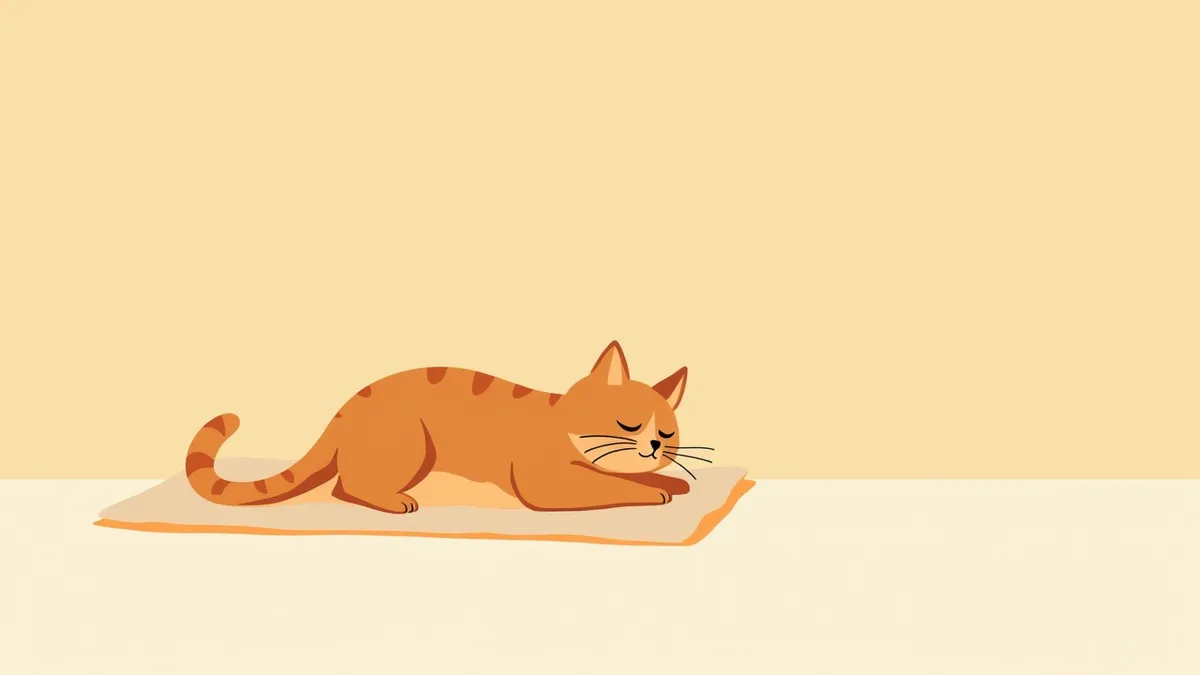
A cat in shock due to dehydration, lying weakly on the ground.
Dehydration and kidney damage in cats are dangerous conditions that pet owners often overlook. If not addressed properly in the early stages, kidney function can be permanently impaired. Since these issues are particularly common in senior cats, daily observation is crucial. Dehydration places significant stress on the kidneys, which can worsen kidney damage. This is an emergency situation requiring immediate action, so it is essential to familiarize yourself with the symptoms and appropriate responses in advance.

Why Are Cats Vulnerable to Dehydration and Kidney Damage?
Cats naturally produce highly concentrated urine, meaning their fluid balance is tightly regulated. In modern living conditions and with contemporary diets, this makes them particularly susceptible to dehydration. Cats fed primarily dry food, which has low moisture content, are especially prone to insufficient water intake. Dehydration reduces blood flow and perfusion to the kidneys, placing undue stress on these organs. If this state persists, the kidneys’ ability to adequately concentrate urine diminishes, potentially leading to chronic kidney disease. Additionally, as cats age, their kidney function gradually declines, making them even more vulnerable to dehydration and kidney damage. Therefore, it is essential to consistently ensure your cat receives adequate water and fluid intake.
A cat drinking from a water fountain, with dry food nearby.

5 Main Symptoms of Dehydration and Kidney Damage

To avoid missing the early signs of dehydration and kidney damage in cats, it’s important to be aware of the following:
Excessive thirst: Drinking water frequently throughout the day or a sudden increase in water intake.
Frequent urination and increased urine volume: Visiting the litter box more often or producing significantly larger amounts of urine.
Loss of appetite: Refusing treats or eating very little even when food is offered.
Lethargy: Remaining in one spot all day or showing little to no movement.
Dry lips and reduced tear production: Lips that feel dry, eyes that appear dull, and noticeably less tearing.
If any of these symptoms persist for more than two days, immediate veterinary care is necessary.
A cat with dry lips and dull eyes

Emergency Signs Requiring Immediate Veterinary Visit

If your cat hasn’t drunk water for more than 24 hours, is repeatedly vomiting, and appears lethargic, you should take them to a veterinarian immediately. These are signs of severe dehydration and potential kidney damage. A vet will need to administer intravenous fluids to rehydrate your cat and provide treatment to restore kidney function. The longer you wait, the lower the chances of recovery.

Comparison of Symptoms and Countermeasures by Degree of Dehydration

ItemMain symptomsEmergency responseWhether to visit the hospital
Mild (3–5%)Slightly dry lips, slightly dulled brightness in the eyesGive water, switch to canned foodConsult a veterinarian if needed
Moderate (6–9%)Dry lips, eyes lacking brightness, lethargyImmediately replenish fluids, prepare to visit the hospitalImmediate hospital visit is essential
Severe (10% or more)Very dry lips, drowsiness, vomiting, difficulty breathingIntravenous fluids needed, begin emergency treatmentVisit the emergency room immediately

The degree of dehydration is assessed by the ratio of fluid loss to body weight. The veterinarian makes the accurate assessment.

Initial Countermeasures You Can Take at Home
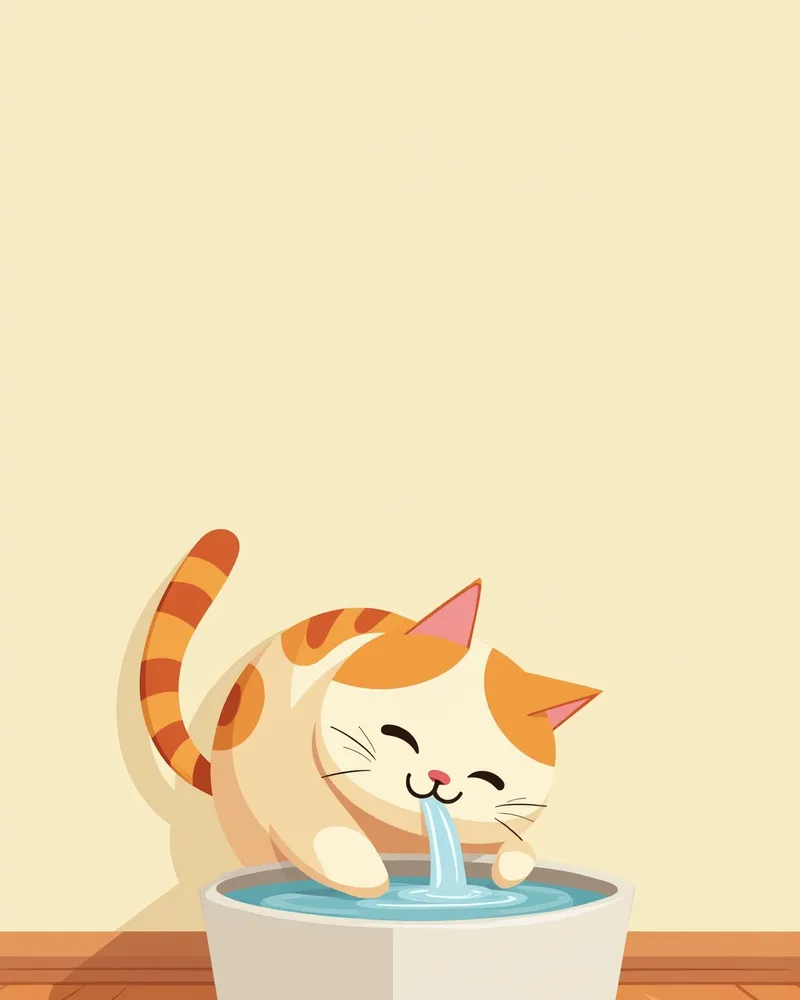
If you suspect your cat is dehydrated, start by offering water frequently and switching to canned food to increase fluid intake. If your cat refuses to drink, try chilling a small amount of water in the refrigerator and serving it in a small cup. Installing a water fountain can also help, as many cats are attracted to running water. However, if symptoms persist or worsen, home care alone is insufficient, so the safest course of action is to seek veterinary attention.
Cats drinking from a water fountain, enjoying the flowing water

5 Daily Management Tips for Prevention
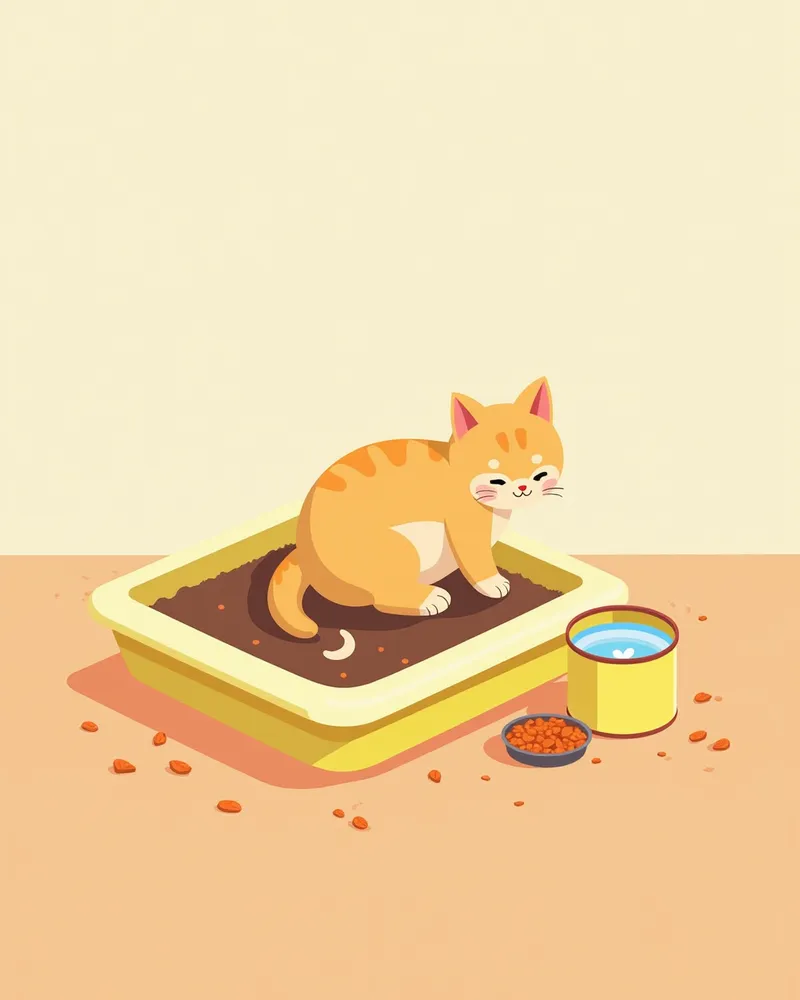
There are several essential habits to help protect your cat’s kidney health.
Prioritize wet food: Canned food contains more moisture than dry kibble.
Install a water fountain: Cats are often attracted to running water, which can encourage them to drink more.
Refresh water bowls frequently: To prevent contamination, change the water at least twice a day.
Clean the litter box regularly: A dirty litter box may cause your cat to avoid using it.
Schedule regular health check-ups: Cats aged seven and older should have blood and urine tests every six months.
These habits play a significant role in preventing kidney damage.
A cat room equipped with a clean litter box, a water fountain, and canned food.

Points to Note for Senior Cats

As cats age, their risk of declining kidney function increases. Cats are generally considered senior between 11 and 14 years of age, and geriatric at 15 years and older, with chronic kidney disease commonly diagnosed in cats during these life stages. Chronic kidney disease often occurs alongside hypertension in older cats, requiring more attentive care. Early detection is possible through regular check-ups, including repeated creatinine and SDMA tests, so it is important to plan health management with your veterinarian. When dehydration and kidney damage are detected early, treatment and management can help maintain a better quality of life for longer.

Reviewed by a veterinarian

Dr. Tony — Punnawat Phongkittirak

Dr. Tony — Punnawat Phongkittirak

Veterinarian

A veterinarian who majored in veterinary medicine at Khon Kaen University, Thailand, and completed the IVSA program at North Carolina State University in the United States. Drawing on clinical experience at animal hospitals, he works in the pet healthcare field and is dedicated to building a digital care environment that connects pet parents with veterinarians.

Frequently Asked Questions

Is it okay if my cat doesn’t drink much water?
No. Cats instinctively drink very little water. However, prolonged lack of water intake significantly increases the risk of dehydration and kidney damage. It is essential to provide fresh water frequently and increase their fluid intake by feeding wet food.
Is feeding only canned food good for kidney health?
Yes, wet food has a higher moisture content, which supports kidney health. Switching to wet food is especially important for cats that only eat dry kibble. However, if your cat has a medical condition, please follow your veterinarian’s advice.
How can I prevent dehydration?
To encourage hydration, consider installing a water fountain, frequently refreshing the water bowl, offering wet food, and maintaining consistent litter box hygiene. Additionally, regular veterinary check-ups can help detect health issues early in cats aged seven and older.
My cat is vomiting and seems lethargic. Should I take them to the vet?
Yes, vomiting and lethargy can be signs of severe dehydration or kidney damage. If these symptoms persist for more than 24 hours, it's important to visit the vet immediately. The veterinarian can provide fluids through an IV and begin treatment.
Can kidney disease be cured?
While chronic kidney disease is difficult to cure, early detection and proper management can help maintain your pet’s quality of life for years. Working closely with your veterinarian to combine dietary adjustments with medication can lead to positive outcomes.

Share

Related Guides

References

[1] Langston, C.E. et al. (2023) Small Animal Critical Care Medicine, 3rd Edition. Elsevier.

[2] The Cat, Clinical Medicine and Management, 2nd Edition (2022). Elsevier.

[3] Veterinary Workbook of Small Animal Clinical Cases (2021). Wiley-Blackwell.

This information is based on veterinary literature and does not replace diagnosis or treatment. Please consult a veterinarian for specific health concerns.

Metapet Co., Ltd. | CEO: Park Sung-yong | Business Reg. No. 417-88-02562 | Seoul, South Korea | Customer Center

Will Cat Dehydration Harm the Kidneys? Warning Signs & Key Steps | Meongsiljang