
Late-Stage Feline Chronic Kidney Disease: Preserving Quality of Life — Palliative Care Q&A
For cats with chronic kidney disease (CKD), maintaining quality of life is more important than curative treatment. Here’s a summary of palliative care and management strategies that pet owners should know.
What Is Quality-of-Life and Palliative Care for Feline CKD?

Why Is Quality-of-Life-Focused Care Important?
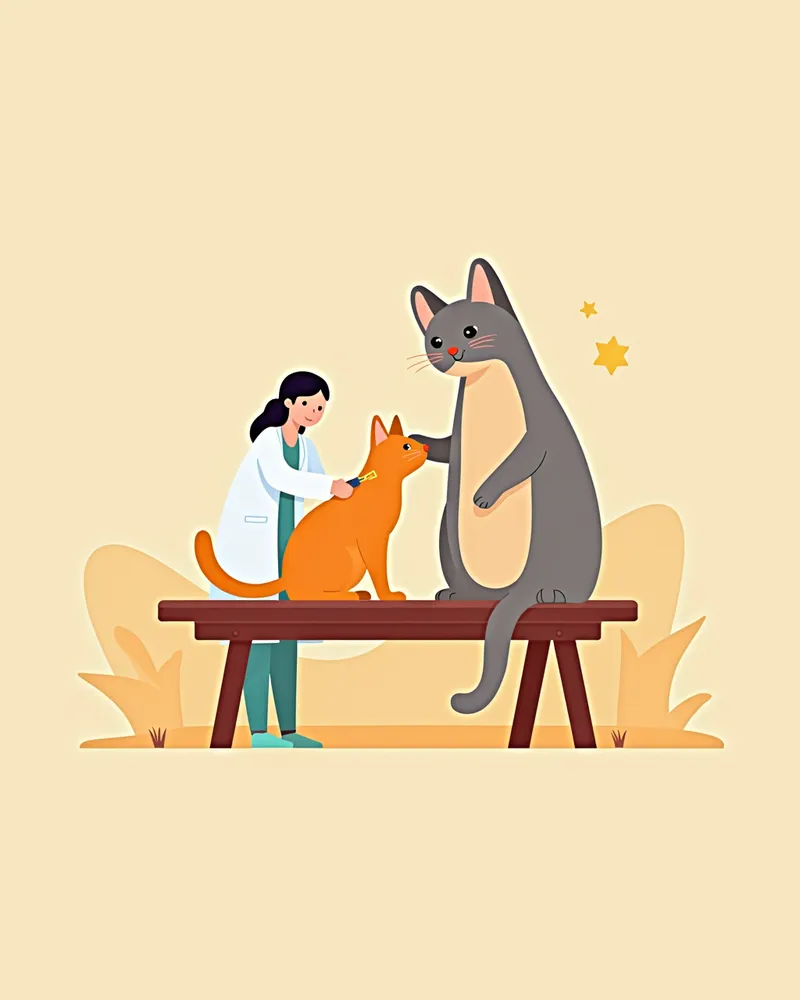
What Are the Key Elements of Palliative Care?

Comparison of Quality-of-Life Management Strategies by CKD Stage
| Item | Main symptoms | Key management strategy |
|---|---|---|
| Stage 1 (mild) | Asymptomatic or mild symptoms | Introduce a renal prescription diet, increase water intake |
| Stage 2 (moderate) | Reduced appetite, weight loss | Renal prescription diet with protein and phosphorus restriction, fluid supplementation, medication management |
| Stage 3 (severe) | Vomiting, dehydration, lethargy | Regular check-ups, blood and urine tests, fluid therapy (subcutaneous/intravenous), phosphate binders and pain management |
Stage-specific tailored management is key to improving quality of life. A renal prescription diet is recommended to limit protein and phosphorus without being excessive.
How Should Dietary Management Be Handled?
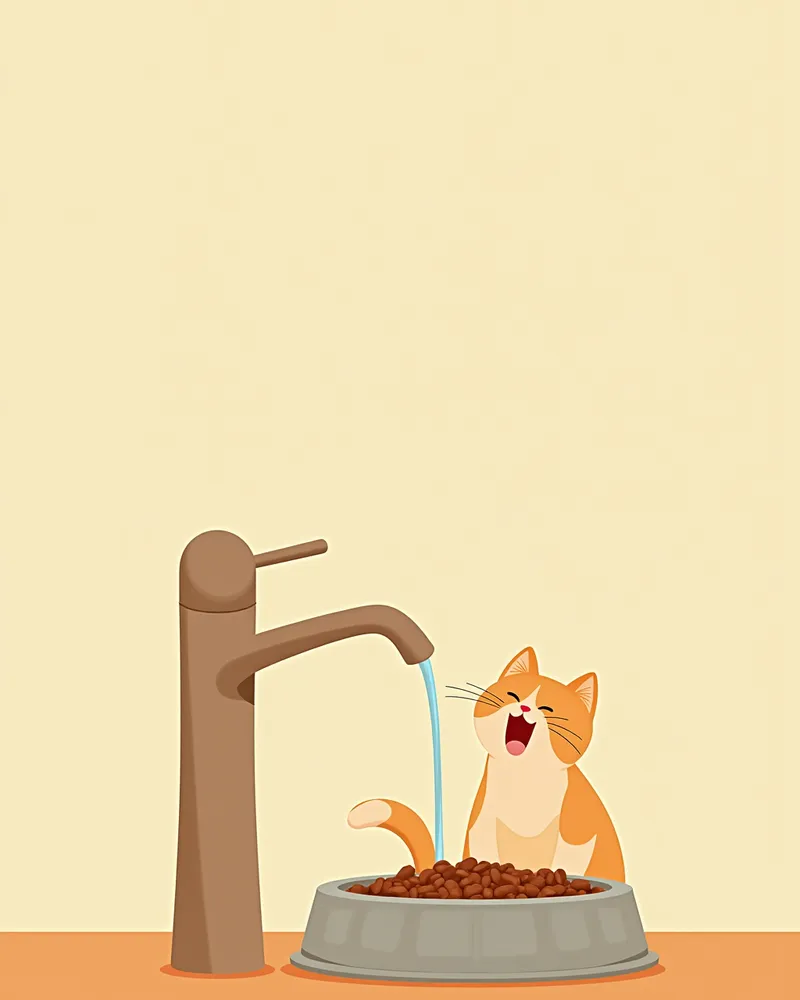
Sudden Loss of Appetite Requires Immediate Veterinary Visit
If your cat doesn’t eat for more than a day or experiences repeated vomiting, dehydration and toxicity can progress rapidly. This can be life-threatening, so it’s important to consult a veterinarian immediately.
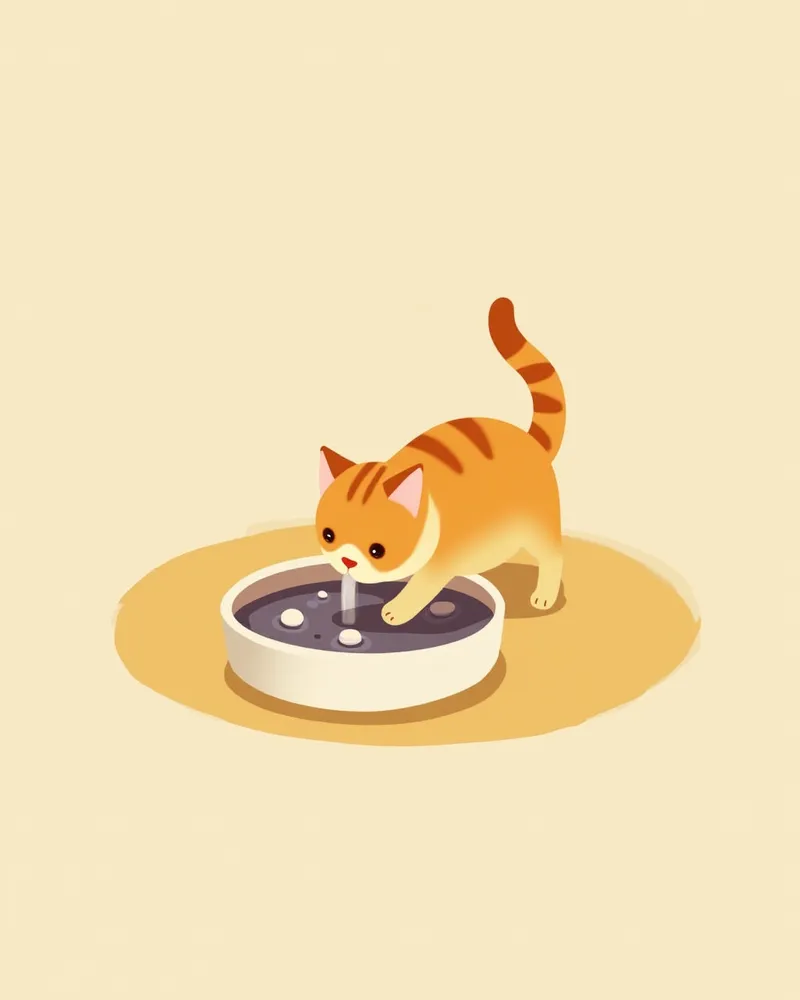
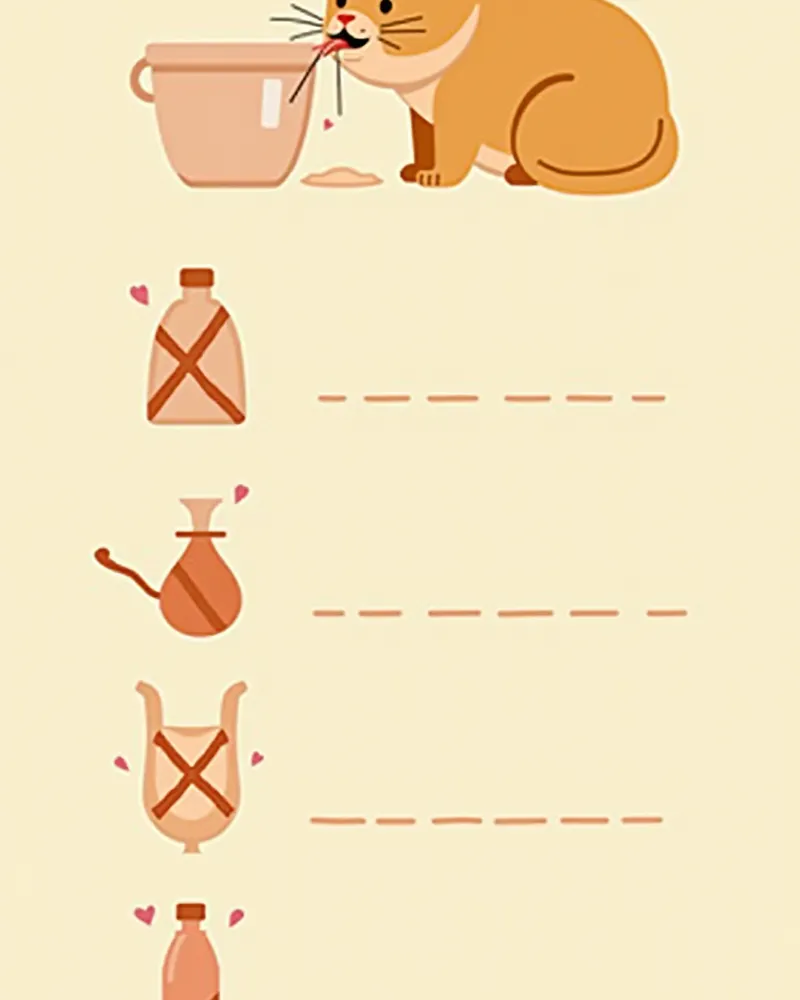
How to Support Water Intake?
5 Signs Owners Must Check
Reviewed by a veterinarian

Dr. Tony — Punnawat Phongkittirak
VeterinarianA veterinarian who majored in veterinary medicine at Khon Kaen University, Thailand, and completed the IVSA program at North Carolina State University in the United States. Drawing on clinical experience at animal hospitals, he works in the pet healthcare field and is dedicated to building a digital care environment that connects pet parents with veterinarians.
Reviewed 2026-06-05
Frequently Asked Questions
Is feline chronic kidney disease (CKD) curable?
How should I administer the medication at home?
What should I do if my cat refuses to eat canned food?
How often should regular check-ups be performed?
What should I do if my cat becomes lethargic?
Share
Related Guides
Top 5 Prescription Diets for Cats with Chronic Kidney Disease — Stage-Specific Protein Adjustment

7 Emergency Signs and Causes of Acute Kidney Failure in Dogs You Must Not Miss

Top 5 Cat Kidney Supplements Recommended for 2026

Did Your Dog Drink Alcohol? — Signs of Alcohol Poisoning and When to Go to the Vet

When to Let Go of Our Dog with End-Stage Cancer — Hospice Care and the Euthanasia Decision

End-Stage Kidney Failure in Cats — Symptoms and Euthanasia Decision Guide

Tick-Borne Disease Checklist — What to Check After Your Dog’s Walk

Cats and Essential Oil Diffusers — Why Inhalation Alone Causes Liver Damage

Guide to English Abbreviations for Diagnoses

Why Do Dogs and Cats Self-Harm, and How Can You Stop It?
References
[1] The Cat, Clinical Medicine and Management, 2nd Edition. Elsevier, 2021.
[2] Applied Veterinary Clinical Nutrition, 2nd Ed. Wiley-Blackwell, 2020.
[3] Small Animal Critical Care Medicine, 3rd Ed. Elsevier, 2022.