
What Does Cat Head Bumping Mean? Is It a Sign of Affection?
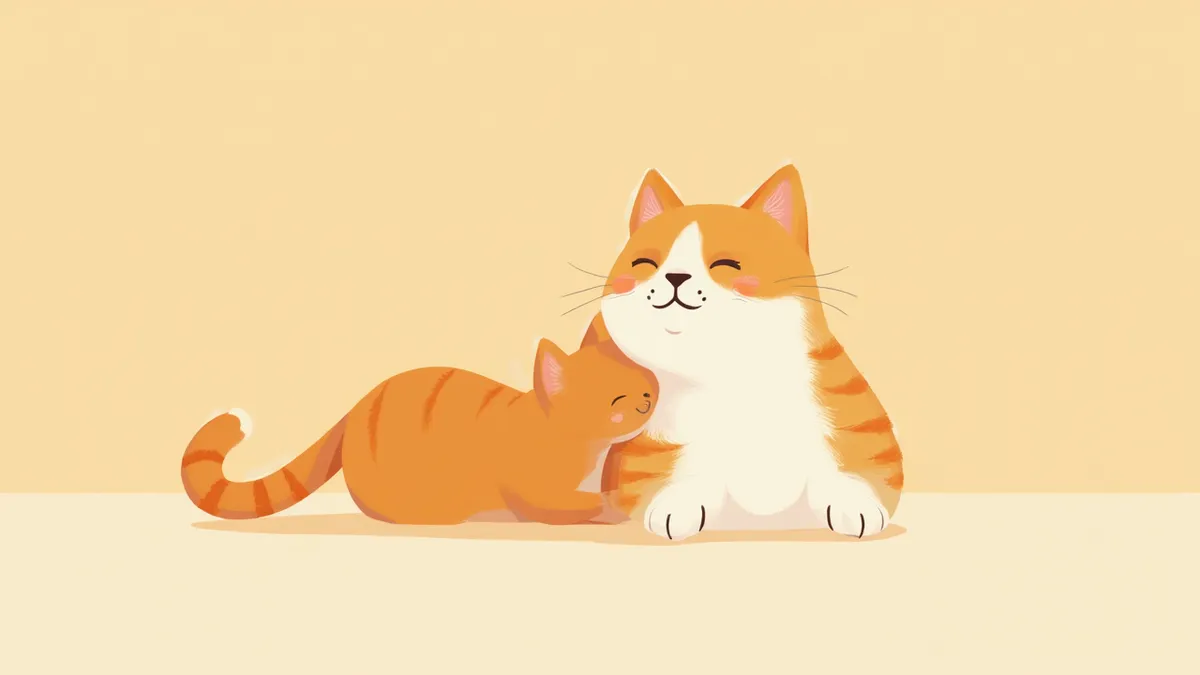
When a cat presses its head against you, it’s usually a sign of affection or territory marking. However, if your cat is persistently pressing its head against a wall or other objects, this could be a sign of a neurological issue, so it’s important to distinguish between the two.
What Is Cat Head Bumping?
Why Do Cats Head Bump?
Head Bumping vs. Head Pressing: How They Differ
Comparing Normal Bunting and Warning Signs
| Item | Head bump (normal rubbing) | Head pressing (warning sign) |
|---|---|---|
| Posture | Tail up, gently rubbing cheek and forehead | Pressing head hard against a wall or furniture and not moving |
| Gaze & expression | Relaxed, half-closed eyes | Blank or unfocused eyes |
| Responsiveness | Responds immediately when called | Dull response even when called |
| Accompanying symptoms | None (healthy state) | Circling, seizures (convulsions), reduced vision, reduced appetite, altered mental status |
| Duration | A few seconds to a brief interaction | Lasting several minutes to tens of minutes |
| Meaning | Affection & territorial marking | Possible central nervous system abnormality, such as in the forebrain |
Go to the Vet Immediately If You See These Signs
If your cat presses its head against a wall corner or furniture and remains still, head pressing is suspected. This is especially concerning if accompanied by circling gait, abnormal eye focus or vision loss, seizures, unusual vocalizations, a sudden drop in appetite, or a dull, confused mental state, as these may indicate central nervous system disorders such as forebrain disease. Veterinary emergency and critical care textbooks describe circling, seizures, cortical blindness, and changes in behavior and mental status as hallmark signs of forebrain disease, and note that hypertensive encephalopathy can cause abnormal mental status, blindness, and difficulty standing. If you observe these neurological signs, do not wait 24 hours; immediately take your cat to a 24-hour veterinary hospital for a thorough neurological evaluation.
If Bumping Becomes Unusually Intense? Check for Signs of Concern

How to Respond Correctly to Head Bumping
Feline Neurological Disorders: Pay Extra Attention to These Breeds
Cats can be affected by a variety of neurological disorders, and certain hereditary neurological conditions have been reported in specific breeds. Textbooks list examples of feline hereditary neurological diseases that are inherited in an autosomal recessive pattern, such as congenital myasthenic syndrome in Devon Rex and Sphynx cats, craniofacial defects in Burmese cats, and gangliosidosis in Korat and Burmese cats. Therefore, if a cat of one of these breeds or with a family history of neurological disease exhibits neurological signs such as head pressing, more proactive diagnostic testing is necessary. Additionally, hypertensive encephalopathy can cause abnormal mental status, blindness, and difficulty standing; thus, if you observe rubbing or changes in mental state in an older cat, it is advisable to monitor them more closely than usual and have them undergo a veterinary examination that includes blood pressure measurement.
Reviewed by a veterinarian

Dr. Tony — Punnawat Phongkittirak
VeterinarianA veterinarian who majored in veterinary medicine at Khon Kaen University, Thailand, and completed the IVSA program at North Carolina State University in the United States. Drawing on clinical experience at animal hospitals, he works in the pet healthcare field and is dedicated to building a digital care environment that connects pet parents with veterinarians.
Reviewed 2026-04-23
Frequently Asked Questions
Why does my cat come over and head-bump me while I’m sleeping?
My dog suddenly stopped head-bumping. Is that okay?
Is my cat head-banging or head-bunting? Could it be head pressing?
My young cat doesn’t head-bump me. Does that mean he’s not affectionate?
Besides head bumps, what are some other ways cats show affection?
Share
Related Guides

7 Behavioral Enrichment Strategies for Mental Stimulation Recommended by Veterinarians

Top 5 Calming Supplements for Dogs and Cats in 2026

L-Theanine Effects and Calming Support
How to Care for the Surgical Incision Site: A Complete Guide to Infection Signs and Responses
Pet Blood Pressure Measurement and Normal Values
The Complete Guide to Intravenous Catheter Procedures and Home Care
Is Your Dog Experiencing Her First Heat? — Signs of Estrus and When to Visit the Vet
When Is a Cesarean Section Necessary for Puppies? — Key Indications and Recovery Essentials
Postpartum Queen Care (3 Weeks)
Postpartum Mother Dog Care (3 Weeks)
References
[1] Ettinger, S.J., Feldman, E.C., Cote, E. Textbook of Veterinary Internal Medicine, 8th Ed — Chapter on Neurologic Examination
[2] Bradshaw, J.W.S. Cat Sense: How the New Feline Science Can Make You a Better Friend to Your Pet, 2013
[3] Platt, S.R., Olby, N.J. BSAVA Manual of Canine and Feline Neurology, 4th Ed