

When to Start Weaning Puppies and Kittens
We begin introducing puppy and kitten weaning food at 3 to 4 weeks of age. We’ll share evidence-based veterinary guidance on how to feed them at each stage, along with important precautions.
What is Weaning Food? When Should You Start?

Why Start at This Stage?
Comparison of Weaning Timings for Puppies and Kittens
| Item | Dog | Cat |
|---|---|---|
| Weeks 3–4 | Mostly mother's milk (weaning food not started) | Start weaning food (porridge form) |
| Weeks 5–6 | Start weaning food (porridge form), 3–4 times a day | Porridge+kibble mix, 3–4 times a day |
| Weeks 6–7 | Transition mainly to water-softened kibble | Softened kibble+wet food mix |
| Weeks 7–10 or more | Fully weaned, dry kibble possible | Fully weaned, mostly wet food |
Adjustment of 1–2 weeks is possible depending on the condition of the mother and offspring
How to Prepare Weaning Food and Key Checkpoints

Signs to Stop Feeding Immediately and Visit a Veterinary Clinic During Weaning
If you notice any of the symptoms below while introducing solid food, stop feeding immediately and visit a veterinary clinic. Neonatal and weaning puppies and kittens are highly vulnerable to dehydration and hypoglycemia, so symptoms can worsen rapidly. If you observe any of the following signs, seek veterinary care without delay. - Diarrhea or vomiting lasting more than a day - Complete refusal to eat and lethargy - Cold body temperature and reluctance to nurse - Coughing or regurgitation of food through the nose
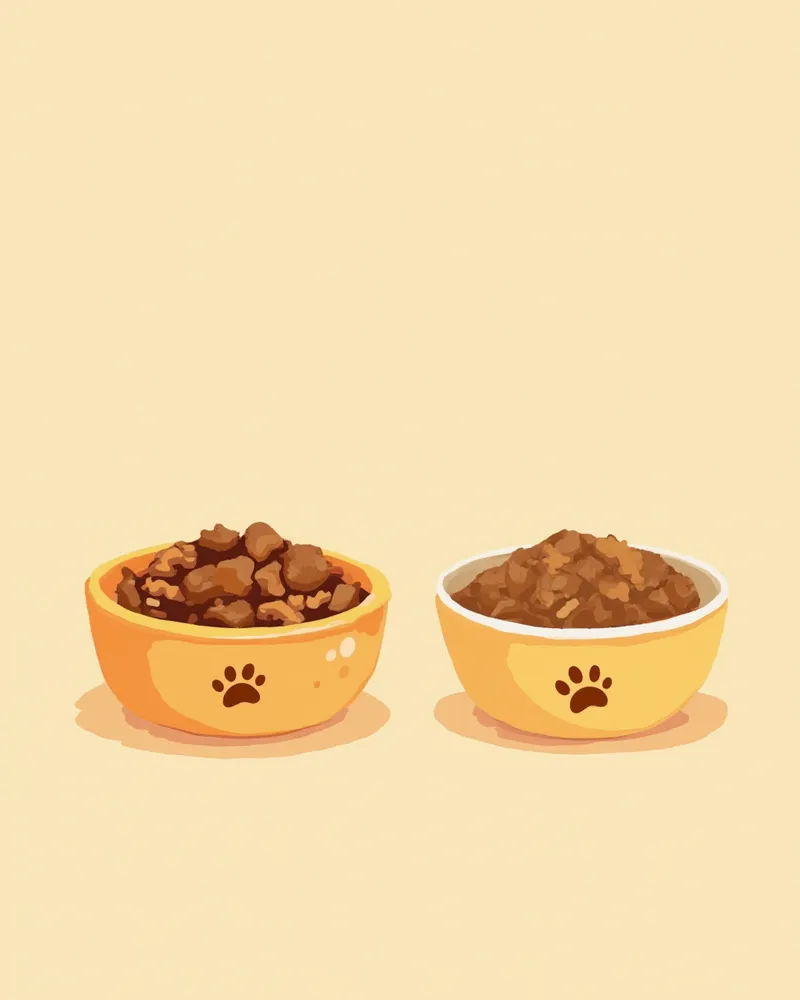
Differences Between Puppy and Kitten Weaning Food
Completion of Weaning and Transition Methods
Foods Absolutely Prohibited During Weaning
Regular milk contains high levels of lactose and can cause diarrhea, so never give it to your pet. Human foods (including soy sauce, salt, and sugar), raw meat, honey, and raw eggs are also prohibited. This is especially important for young puppies and kittens, as they are at risk of bacterial contamination from raw meat or raw eggs; therefore, all weaning food ingredients must be heat-treated. Please use only food specifically formulated for puppies and kittens or products approved by your veterinarian.
Reviewed by a veterinarian

Dr. Tony — Punnawat Phongkittirak
VeterinarianA veterinarian who majored in veterinary medicine at Khon Kaen University, Thailand, and completed the IVSA program at North Carolina State University in the United States. Drawing on clinical experience at animal hospitals, he works in the pet healthcare field and is dedicated to building a digital care environment that connects pet parents with veterinarians.
Reviewed 2026-04-26
Frequently Asked Questions
When should orphaned puppies start transitioning to solid food?
How should I give water during the weaning period?
My puppy refuses to eat solid food. What should I do?
Should I give my puppy additional supplements during the weaning period?
Can I mix canned tuna into my kitten’s weaning food?
Share
Related Guides

Primary vs. Secondary Veterinary Hospitals: A Comparison

5 Easy-to-Raise Cat Breeds for First-Time Owners — Grooming Difficulty Comparison

Top 7 Short-Legged Dog Breeds
Essential Pet Emergency Kit for Vehicle Travel: What Should You Prepare?
Pet Outdoor Emergency Kit: What to Pack — A Complete Guide to Essential Components and Preparation

When to Welcome a New Family Member After Losing a Pet — Signs You’re Emotionally Ready

After Saying Goodbye to a Companion — Do Surviving Pets Feel Grief Too?

How to Choose Cat Puzzle Toys — Which One Is Right for Stimulating Your Cat’s Brain?

Can I Send My Dog to a Pet Hotel? — When and How to Start Manners Training

How to Start Cafe Manners Training for Your Dog — Step-by-Step Methods to Stop Barking and Distraction
References
[1] National Research Council, Nutrient Requirements of Dogs and Cats, 2006
[2] Applied Veterinary Clinical Nutrition, 2nd Edition, Wiley-Blackwell
[3] Handbook of Veterinary Pharmacology, Appetite Stimulants Chapter