Like
Share
멍실장
강아지 암컷 중성화 수술 과정과 회복 관리

Spaying Female Dogs: Surgical Process and Recovery Care

ImmunityQ&AMeongsiljang Veterinary Advisory Board

Spaying for female dogs is an ovariohysterectomy, a procedure that removes the ovaries and uterus. Based on veterinary textbooks, we’ve compiled essential information for pet owners, covering everything from pre-surgical preparation to post-operative care.

What is the process for spaying a female dog?
A female puppy sitting on the examination table at the animal hospital
Spaying (ovariohysterectomy) for female dogs is a surgical procedure that removes the ovaries and uterus to prevent pyometra and mammary tumors. The duration of the surgery and the recovery period can vary depending on your dog’s health condition and size, so it’s a good idea to check with your veterinarian beforehand. Since this is one of the most commonly performed basic surgeries in veterinary practice, there’s usually no need for major concern if your dog is healthy. I’ll walk you through everything you need to know, from pre-surgical preparations to post-operative care.

What is spaying for female dogs?

The formal medical term for spaying female pets is ovariohysterectomy. As the name suggests, it’s a surgery that removes both the ovaries and the uterus. Strictly speaking, "spay" refers to ovariectomy, which involves removing only the ovaries. When both the ovaries and the uterus are removed up to the level of the cervix, it's called an ovariohysterectomy. In Korea, the standard practice is to remove both the ovaries and the uterus. Removing the uterus helps prevent uterine diseases such as pyometra, a condition where pus accumulates in the uterus. According to veterinary surgery textbooks, this procedure is the most common indication for elective sterilization. It’s also performed to treat conditions like ovarian cysts, pyometra, and uterine torsion. If you're curious about the pros and cons of spaying, check out Spaying Surgery: Pros and Cons.

When is the best time for surgery?

The health benefits of surgery vary depending on the timing. While surgery before the first heat cycle is generally recommended, the optimal timing may differ based on breed and individual health status.
TimingCharacteristicsNotes
Before the first heatMaximizes prevention of mammary tumorsRecommended timing per veterinary textbooks
After the first heatPreventive effect decreases, but surgery is still possibleRecommended during the resting phase (anestrus) after heat ends
Large breedsOptimal timing varies by size and breedConsultation with your veterinarian is essential
Since the ideal timing differs between small and large breeds, please consult your veterinarian to determine the best time for your pet.

Prepare for surgery like this

Fasting before surgery: To prevent aspiration from vomiting during general anesthesia, your pet should fast for 8–12 hours before the procedure. According to veterinary textbooks, water is often allowed up to 1–2 hours before surgery, but please follow the specific guidelines provided by your clinic.
Pre-operative testing: Blood tests—including packed cell volume (PCV), total protein (TP), blood glucose, complete blood count (CBC), and a biochemistry panel—are performed to ensure your pet is fit for anesthesia. Older dogs or those with underlying conditions may require more thorough testing.
What to bring on the day of surgery: Please prepare the signed surgical consent form and an emergency contact number for the owner. While Elizabethan collars (e-collars) are often provided by the clinic for post-operative use, it’s a good idea to confirm this in advance.
Pre-surgery preparation checklist for your dog

Be sure to check these before surgery

During estrus, estrogen causes increased blood flow to the reproductive and mammary tissues and weakens the uterine tissue, making it prone to tearing when manipulated with surgical instruments and thereby raising the risk of intraoperative bleeding. Therefore, spaying is typically performed during the anestrus (resting) phase after estrus has ended for safety. Additionally, if your puppy has not completed its vaccinations, please review the vaccination schedule first. A preoperative health assessment must always be conducted together with your attending veterinarian.

Here is how the actual surgery is performed
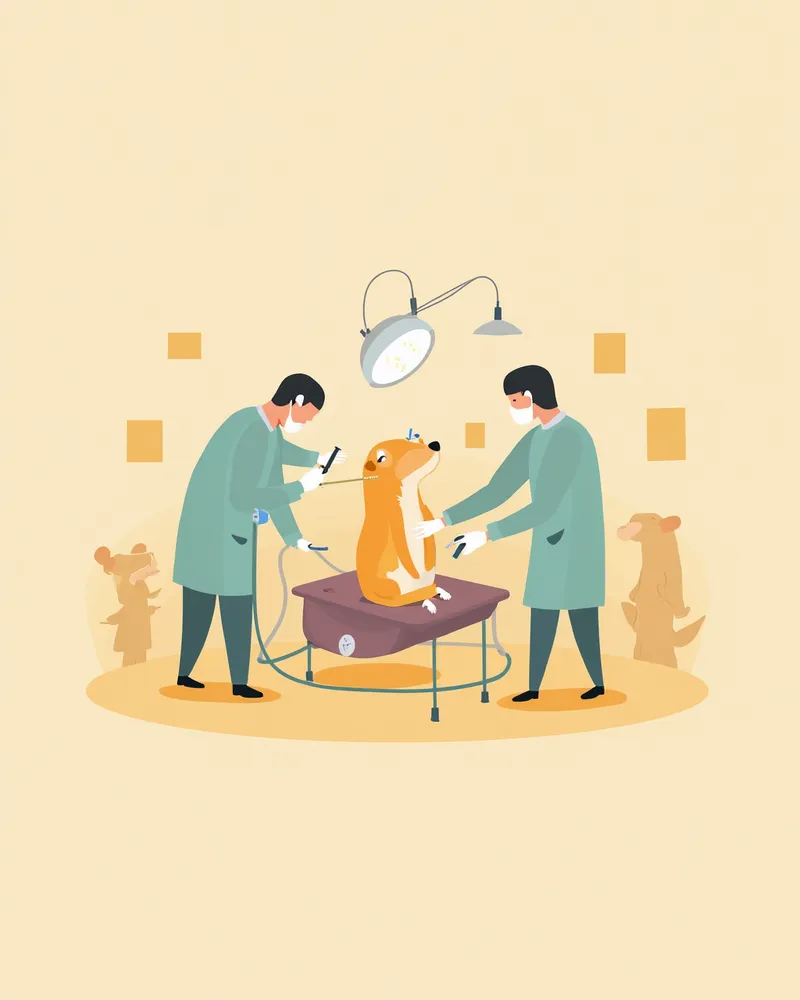
Step 1 — Anesthesia and Preparation: After administering general anesthesia, the hair around the surgical site is shaved and the area is disinfected.
Step 2 — Incision: An incision is made along the midline of the abdomen, just below the navel. The length of the incision varies depending on the dog’s size and the surgical technique used, and your veterinarian will determine the appropriate length.
Step 3 — Removal of Ovaries and Uterus: The blood vessels supplying the ovaries and uterus are ligated (tied off), and then the ovaries and uterus are removed.
Step 4 — Suturing: The abdominal wall, subcutaneous tissue, and skin are sutured in that order. If absorbable sutures are used, stitch removal may not be necessary.
Surgery time varies depending on the dog’s health status and body size, so please confirm the expected duration with your veterinarian in advance.
An illustration depicting the surgical procedure performed by a veterinary surgeon.

Post-operative recovery care methods

Recovery Period: Intensive care is essential while the surgical incision heals. Proper management during this time directly impacts the speed of recovery.
E-Collar Use: Licking or biting the surgical site can lead to infection or suture dehiscence. Please ensure your pet wears the e-collar at all times, even if it seems uncomfortable.
Activity Restriction: Avoid running, jumping, and climbing stairs. Limit exercise to short walks on flat ground only.
Monitoring the Surgical Site: Check the incision daily for excessive swelling, discharge, or odor. Contact your veterinarian immediately if you notice any abnormalities.
Dietary Management: Follow your veterinarian’s instructions for feeding on the day of anesthesia and immediately after surgery. Gradually return to your pet’s normal food intake thereafter.
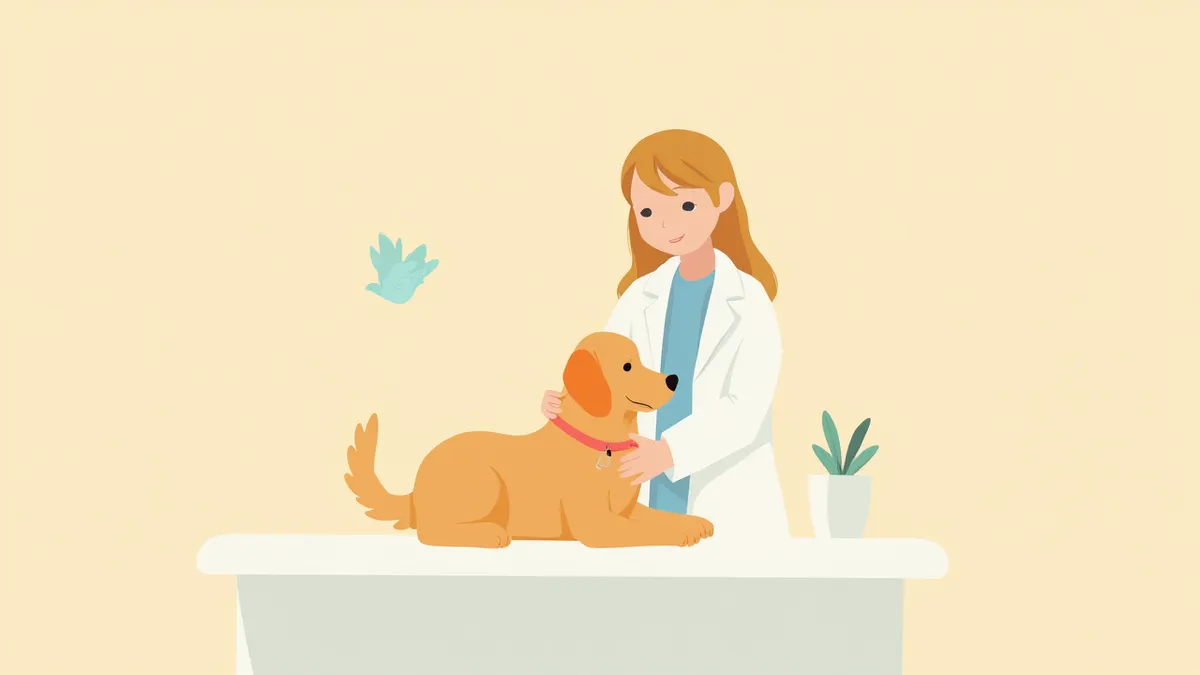
A dog wearing a neck collar, resting comfortably.

Weight management is important after surgery

After neutering, hormonal changes reduce your pet’s basal metabolic rate. According to veterinary textbooks, even if you feed the same amount as before surgery, your pet will be in a state where weight gain is more likely. Since obesity can increase the risk of various health issues, please consult your veterinarian after surgery to appropriately adjust the feeding amount and regularly monitor your pet’s weight.

Health benefits of spaying

Spaying is more than just a sterilization procedure; it also helps prevent a variety of health conditions.
Prevention of mammary tumors: Performing the surgery before the first heat cycle significantly reduces the risk of mammary tumors. The preventive benefit decreases with each subsequent heat cycle.
Prevention of pyometra: Since the uterus is removed, pyometra—a life-threatening condition in which the uterus fills with pus—cannot occur.
Prevention of ovarian diseases: The procedure eliminates the risk of ovarian cysts and ovarian tumors.
Behavioral stability: Spaying prevents heat-related bleeding, anxiety behaviors, and unwanted pregnancies.
If you’d like to learn more about the costs, please refer to our Spaying Cost Guide.

Reviewed by a veterinarian

Dr. Tony — Punnawat Phongkittirak

Dr. Tony — Punnawat Phongkittirak

Veterinarian

A veterinarian who majored in veterinary medicine at Khon Kaen University, Thailand, and completed the IVSA program at North Carolina State University in the United States. Drawing on clinical experience at animal hospitals, he works in the pet healthcare field and is dedicated to building a digital care environment that connects pet parents with veterinarians.

Frequently Asked Questions

How much does spaying a female dog cost?
Costs vary by clinic and also depend on your dog’s weight and overall health. Since pre-surgical testing may incur additional fees, we recommend contacting the clinic beforehand to get a complete cost estimate.
Does a pet’s personality change after neutering?
Their core personality doesn’t change significantly. However, as the anxiety and irritability associated with heat cycles decrease, they often become calmer overall.
Can older dogs also be spayed or neutered?
Yes, it’s possible. However, since senior dogs are at a higher risk for anesthesia, we conduct more thorough pre-anesthetic testing. The veterinarian will make a comprehensive assessment of your dog’s health before deciding whether surgery is appropriate.
Is laparoscopic surgery better than traditional open surgery?
Laparoscopic surgery has the advantage of a quicker recovery due to smaller incision sites. However, not all veterinary clinics offer this procedure, and costs may vary. Please consult with your veterinarian to choose the best approach for your pet.
When should the sutures be removed after surgery?
Sutures are removed based on the healing progress of the incision site, and your veterinarian will let you know the exact timing. If absorbable sutures were used, suture removal may not be necessary.

Share

Related Guides

References

[1] Handbook on Field Veterinary Surgery — Ch19: Ovariohysterectomy in Canines and Felines - Surgical Procedure

[2] The Dog Care Handbook, Things I Wish My Vet Had Told Me — Neutering section

[3] The Cat, Clinical Medicine and Management, 2nd Edition — Chapter: Population Control and Neutering

[4] Veterinary Surgery: Small Animal (Tobias & Johnston) — Ovariohysterectomy

This information is based on veterinary literature and does not replace diagnosis or treatment. Please consult a veterinarian for specific health concerns.

Metapet Co., Ltd. | CEO: Park Sung-yong | Business Reg. No. 417-88-02562 | Seoul, South Korea | Customer Center

Spaying Female Dogs: Surgery Process & Recovery Care | Meongsiljang