Like
Share
멍실장
강아지 예방접종 시기와 종류 총정리

Complete Guide to Puppy Vaccination Timing and Types

ImmunityPreventionMeongsiljang Veterinary Advisory Board

Starting your puppy’s vaccinations between 6 and 8 weeks of age and completing the initial series is the most important step. We’ve outlined the differences between core and non-core vaccines, along with a clear week-by-week vaccination schedule.

When and What Vaccinations Should Puppies Receive?

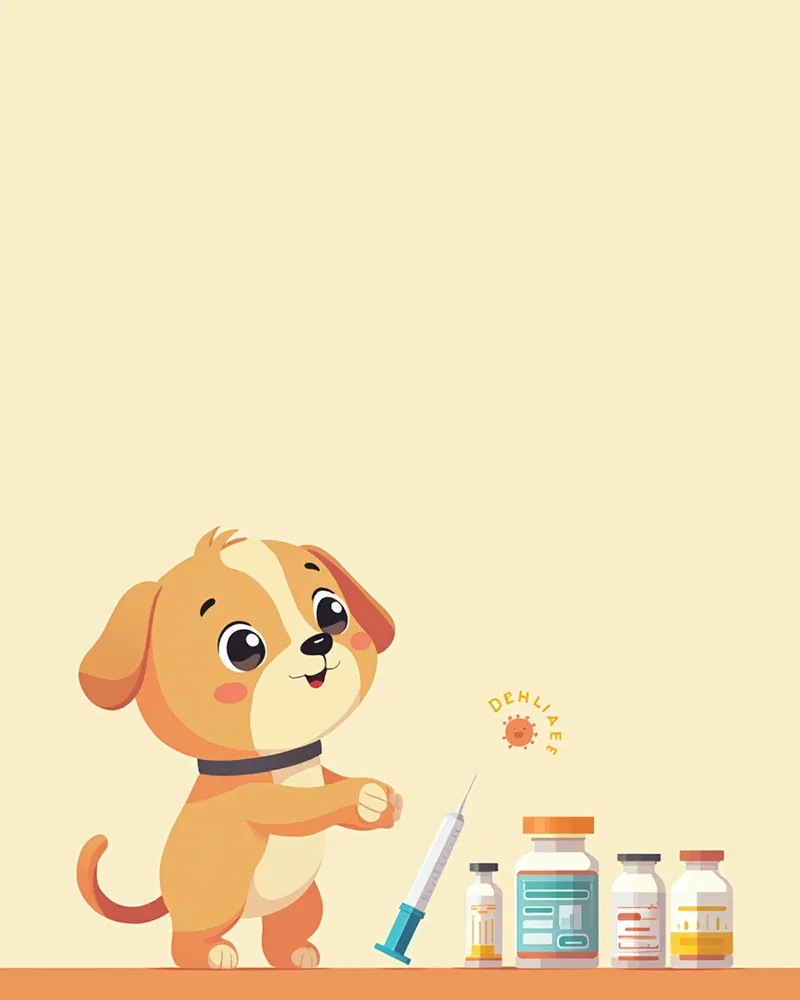
Illustration of a puppy at a veterinary clinic about to receive vaccinations
Puppy vaccinations should begin at 6 to 8 weeks of age to build immunity against major infectious diseases, making them an essential part of health care. Young puppies are highly vulnerable to life-threatening infections because the maternal antibodies they received from their mothers gradually decline. Diseases such as canine distemper and canine parvovirus have high fatality rates once contracted, and vaccination is the only reliable method of prevention. Vaccines are divided into core vaccines, which are essential for all puppies, and non-core vaccines, which are selected based on lifestyle and environment. This guide provides a clear overview of vaccination timing, vaccine types, and the recommended schedule.

Important Checks Before Vaccination

It’s best to postpone vaccinations for puppies that aren’t in good health. Before vaccinating, always have your vet perform a health check and ensure deworming is completed first. As a general rule, avoid vaccinating if your puppy has a fever, diarrhea, vomiting, or a decreased appetite. If you’ve recently adopted a puppy, allow at least a week for them to adjust to their new environment before starting vaccinations.

Core Vaccines Essential for All Puppies
Core vaccines are those recommended by the World Small Animal Veterinary Association (WSAVA) for all dogs. They protect against diseases that carry high mortality rates or cause severe long-term complications. According to veterinary guidelines, core vaccines include those for distemper, parvovirus, adenovirus, and rabies (rabies is addressed separately later due to legal requirements).
Distemper: A viral disease causing high fever, respiratory symptoms, and neurological signs. It has a very high mortality rate, and survivors may suffer from lasting neurological sequelae.
Parvovirus: Causes severe bloody diarrhea and vomiting, and is particularly fatal in puppies. It is highly contagious and can survive in the environment for several months.
Canine Adenovirus: Causes hepatitis and respiratory disease. The vaccine uses type 2 (CAV-2), as infection can lead to severe liver damage.
Parainfluenza: Causes respiratory symptoms such as coughing and nasal discharge. Although commonly included in combination vaccines, it is classified as a non-core (lifestyle) vaccine, with administration based on the dog’s living environment and risk factors. Symptoms can worsen if co-infection with other pathogens occurs.
Illustration of a vaccine vial and syringe for vaccination

Optional Vaccines Based on Living Environment

Optional vaccines are determined in consultation with your veterinarian, based on your puppy’s living environment and risk of exposure.
Kennel Cough: A contagious disease that causes severe dry coughing. Vaccination is recommended for dogs that frequently interact with other dogs in settings such as daycare, boarding facilities, or grooming salons.
Leptospirosis: A bacterial infection transmitted through contaminated water or soil. Because it can also be transmitted to humans, vaccination is recommended for dogs with frequent outdoor activities.
Canine Influenza: Causes respiratory symptoms and should be considered for dogs living in group settings.
According to veterinary textbooks, the efficacy of leptospirosis vaccines varies by serovar, so it is important to consider regional prevalence patterns when administering the vaccine.

Rabies Vaccination is Legally Mandatory

Rabies is a fatal disease that can infect all mammals and has no cure once symptoms appear. Since it can also be transmitted to humans, all registered companion dogs in Korea are required by law to receive rabies vaccinations under the Animal Infectious Disease Prevention Act. The first vaccination is typically administered after three months of age, followed by annual booster shots. Be sure to keep your vaccination certificate safe. Many local governments offer group rabies vaccination programs every spring, so check the schedule and take advantage of these services. Failure to vaccinate your dog against rabies may result in fines, so please make sure to stay up-to-date.

Weekly Vaccination Schedule at a Glance

Here is a general vaccination schedule for dogs. The combination vaccine protects against distemper, parvovirus, adenovirus, and parainfluenza.
TimingVaccination Details
6–8 weeks of ageCombination vaccine, 1st dose
8–10 weeks of ageCombination vaccine, 2nd dose
10–12 weeks of ageCombination vaccine, 3rd dose + Kennel cough vaccine
12–14 weeks of ageCombination vaccine, 4th dose + Leptospirosis vaccine, 1st dose
14–16 weeks of ageCombination vaccine, 5th dose + Rabies vaccine, 1st dose + Leptospirosis vaccine, 2nd dose
AnnuallyCombination vaccine booster + Rabies vaccine booster

These Post-Vaccination Reactions Are Normal
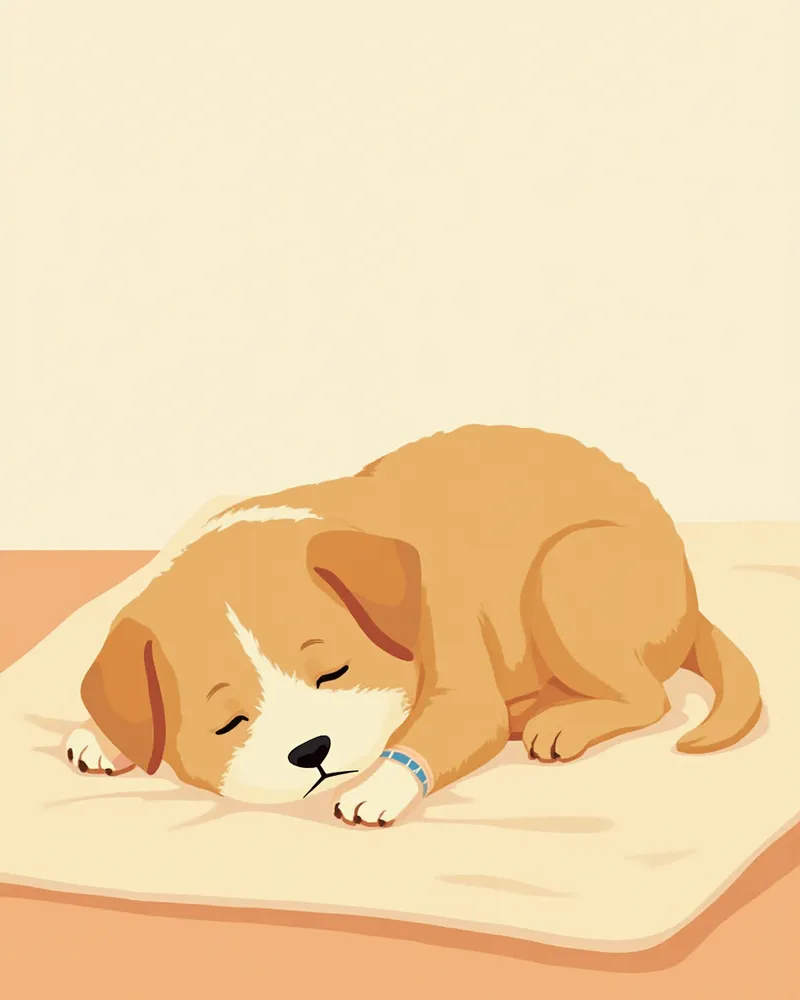
It’s normal for your pet to show mild reactions after vaccination. These usually resolve on their own within 1–2 days, so knowing what to expect can help you stay calm.
Swelling at the injection site: The area may become slightly swollen. This typically subsides within a few days.
Decreased appetite and lethargy: On the day of vaccination, your pet may seem more tired than usual and eat less. Let them rest comfortably for about a day.
Low-grade fever: A mild fever may occur. If a high fever persists for more than a day, please visit your veterinarian.
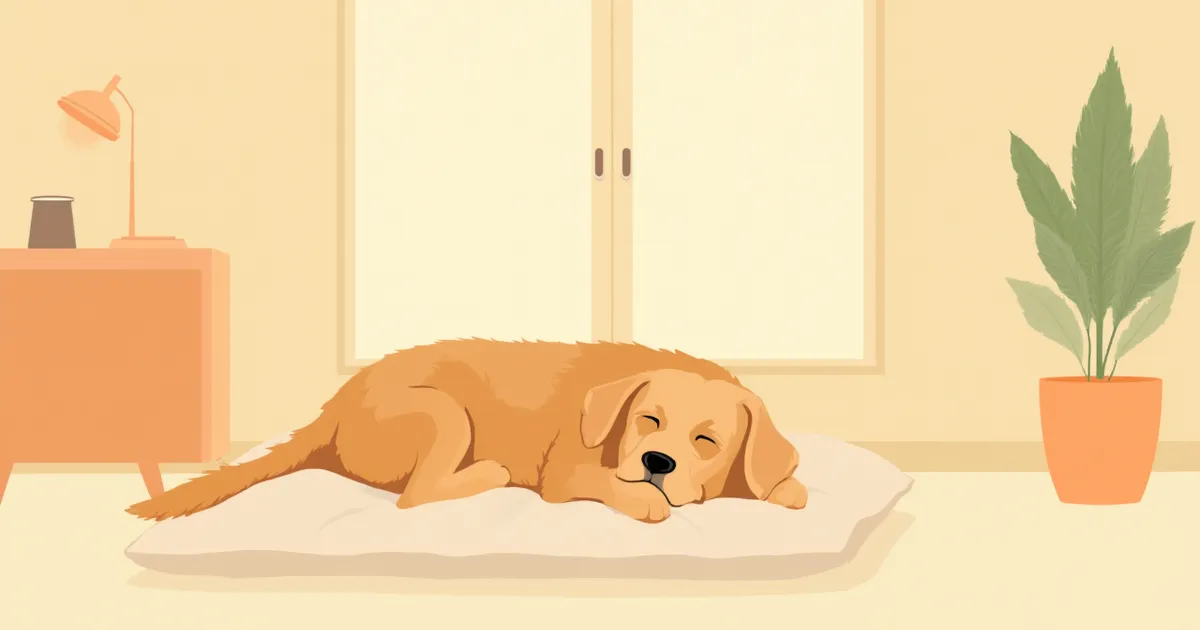
On the day of vaccination, avoid bathing and strenuous exercise, and let your pet rest quietly.
Illustration of a puppy resting comfortably after vaccination

Pay Special Attention for Small Breeds and Puppies with Allergy History

Small dogs may experience more pronounced reactions to vaccines relative to their body weight. Although rare, allergic reactions such as facial swelling, severe vomiting, or difficulty breathing can occur. Therefore, please remain at the clinic for at least 30 minutes after vaccination so we can monitor for any adverse reactions. If your dog has ever had an allergic reaction to a vaccine in the past, be sure to inform your veterinarian beforehand.

Adult Dogs Also Require Annual Booster Shots
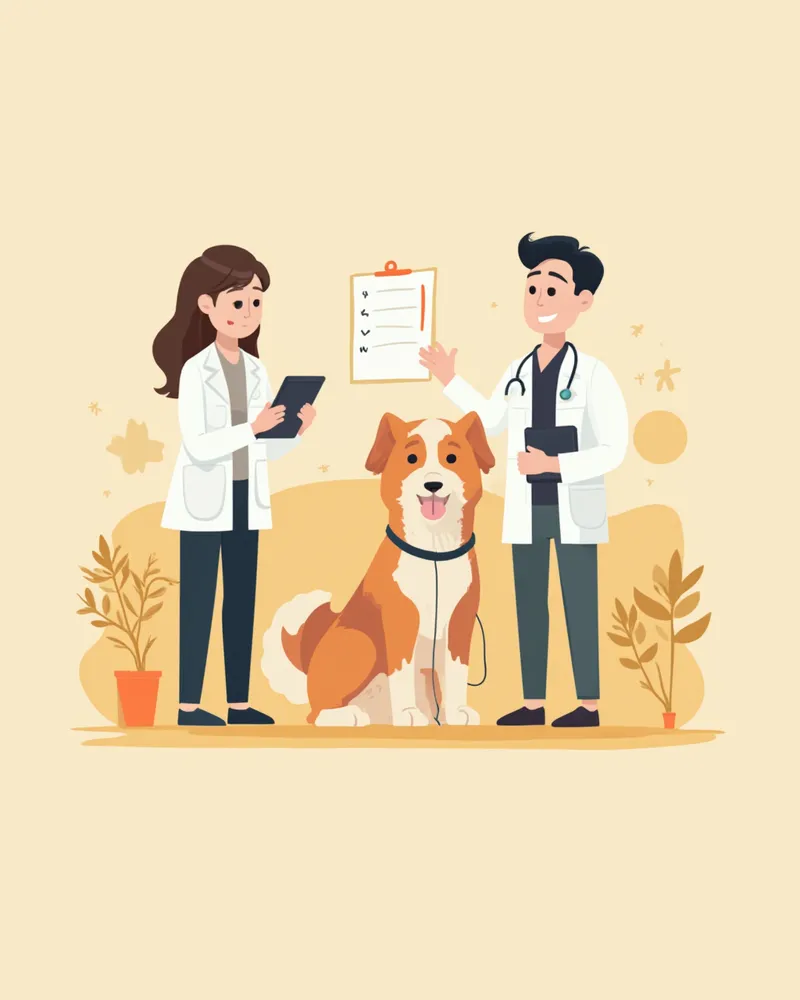
Even adult dogs that have completed their initial vaccination series require regular booster shots to maintain adequate immunity. However, the duration of immunity varies depending on the vaccine. The viral components of combination vaccines, such as those for distemper, parvovirus, and adenovirus (DAP), tend to provide relatively long-lasting immunity. In contrast, vaccines for leptospirosis and kennel cough (caused by Bordetella and parainfluenza) offer shorter-term protection, so annual boosters are recommended. Rabies boosters are administered regularly in accordance with legal and regional requirements. Recently, antibody testing is increasingly being used to first assess whether a dog’s immune levels are sufficient, allowing for targeted vaccination only when necessary. Since core vaccines generally confer long-lasting immunity, veterinarians may adjust the interval between boosters based on antibody test results rather than administering them uniformly every year. The best approach is to consult with your veterinarian to develop a customized vaccination schedule tailored to your dog’s individual needs.
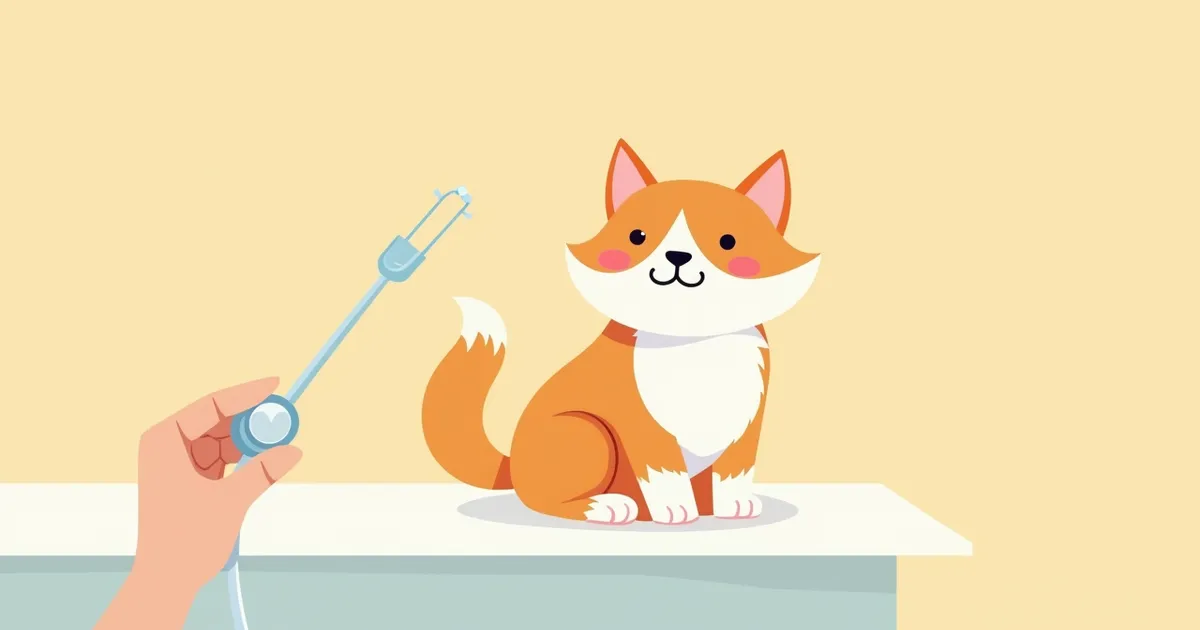
Illustration of an adult dog receiving a regular check-up at a veterinary clinic.

Reviewed by a veterinarian

Dr. Tony — Punnawat Phongkittirak

Dr. Tony — Punnawat Phongkittirak

Veterinarian

A veterinarian who majored in veterinary medicine at Khon Kaen University, Thailand, and completed the IVSA program at North Carolina State University in the United States. Drawing on clinical experience at animal hospitals, he works in the pet healthcare field and is dedicated to building a digital care environment that connects pet parents with veterinarians.

Frequently Asked Questions

What happens if my pet doesn’t get vaccinated?
Without a fully developed immune system, puppies are at significantly higher risk of contracting fatal infectious diseases such as distemper and parvovirus. In young puppies, the mortality rate upon infection can be extremely high.
What should I do if I missed the vaccination schedule?
It’s never too late to start. Consult with your veterinarian to create a vaccination schedule tailored to your pet’s current age and health status.
Can I take my pet for a walk after vaccination?
On the day of vaccination, it’s best to avoid vigorous exercise. Light walks are fine starting the next day, but for safety, keep your dog away from places with lots of other dogs until the initial vaccination series is complete.
Can my pet receive the combination vaccine and the rabies vaccine on the same day?
Vaccinations can be administered on the same day. However, it is best for the veterinarian to assess your puppy’s health status before making a decision. For small-breed dogs or very young puppies, the vaccinations may be split into separate visits.
My dog is fully grown but has never received any vaccinations. Should I get them vaccinated now?
Yes, adult dogs also need vaccinations. For adult dogs that haven’t received their initial vaccine series, it’s common to administer two doses spaced 2–4 weeks apart, followed by annual booster shots. Consult your veterinarian to create a tailored vaccination plan.

Share

Related Guides

References

[1] Day MJ, Horzinek MC, Schultz RD, Squires RA. WSAVA Guidelines for the Vaccination of Dogs and Cats. Journal of Small Animal Practice. 2016.

[2] Ford RB, Larson LJ, McClure KD, et al. 2017 AAHA Canine Vaccination Guidelines. Journal of the American Animal Hospital Association. 2017;53(5):243-251.

[3] Clinical Medicine of the Dog and Cat, 4th Ed — Chapter 20: Infectious Diseases and Vaccination

[4] The Veterinary Workbook of Small Animal Clinical Cases — The New Puppy Wellness Examination

This information is based on veterinary literature and does not replace diagnosis or treatment. Please consult a veterinarian for specific health concerns.

Metapet Co., Ltd. | CEO: Park Sung-yong | Business Reg. No. 417-88-02562 | Seoul, South Korea | Customer Center

Puppy Vaccination Schedule: Timing & Types Explained | Meongsiljang