

Symptoms and Prevention Management Guide for Dog and Cat Pollen Allergies
We’ve compiled a checklist of symptoms, environmental management tips, and medication-based prevention strategies for pets suffering from seasonal pollen allergies in spring and fall, all based on veterinary textbook standards.
What Are Pollen Allergies?

What to Check Before Prevention
Before starting allergy prevention for pollen, it's important to rule out other causes of itching, such as parasitic infections, bacterial infections, and food allergies. Veterinary dermatology textbooks also do not recommend proceeding directly to allergy testing without first conducting a differential diagnosis. If your pet hasn't been properly protected against fleas and ticks, or if you've recently changed the protein source in their diet, consult with your veterinarian before starting any allergy medications.
Key Symptoms Checklist

Signs Requiring Immediate Veterinary Care
If your pet develops labored breathing or sudden swelling of the face and lips, suspect anaphylaxis and seek emergency veterinary care immediately. Yellow pus or a foul odor from scratch wounds indicates a secondary bacterial infection. Severe head shaking, tilting, loss of balance, or scratching the skin to the point of bleeding all require veterinary attention within 24 hours.
Environmental Management Prevention Methods
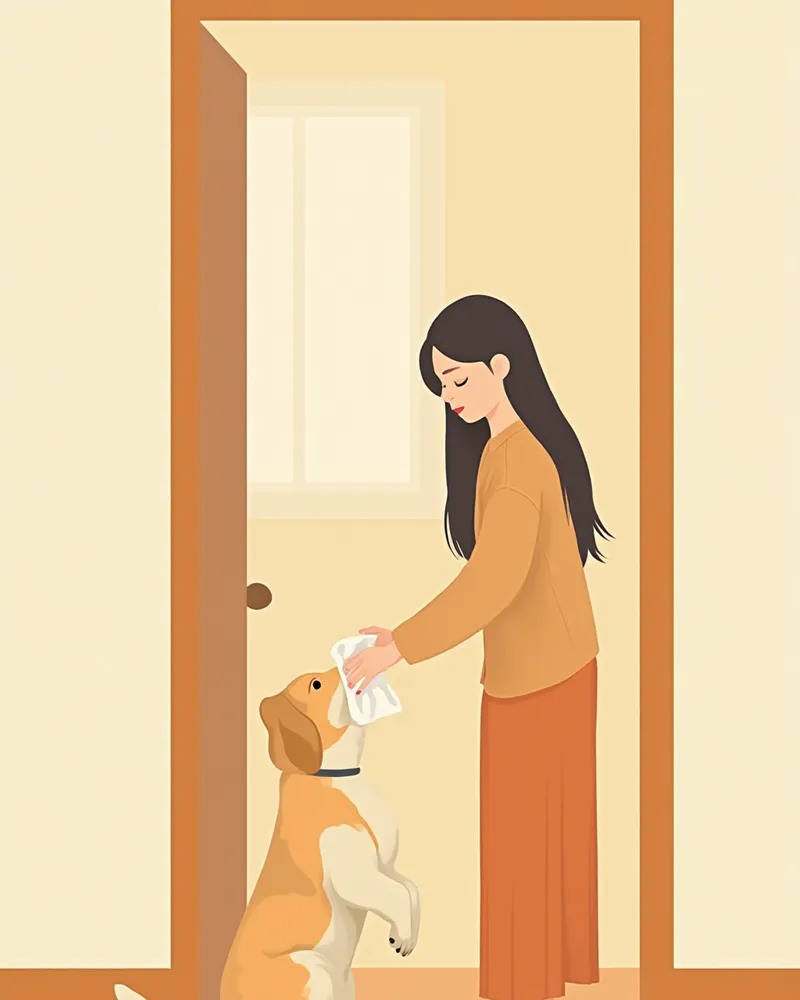
Medication and Supplement Prevention Approaches
Comparison of Key Prevention and Management Methods
| Item | Environmental Management | Nutritional Support | Medication | Immunotherapy |
|---|---|---|---|---|
| Difficulty to Start | Easy | Easy | Moderate | Difficult |
| Time to Feel Effects | Immediate | 4–8 weeks | Within a few days | 6–12 months |
| Veterinary Prescription | False | False | True | True |
| Suitable for Seasonal Symptoms | True | True | True | True |
| Long-Term Solution | Supportive | Supportive | Symptom Control | Root-Cause Approach |
For mild cases, environmental and nutritional approaches suffice; for moderate or severe cases, we recommend combining medication and immunotherapy after consulting your veterinarian.
Proper Walk and Bathing Routine

Breed-Specific Precautions
Breeds such as Golden Retrievers, Labrador Retrievers, West Highland White Terriers (Westies), English Bulldogs, and Boxers are known to have a higher genetic predisposition to atopic dermatitis. Veterinary dermatology textbooks classify atopic dermatitis as a condition with strong breed predisposition, noting that these breeds are overrepresented among affected dogs. However, breed predispositions can vary by region and population, so they should not be viewed as absolute criteria. Additionally, drug responses and sensitivities can differ by breed, so it is important to accurately inform your veterinarian of your pet’s breed before any medication is prescribed. While cats are less prone to pollen allergies than dogs, excessive grooming and hair loss may still indicate an underlying allergic condition.
Reviewed by a veterinarian

Dr. Tony — Punnawat Phongkittirak
VeterinarianA veterinarian who majored in veterinary medicine at Khon Kaen University, Thailand, and completed the IVSA program at North Carolina State University in the United States. Drawing on clinical experience at animal hospitals, he works in the pet healthcare field and is dedicated to building a digital care environment that connects pet parents with veterinarians.
Reviewed 2026-04-19
Frequently Asked Questions
Can I give my dog human antihistamines?
Can pollen allergies be cured?
When is the best time to perform an allergy test?
Can cats get pollen allergies?
Wouldn't it be better to avoid taking them for walks altogether?
Share
Related Guides

Primary vs. Secondary Veterinary Hospitals: A Comparison

5 Easy-to-Raise Cat Breeds for First-Time Owners — Grooming Difficulty Comparison

Top 7 Short-Legged Dog Breeds

Do Indoor Cats Need Vaccines? — What Are the Essential Recommended Vaccinations?

Cat Neutering Timing — Lifelong Health Benefits of Surgery Before the First Heat Cycle

When Is the Best Time to Neuter a Male Dog? — Comparing Effects of Early vs. Post-Growth Timing

Timing of Spaying Your Female Dog — A Guide to Deciding Before or After the First Heat Cycle

Protecting Your Dog’s Liver — Checklist of Medications and Foods to Avoid in Daily Life

Protecting Your Cat’s Kidneys: 7 Ways to Naturally Increase Water Intake and a Senior Cat Care Guide

Monthly Schedule and Comparison of Dog Heartworm Preventives: Complete Guide to Oral, Topical, and Injectable Forms
References
[1] BSAVA Manual of Canine and Feline Dermatology, 4th Edition, Chapter on Atopic Dermatitis
[2] Veterinary Immunology, 11th Edition, Chapter 31 Type I Hypersensitivity
[3] Favrot C. et al., A prospective study on the clinical features of chronic canine atopic dermatitis and their diagnostic value, Veterinary Dermatology, 2010
[4] The Dog Care Handbook, Things I Wish My Vet Had Told Me