Like
Share
멍실장
강아지 요로감염 예방 — 음수량과 화장실 환경 가이드

Preventing Canine Urinary Tract Infections: A Guide to Water Intake and Bathroom Environment

UrinaryPreventionMeongsiljang Veterinary Advisory Board

Preventing urinary tract infections in dogs is far easier than treating them. By ensuring your dog drinks plenty of water, maintains a clean urination environment, and gets regular walks, you can significantly reduce the risk of recurrence.

Why Is Preventing Canine Urinary Tract Infections Important?
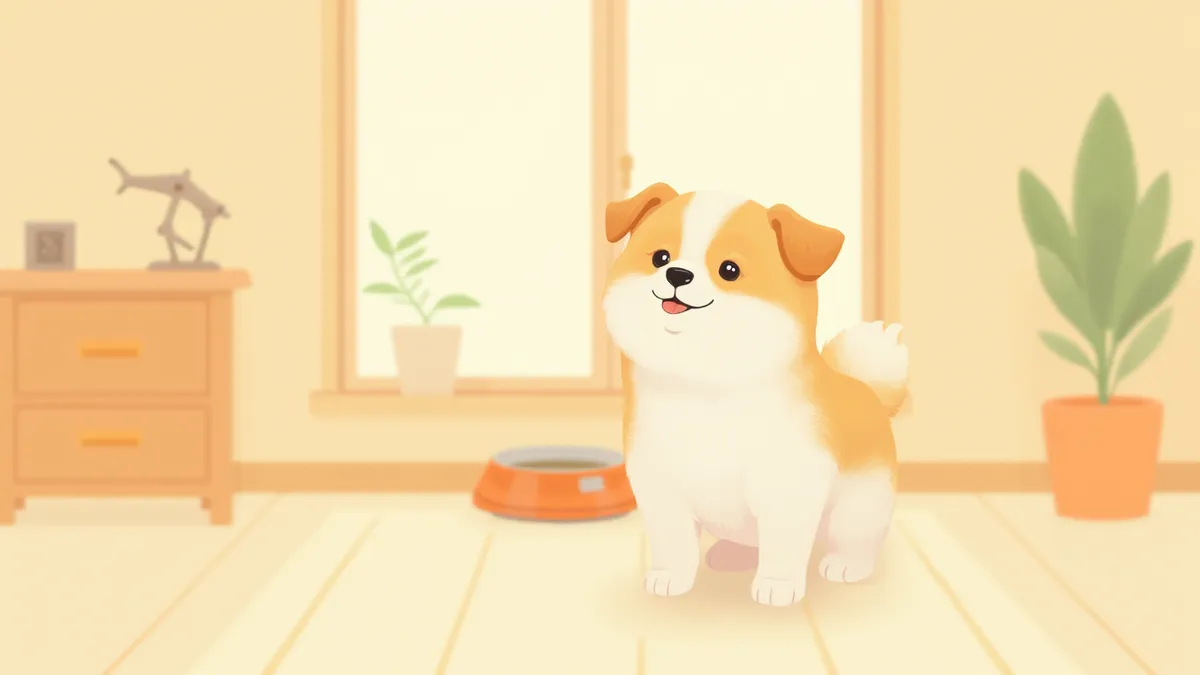
A healthy puppy standing by its water bowl
Canine urinary tract infections occur when bacteria travel up the urethra to the bladder, ureters, and kidneys, causing inflammation. The three key pillars of prevention are ensuring adequate water intake, providing ample opportunities for urination, and maintaining a clean elimination environment. Because dogs that have had one infection are prone to recurrence, and chronic cases can lead to kidney damage, daily management is far more important than treatment alone. Female dogs, seniors, and those with a history of urinary stones require especially diligent preventive care.

What to Check Before Starting Prevention

If your pet is already showing signs of a urinary tract infection, prevention isn’t enough—treatment is necessary. If they’re urinating frequently but in small amounts, straining or vocalizing during urination, passing blood in their urine, or excessively licking their genital area, you should have them evaluated with a urinalysis at a veterinary clinic right away. Trying to resolve the issue by simply increasing water intake without antibiotic treatment can allow the infection to spread to the kidneys. Prevention routines are designed to maintain current health, not to replace medical treatment.

How Much Water Should a Dog Drink?

A healthy dog’s daily water intake is roughly 30 ml per pound of body weight (about 60 ml per kilogram). As a general guideline, a 5 kg dog should drink around 300 ml, and a 10 kg dog around 600 ml. However, actual intake can vary significantly depending on body size, the moisture content of the food, and ambient temperature. - Dry food-based diet: Since dry kibble contains little moisture, your dog will need to drink more water from its bowl. - Wet food or raw diet: The moisture in the food contributes significantly to hydration, so your dog may drink less from its bowl. - Activity level and season: It is normal for dogs to drink more than usual after exercise or on hot days. In practice, rather than strictly calculating intake, it is best to always provide fresh, clean water and allow your dog to self-regulate. However, if daily water consumption suddenly increases to more than approximately 90 ml per kilogram of body weight, it could be a sign of polydipsia associated with conditions such as diabetes, Cushing’s disease, or kidney issues. In such cases, keep a record of intake and consult your veterinarian.
Measuring cup and dog water bowl

6 Practical Ways to Increase Water Intake

If your pet isn’t drinking enough water, adjusting their environment can help them naturally increase their intake. - Place multiple water bowls: Position one bowl along each of their regular paths, such as near the living room, bedroom, and bathroom, to increase opportunities for drinking. - Refresh water frequently: Change the water at least twice a day and wash the bowl daily. - Use ceramic or stainless steel bowls: Many pets avoid plastic bowls because they retain odors. - Pet water fountains: These are effective for pets that prefer running water. - Add wet food toppings: Pour 50–80 ml of warm water over dry food to enhance its aroma and encourage fluid intake. - Ice treats: Salt-free chicken broth ice cubes make a helpful supplementary drink during summer. Ultimately, pets self-regulate their water consumption, so the most important step is providing easy, constant access to clean water.

Comparison of Water-Drinking Aids

ItemRegular bowlPet fountainWet food topping
Increase in water intakeBaselineTends to increaseTends to increase
Management difficultyLowModerate (filter/cleaning)Low
Likelihood of avoidanceAvoided if it retains odorAvoided by noise-sensitive petsAlmost none
Initial costUnder ₩10,000₩40,000–100,000No additional cost
Recommended forMost petsPets that eat only dry foodSenior dogs/history of stones

Combining several methods is more effective.

Managing Urination Environment and Walk Frequency

Holding urine for too long can cause it to stagnate in the bladder, increasing the risk of urinary tract infections. Adult dogs should be given the opportunity to urinate at least three to four times a day. - Walks: At least twice a day, morning and evening, for 20 minutes or more per session. - Indoor elimination: Replace pads immediately when soiled and always keep the same spot clean. - Provide a chance to urinate within 30 minutes of drinking water: This reduces the time urine stays in the bladder. - Avoid making them hold it for more than 8 hours when going out: If work hours are long, consider using a pet sitter or dog walker. After urination, gently clean the area around the genitals with a soft wet wipe and maintain a clean elimination environment to help reduce the chances of bacterial invasion.
A dog enjoying its morning walk

Diet and Feeding Management Points

A diet that helps prevent urinary tract infections should be high in moisture, stabilize urine pH, and reduce the formation of urinary stones. - Wet or semi-moist food should make up at least 30% of the diet to naturally increase hydration. - High-quality protein is essential: low-quality proteins can raise uric acid and urea levels, increasing the risk of stone formation. - Monitor the salt and mineral content in treats: salty treats may increase thirst but can also burden the kidneys. - Cranberry extract: Some studies suggest it may help inhibit bacterial adhesion, but it should only be used as a supplement and not as a replacement for antibiotics. If your pet has a history of urinary stones, do not discontinue prescribed diets without consulting your veterinarian for proper management.

Caution for Dogs with Frequent Recurrence and High-Risk Breeds

Urinary tract infections can recur after an initial episode. In dogs, urinary stones (uroliths) and bacterial urinary tract infections are relatively common lower urinary tract diseases, and stones can sometimes occur alongside infections. Senior dogs may miss the urge to urinate due to weakened immunity or cognitive changes, so they require more frequent monitoring. Bacteriuria can appear intermittently without symptoms, so high-risk dogs should undergo regular urinalysis (preferably including cystocentesis for culture) in consultation with a veterinarian to detect abnormalities early. Underlying conditions that cause glucose to leak into the urine, such as diabetes mellitus or Cushing’s syndrome, create an environment conducive to bacterial growth, so managing these underlying conditions is key to prevention.

Signs for Owners to Check Daily

To make sure your prevention routine is working, it’s important to observe your pet briefly every day. - Urine color: Pale yellow is normal; dark yellow or orange may indicate dehydration. - Urine odor: If it smells more pungent or fishy than usual, suspect an infection. - Posture and duration of urination: If your pet strains, takes longer than usual, or seems uncomfortable, it could be a sign of stranguria (difficulty urinating). - Changes in water intake: Record any sudden increase or decrease in drinking and share this information with your vet. - Licking of the genital area: More frequent licking than usual may be an early warning sign. If any changes persist for more than 2–3 days, getting a urinalysis is the quickest way to address the issue.

Reviewed by a veterinarian

Dr. Tony — Punnawat Phongkittirak

Dr. Tony — Punnawat Phongkittirak

Veterinarian

A veterinarian who majored in veterinary medicine at Khon Kaen University, Thailand, and completed the IVSA program at North Carolina State University in the United States. Drawing on clinical experience at animal hospitals, he works in the pet healthcare field and is dedicated to building a digital care environment that connects pet parents with veterinarians.

Frequently Asked Questions

My puppy isn’t drinking enough water. Is it okay to force-feed him?
We do not recommend force-feeding water. Instead, the best approach is to always provide fresh, clean water and allow your pet to drink freely, regulating their own intake. You can also encourage hydration by adding wet food toppers, using a pet water fountain, or offering ice cubes made from low-sodium chicken broth. However, if your pet barely drinks any water for more than a day, it could indicate an underlying health issue, so please consult your veterinarian for a check-up.
Will giving cranberry supplements alone prevent urinary tract infections?
Cranberry extract can offer supportive benefits, but it doesn’t guarantee prevention on its own. Ensuring adequate water intake, managing the urinary environment, and regular check-ups are the top priorities, with supplements serving as an additional aid.
I can’t take my dog for walks very often. Is it okay to rely solely on indoor potty pads?
Using only a pee pad is fine as long as it stays clean and your pet can urinate frequently enough. However, many pets tend to hold it in when the pad gets dirty, so you’ll need to change it more often. Whenever possible, even short walks can provide environmental stimulation that supports bladder health.
Does a pet that has had a urinary tract infection once face a lifelong risk of recurrence?
Dogs that have had this condition are at risk of recurrence. Since bacterial urinary tract infections can flare up intermittently, a single negative test result isn’t enough to rule out the problem entirely. Therefore, it’s important to continue periodic urine rechecks at intervals recommended by your veterinarian even after completing antibiotic treatment. Also, make sure to maintain lifelong monitoring of water intake and urination frequency.
Can male pets get urinary tract infections too?
Male pets can also get urinary tract infections. In fact, males are at higher risk for urethral obstruction caused by stones or other blockages, which can be life-threatening. If your male pet is having trouble urinating or seems to be in distress, it could be an emergency. If you suspect an infection, seek veterinary care promptly.

Share

Related Guides

References

[1] Bartges J, Polzin DJ. Nephrology and Urology of Small Animals. Wiley-Blackwell, 2011, Ch. 71-72 Urinary Tract Infections

[2] Ettinger SJ, Feldman EC, Cote E. Textbook of Veterinary Internal Medicine, 8th Edition, Section on Lower Urinary Tract Disorders

[3] Weese JS et al., International Society for Companion Animal Infectious Diseases (ISCAID) Guidelines for the Diagnosis and Management of Bacterial Urinary Tract Infections in Dogs and Cats, 2019

This information is based on veterinary literature and does not replace diagnosis or treatment. Please consult a veterinarian for specific health concerns.

Metapet Co., Ltd. | CEO: Park Sung-yong | Business Reg. No. 417-88-02562 | Seoul, South Korea | Customer Center

Preventing UTIs in Dogs: Water Intake & Bathroom Habits | Meongsiljang