Like
Share
멍실장
고양이 종합백신 3종·4종·5종 차이와 접종 가이드

Differences Between Feline 3-Way, 4-Way, and 5-Way Vaccines and Vaccination Guide

ImmunityPreventionMeongsiljang Veterinary Advisory Board

We’ve compiled a clear, textbook-backed guide to feline combination vaccines (3-way, 4-way, and 5-way), including the diseases they prevent, recommended vaccination schedules, and important precautions.

Why Are Feline Comprehensive Vaccines Essential?
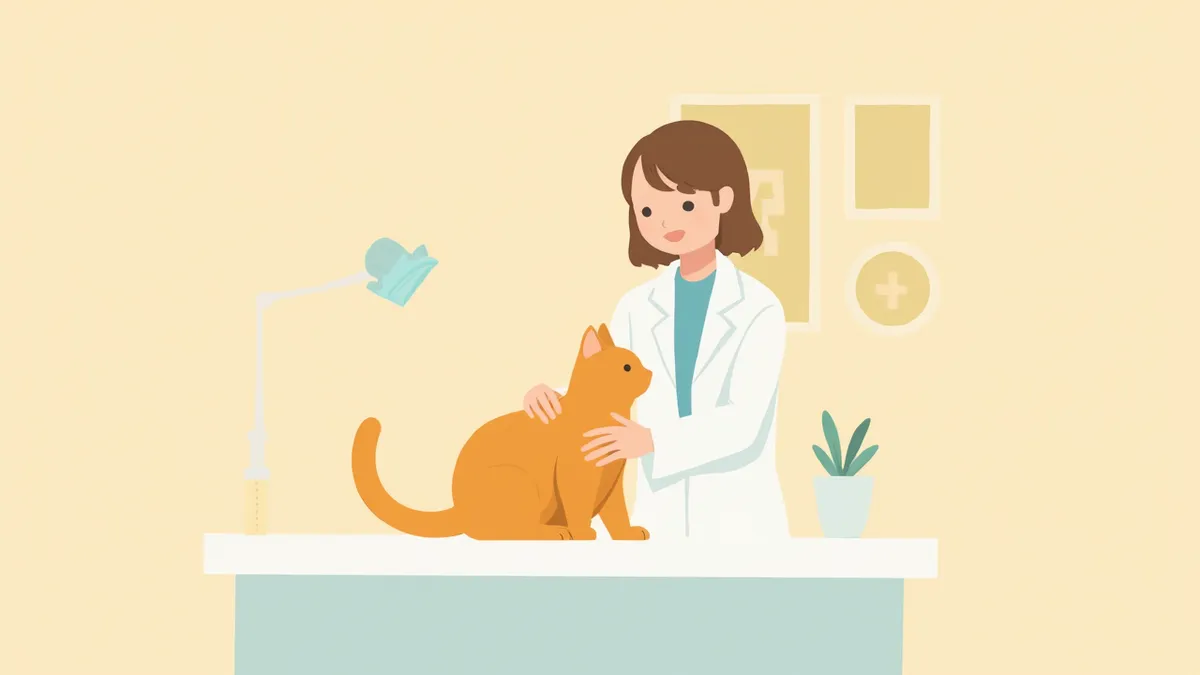
A cat sitting on the examination table at a veterinary clinic
Comprehensive feline vaccines are the most effective way to prevent fatal infectious diseases. The three-component vaccine is an essential core vaccine for all cats, while the four-component vaccine additionally protects against feline leukemia virus, and the five-component vaccine also covers Chlamydia infection. Even indoor cats can be exposed to viruses brought into the home on their owners' clothing, shoes, or delivery boxes. In particular, the feline panleukopenia virus, a type of parvovirus, is highly resistant to environmental conditions and can survive for long periods. Therefore, even for cats that live exclusively indoors, vaccination with at least the three-component vaccine is absolutely necessary.

Important Checks Before Vaccination

Vaccinations can only be administered when your pet is in good health. If your pet is experiencing vomiting, diarrhea, fever, or any other signs of poor condition, please consult with your veterinarian to reschedule the appointment. The first vaccination is typically given between 6 and 8 weeks of age. However, if maternal antibodies from the mother are still present, they may interfere with the vaccine's effectiveness, so your veterinarian will determine the optimal timing. Pregnant cats or those with weakened immune systems may have restrictions on receiving live vaccines.

3-Way Vaccine — Essential Core Vaccination for All Cats

The triple vaccine is a core vaccine recommended for all cats in veterinary textbooks. It protects against the following three infectious diseases:
Panleukopenia: A fatal infectious disease that causes severe vomiting, bloody diarrhea, and dehydration. It has a very high morbidity and mortality rate in kittens, and the virus can survive in the environment for a long time.
Viral rhinotracheitis: Caused by feline herpesvirus (FHV-1). It leads to severe sneezing, ocular discharge, and conjunctivitis. Because symptoms can recur or worsen after initial infection, ongoing management is important.
Calicivirus infection: Causes stomatitis, fever, and respiratory symptoms. This is a core vaccine recommended for all cats, and vaccination can help reduce the severity of symptoms if infection occurs.
A conceptual image of a healthy cat and vaccinations

4-Way Vaccine — Added Protection Against Feline Leukemia Virus

The four-component vaccine includes protection against the feline leukemia virus (FeLV) in addition to the three core diseases covered by the three-component vaccine. FeLV can be transmitted through close contact with infected cats. It can severely compromise the immune system and lead to various health issues. We strongly recommend the four-component vaccine for outdoor cats, multi-cat households, or cats that may come into contact with cats of unknown infection status. Veterinary guidelines also recommend FeLV vaccination for kittens, as their future living environments are difficult to predict.
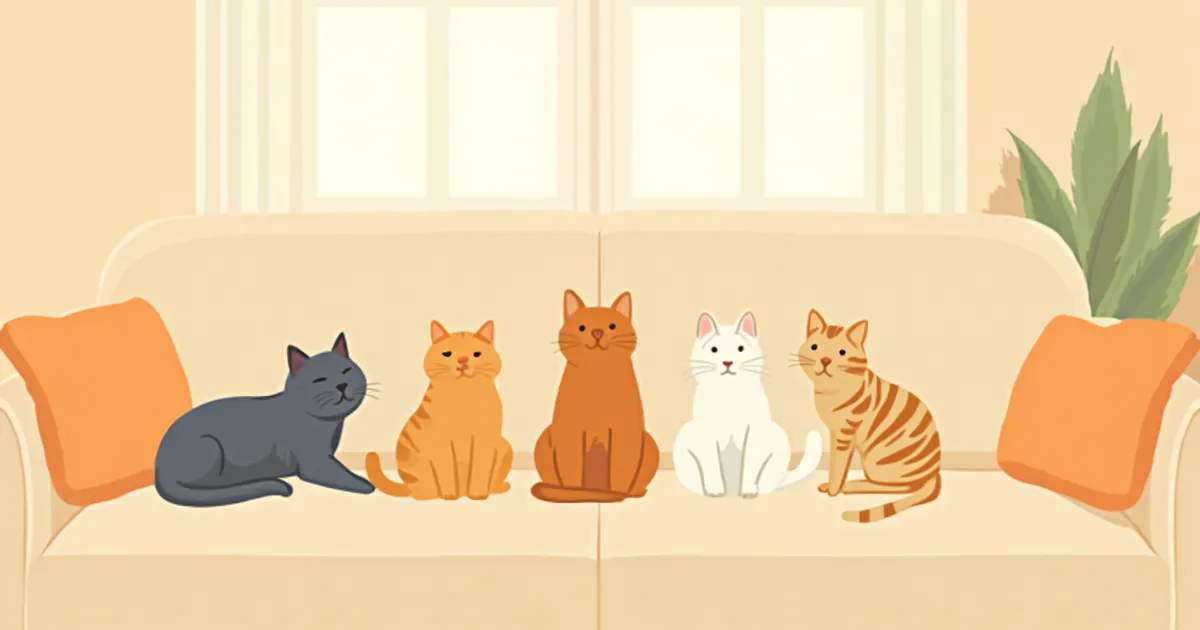
Cats living together in a multi-cat household

5-Way Vaccine — Including Protection Against Chlamydia Infection

The five-component vaccine includes protection against Chlamydia felis in addition to the four core diseases. Chlamydia is a bacterial infection that primarily causes conjunctivitis and spreads easily in multi-cat households. It is characterized by severe eye discharge and red, swollen conjunctiva. This vaccine may be beneficial for cats in multi-cat homes or those adopted from shelters. However, it is not essential for all cats; the decision should be made in consultation with your veterinarian based on your cat’s living environment and risk of exposure.

Comparison of 3-Way, 4-Way, and 5-Way Vaccines at a Glance

Item3-in-14-in-15-in-1
PanleukopeniaTrueTrueTrue
Viral rhinotracheitisTrueTrueTrue
CalicivirusTrueTrueTrue
Feline leukemia virusFalseTrueTrue
ChlamydiaFalseFalseTrue
ClassificationCore vaccineCore + optionalCore + optional
Recommended forAll catsOutdoor/multi-cat householdsMulti-cat/shelter origin

Decide after consulting a veterinarian based on your living environment

Vaccination Schedule and Proper Timing
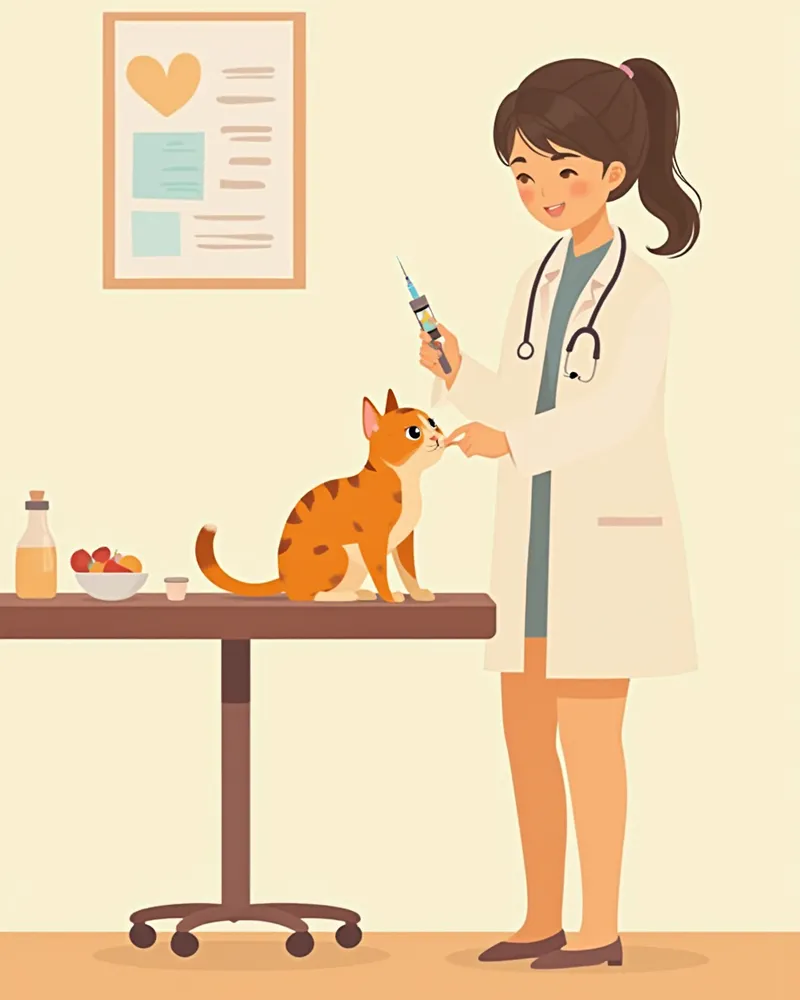
Kittens should receive their first vaccinations at 6 to 8 weeks of age, followed by 2 to 3 booster shots at 3- to 4-week intervals until they are 16 to 20 weeks old. It is important that the final dose is administered after 16 to 20 weeks of age, as this ensures the vaccine can take full effect once maternal antibodies have waned. After the initial series, a booster is given one year after completing the first-year vaccinations. Thereafter, the vaccination interval varies depending on the type of vaccine and the individual cat’s risk factors. According to veterinary textbooks, the panleukopenia vaccine provides long-lasting immunity once the primary series is successfully completed, so frequent boosters are not necessary after the first-year booster. For the herpesvirus and calicivirus vaccines, your veterinarian will determine whether to vaccinate every 1 to 3 years based on your cat’s living environment and risk level. Rabies vaccines are administered at 1- or 3-year intervals after the first-year booster, depending on the product and local regulations. However, your veterinarian will tailor the exact schedule to your cat’s specific health status.
A veterinarian administering a vaccine to a cat.

Post-Vaccination Care and Managing Side Effects

After vaccination, your pet’s energy levels may dip for about a day. Most pets recover naturally within one to two days, so there’s usually no need to worry.
Swelling at the injection site: The area where the shot was given may swell slightly, but this typically resolves within a few days.
Low-grade fever and lethargy: Your pet may seem listless for a day, which is a normal immune response.
Decreased appetite: They may eat less than usual. Ensure they have plenty of fresh water available.
If your pet develops facial swelling or shows signs of difficulty breathing after vaccination, it could indicate an allergic reaction, and you should seek veterinary care immediately. If a firm lump at the injection site persists or grows larger over time, please have it checked by a veterinarian.
A cat resting comfortably at home after vaccination

Injection Site and Precautions for Special Circumstances

Cats can rarely develop a tumor called a feline injection-site sarcoma at the site of vaccination. For this reason, veterinary guidelines now recommend administering vaccines in easily accessible areas, such as the limbs or tail, to facilitate surgical treatment if necessary. If your cat experienced any adverse reactions to previous vaccinations, be sure to inform your veterinarian. Cats infected with feline immunodeficiency virus may need to receive inactivated vaccines instead of live vaccines.

Reviewed by a veterinarian

Dr. Tony — Punnawat Phongkittirak

Dr. Tony — Punnawat Phongkittirak

Veterinarian

A veterinarian who majored in veterinary medicine at Khon Kaen University, Thailand, and completed the IVSA program at North Carolina State University in the United States. Drawing on clinical experience at animal hospitals, he works in the pet healthcare field and is dedicated to building a digital care environment that connects pet parents with veterinarians.

Frequently Asked Questions

Do indoor cats really need to receive comprehensive vaccinations?
Yes, vaccination is essential. Viruses can be brought into your home on your clothes, shoes, or even delivery boxes. In particular, the feline panleukopenia virus—a type of parvovirus—is highly resistant in the external environment and can survive for long periods, meaning even indoor cats are not safe from the risk of infection.
Which one should I get, the 3-in-1 or the 4-in-1 vaccine?
If your cat goes outdoors or has any chance of contact with other cats, we recommend the 4-way vaccine. For cats that live strictly indoors with no other pets, the 3-way vaccine may be sufficient. However, since it’s difficult to predict a kitten’s future environment, it’s safer to administer the 4-way vaccine.
My cat is an adult and has never been vaccinated. Is it still possible to get vaccinated now?
Of course. Adult cats can also receive vaccinations. If it’s their first time, they’ll need two doses spaced 3 to 4 weeks apart, followed by a regular vaccination schedule. Consult with your veterinarian to create a plan that suits your pet.
Can the combination vaccine and the rabies vaccine be administered on the same day?
In general, multiple vaccines can be administered on the same day, but your veterinarian may choose to space them out depending on your cat’s condition. Please consult with your vet on the day of vaccination.
When can I bathe my pet after vaccination?
It’s best to avoid bathing your pet for at least a week after vaccination. Right after vaccination, their immune system is actively responding, so minimizing stress is important.

Share

Related Guides

References

[1] Little SE. The Cat: Clinical Medicine and Management, 2nd Edition — Vaccination Protocols and Infectious Disease Prevention. Saunders, 2012

[2] Scherk MA et al. 2013 AAFP Feline Vaccination Advisory Panel Report. Journal of Feline Medicine and Surgery. 2013;15(9):785-808

[3] Day MJ et al. WSAVA Guidelines for the Vaccination of Dogs and Cats. Journal of Small Animal Practice. 2016;57(1):E1-E45

This information is based on veterinary literature and does not replace diagnosis or treatment. Please consult a veterinarian for specific health concerns.

Metapet Co., Ltd. | CEO: Park Sung-yong | Business Reg. No. 417-88-02562 | Seoul, South Korea | Customer Center

Cat Vaccines: 3-Way vs. 4-Way vs. 5-Way Explained | Meongsiljang