Like
Share
멍실장
가을 환절기 반려동물 호흡기 관리 가이드

Pet Respiratory Health in Autumn: Distinguishing Between Colds and Pneumonia, and Management Tips

RespiratoryPreventionMeongsiljang Veterinary Advisory Board

Respiratory diseases in dogs and cats are surging this autumn due to large daily temperature swings and dry air. Here’s a comprehensive guide to recognizing coughing and sneezing symptoms, along with tips for managing your pet’s living environment.

What Is Respiratory Care During the Autumn Transition?
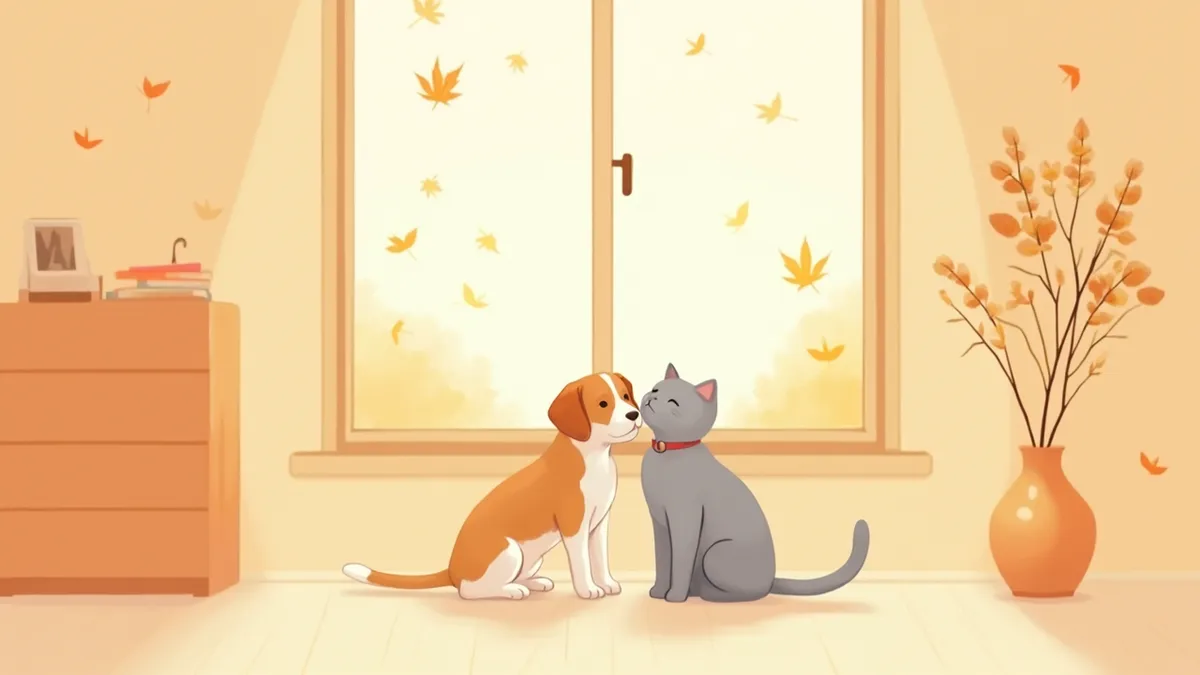
An illustration of a dog and a cat sitting together by the window.
Managing your pet’s respiratory health during the autumn transition is especially important from late September through November, when large daily temperature swings and dry air can irritate the upper and lower respiratory mucous membranes of dogs and cats. Proper care during this period helps protect these delicate tissues and reduces symptoms such as coughing and sneezing. The two most critical aspects of care are keeping the mucous membranes moist and maintaining a stable body temperature. When the nasal and bronchial mucous membranes become dry, their ability to filter out irritants and pathogens diminishes. Therefore, using a humidifier to keep indoor air moist is highly recommended. If your pet’s cough persists for more than a day, or if it is accompanied by nasal discharge or a decreased appetite, please schedule a veterinary consultation. Seek immediate veterinary care if you notice rapid breathing or if your pet’s gums or tongue turn blue.

What to Check Before Starting Prevention

Before starting preventive care, first check if your pet already shows respiratory symptoms. If you notice coughing, nasal discharge, sneezing, or wheezing during breathing, this is no longer a matter of prevention but requires treatment. Exposing your pet to cold air or forcing walks in this condition can cause bronchitis to progress to pneumonia. If symptoms are present, please consult a veterinarian first, and apply the following preventive measures only during the recovery phase.

Why Respiratory Diseases Surge During Seasonal Transitions

Autumn brings together three key factors: large daily temperature swings, dry air, and allergens. - Daily temperature differences exceeding 10°C: Sudden temperature changes in the morning and evening can easily irritate the bronchial mucosa. - Humidity below 40%: When the mucosa dries out, irritants like dust and viruses can more directly affect the respiratory tract lining. - Pollen and mold spores: Pollen from autumn weeds (such as mugwort and ragweed) and mold growing under fallen leaves can trigger allergic coughing. Increased airway resistance can lead to various clinical symptoms, including coughing and sneezing. Animals with structural vulnerabilities in their airways, such as brachycephalic breeds or senior pets, may experience a greater respiratory burden.

Method 1: Regulating Indoor Temperature and Humidity
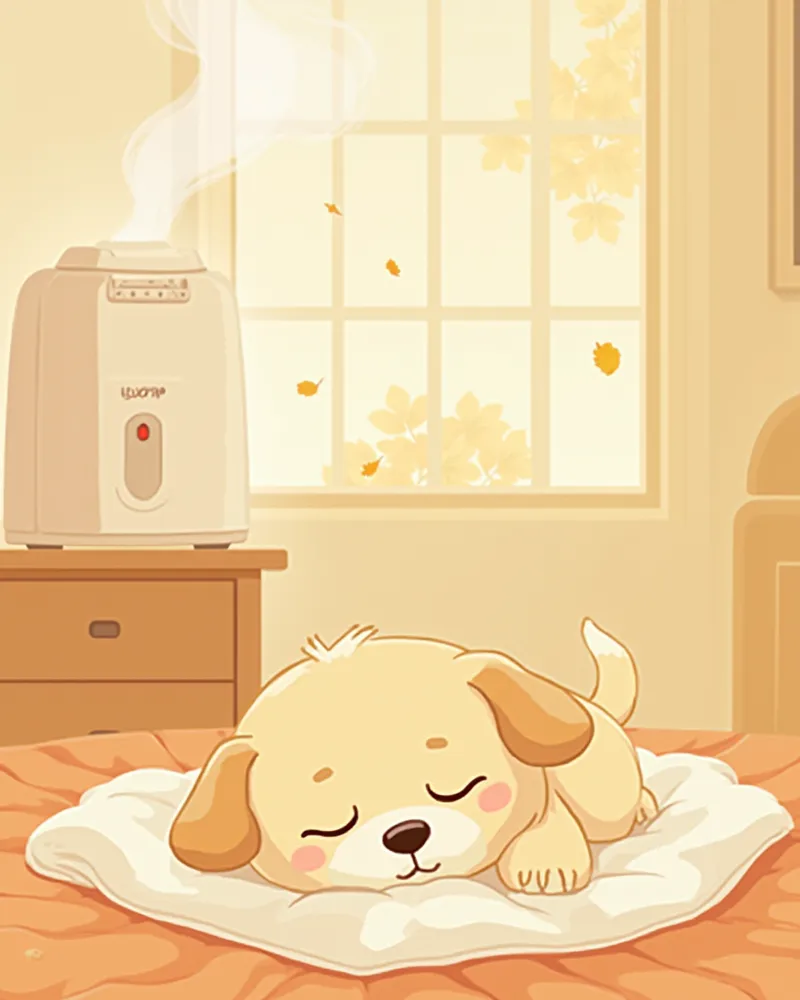
A temperature of 20–24°C and humidity of 50–60% is the most comfortable range for respiratory mucous membranes. - Humidifier: Prevents drying of the bronchial mucosa. Clean the water tank daily to prevent mold growth. - Thermometer and hygrometer: Place them at the height where your pet sleeps to monitor conditions (human eye level ≠ dog eye level). - Block floor drafts: Senior dogs, small breeds, and brachycephalic breeds lose body heat quickly from the floor. Provide blankets or rugs. In homes where the heater is turned off and on overnight, it’s a good idea to place a separate moisture-retaining and insulating cushion near the sleeping area.
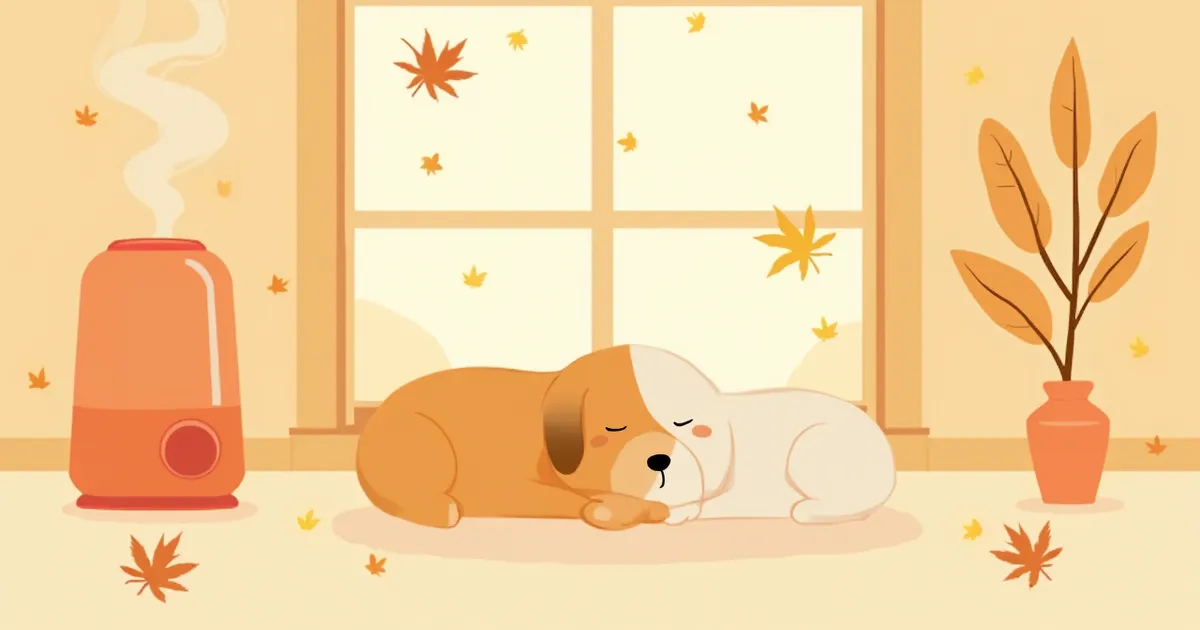
A puppy sleeping under a blanket next to a humidifier

Method 2: Adjusting Walk Times and Routes

When walking your pet during seasonal transitions, consider both the time of day and air quality. - 10 a.m. to 4 p.m.: Choose times when temperatures have risen. - Fine dust levels "Unhealthy" or worse: Replace outdoor walks with indoor play. - Avoid piles of fallen leaves and dense grass: These areas concentrate mold spores and pollen. - Brachycephalic breeds (Pugs, Persians) and senior dogs: Brachycephalic animals have relatively unchanged soft tissue compared to their shortened skulls, resulting in narrower airways and greater resistance to airflow. This can increase respiratory burden in cold air or during strenuous walks. Keep their chests warm with clothing or scarves. After the walk, wipe your pet’s nose, mouth area, and paw pads with a lukewarm damp cloth to remove allergens.

Method 3: Vaccinations and Basic Health Care

The most reliable way to prevent illness is to complete all core vaccinations before autumn, ideally by August or September. - Puppies: We recommend administering the core combination vaccine (DHPPL) along with an additional dose for kennel cough (Bordetella and parainfluenza). - Kittens: Administer the core combination vaccine (FVRCP), as herpesvirus and calicivirus are primary causes of seasonal flare-ups. - Heartworm prevention: Continue treatment through October and November; do not stop until mosquitoes are no longer present. - Health screening: For pets aged seven years and older, getting a chest X-ray and blood work done just before the seasonal change can help detect tracheal collapse and heart disease at an early stage.

Urgency of Veterinary Visits by Symptom

ItemManageable at HomeSame-Day Vet VisitEmergency (Including Overnight)
Sneezing 1–2 timesTrueFalseFalse
Dry cough lasting 24 hoursFalseTrueFalse
Nasal discharge/eye discharge + decreased appetiteFalseTrueFalse
Wheezing/ribs moving heavily while breathingFalseFalseTrue
Gums/tongue turning blue (cyanosis)FalseFalseTrue
Breathing with mouth open (especially cats)FalseFalseTrue

Cyanosis and open-mouth breathing require an immediate trip to the ER. Open-mouth breathing in cats is almost always an emergency sign.

Method 4: Managing Indoor Air Quality and Allergens
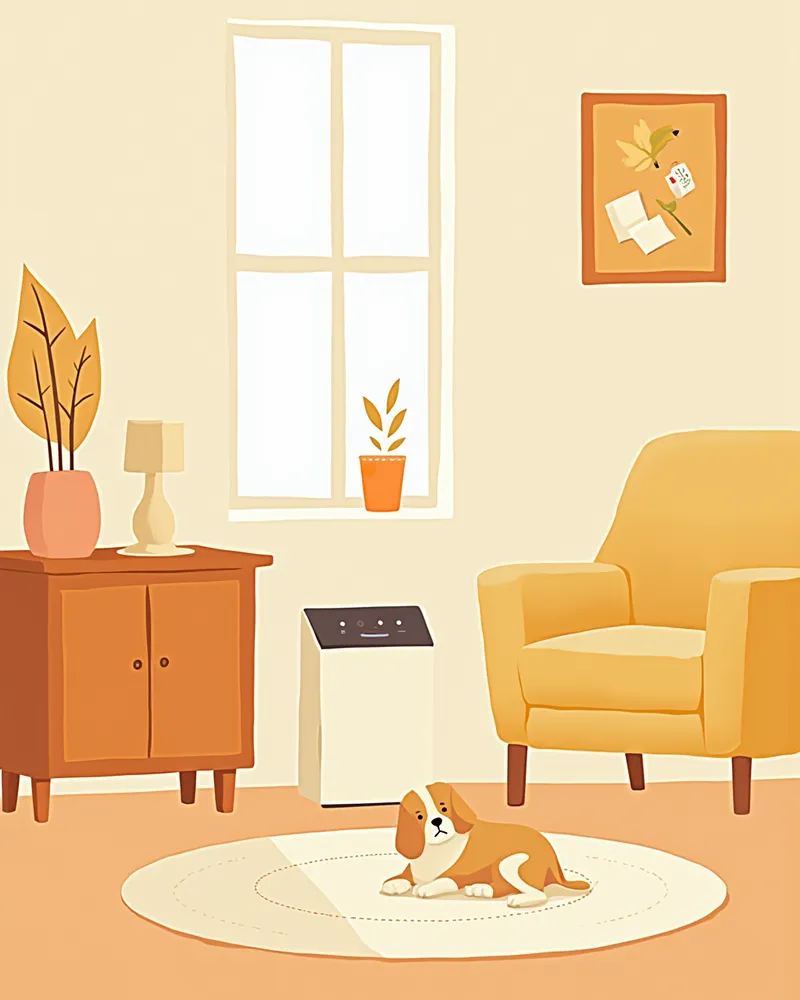
Indoor air quality can sometimes be worse than outdoor air. This is especially true when heating is used without proper ventilation, leading to a buildup of carbon dioxide and mold spores. - Ventilate twice daily for 5–10 minutes: Choose the times of day when temperatures are highest, typically mid-morning and mid-afternoon. - Use an air purifier with at least an H13 filter: This is effective at removing pollen, mold spores, and ultrafine particulate matter. - Wash carpets and fabrics once a week: Prioritize cleaning the areas where your pet sleeps. - Ventilate the kitchen: Smoke and oil particles generated during cooking can also irritate the respiratory system.
A dog resting in the living room while the air purifier is running

Breeds Requiring Special Attention

The following breeds are especially prone to respiratory strain during seasonal transitions. - Brachycephalic breeds (Pugs, Bulldogs, Shih Tzus, Boston Terriers, Persians, Exotic Shorthairs): These breeds have shortened skulls, but their surrounding soft tissues do not reduce proportionally, leading to brachycephalic airway syndrome, where tissues protrude into the airway lumen. This increases airway resistance and the risk of obstruction, making them more vulnerable to environmental changes. Therefore, extra care should be taken to maintain indoor warmth and minimize stress. - Pomeranians, Yorkshire Terriers, Chihuahuas: Tracheal collapse can occur in small-breed dogs. Exposure to cold air or pressure from a collar can worsen coughing. Use a harness instead of a collar. - Senior dogs and cats (7 years and older): Overall health declines with age, increasing susceptibility to respiratory infections. It is essential to keep vaccinations up to date.

Reviewed by a veterinarian

Dr. Tony — Punnawat Phongkittirak

Dr. Tony — Punnawat Phongkittirak

Veterinarian

A veterinarian who majored in veterinary medicine at Khon Kaen University, Thailand, and completed the IVSA program at North Carolina State University in the United States. Drawing on clinical experience at animal hospitals, he works in the pet healthcare field and is dedicated to building a digital care environment that connects pet parents with veterinarians.

Frequently Asked Questions

Is it okay to run a humidifier all day?
Keeping humidity below 60% is perfectly fine. Just make sure to clean the water bowl daily and disinfect it with vinegar every three days. If humidity stays above 70% for extended periods, it can actually encourage mold and mite growth, which may worsen respiratory allergies.
Can I skip my dog’s walks for a few days during the seasonal transition?
If air quality is rated “Poor” or worse, or if it’s raining, it’s fine to skip the walk. Instead, help your pet burn energy with indoor nose work or hide-and-seek. However, avoid keeping them completely inactive for more than three days, as this can increase the risk of stress and obesity. It’s better to encourage some movement, even if brief.
My pet has been sneezing for several days. Should I take them to the vet?
If your pet is sneezing only two to three times a day and their energy and appetite remain normal, it’s okay to monitor them for another day. However, if the nasal discharge turns yellow or green, sneezing occurs several times per hour, or if there are additional symptoms such as eye discharge or decreased appetite, there’s a higher likelihood of a bacterial or viral infection, and we recommend seeking veterinary care on the same day.
Is a cat coughing more dangerous than a dog coughing?
Yes, coughing is much less common in cats than in dogs. If your cat is coughing or breathing with its mouth open, it could indicate a serious underlying condition such as asthma, heart disease, or pleural effusion. This isn’t something to monitor at home—it requires immediate veterinary attention.
Can I give my pet supplements to boost their immune system?
Omega-3 fatty acids, probiotics, and beta-glucan can support mucosal and intestinal immunity. However, human products differ in dosage and ingredients, which can be risky for pets. Always feed your pet species-specific supplements tailored to their body weight, and consult your veterinarian first if your pet has any underlying health conditions.

Share

Related Guides

References

[1] King LG, Textbook of Respiratory Disease in Dogs and Cats, Chapter 1 (Approach to the Dyspneic Patient) & Chapter 9 (Pulmonary Gas Exchange), Saunders, 2004

[2] Bryant S, Small Animal Anesthesia and Pain Management: A Color Handbook 3rd Edition, Chapter 1 (Breathing Circuits), CRC Press, 2021

[3] Ettinger SJ, Feldman EC, Textbook of Veterinary Internal Medicine 8th Edition — Respiratory System, Elsevier, 2017

This information is based on veterinary literature and does not replace diagnosis or treatment. Please consult a veterinarian for specific health concerns.

Metapet Co., Ltd. | CEO: Park Sung-yong | Business Reg. No. 417-88-02562 | Seoul, South Korea | Customer Center

Fall Respiratory Health: Pet Colds vs. Pneumonia & Care | Meongsiljang