
Like
Share
멍실장
봄 알러지 예방 (꽃가루·곤충)

Preventing Spring Allergies (Pollen & Insects)

ImmunityPreventionMeongsiljang Veterinary Advisory Board

We’ve put together a guide on the causes of springtime allergies in pets due to pollen and insects, along with prevention tips and how to handle emergency situations.

What Are Spring Allergies? Why Are They Dangerous for Our Pets?

Illustration of a dog wiping its paws after a cherry blossom walk
Spring allergies in pets are allergic conditions in which the immune system overreacts to environmental triggers such as pollen, insects, and house dust mites, leading to skin itching or respiratory symptoms. Pets with atopic dermatitis may also develop conjunctivitis or rhinitis. Prevention and management of exacerbations are key during spring. Consistently wiping your pet’s paws and belly after walks, maintaining a clean indoor environment, and preventing external parasites can help reduce symptoms before they worsen. Atopic dermatitis typically first appears between 6 months and 4 years of age, often starting as seasonal itching. Seasonal allergens like pollen can trigger acute flare-ups, making symptoms more pronounced in spring.

Things to Check Before Spring Prevention

If your pet already has a skin infection or an external parasite infestation, treatment should take priority over prevention. If itching persists for more than two weeks, or if you notice rashes, scabs, or hair loss, please have your pet undergo a skin examination at a veterinary clinic first. Additionally, the use of certain preventive medications is restricted for puppies under eight weeks of age and for pregnant or nursing animals, so please consult with your veterinarian before starting any treatment.

Main Allergy Triggers in Spring
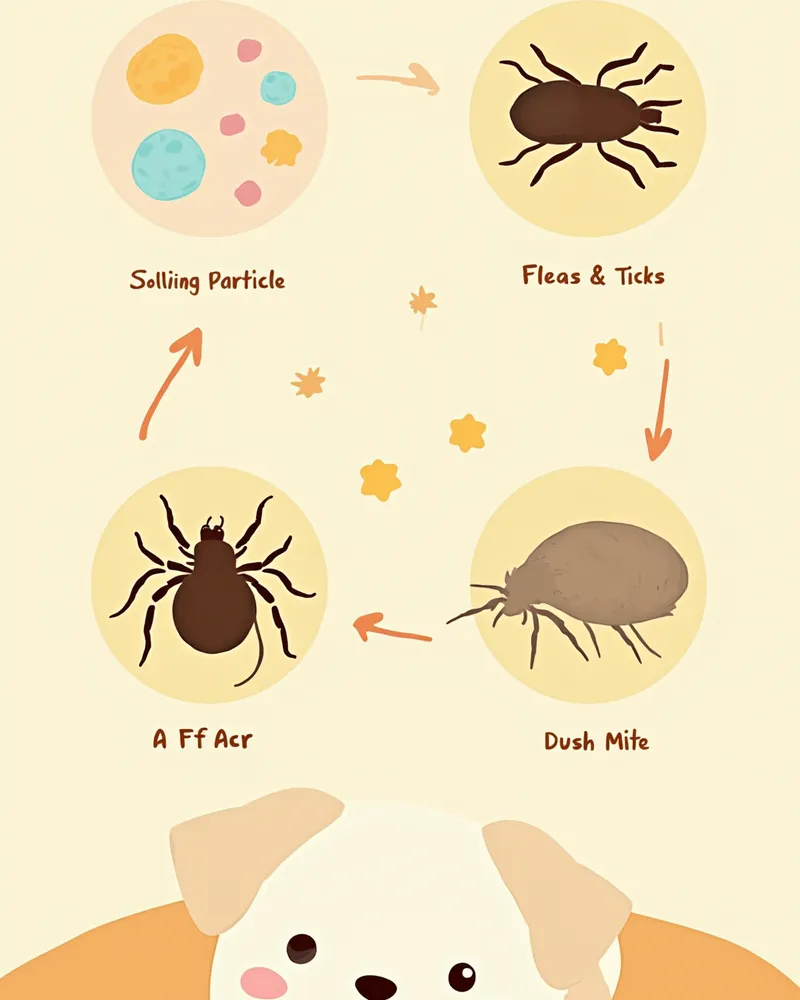
There are three main triggers that can irritate pets in the spring. - Pollen: Pollen from birch, cedar, and grass can irritate the mucous membranes of the nose, eyes, and paw pads. - Insect irritation: As fleas, ticks, and mosquitoes become active, they can cause bite-related allergies. - House dust mites: These are a year-round allergen, thriving especially in carpets, rugs, fabric furniture, and humid environments. When combined with seasonal triggers like pollen, symptoms may feel more severe during the spring.
Infographic: The Top 3 Causes of Pet Allergies in Spring

Prevention Method 1: Environmental Care After Walks

Wipe your pet’s paws, belly, and face with a lukewarm, damp cloth or pet-safe wet wipes within five minutes of returning from a walk. Pollen tends to cling most heavily to the pads between the toes and the fur on the belly. We recommend walking during early morning or immediately after rain, when pollen levels are lowest. On windy days or when pollen counts are reported as “high,” consider shortening walks or replacing them with indoor play.

Prevention Method 2: Starting External Parasite Preventives

Fleas, ticks, and mosquitoes become more active as spring warms up. Choose the formulation that best fits your pet’s lifestyle: oral medications (isoxazoline class), topical spot-ons, or collars (e.g., Collar). For pets prone to allergies, year-round external parasite prevention is recommended rather than just during spring. Administer heartworm preventatives consistently as directed by your veterinarian. Combination preventatives with multiple active ingredients are available, and rotating products with different mechanisms of action can help reduce resistance and disrupt parasite life cycles. Consult your veterinarian to determine the most effective combination for your pet.

Prevention Method 3: Indoor Air & Environment Management

Run a HEPA-filter air purifier around the clock indoors, and wash bedding and pet cushions weekly in water heated to at least 60°C. Since carpets and rugs can harbor mites, consider storing them away during spring. Keep indoor humidity between 40% and 50% to help prevent mite proliferation. Ventilate briefly during times when pollen levels are low, such as early morning or after rain.

Comparison of External Parasite Preventive Formulations

ItemOral MedicationTopical MedicationCollar Type
Duration of Effect1–3 months1 monthUp to 8 months
Effect of Water PlayNoneYes (possible after 48 hours)None
Ease of AdministrationHighMediumVery high
Fleas·Ticks·MosquitoesCombination type availableCombination type availableMainly fleas·ticks
Use in CatsCat-specific product requiredCat-specific product requiredCat-specific product required

Cats must never use dog products — there is a risk of permethrin poisoning.

Proper Usage and Warning Signs

Accurate dosing based on your pet’s body weight is the most important aspect of administering preventive medications. Rather than sticking to a single product, alternating between products with different mechanisms of action or using products containing insect growth regulators can help reduce resistance and interrupt the parasite life cycle at multiple stages. However, always consult your veterinarian to determine the appropriate combination to avoid unnecessary overlap in active ingredients. - Post-administration check points: Contact your clinic if vomiting, loss of appetite, or excessive drooling occurs within 24 hours of administration. - Allergic reactions: Seek immediate emergency veterinary care if you observe facial swelling, hives, or difficulty breathing.
An illustration of a veterinarian applying topical medication to a puppy.

Pay Extra Attention to Certain Breeds

Breeds known to be predisposed to atopic dermatitis, such as English Bulldogs, Boxers, West Highland White Terriers, Golden Retrievers, and Labrador Retrievers, may experience more pronounced allergy symptoms in the spring. However, breed predispositions can vary by region. Some breeds, such as Collies and Shetland Sheepdogs, may be sensitive to certain ingredients in preventive medications, so it is safest to consult your veterinarian before using any new product for the first time. Cats can also react to spring allergens, so please watch closely for signs of itching on the face and neck or excessive grooming.

Reviewed by a veterinarian

Dr. Tony — Punnawat Phongkittirak

Dr. Tony — Punnawat Phongkittirak

Veterinarian

A veterinarian who majored in veterinary medicine at Khon Kaen University, Thailand, and completed the IVSA program at North Carolina State University in the United States. Drawing on clinical experience at animal hospitals, he works in the pet healthcare field and is dedicated to building a digital care environment that connects pet parents with veterinarians.

Frequently Asked Questions

My pet suddenly started licking its paws in spring. Could it be allergies?
It’s likely a contact allergy triggered by pollen or grass irritation. Start by wiping your pet’s paws after walks, and if there’s no improvement within 3–5 days, have a vet perform a skin examination.
When is the best time to get an allergy test?
Veterinary textbooks recommend allergy testing only after other causes of itching—such as external parasites, food allergies, and bacterial infections—have been ruled out. Saliva and hair tests are not recommended due to their low accuracy.
Can I use the same preventive medication every year?
The most suitable formulation may vary depending on your pet’s weight, living environment, and any pre-existing conditions. Before the first dose each spring, have your veterinarian review your pet’s status and switch formulations if necessary.
Will using just an air purifier be effective?
HEPA-filter air purifiers are effective at reducing indoor pollen and fine dust, but they must be used alongside cleaning and wiping your pet’s paws after walks to be truly effective. Relying on just one method isn’t enough.
Do cats get spring allergies too?
Yes, cats can also develop allergies to pollen and house dust mites. However, unlike dogs, who often lick their paws, cats typically show symptoms such as itching around the face and neck, excessive grooming, and small, pimple-like rashes (miliary dermatitis).

Share

Related Guides

References

[1] BSAVA Manual of Canine and Feline Dermatology, 4th Edition - Allergy Testing and Allergen-Specific Immunotherapy Chapter

[2] Favrot C. et al., A prospective study on the clinical features of chronic canine atopic dermatitis and its diagnosis, Veterinary Dermatology, 2010

[3] Veterinary Immunology, 11th Edition - Type I Hypersensitivity and Atopic Dermatitis Chapter

[4] The Dog Care Handbook - Skin and Allergy Chapter

This information is based on veterinary literature and does not replace diagnosis or treatment. Please consult a veterinarian for specific health concerns.

Metapet Co., Ltd. | CEO: Park Sung-yong | Business Reg. No. 417-88-02562 | Seoul, South Korea | Customer Center

Preventing Spring Allergies in Dogs & Cats (Pollen & Insects) | Meongsiljang