Like
Share
멍실장
노령견 건강 관리 가이드 (7세 이후)

Senior Dog Health Care Guide (Age 7 and Older)

ImmunityPreventionMeongsiljang Veterinary Advisory Board

Starting at age seven, your dog’s health care needs change. We’ve summarized the essentials for senior dogs, including regular check-ups, weight and nutrition management, joint care, and cognitive function support.

Why Start Senior Dog Health Care Early?

An elderly dog sitting comfortably in the sunlight
The key is to take care of things before symptoms appear. Dogs age much faster than humans. In small and medium breeds, physical functions begin to gradually decline around the age of seven. Subtle changes can accumulate unnoticed and suddenly manifest as serious issues one day. According to veterinary nutrition textbooks, "senior" refers to the stage when activity levels decrease, weight increases, and other age-related physical and behavioral changes become apparent. Let’s go through each aspect one by one: regular check-ups, weight management, nutritional adjustments, joint care, and cognitive function support.

Don’t Delay Regular Health Check-ups

It’s a good idea for senior dogs to have regular health check-ups. According to veterinary textbooks, as dogs age, routine exams help monitor the aging process consistently and distinguish between normal aging and disease-related changes. It’s also recommended to check weight and body condition score at every visit. Even if your dog appears healthy on the outside, internal organ changes may have already begun, so don’t delay check-ups. The frequency of exams should be determined in consultation with your veterinarian, based on your dog’s age and health status.

Weight Management Is the Foundation of Health

Weight management is the cornerstone of health care for senior dogs. As dogs age, their activity levels tend to decrease, making them prone to weight gain. Obesity significantly increases the risk of joint diseases (osteoarthritis), heart disease, and diabetes. In fact, according to veterinary textbooks, overweight or obese dogs may have a lifespan that is 2 to 3 years shorter. Conversely, sudden weight loss also warrants attention. According to veterinary nutrition textbooks, unintentional weight loss is common in senior dogs and can be easily overlooked. For thin senior dogs with muscle loss due to osteoarthritis, a diet rich in high-quality, easily digestible protein and fat can help restore weight. However, if weight loss persists, it is likely caused by another underlying disease, so please consult a veterinarian. It is advisable to record your dog’s weight monthly to monitor trends. The goal is to maintain an ideal body condition (BCS 4–5/9). Ask your veterinarian to assess your dog’s body condition score.

Tailored Nutritional Care for Senior Dogs

After age seven, dietary adjustments become necessary. According to veterinary textbooks, senior dogs age at different rates and have varying health conditions depending on their breed and body type, making individualized nutritional care more important than a one-size-fits-all approach. The goal of senior nutrition is to extend lifespan and improve quality of life while delaying the onset of chronic diseases.
High-quality, easily digestible protein: To maintain muscle mass, it is essential to provide high-quality protein that is easily digested and absorbed.
Calorie control tailored to body condition: Adjust calorie intake based on activity level and weight changes. If your dog is gaining weight, reduce calories; conversely, if a senior dog is losing weight, they may need additional calories.
Omega-3 fatty acids: These can help support joint health. While nutritional approaches to slowing cognitive decline are being studied, effectiveness varies by individual, so consult your veterinarian.
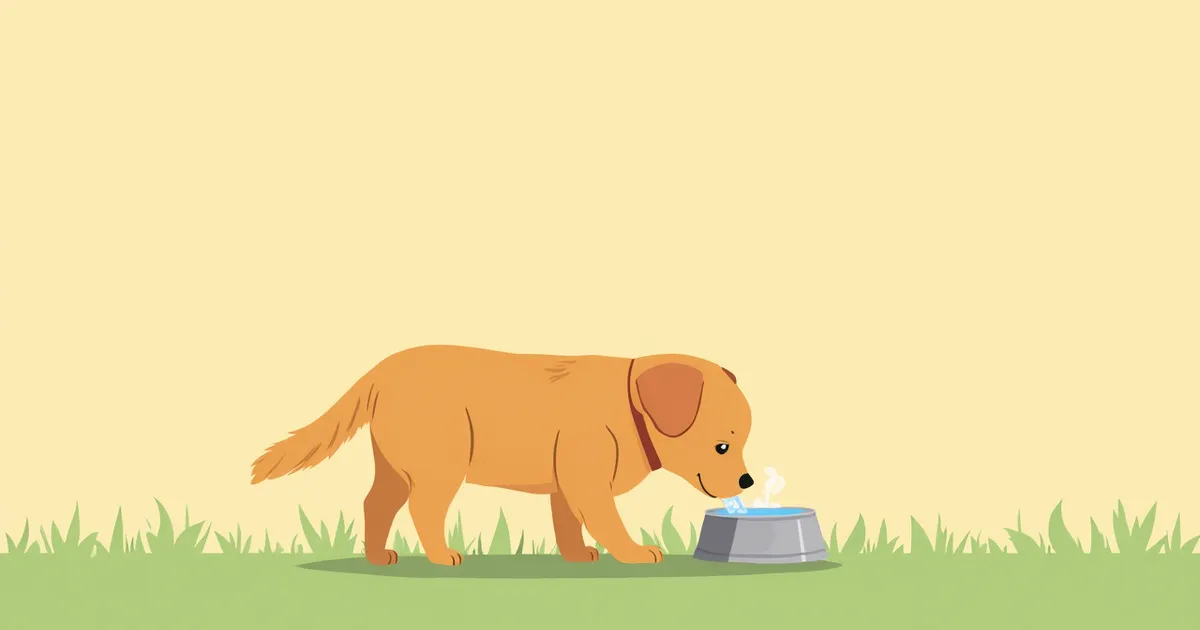
Adequate hydration: Always provide fresh water to ensure your senior dog stays well-hydrated.
An elderly dog on a healthy diet

Protecting Joint and Muscle Health

One of the most common issues in senior dogs is joint disease. If your dog hesitates on stairs, limps after walks, or struggles to stand up, they may be experiencing joint problems.
Maintain appropriate exercise: Short, regular walks are better than long ones.
Weight management: Excess weight places direct stress on the joints.
Prevent slipping: Place mats on your home’s floors to prevent slipping.
Consider joint supplements: Administer glucosamine or omega-3 fatty acids only after consulting with your veterinarian.
If you suspect joint disease, you may also want to review our Guide to Symptoms of Patellar Luxation in Dogs.
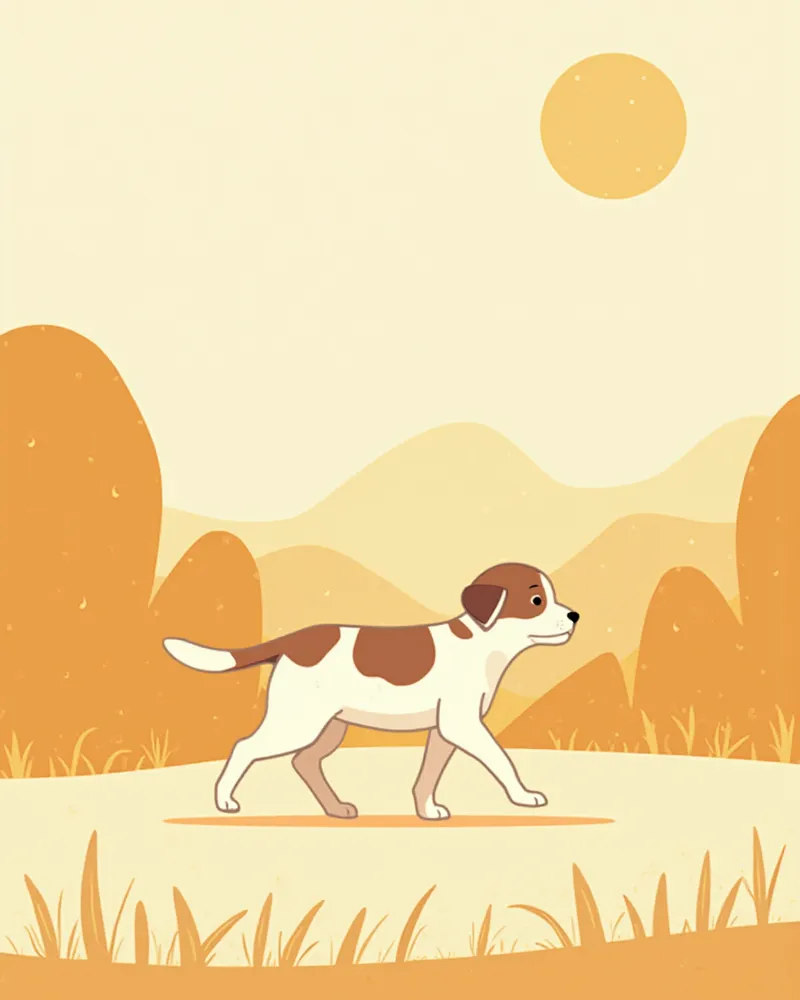
An elderly dog taking a gentle walk in the park

Health Check Items by Age Group

Health care needs and check-up schedules should be adjusted according to your senior dog’s age. Use the table below to create a care plan tailored to your pet.
Item7–9 years10–12 years13+ years
Health check-up frequency1–2 times per year2 times per year2–4 times per year
Blood testsBasic panelBasic + thyroidComprehensive panel
Dental examOnce per year1–2 times per yearTwice per year
Weight monitoringOnce per monthOnce every two weeksOnce per week
Joint assessmentAs neededOnce per yearTwice per year

Cognitive Decline Can Be Prevented Early

As dogs age, their brain function can gradually decline. If your dog starts barking at night for no apparent reason, staring blankly at walls, or having more frequent accidents, it may be a sign of cognitive decline. According to veterinary nutrition textbooks, nutritional approaches are being studied to help slow down cognitive decline in senior dogs. The best diet or supplements can vary depending on your dog's individual health status, so it's safest to consult with your veterinarian. Engaging in activities like using a snuffle mat, where they use their sense of smell to find treats, can also help stimulate their brain. Trying new walking routes or practicing simple training exercises regularly is also recommended. Consulting with your veterinarian before symptoms worsen can help you receive guidance on managing your dog's condition.
An elderly dog playing with a nosework mat

Start Care Earlier for Large-Breed Dogs

Large and giant-breed dogs begin to age earlier than small-breed dogs. According to veterinary nutrition textbooks, small and medium breeds are classified as geriatric at 7 years of age and older, whereas large and giant breeds enter their geriatric stage around 5 years of age. Because the onset of the geriatric period varies significantly by size, it’s best to start geriatric care for small and medium breeds at 7 years old, and for large and giant breeds at 5 years old. Consult your veterinarian to determine the appropriate time to begin age-appropriate health care for your dog.

Reviewed by a veterinarian

Dr. Tony — Punnawat Phongkittirak

Dr. Tony — Punnawat Phongkittirak

Veterinarian

A veterinarian who majored in veterinary medicine at Khon Kaen University, Thailand, and completed the IVSA program at North Carolina State University in the United States. Drawing on clinical experience at animal hospitals, he works in the pet healthcare field and is dedicated to building a digital care environment that connects pet parents with veterinarians.

Frequently Asked Questions

Do senior dogs really need a separate, specially formulated diet?
It’s not strictly necessary, but senior dog food can be helpful because it often contains joint-supporting ingredients and highly digestible protein. The best approach is to consult with your veterinarian and decide based on your dog’s current health status.
How much exercise is ideal for senior dogs?
Aim for short, consistent sessions of 15 to 30 minutes each day. We recommend gentle walks on flat ground rather than strenuous exercise, as this places less stress on the joints. If your pet limps or seems fatigued after a walk, reduce the duration.
My pet is suddenly drinking a lot of water. Is this normal?
A sudden increase in water intake can be an early sign of kidney disease, diabetes, or Cushing’s syndrome. If your pet is drinking noticeably more water than usual, please schedule a veterinary checkup as soon as possible.
Is it safe to give joint supplements to senior dogs?
Joint supplements like glucosamine and omega-3 fatty acids are widely used. However, since the ingredients and their concentrations vary from product to product, it’s safest to choose one recommended by your veterinarian.
How can you tell if your pet is experiencing cognitive decline?
If you notice unexplained nighttime barking, increased accidents, difficulty recognizing family members, or disorientation within the home, it may indicate cognitive decline. Please consult your veterinarian if you observe these symptoms.

Share

Related Guides

References

[1] Nutrient Requirements of Dogs and Cats — National Research Council, Chapter: Nutrient Requirements and Dietary Concentrations

[2] Applied Veterinary Clinical Nutrition, 2nd Ed — Fascetti & Delaney, Chapter: Nutritional Management of the Senior Dog and Cat

[3] The Dog Care Handbook: Things I Wish My Vet Had Told Me — Weight Management in Elderly Dogs

[4] Introduction to Animal Behavior and Veterinary Behavioral Medicine — Chapter 23: Cognitive Dysfunction and Aging

This information is based on veterinary literature and does not replace diagnosis or treatment. Please consult a veterinarian for specific health concerns.

Metapet Co., Ltd. | CEO: Park Sung-yong | Business Reg. No. 417-88-02562 | Seoul, South Korea | Customer Center

Senior Dog Health Care Guide (Age 7 and Older) | Meongsiljang