
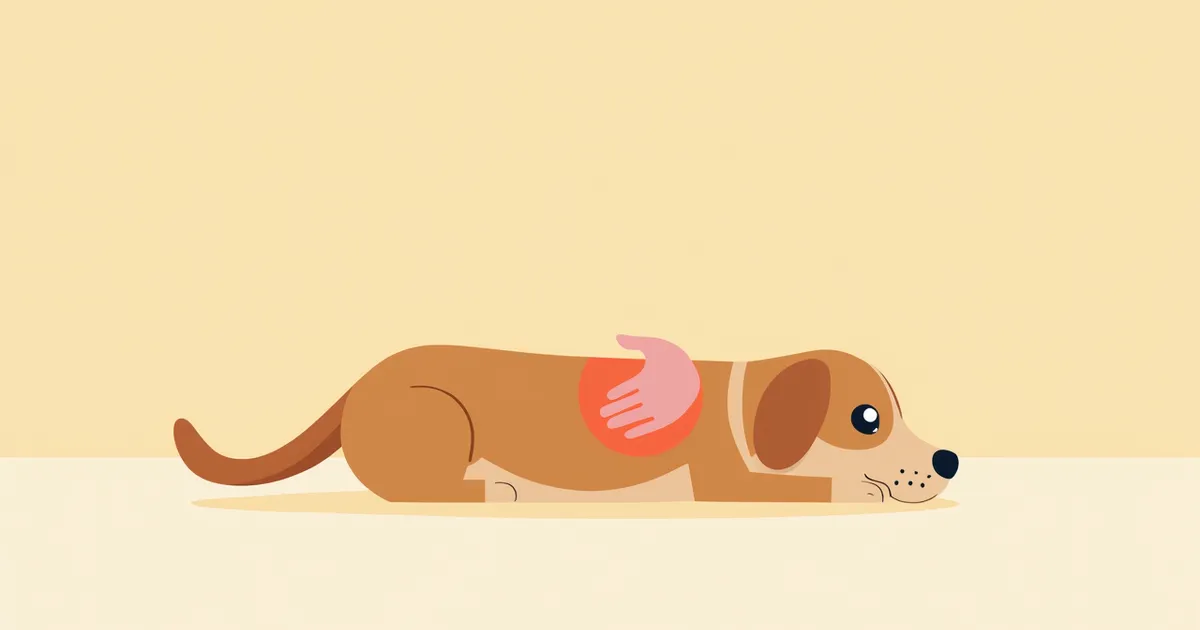
The Ultimate Guide to Canine Home CPR — Owner Checklist
Step-by-step guide to performing cardiopulmonary resuscitation (CPR) on your dog at home before reaching the veterinary clinic in case of sudden collapse. Easily check compression location, rate, and artificial respiration techniques based on body type.
What Is Canine CPR? Why Owners Must Know
What to Check Before Starting CPR
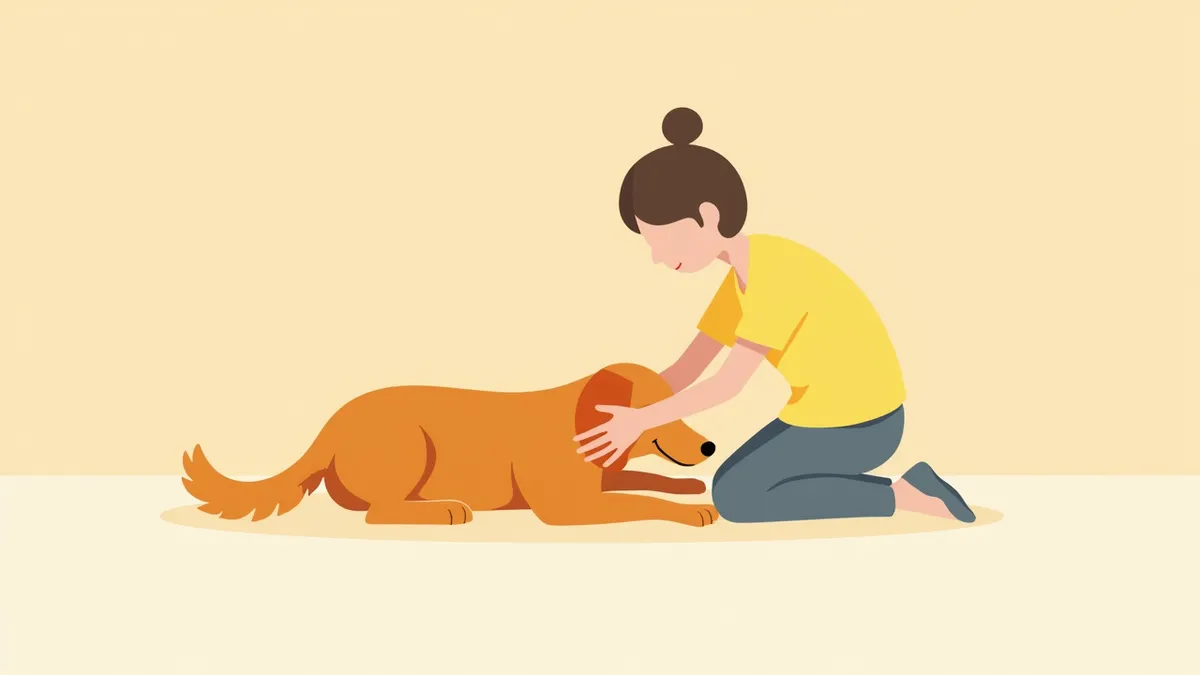
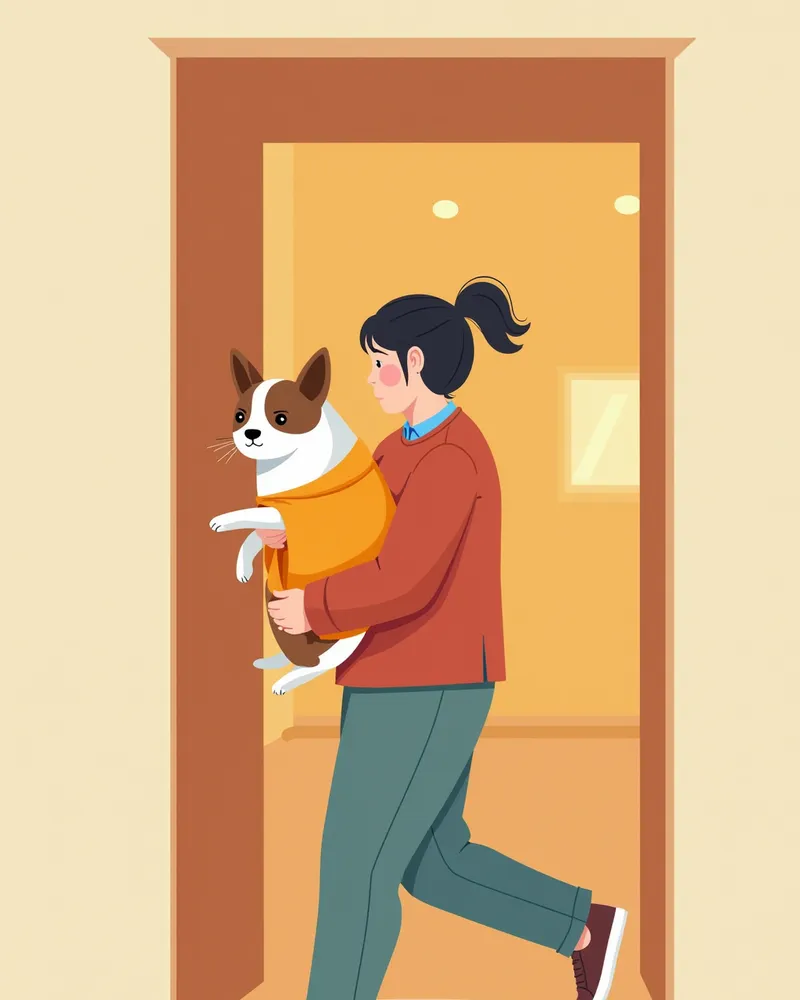
Check consciousness, breathing, and pulse within 10 to 15 seconds. If there is no response to calling their name and no chest movement, start CPR immediately. The longer the assessment takes, the faster brain damage progresses. If you are alone, perform CPR for two minutes first, then call the clinic. If two people are present, it is ideal for one to perform chest compressions while the other makes the call.
Step 1 — Checking Consciousness and Breathing, and Positioning
Step 2 — Chest Compression Technique (100–120 Compressions per Minute)
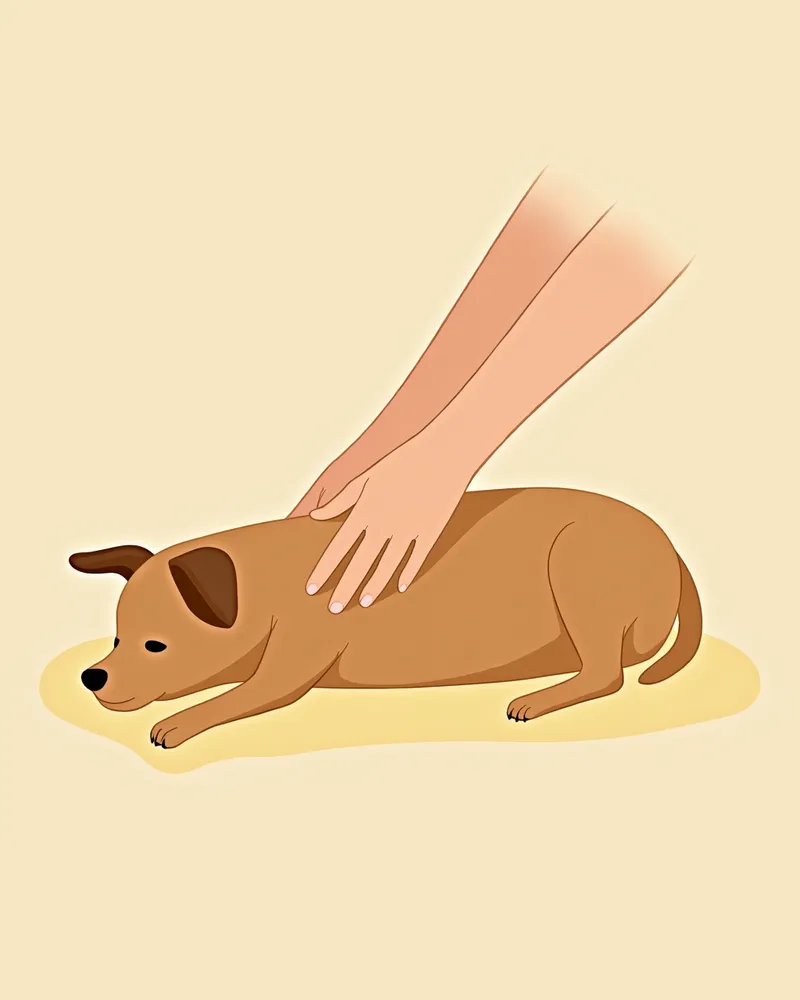
Step 3 — Artificial Respiration Technique (30:2 Ratio)
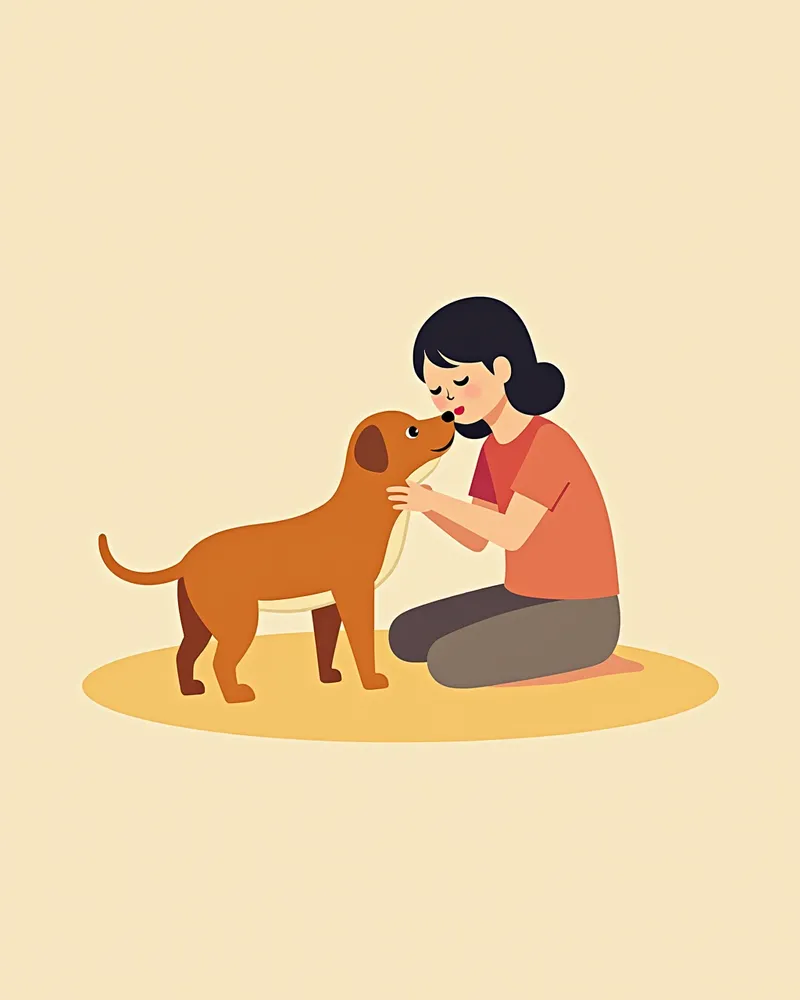
Step 4 — Repeating the 2-Minute Cycle and Checking for Spontaneous Circulation
CPR Positioning and Compression Tips by Dog Body Type
| Item | Small Dog (under 5kg) | Medium Dog (5–25kg) | Large Dog (over 25kg) |
|---|---|---|---|
| Direction to Lay | Lay on side (lateral recumbency) | Lay on side (lateral recumbency) | Lay on side (lateral recumbency) |
| Compression Location | Wrap hand around sternum and compress | Compress at the widest part of the chest | Compress at the widest part of the chest |
| Hand Compression Method | Wrap and compress with one hand or two fingers | Two hands overlapped, using the heel of the hand | Two hands firmly overlapped |
| Compression Depth | 1/3 of chest thickness | 1/3–1/2 of chest thickness | 1/2 of chest thickness |
| Compression Rate | 100–120 times/min | 100–120 times/min | 100–120 times/min |
| Rescue Breath Air Volume | Very small amount, gently | Just enough for the chest to rise slightly | Blow in a full breath |
For all body types, the key is to lift your hand completely off after compression to ensure the chest springs back up (recoil). However, brachycephalic breeds with flat chests, such as Bulldogs, are an exception — lay them on their back (dorsal recumbency) and compress over the sternum. It is important to determine positioning based on chest shape rather than body type (weight).
How to Respond to These Situations During CPR
If vomiting occurs, turn the head to the side to prevent airway obstruction, quickly wipe the mouth, and immediately resume CPR. Do not stop even if you feel ribs cracking—preserving life is the priority. Brachycephalic breeds (such as Bulldogs, Pugs, and Shih Tzus) may have difficulty with rescue breathing due to their airway anatomy. In these cases, focus more on chest compressions and transport the pet to a veterinary hospital as quickly as possible.
What to Do Until Transport to the Veterinary Clinic After CPR
Reviewed by a veterinarian

Dr. Tony — Punnawat Phongkittirak
VeterinarianA veterinarian who majored in veterinary medicine at Khon Kaen University, Thailand, and completed the IVSA program at North Carolina State University in the United States. Drawing on clinical experience at animal hospitals, he works in the pet healthcare field and is dedicated to building a digital care environment that connects pet parents with veterinarians.
Reviewed 2026-06-01
Frequently Asked Questions
Can ribs break during CPR?
I’m having trouble performing artificial respiration. Is chest compression alone effective?
Should CPR be performed if a foreign object is lodged in the throat?
Is there a way to learn CPR in advance at home?
How long should CPR be performed?
Share
Related Guides

Top Recommendations and Selection Criteria for Cat FIV and FeLV Testing
Top Microchip Implantation Management Recommendations for Dogs and Key Selection Criteria

Complete Guide to Choosing, Comparing, and Managing the Best Heartworm Preventives for Dogs

When Is the Best Time to Neuter a Male Dog? — Comparing Effects of Early vs. Post-Growth Timing

Timing of Spaying Your Female Dog — A Guide to Deciding Before or After the First Heat Cycle

Protecting Your Dog’s Liver — Checklist of Medications and Foods to Avoid in Daily Life

Protecting Your Cat’s Kidneys: 7 Ways to Naturally Increase Water Intake and a Senior Cat Care Guide

Monthly Schedule and Comparison of Dog Heartworm Preventives: Complete Guide to Oral, Topical, and Injectable Forms

When and How Often to Deworm Puppies: A Guide to Schedules by Age and Season, and Drug Selection
When to Start Cancer Screening for Senior Dogs and Recommended Tests — Checklist from Age 7
References
[1] Fletcher DJ, Boller M, Brainard BM, et al. RECOVER evidence and knowledge gap analysis on veterinary CPR. Part 7: Clinical guidelines. Journal of Veterinary Emergency and Critical Care 22(s1):S102-S131, 2012.
[2] Silverstein DC, Hopper K. Small Animal Critical Care Medicine, 3rd Ed. Chapter 4: Cardiopulmonary Resuscitation. Elsevier, 2023.
[3] Hopper K, Epstein SE, Fletcher DJ, et al. RECOVER evidence and knowledge gap analysis on veterinary CPR. Part 3: Basic life support. Journal of Veterinary Emergency and Critical Care 22(s1):S26-S43, 2012.