Like
Share
멍실장
고양이 연령별 정기 건강검진 — 노령묘 검사 항목 가이드

Age-Specific Routine Health Checkups for Cats — Guide to Senior Cat Examination Items

Admin·Insurance·Vet CarePreventionMeongsiljang Veterinary Advisory Board

For cats, annual check-ups are recommended starting at age 1, while senior cats aged 7 and older should be seen every six months. We’ve compiled a complete list of essential blood, urine, and imaging tests to monitor at each life stage.

What Is a Cat Health Checkup?
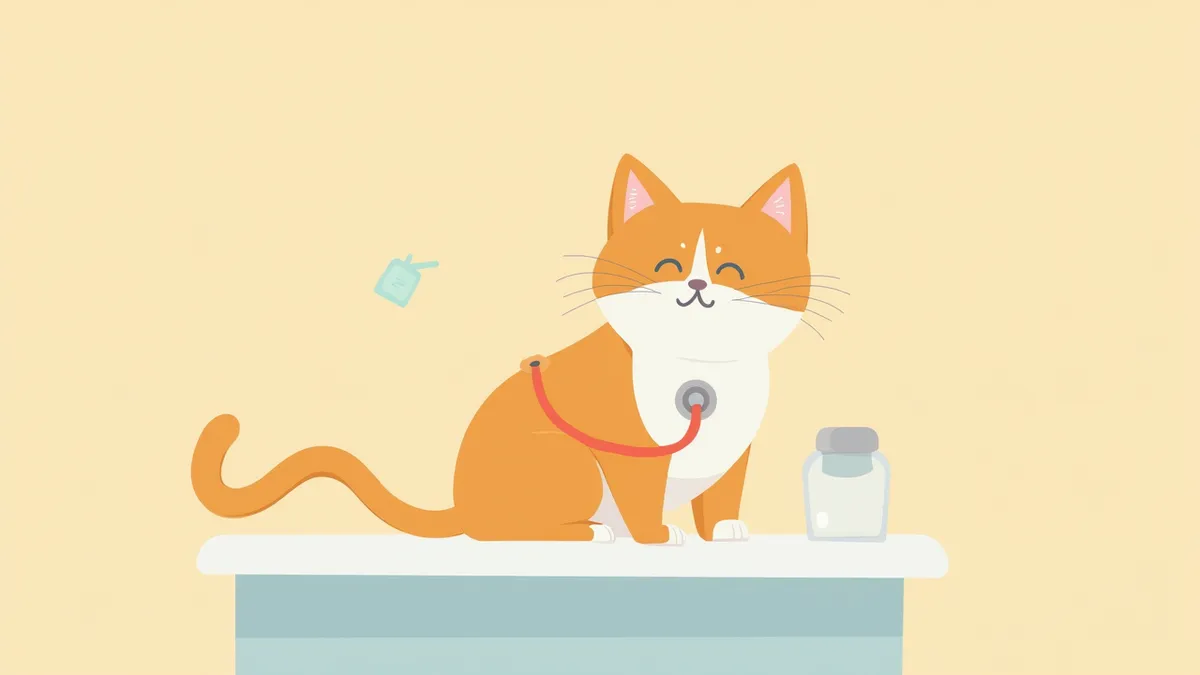
An elderly cat undergoing a veterinary auscultation
Routine health checkups for cats are a form of preventive care that uses blood, urine, and imaging tests to detect early-stage diseases that owners may not notice. The key is to tailor the specific tests and frequency to your cat’s age. The American Association of Feline Practitioners (AAFP) guidelines recommend at least one annual checkup for all cats, regular exams including blood tests and blood pressure measurements starting at age seven, and biannual checkups (every six months) for senior cats aged ten and older. Because cats have a strong instinct to hide pain and discomfort, diseases are often quite advanced by the time symptoms become apparent.

Important Pre-Checkup Preparations

Your pet should fast for 8–12 hours starting the evening before the checkup (water is usually allowed). Please note down the types and dosages of any regular supplements or medications and inform the clinic in advance. For cats that are sensitive to stress, beginning carrier acclimation training 1–2 weeks beforehand significantly improves the accuracy of blood pressure and heart rate measurements. If your pet is in heat or there is a possibility of pregnancy, it is best to discuss rescheduling the appointment.

Checkups for Kittens Under 1 Year Old

For kittens, we conduct a basic health checkup alongside their initial vaccinations. The key examination items are as follows: - Basic Physical Examination: Checking weight, body temperature, heart rate, and oral health - Parasite Screening: Fecal examination to identify roundworms, hookworms, and coccidia - Feline Leukemia Virus (FeLV) and Feline Immunodeficiency Virus (FIV) Testing: Recommended immediately after adoption - Basic Blood Work: To assess safety prior to anesthesia or neutering At this stage, the focus is on screening for infectious diseases, parasites, and congenital abnormalities rather than comprehensive screening for major diseases.

Checkups for Adult Cats Aged 1–6 Years

For adult cats, an annual checkup is standard, even if they show no obvious symptoms. This is the ideal time to monitor key health indicators: - Complete Blood Count (CBC): Checks for signs of anemia, inflammation, or infection. - Serum Chemistry Panel: Evaluates liver, kidney, and pancreatic enzymes, as well as protein levels and blood glucose. - Urinalysis: Helps detect urinary tract diseases early by assessing urine specific gravity, protein, and the presence of blood. - Thyroid Hormone (T4): Hyperthyroidism typically develops in older cats, so regular testing is usually recommended starting at age seven. However, your veterinarian may suggest establishing a baseline earlier based on individual assessment. - Oral Examination: Checks for the progression of periodontal disease. Even indoor cats are at high risk for urinary and dental issues, so please ensure they receive these annual checkups without fail.

Essential Examinations for Senior Cats Aged 7 and Older
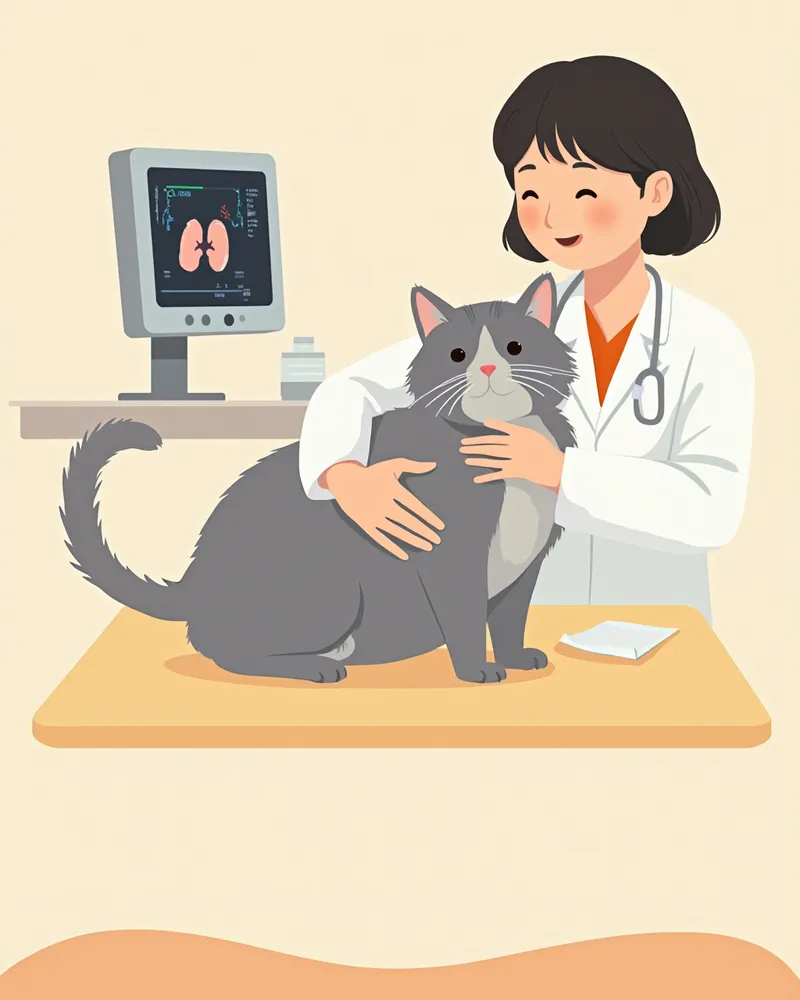
Starting at age 7, regular checkups including blood and blood pressure tests are recommended. For senior cats over 10 years old, it’s best to increase the frequency of these exams to twice a year (every six months). The goal is to detect common age-related conditions in older cats—such as chronic kidney disease, hyperthyroidism, diabetes, and heart disease (especially hypertrophic cardiomyopathy)—at an early stage. - Comprehensive blood and urine panel: Includes early kidney markers such as SDMA - Blood pressure measurement: Directly linked to chronic kidney disease, hyperthyroidism, and hypertension - Quantitative thyroid hormone (T4) test: Recommended at every checkup - Cardiac evaluation: Chest X-rays have limited ability to detect cardiac enlargement, so echocardiography (cardiac ultrasound) is more accurate. Abdominal ultrasound can also screen for kidney issues and tumors. - Ophthalmic examination: To check for hypertensive retinal detachment
An abdominal ultrasound examination of a senior cat

Comparison of Examination Items by Age

ItemUnder 1 year1–6 years (adult cat)7 years and older (senior cat)
Recommended intervalAccording to vaccination scheduleOnce a yearOnce a year (twice a year for 10+)
Complete blood count (CBC)TrueTrueTrue
Serum chemistry testOptionalTrueTrue
UrinalysisFalseTrueTrue
FeLV/FIV testTrueOptionalOptional
Thyroid hormone (T4)FalseOptionalTrue
Blood pressure measurementFalseOptionalTrue
Abdominal ultrasoundFalseIf symptomaticTrue
SDMA (early kidney marker)FalseOptionalTrue

Based on AAFP guidelines and standard checkup packages at domestic animal hospitals

Key Points for Interpreting Test Results

When you receive the lab results, it’s more important to look at the trends over time than to focus on individual numbers. For senior cats, comparing current results with those from six months ago or last year is key to understanding their health trajectory. - Creatinine, BUN, and SDMA: These are early indicators of chronic kidney disease. Rather than looking at a single value, it’s essential to monitor whether these markers are rising over time. - T4 levels: If T4 is near the upper limit of the normal range, hyperthyroidism should be considered. - Blood glucose and urine specific gravity: These help assess for diabetes and the kidneys’ ability to concentrate urine. - Systolic blood pressure: Consistently high readings increase the risk of damage to target organs such as the kidneys, eyes, and heart. Please keep your cat’s previous lab reports and bring them to each veterinary visit for comparison.
Blood test results and sample tubes on a veterinary clinic desk

Signs Easily Missed in Senior Cats

For senior cats, it’s best to visit the vet promptly—separate from routine checkups—if you notice any of the following changes: - Increased water intake or urine output compared to usual (possible chronic kidney disease or diabetes) - Weight loss despite normal appetite, or increased activity levels (possible hyperthyroidism) - Rapid breathing or open-mouth breathing (emergency sign of heart disease) - Vomiting occurring two or more times per week In particular, difficulty breathing is an emergency that requires veterinary assessment within 24 hours.

Reviewed by a veterinarian

Dr. Tony — Punnawat Phongkittirak

Dr. Tony — Punnawat Phongkittirak

Veterinarian

A veterinarian who majored in veterinary medicine at Khon Kaen University, Thailand, and completed the IVSA program at North Carolina State University in the United States. Drawing on clinical experience at animal hospitals, he works in the pet healthcare field and is dedicated to building a digital care environment that connects pet parents with veterinarians.

Frequently Asked Questions

Do indoor cats really need regular health check-ups?
Yes, indoor cats are also prone to chronic kidney disease, periodontal disease, and urinary tract disorders, so annual check-ups are recommended. Cats have a strong instinct to hide pain, making it difficult for owners to detect early signs of illness.
How much does a routine health check-up typically cost?
The cost can vary significantly depending on the scope of the tests. Basic packages, which typically include blood and urine tests, usually cost around $70, while comprehensive senior cat packages—including blood pressure checks, ultrasounds, and T4 thyroid testing—often range from $100 to $300. Since the specific items included can differ from one veterinary clinic to another, it’s a good idea to ask for a detailed breakdown and estimate beforehand.
I’m worried that my cat might be so stressed on the day of the check-up that the results could be inaccurate.
You can help reduce stress by training your pet to get used to the carrier, using a pheromone spray, and covering the carrier with a cloth. If blood pressure is temporarily elevated, have it rechecked at the clinic after allowing your pet to rest for 5–10 minutes. If your pet is overly excited, it’s also an option to reschedule the measurement for another day.
Is it safe for senior cats to undergo tests that require anesthesia?
We first assess anesthesia risk by checking liver and kidney function and heart health through pre-anesthetic blood tests. Even for pets aged seven or older, if the pre-anesthetic tests are normal, procedures requiring anesthesia, such as dental scaling and endoscopy, are generally safe. Please discuss the risks and benefits with your veterinarian to make the best decision.
Can my pet have a health checkup and vaccinations on the same day?
A basic physical exam and vaccinations can be done on the same day, but for comprehensive tests that involve blood draws, it’s recommended to either complete them before vaccination or wait 1–2 weeks afterward. Temporary changes in blood values due to vaccine reactions can make it difficult to interpret the results accurately.

Share

Related Guides

References

[1] AAHA/AAFP Feline Life Stage Guidelines, Journal of Feline Medicine and Surgery, 2021

[2] Little SE, The Cat: Clinical Medicine and Management, 1st Ed, Chapter 4 (Wellness Care)

[3] Small Animal Critical Care Medicine, 3rd Ed, Chapter on Renal Disease and Hypertension

[4] Ettinger SJ, Textbook of Veterinary Internal Medicine, 8th Ed, Feline Geriatric Section

This information is based on veterinary literature and does not replace diagnosis or treatment. Please consult a veterinarian for specific health concerns.

Metapet Co., Ltd. | CEO: Park Sung-yong | Business Reg. No. 417-88-02562 | Seoul, South Korea | Customer Center

Cat Health Checkups by Age: Senior Cat Exam Guide | Meongsiljang