Like
Share
멍실장
퍼피 월령별 케어 체크리스트: 2개월~12개월 완벽 가이드

Puppy Monthly Care Checklist — Step-by-Step Guide from 2 to 12 Months

ImmunityPreventionMeongsiljang Veterinary Advisory Board

We’ve compiled a comprehensive guide to essential vaccinations, nutrition, socialization, and spaying/neutering timelines for puppies from 2 to 12 months of age. Missing these critical windows can impact your puppy’s immunity and growth, so please use this checklist to stay on track.

Why Is Monthly Puppy Care Important?
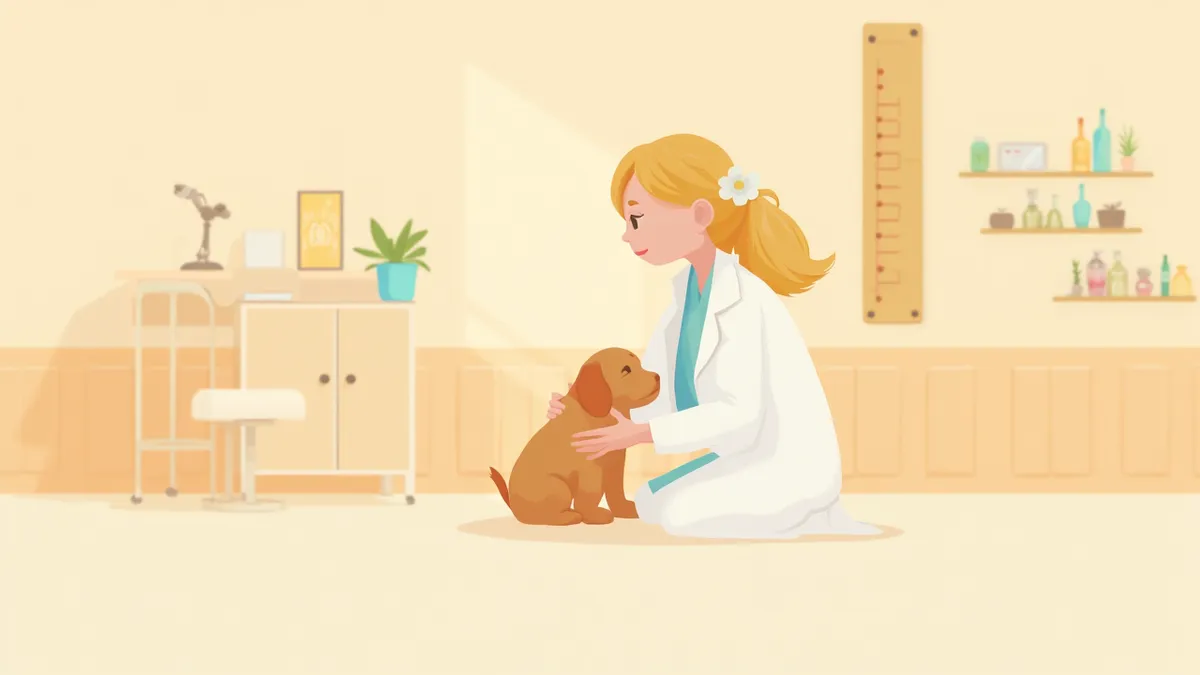
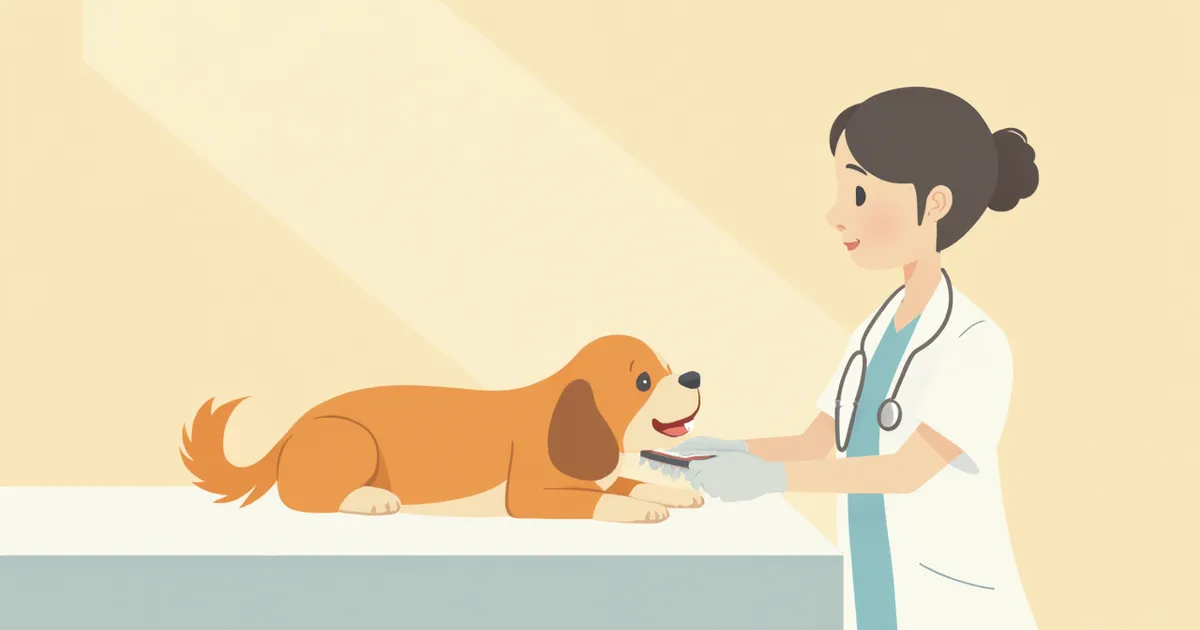
A veterinarian examining a small puppy.
Puppy care by month of age is a management approach that addresses vaccination, nutrition, and socialization in stages, tailored to the rapid growth and immune system development of puppies from 2 to 12 months old. The golden window is between 2 and 4 months of age. If the initial core vaccinations and socialization training are not completed during this period, your puppy faces not only an increased risk of infectious diseases but also potential lifelong behavioral issues such as separation anxiety and aggression. Since the care requirements change significantly each month, it is important to have a clear plan of what needs to be done at each stage.

Essential Checks Before Vaccination

Vaccinations should begin at 6 to 8 weeks of age, when the antibodies received from the mother’s colostrum start to decline. On the day of vaccination, your puppy’s temperature, appetite, and stool should all be normal. For two weeks after vaccination, avoid going outdoors and bathing. Since parasitic infections can reduce vaccine efficacy, please also have a fecal test done during your first visit.

2–3 Months: First Vaccination and Fecal Examination

Two months of age marks the beginning of all care. Here’s what you need to focus on during this period: - First round of core vaccines (DHPPL): Administered at two months, followed by booster shots every two weeks. - Coronavirus enteritis vaccine: First dose (optional). - Internal and external parasite control: Consult your veterinarian for deworming and heartworm prevention schedules. - Fecal examination: To check for parasitic infections such as Giardia and roundworms. - Health check-up: Initial assessment for hernias, heart murmurs, and patellar condition. It’s true that puppies are at risk of contracting infectious diseases like parvovirus and distemper before completing their vaccination series. However, completely isolating them until four months of age to avoid this risk can lead to socialization failure, resulting in lifelong behavioral issues. Instead, gradually expose them to safe outdoor stimuli in controlled environments, such as clean, low-risk areas or interactions with healthy, vaccinated dogs.

4–5 Months: Socialization Golden Window and Booster Shots

By around four months of age, your puppy should have completed the core vaccination series, including the fifth round of the combination vaccine, the rabies vaccine, and the kennel cough vaccine. This is also a critical window for socialization. - Rabies vaccine: Administered once between 3 and 4 months of age - Kennel cough vaccine: Prevents infectious tracheobronchitis - Socialization training: Exposure to various sounds, people, and other dogs - Basic potty and handling training: Getting accustomed to having their paws, mouth, and ears touched - Teething care: Providing chew toys to strengthen jaw muscles Missing this crucial period can lead to excessive stress and anxiety in adulthood when encountering unfamiliar environments.
A puppy meeting other dogs in a socialization class

Monthly Essential Care Comparison Chart

Item2–3 months4–6 months7–12 months
Core Vaccinations1st–3rd combination vaccineRabies, kennel cough, influenzaPreparing for 1-year booster
FoodPuppy food (4 times/day)Puppy food (3 times/day)Preparing to transition to adult food (2 times/day)
SocializationAdapting to the home environmentExperiencing various stimuli (golden time)Establishing a walking routine
NeuteringFalseFalseTrue
Heartworm PreventionTrueTrueTrue

The timing of neutering varies by breed and size; small dogs are generally at 6–9 months and large dogs after 12 months.

6–12 Months: Spaying/Neutering and Transition to Adult Dog Food
Sexual maturity begins around six months of age. The ideal timing for spaying or neutering varies by breed and size; small breeds are often sterilized at a relatively early stage, while large breeds are typically sterilized after they have fully grown, so it’s best to consult your veterinarian to decide. For large and giant breeds, slow, controlled growth is beneficial for skeletal health. Excessive dietary calcium can negatively impact skeletal maturation and increase the risk of orthopedic conditions, so this should also be taken into consideration. - Spaying/Neutering: Consult your veterinarian to determine the appropriate timing based on breed and size. - Transition to Adult Food: Continue puppy food for at least 10 months, and transition gradually over 7–10 days. - Tartar Control: Begin establishing a tooth-brushing routine around six months, when teething is complete. - Weight Management: Maintain a body condition where the ribs are easily felt to prevent obesity.
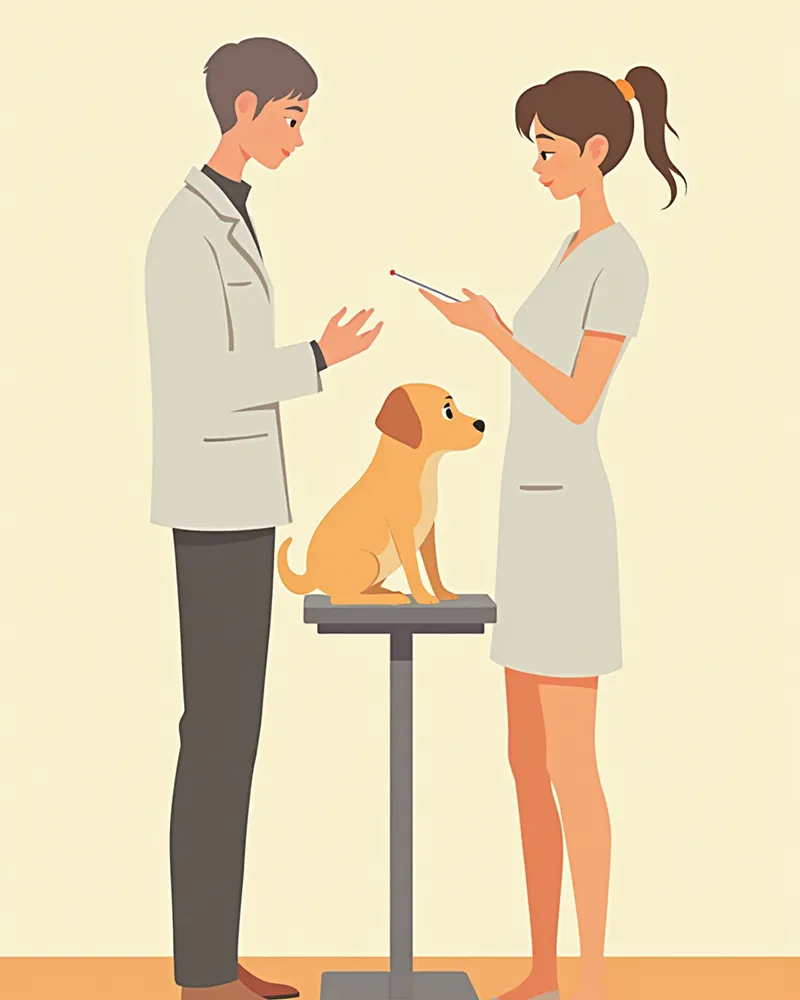
A veterinarian and a pet owner checking the weight of an adolescent puppy together.

Correct Feeding Guidelines by Month of Age

Puppies have high energy and nutrient requirements during their growth phase. In the first few months of life, puppies need about twice as much energy per kilogram of body weight as adult dogs, and they require more protein due to their still-developing immune systems. - Puppy food standards: A minimum of 22% protein on a dry matter basis is recommended (most complete diets typically contain 24–30%). - Feeding frequency: Feed more frequently in smaller portions when young, and gradually reduce the number of meals as they grow. - Large breed caution: Excessive calcium intake can negatively affect skeletal development and predispose dogs to orthopedic conditions. Do not mix adult dog food or supplements without veterinary guidance. - How to judge portion size: If you can easily feel the ribs, the amount is appropriate; if you cannot feel them, the dog may be overweight. It is recommended to feed puppy-specific food for at least the first 10 months.

Certain Breeds Require Additional Precautions

Breeds such as Collies, Shetland Sheepdogs, and Australian Shepherds carry a mutation in the MDR1 gene, which can cause severe adverse reactions to certain heartworm preventatives and anti-diarrheal medications. Be sure to inform your veterinarian of your dog’s breed during the first visit, and consider genetic testing if recommended. Additionally, brachycephalic breeds like Pugs and French Bulldogs face higher anesthesia risks, so their spay or neuter schedules should be planned with extra care.

Reviewed by a veterinarian

Dr. Tony — Punnawat Phongkittirak

Dr. Tony — Punnawat Phongkittirak

Veterinarian

A veterinarian who majored in veterinary medicine at Khon Kaen University, Thailand, and completed the IVSA program at North Carolina State University in the United States. Drawing on clinical experience at animal hospitals, he works in the pet healthcare field and is dedicated to building a digital care environment that connects pet parents with veterinarians.

Frequently Asked Questions

Can I take my pet for a walk before the vaccination series is complete?
It’s true that puppies remain at risk of contracting contagious diseases like parvovirus and distemper until they’ve completed their full vaccination series. However, completely isolating them until four months of age to avoid this risk can actually lead to failed socialization, resulting in more significant behavioral issues later on. Instead, gradually expose them to stimuli through safe methods, such as carrying them outside to observe the world or arranging supervised meetings with healthy, fully vaccinated puppies in clean, low-risk environments.
Is it okay to neuter my large-breed dog at 6 months of age?
Large-breed dogs are often spayed or neutered after they have fully grown. Since slow, controlled growth is known to benefit skeletal health in large and giant breeds, we recommend consulting with your veterinarian to determine the optimal timing based on your dog’s breed, size, and overall health status.
When should I switch my puppy from puppy food to adult dog food?
It's best to feed puppy food until at least 10 months of age, and for large breeds, you may need to transition even later. When switching foods, gradually mix the new food with the current food over 7 to 10 days.
Is it still okay if I missed the golden window for socialization?
Even after four months, consistent positive experiences tailored to your puppy’s pace can lead to improvement. Forcing your dog to confront what it fears can intensify its anxiety, so allow it to approach and explore at its own pace. If you find this challenging, consider consulting a professional trainer.
When should heartworm prevention begin for puppies?
Heartworm prevention typically begins in puppyhood, with monthly dosing as the standard. The exact start time, medication choice, and dosage should be determined in consultation with your veterinarian based on your dog’s individual health status and weight.

Share

Related Guides

References

[1] The Dog Care Handbook: Things I Wish My Vet Had Told Me - Puppy Nutrition and Feeding Chapter

[2] Applied Veterinary Clinical Nutrition, 2nd Edition - Nutrition of Growing Dogs

[3] Nutrient Requirements of Dogs and Cats (NRC) - Growth of Puppies After Weaning

[4] The Veterinary Workbook of Small Animal Clinical Cases - The New Puppy Wellness Examination

This information is based on veterinary literature and does not replace diagnosis or treatment. Please consult a veterinarian for specific health concerns.

Metapet Co., Ltd. | CEO: Park Sung-yong | Business Reg. No. 417-88-02562 | Seoul, South Korea | Customer Center

Puppy Monthly Care Checklist: 2 to 12 Months Guide | Meongsiljang