Like
Share
멍실장
응급 연락처·동물병원 리스트 정리

Veterinary Clinic vs. 24-Hour Emergency Hospital — Where to Go in an Emergency

ImmunityPreventionMeongsiljang Veterinary Advisory Board

We’ll share how to prepare a list of 24-hour emergency vet clinics, your primary veterinarian, and other caregivers’ contact information, along with an essential checklist for pet emergencies.

What Is an Emergency Contact List?

A pet owner organizing a list of emergency contact numbers.
This emergency contact list for your pet is a quick-reference guide that consolidates your primary vet clinic, a 24-hour emergency animal hospital, and transportation routes onto a single page, so you can call immediately in critical situations like accidents, seizures, or difficulty breathing. The most important thing is whether you can pull it out within one minute, even in a panic. Many pet owners unfortunately miss the golden window of treatment by searching for a hospital during an emergency. For maximum safety, keep copies posted in three places right now: on the refrigerator, by the front door, and on your phone.

Essential Checks Before Creating Your Emergency List

Before compiling your emergency contact list, be sure to identify in advance a 24-hour animal hospital that is within a 20-minute drive from your home. Your primary care clinic may be closed during nights and weekends, and visiting an unfamiliar hospital in an emergency can delay treatment due to the lack of medical records. You should have at least three contacts on hand: your primary care clinic, a 24-hour emergency hospital, and a second backup clinic.

Items That Must Be Included in Your Emergency Contact List

This list isn’t just for phone numbers. It should also include your pet’s basic information so the veterinarian can assess the situation before arriving.
Primary Care Clinic: Name, phone number, operating hours, address
24-Hour Emergency Hospital: The closest one to your home as first choice, and a second option
Pet Information: Name, breed, age, weight, spayed/neutered status
Medical Records: Underlying conditions, current medications, allergies, most recent vaccination date
Owner Contact Information: Primary owner, two emergency contacts
Transportation Options: Taxi-hailing app, pet-friendly transportation services
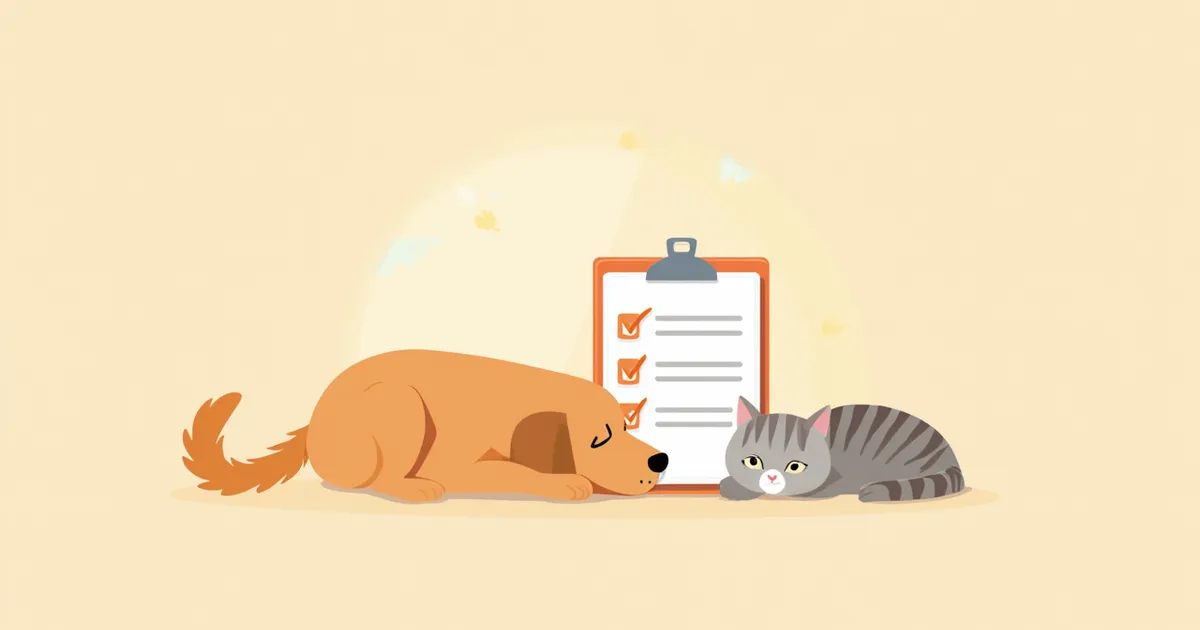
Emergency Contact Information Checklist

When and Where to Go Depending on the Type of Clinic

ItemPrimary Care Vet24-Hour Emergency HospitalUniversity Veterinary Hospital
Hours of UseWeekday daytimeNights, weekends, holidaysScheduled visits + complex emergencies
Main RoleGeneral care & vaccinationsEmergency treatment & overnight monitoringSecondary care & specialist surgery
Access to Medical RecordsAvailableNot available on first visitReferral required
Contact Priority1st priority1st priority (nights)3rd priority (for referrals)

In an emergency, the 'nearest 24-hour hospital' takes priority.

Emergency Signs That Require an Immediate Call
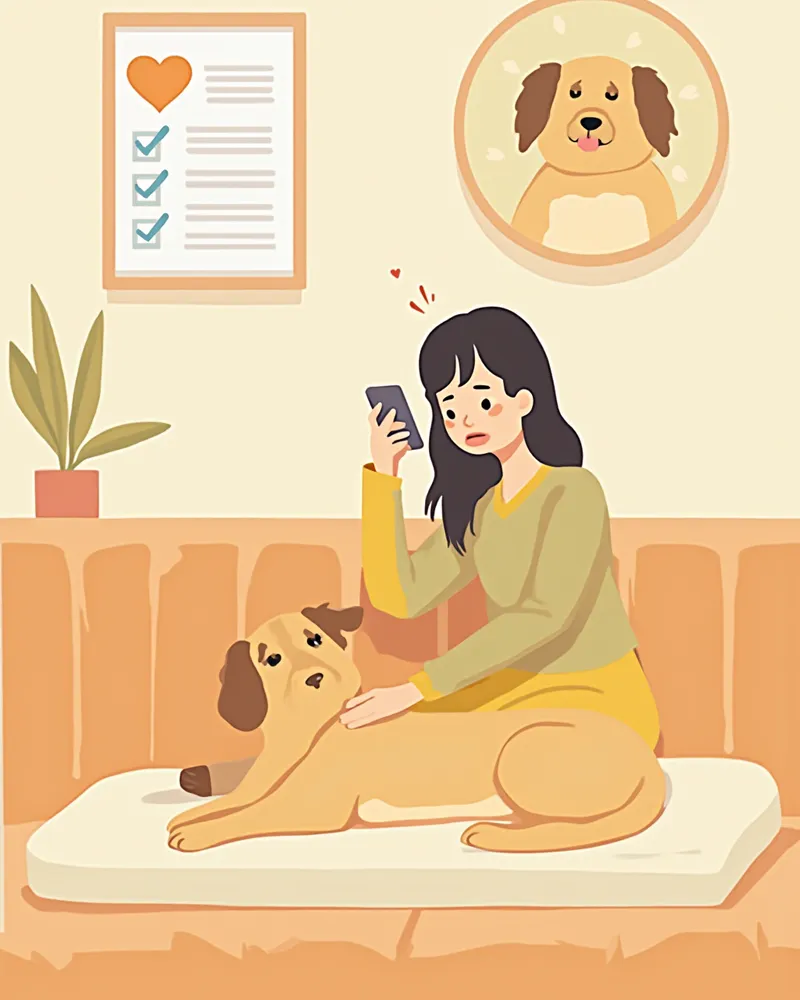
If you notice any of the following signs, pull up this list and call us immediately.
Decreased consciousness: No response when called or collapsed
Difficulty breathing: Panting with mouth open or blue tongue/gums
Heavy bleeding: Bleeding that doesn’t stop after 5 minutes of pressure
Seizures: Lasting more than 5 minutes or recurring more than twice a day
Suspected poisoning: Ingestion of chocolate, onions, xylitol, or human medications
Abdominal distension: Belly swollen like a drum with inability to vomit (suspected GDV)
When you call, summarize the situation in two sentences so the clinic can prepare in advance.
Emergency Signs Checklist

Three Places to Keep Your List

Even if you organize everything perfectly, it’s no use if you can’t find the information in an emergency. I recommend keeping copies in three easily accessible places.
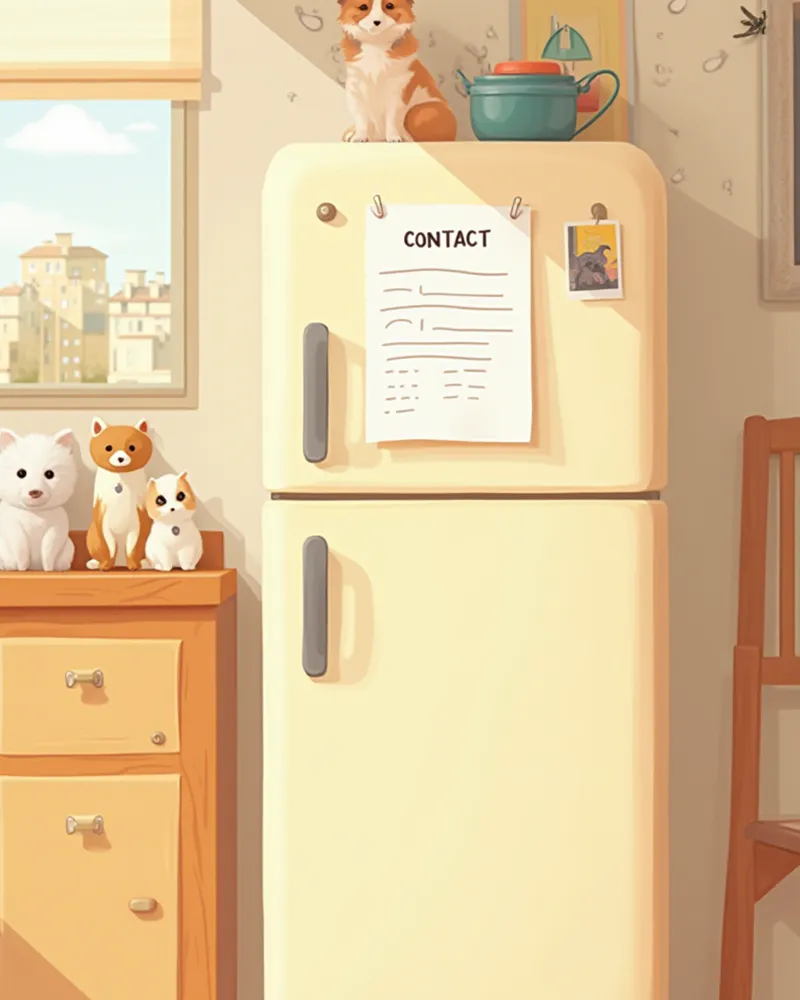
Front of the refrigerator: A spot visible to all family members, secured with a magnet
Phone notes and lock screen: To prepare for accidents while you’re out; save a screenshot as well
Pet carrier or travel bag: Essential for emergencies during travel or when leaving your pet with a sitter
In particular, sharing a photo of this information with family members or friends who frequently care for your pet ensures a quick response even if you’re not around.
The emergency contact list posted on the refrigerator

Update Your List Every Six Months

Clinic phone numbers and operating hours change frequently, and your pet’s weight, medications, and vaccination dates are also constantly updated. Be sure to call the clinic directly at least once every six months to verify their contact number and whether they offer after-hours care. Writing “Last updated: YYYY.MM” on your list will help you keep track of when to check again.

What to Say When You Call

There’s a set order for the information you should share first in an emergency call. When you’re panicked, it’s easy to ramble, so it helps to write a quick script at the top of your list. Step 1 — Pet details: “Seven-year-old Maltese, weighing 3.5 kg.” Step 2 — Main symptoms: “For the past 30 minutes, breathing has been labored and the tongue has turned blue.” Step 3 — Underlying conditions and medications: “Currently taking pimobendan for heart disease.” Step 4 — Estimated arrival time: “We’re leaving now and will arrive in 20 minutes.” Veterinary emergency textbooks note that the initial contact between pet owners and hospitals is typically by phone. This call allows the hospital to triage the patient’s condition in advance, provide emergency care guidance, and prepare accordingly. The more symptoms you share before arriving, the better equipped the hospital can be with oxygen, IV fluids, and monitoring equipment like ECGs, enabling immediate treatment upon arrival.

Prepare a Separate Contact for Suspected Poisoning

If you suspect your pet has ingested human food, medications, plants, or cleaning products, it’s helpful to have the contact information for a 24-hour veterinary clinic that offers poisoning consultations, in addition to your regular vet. For common household toxins like chocolate, xylitol (found in gum and toothpaste), grapes, onions, and human pain relievers, keep a photo of the item and an estimate of how much was consumed ready when you call—this speeds up the decision-making process for detoxification protocols. Also, remember to bring the product’s packaging with you to the clinic.
Household items that are dangerous if swallowed by pets

Reviewed by a veterinarian

Dr. Tony — Punnawat Phongkittirak

Dr. Tony — Punnawat Phongkittirak

Veterinarian

A veterinarian who majored in veterinary medicine at Khon Kaen University, Thailand, and completed the IVSA program at North Carolina State University in the United States. Drawing on clinical experience at animal hospitals, he works in the pet healthcare field and is dedicated to building a digital care environment that connects pet parents with veterinarians.

Frequently Asked Questions

Where should I go if my regular vet clinic is closed?
During nights and weekends, head straight to the 24-hour emergency clinic you have pre-registered. For a faster response, call your primary care veterinarian first to request that your pet’s medical records be sent to the emergency clinic.
In an emergency, is it faster to go directly to the clinic or to call first?
In cases of bleeding or difficulty breathing, it’s best if one person drives while the other calls ahead. By describing the symptoms over the phone, you allow the clinic to prepare oxygen, IV fluids, and monitoring equipment in advance, so treatment can begin immediately upon arrival.
Why should you write down your pet’s name, breed, and weight in advance?
Emergency medications are calculated based on body weight, and some drugs are not suitable for certain breeds. Since it can be difficult for pet owners to provide accurate information in a panicked situation, it’s safer to keep a list with the relevant numbers written down.
What should you keep in mind when sharing the list with your pet sitter or family members?
Share not only phone numbers but also situation-specific priorities, such as “go to Hospital A for decreased consciousness, Hospital B for bleeding.” It’s also safer to decide in advance who has the authority to make decisions (such as consenting to surgery) if you’re unable to reach the pet owner.
Is it okay to keep the list only in digital format?
Since phone batteries can die or devices can be lost, it’s essential to always have a printed copy on hand. Keep paper copies in three places—your refrigerator, pet carrier, and entryway—and use the digital version as a backup for added safety.

Share

Related Guides

References

[1] Advanced Monitoring for Small Animal Emergency and Critical Care, 2nd Edition, Chapter 1 Triage and Initial Assessment

[2] Feline Emergency and Critical Care Medicine, 2nd Edition, Chapter 1 Triage of the Emergency Patient

[3] 100 Top Consultations in Small Animal General Practice, Chapter 10 The Collapsed Patient

This information is based on veterinary literature and does not replace diagnosis or treatment. Please consult a veterinarian for specific health concerns.

Metapet Co., Ltd. | CEO: Park Sung-yong | Business Reg. No. 417-88-02562 | Seoul, South Korea | Customer Center

Vet Clinic vs. 24-Hour ER: Where to Go in an Emergency | Meongsiljang