

The Ultimate Guide to Comprehensive Care for Dogs Aged 1-3
The adult years, from 1 to 3 years of age, are a golden period for laying the foundation of lifelong health. We’ve outlined the essential comprehensive care points you must attend to, including diet, exercise, vaccinations, and health check-ups.
What is the Adult Stage (1-3 Years)? Laying the Foundation for Lifelong Health
What to Check Before Starting Adult Dog Care
Before starting any care plan, it’s important to first assess your pet’s current health status. Please gather information on whether they’ve been spayed or neutered, their current weight and body condition score (BCS), recent vaccination records, and any underlying health conditions. Pets that are spayed/neutered or have low activity levels require less daily energy (maintenance energy requirement) than active dogs, making them more prone to weight gain even when fed the same amount. In fact, the maintenance energy requirement for inactive dogs is significantly lower than for active ones. Following standard feeding guidelines without considering your pet’s individual condition can lead to obesity.
Five Essential Care Priorities for Adult Dogs
Diet Management: Transitioning from Puppy Food to Adult Dog Food

Reference Guidelines for Daily Feeding Amounts by Weight
| Item | Small dogs (~5 kg) | Medium dogs (5–15 kg) | Large dogs (15–30 kg) | Giant dogs (30 kg+) |
|---|---|---|---|---|
| Daily calories | 200–400 kcal | 400–900 kcal | 900–1,500 kcal | 1,500–2,200 kcal |
| Daily feeding amount | 60–120 g | 120–250 g | 250–400 g | 400–600 g |
| Feeding frequency | 2 times | 2 times | 1–2 times | 1–2 times |
| Water intake | 150–300 ml | 300–750 ml | 750–1,500 ml | 1,500–2,500 ml |
Calories and ingredients vary by food product, so always check the recommended feeding chart for that specific food. Adjustment of ±20% is needed depending on neutering status and activity level.
Exercise for Adult Dogs: Adjusting Based on Breed and Body Type

Vaccinations and Parasite Prevention Schedule for Adult Dogs
Breed-Specific Precautions: Checking for Drug Sensitivity Genes (MDR1)
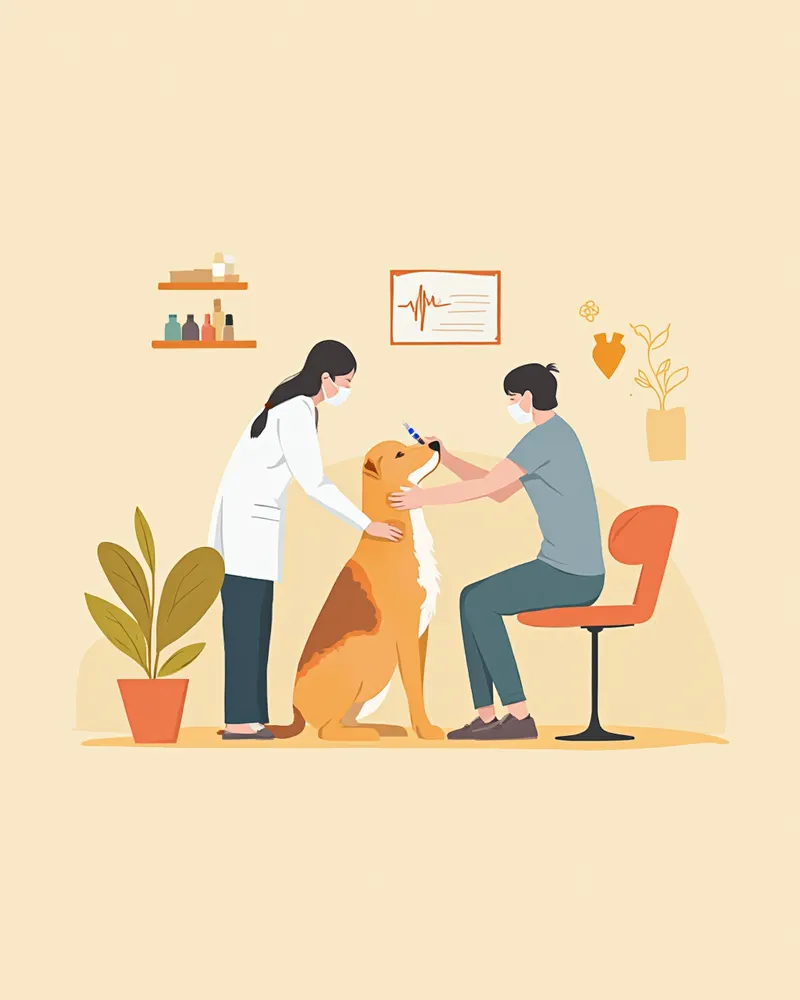
Certain breeds, such as Collies, Border Collies, Shetland Sheepdogs, and Australian Shepherds, carry a genetic mutation that increases sensitivity to certain drugs, which can lead to severe side effects from specific parasite preventatives (such as high-dose ivermectin). If you own one of these breeds, be sure to inform your veterinarian of your dog’s breed before prescribing any parasite preventative for the first time, and consider genetic testing if recommended. While standard preventive doses are generally safe, individual variations exist.
Why Daily Brushing and Annual Comprehensive Health Check-ups Are Important

Reviewed by a veterinarian

Dr. Tony — Punnawat Phongkittirak
VeterinarianA veterinarian who majored in veterinary medicine at Khon Kaen University, Thailand, and completed the IVSA program at North Carolina State University in the United States. Drawing on clinical experience at animal hospitals, he works in the pet healthcare field and is dedicated to building a digital care environment that connects pet parents with veterinarians.
Reviewed 2026-04-29
Frequently Asked Questions
Do adult dogs really need to take nutritional supplements?
How should I adjust the diet of a neutered adult dog?
What tests should be included in a health checkup?
How can I make up for exercise if my dog can’t go for a walk today?
How do you determine if an adult dog is overweight?
Share
Related Guides

Primary vs. Secondary Veterinary Hospitals: A Comparison

5 Easy-to-Raise Cat Breeds for First-Time Owners — Grooming Difficulty Comparison

Top 7 Short-Legged Dog Breeds

Types of Heartworm Preventatives for Dogs and Administration Guide

Preventing Canine Urinary Tract Infections: A Guide to Water Intake and Bathroom Environment

Pet Tartar Prevention Methods and Brushing Habits

Flea and Tick Prevention Guide — Seasonal Care and How to Choose Preventive Medications

Senior Dog Health Care Guide (Age 7 and Older)

Complete Guide to Cat Vaccination Schedules and Types

Complete Guide to Puppy Vaccination Timing and Types
References
[1] Ettinger SJ, Feldman EC, Cote E, Textbook of Veterinary Internal Medicine, 8th Edition - Chapter: Preventive Health Care of Adult Dogs, 2017
[2] AAHA Canine Life Stage Guidelines, Journal of the American Animal Hospital Association, 2019
[3] Nutrient Requirements of Dogs and Cats, 미국국립연구위원회, 2006
[4] WSAVA Global Nutrition Guidelines, World Small Animal Veterinary Association, 2021
[5] AAHA/AVMA Canine Preventive Healthcare Guidelines, 2011