
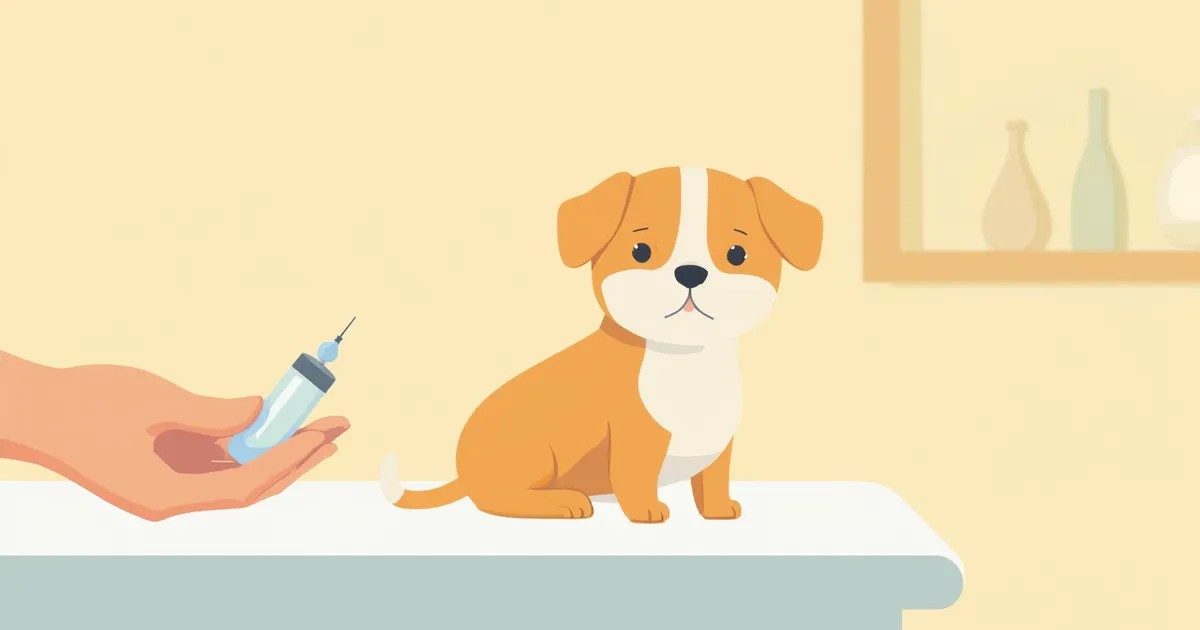
2026 Puppy Vaccination Schedule Overview — Costs by Type and How to Choose Vaccinations for Your Dog
Puppy vaccinations should begin at 6–8 weeks of age and continue until all five doses of the core combination vaccine and the rabies vaccine have been administered. We’ve compiled a clear overview of the vaccination schedule by type and average veterinary clinic costs as of 2026.
What Are Puppy Vaccinations?

Essential Checks Before Vaccination
It’s best to postpone vaccinations if your dog isn’t feeling well. For vaccines to work effectively, your dog needs to be healthy and able to mount a normal immune response. If your dog has diarrhea, vomiting, fever, or loss of appetite, skip the vaccination that day and consult your veterinarian. After adoption, give your dog a few days to adjust to the new environment, as the change can be stressful. Once settled, schedule a veterinary check-up as soon as possible to begin the first round of vaccinations. Avoid bathing your dog within 24 hours of vaccination. Mild, temporary side effects such as lethargy, soreness, or low-grade fever may occur for 2–3 days after vaccination; during this time, avoid walks, baths, and vigorous play, and monitor your dog’s condition closely. If your dog appears noticeably unwell, contact your veterinarian immediately.
5-Dose Schedule for Core Combination Vaccine (DHPPL)
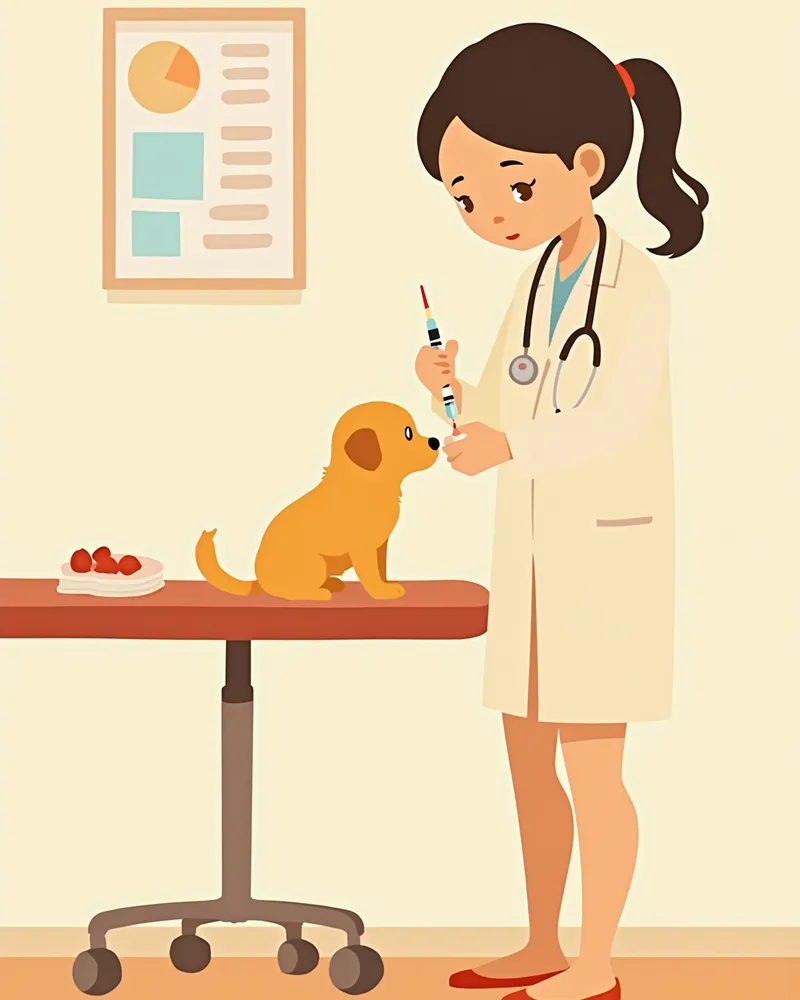
Additional Recommended Vaccines — Coronavirus, Kennel Cough, and Rabies

2026 Puppy Vaccination Costs by Type
| Item | Cost per dose | Total number of doses | Total cost |
|---|---|---|---|
| Combination vaccine (DHPPL) | KRW 30,000–50,000 | 5 doses | KRW 150,000–250,000 |
| Coronavirus enteritis | KRW 20,000–30,000 | 2 doses | KRW 40,000–60,000 |
| Kennel cough | KRW 30,000–40,000 | 1–2 doses | KRW 30,000–80,000 |
| Influenza | KRW 30,000–50,000 | 2 doses | KRW 60,000–100,000 |
| Rabies | KRW 10,000–20,000 | 1 dose | KRW 10,000–20,000 |
| Antibody titer test | KRW 50,000–80,000 | 1 time | KRW 50,000–80,000 |
| Grand total | — | — | KRW 340,000–590,000 |
Based on average prices at metropolitan-area animal hospitals as of January 2026 — costs vary by region, hospital, and whether a multi-dose package discount applies.
Antibody Testing After the 5th Dose — Determining the Need for Booster Shots
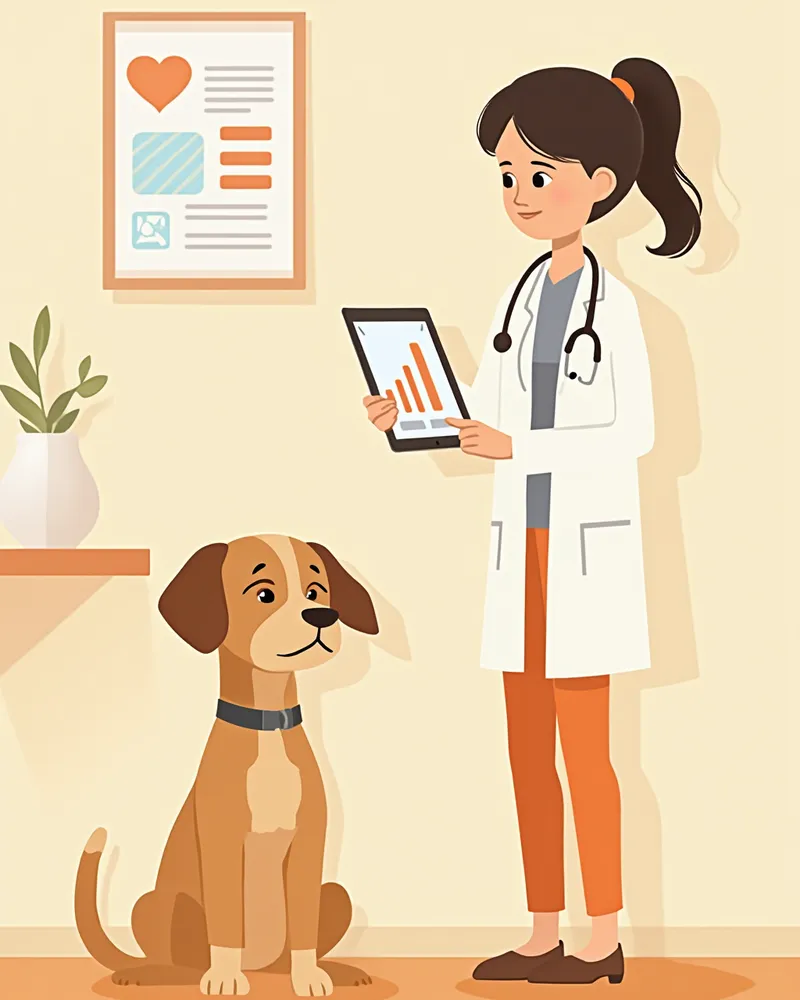
Proper Vaccination Methods and Post-Vaccination Care
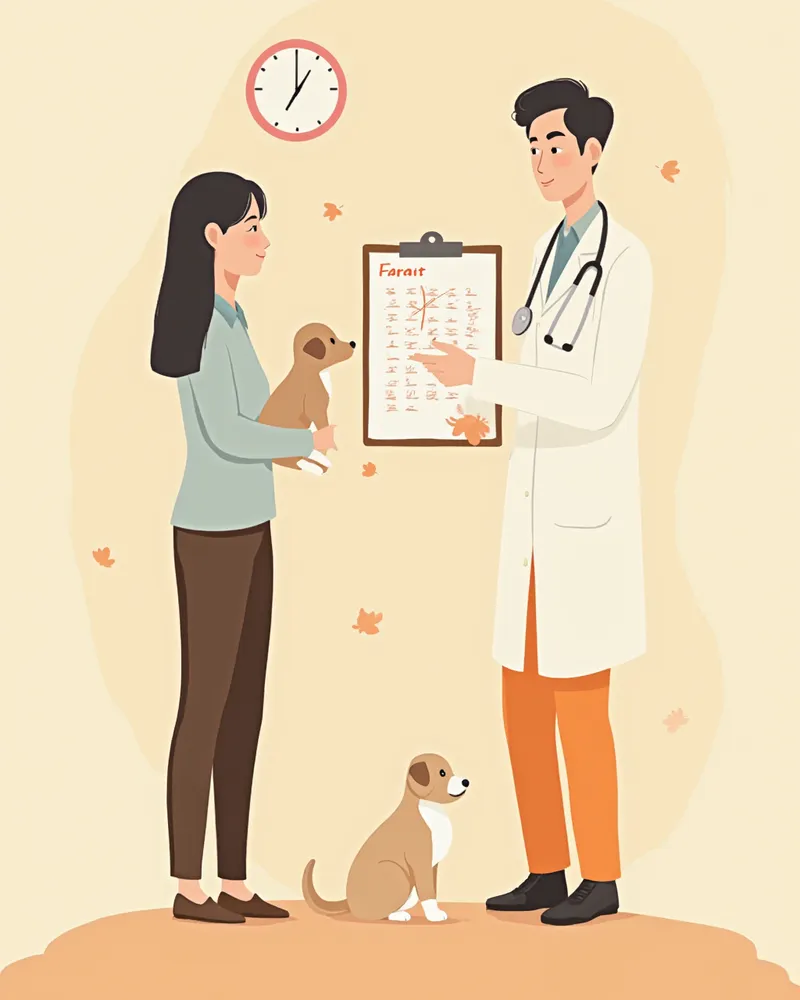
Breed-Specific Vaccine Side Effect Precautions
Adverse reactions after vaccination are reported more frequently in small dogs. Therefore, extra care should be taken with extra-small breeds such as Chihuahuas, Yorkshire Terriers, Maltese, and Pomeranians, as they may experience pain at the injection site or temporary lethargy. However, it is medically inappropriate to halve the vaccine dosage simply because a dog is small; the prescribed dose should be administered regardless of breed or body size. Before vaccination, inform your veterinarian of your dog’s breed, past vaccination reactions, and health status to develop a vaccination plan together, and closely monitor your dog’s condition for 24 hours after vaccination. If you have adopted a senior dog or if your dog has a weakened immune system, adjust the vaccination schedule individually with your veterinarian.
Reviewed by a veterinarian

Dr. Tony — Punnawat Phongkittirak
VeterinarianA veterinarian who majored in veterinary medicine at Khon Kaen University, Thailand, and completed the IVSA program at North Carolina State University in the United States. Drawing on clinical experience at animal hospitals, he works in the pet healthcare field and is dedicated to building a digital care environment that connects pet parents with veterinarians.
Frequently Asked Questions
What happens if vaccinations are started late?
Is it absolutely forbidden to take my pet for walks until all vaccinations are complete?
Is there a way to reduce vaccination costs?
My puppy is lethargic and not eating after vaccination. Is this normal?
Do puppies that have received sufficient maternal milk still need vaccinations?
Share
Related Guides

Recommended Products and Selection Criteria for Managing Dogs During Winter Cold Snaps and Preventing Hypothermia

Top Recommended Products for Canine Weight and Obesity Prevention and Management, and Key Selection Criteria

The Best Health Care Recommendations and Selection Criteria for Dog Travel and Transportation

Flea and Tick Prevention Guide — Seasonal Care and How to Choose Preventive Medications

The Ultimate Seasonal Health Care Guide for Cats — Owner Checklist

The Ultimate Guide to Seasonal Health Care for Dogs — Owner Checklist
The Ultimate Guide to Canine Home CPR — Owner Checklist

Cat First-Aid Kit: A Complete Guide to Essential Items

If Your Cat Is Aging Too — Key Care for Senior Cat Kidneys, Joints, and Teeth

The Ultimate Guide to Senior Dog Health Management — Owner Checklist
References
[1] Ford RB, Larson LJ, McClure KD, et al. 2017 AAHA Canine Vaccination Guidelines. J Am Anim Hosp Assoc, 2017;53(5):243-251.
[2] Day MJ, Horzinek MC, Schultz RD, Squires RA. WSAVA Guidelines for the Vaccination of Dogs and Cats. J Small Anim Pract, 2016;57(1):E1-E45.
[3] Greene CE. Infectious Diseases of the Dog and Cat (개와 고양이 감염질환학), 4th Edition, Saunders, 2012.
[4] Ettinger SJ, Feldman EC, Cote E. Textbook of Veterinary Internal Medicine (수의내과학 교과서), 8th Edition, Elsevier, 2017.