

Cat First-Aid Kit: A Complete Guide to Essential Items
We’ve compiled a veterinary-evidence-based guide on how to assemble and use an emergency first-aid kit to protect your cat in sudden emergencies. All pet owners should prepare one in advance.
What Is a Cat First-Aid Kit?
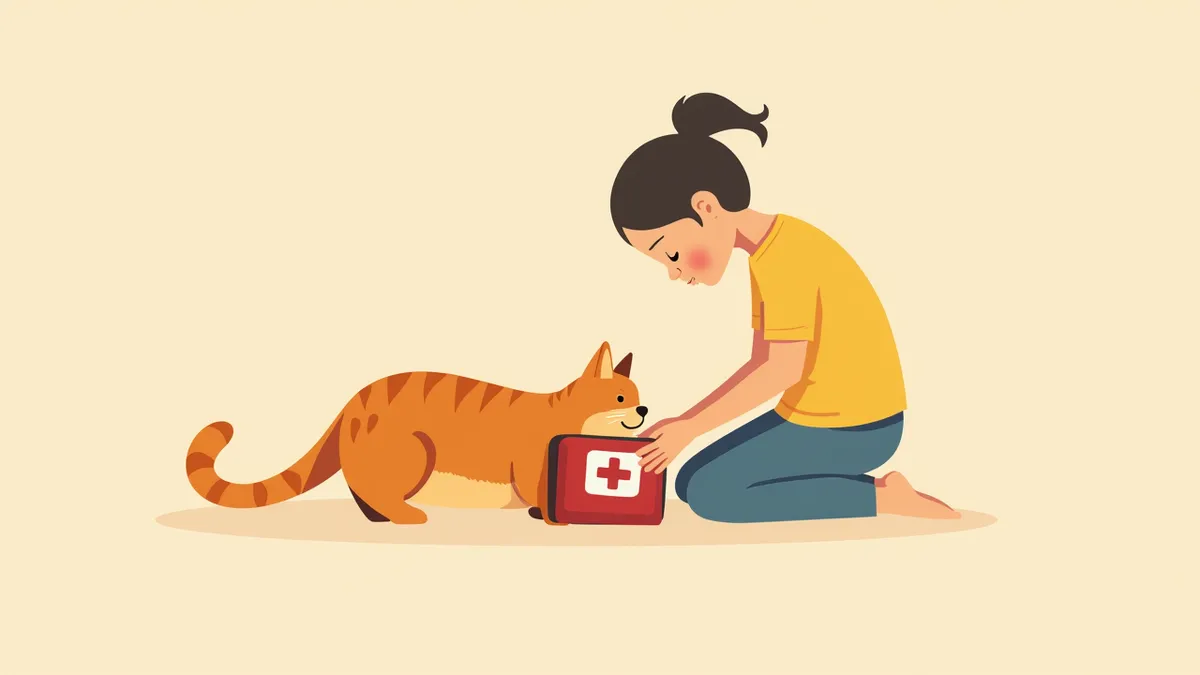
Important Checks Before Preparing Your Kit
Never give your cat human medications. Tylenol (acetaminophen), ibuprofen, and aspirin are fatal to cats. Only store products in your cat’s first-aid kit that have been prescribed by a veterinarian or are specifically approved for cats. If you need prescription medication, consult your veterinarian first.
Essential Medications Checklist

Essential Tools Checklist

Records and Contact Information Checklist

Quick Reference: Supplies Needed for Each Emergency
| Item | Priority Items to Use | Urgency of Hospital Transport |
|---|---|---|
| Bleeding·Abrasions | Gauze, pressure bandage, povidone-iodine | Medium (transport after hemostasis) |
| Foreign Object in Eye | Sterile saline, syringe | High (transport same day) |
| Swallowed Foreign Object | Blanket, carrier | Very high (transport immediately) |
| Respiratory Distress | Carrier, blanket | Very high (transport immediately) |
| Fever (39.5°C or higher) | Thermometer, water-dampened towel, carrier | High (transport same day) |
| Tick Found | Tweezers (curved), povidone-iodine | Low (monitor after removal) |
| Unconsciousness·Seizure | Blanket, carrier, emergency contact | Very high (transport immediately) |
Initial first aid does not replace a hospital visit — perform only minimal care just before or during transport
Proper Storage and Inspection Schedule

Additional Precautions for Long-Haired and Brachycephalic Breeds
Long-haired breeds like Persians and Maine Coons are prone to debris getting tangled in their fur. Include a small comb and scissors in your kit, and always trim the hair around the wound before treating it. For brachycephalic breeds with flat faces, such as Persians and Exotic Shorthairs, respiratory issues can deteriorate rapidly. If you suspect breathing difficulties, place your cat in a carrier immediately and head to an emergency veterinary clinic.
Reviewed by a veterinarian

Dr. Tony — Punnawat Phongkittirak
VeterinarianA veterinarian who majored in veterinary medicine at Khon Kaen University, Thailand, and completed the IVSA program at North Carolina State University in the United States. Drawing on clinical experience at animal hospitals, he works in the pet healthcare field and is dedicated to building a digital care environment that connects pet parents with veterinarians.
Reviewed 2026-06-01
Frequently Asked Questions
Can I use human disinfectants or ointments on my cat?
Should I induce vomiting at home if my cat has swallowed a foreign object?
Can pet owners perform cardiopulmonary resuscitation (CPR) on their cats themselves?
How often should you check your emergency first-aid kit?
Is there any first aid I can do at home if I suspect poisoning?
Share
Related Guides

Top Recommendations and Selection Criteria for Cat FIV and FeLV Testing

Top Microchip Implantation Management Recommendations for Dogs and Key Selection Criteria

Complete Guide to Choosing, Comparing, and Managing the Best Heartworm Preventives for Dogs

Complete Guide to Canine Distemper Symptoms and Prevention

Differences Between Feline 3-Way, 4-Way, and 5-Way Vaccines and Vaccination Guide

Types of Dewormers for Dogs and Dosing Schedules

Types of Heartworm Preventatives for Dogs and Administration Guide

Preventing Canine Urinary Tract Infections: A Guide to Water Intake and Bathroom Environment

Pet Tartar Prevention Methods and Brushing Habits

Flea and Tick Prevention Guide — Seasonal Care and How to Choose Preventive Medications
References
[1] Drobatz KJ, Reineke E, Costello MF, Culp WT. Feline Emergency and Critical Care Medicine, 2nd Ed. John Wiley & Sons, 2014.
[2] Silverstein DC, Hopper K. Small Animal Critical Care Medicine, 3rd Ed. Elsevier, 2022.
[3] Fogle B. The Dog Care Handbook, Things I Wish My Vet Had Told Me. DK Publishing, 2024.