
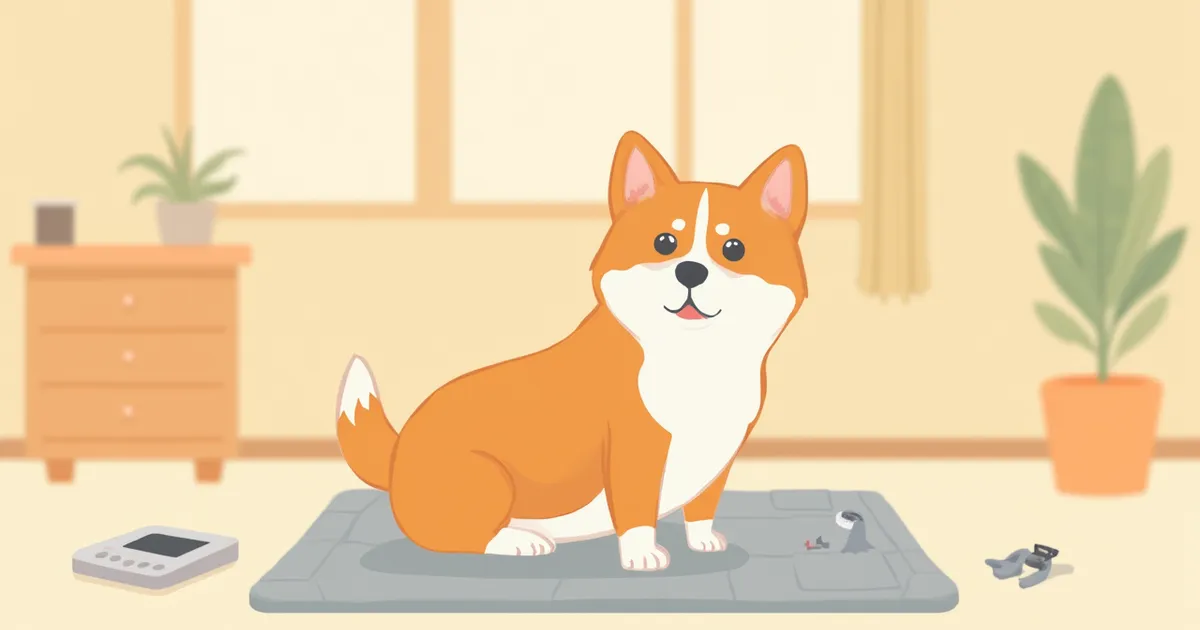
3 Monthly Self-Check Items for Your Dog at Home — Weight, Gums, and Nail Health Signals
A monthly check-up for your dog is the easiest way to prevent diseases by allowing you to monitor their weight, gums, and nails at home once a month to catch any issues early. Here’s everything you need to know about the process and how to keep track of it.
What Is a Monthly Self-Check Routine?

Things to Check Before the Self-Check
Self-checks are meant solely to help you spot warning signs early; they do not replace a veterinary diagnosis or treatment. If you notice bleeding, signs of pain, or strong resistance during the check, stop immediately and record what you observed. If you find anything that seems different from your pet’s usual condition, be sure to share it with your veterinarian at the next visit.
① Weight Check — The 5% Rule Is Key

② Gum Check — Check Color and Texture Together
③ Nail Check — Length, Cracks, and Paw Pads

Monthly Check Standards for Weight, Gums, and Nails at a Glance
| Item | Body Weight | Gums | Nails |
|---|---|---|---|
| Check Frequency | Once monthly (same day) | Once monthly + weekly check | 1–2 times monthly |
| Normal Criteria | Stable body shape and weight (BCS 4–5/9) | Pale pink, moist, CRT 1–2 seconds | Not touching the floor |
| Warning Signs | Clear upward or downward trend | Pale, red, bleeding, bad breath | Clicking sound, curling, cracking, swelling |
| Suspected Conditions | Endocrine such as diabetes, hypothyroidism | Periodontitis, anemia, dehydration | Paronychia, paw pad infection |
| Criteria for Vet Visit | Change persists for 2 consecutive months | Immediately upon color abnormality | Immediately upon bleeding or pain |
These criteria follow the general principles of veterinary textbooks (body condition score, capillary refill time, etc.) and may vary depending on your individual dog's condition.
Monthly Check Checklist and Recording Method

Additional Check Points by Breed and Age
For brachycephalic breeds (French Bulldogs, Pugs, Shih Tzus), please monitor their breathing patterns alongside any changes in gum color. In small breeds (Maltese, Pomeranians, Toy Poodles), patellar health is closely tied to weight, so it’s best to be attentive to even minor fluctuations. For large breeds and senior dogs (7 years and older), you should assess joint health and muscle mass (muscle tone) together; also, skin issues between the toes often appear before problems with the nails. Since the key areas to watch vary by life stage, please be sure to let us know about any changes from your pet’s normal routine during your visit.
Reviewed by a veterinarian

Dr. Tony — Punnawat Phongkittirak
VeterinarianA veterinarian who majored in veterinary medicine at Khon Kaen University, Thailand, and completed the IVSA program at North Carolina State University in the United States. Drawing on clinical experience at animal hospitals, he works in the pet healthcare field and is dedicated to building a digital care environment that connects pet parents with veterinarians.
Reviewed 2026-04-29
Frequently Asked Questions
Is it okay if the scale isn’t specifically designed for dogs?
My dog’s gums look a bit darker than usual. Could that just be their natural color?
I accidentally cut my pet’s nail and it’s bleeding. What should I do?
Should senior dogs have more frequent check-ups?
What should I do if my dog dislikes being examined?
Share
Related Guides

Top 5 Medicated Dog Shampoos — For Pyoderma and Bacterial Infections

Veterinarian-Recommended Top 5 Medicated Shampoos for Canine Yeast Dermatitis — Relieves Itching and Greasiness

Top 5 Medicated Cat Shampoos Recommended by Veterinarians — Fungal Dermatitis and Fungal Care

Preventing Spring Allergies (Pollen & Insects)

Why Your Pet’s Skin Gets Dry in Winter: A Complete Guide to Causes and Moisturizing Care

Protecting Senior Dogs’ Kidneys: Regular Check-ups and Dietary Management, Where to Start

Age-Specific Routine Health Checkups for Cats — Guide to Senior Cat Examination Items

25 Forbidden Dog Foods Warned by Veterinarians — Complete Checklist by Risk Level

Cat Summer Heatstroke — Warning Signs You Must Not Miss and Indoor Temperature Management
Guide to Regular Health Checkup Items and Recommended Timing by Dog Age
References
[1] Ettinger SJ, Feldman EC, Cote E. Textbook of Veterinary Internal Medicine, 8th Edition, Elsevier, 2017 — Chapter: Physical Examination and Clinical Techniques
[2] Hand MS et al., Small Animal Clinical Nutrition, 5th Edition, Mark Morris Institute, 2010 — Chapter: Body Condition Scoring
[3] Holmstrom SE et al., Veterinary Dental Techniques for the Small Animal Practitioner, 3rd Edition, Saunders, 2004 — Chapter: Home Oral Assessment