

Comprehensive Care Guide for Puppies 0–3 Months
The first 0–3 months of a puppy’s life are a critical period when immunity, nutrition, and socialization are all being established. Here’s a summary of the essential care practices you should focus on during this time.
Why Is the 0–3 Month Period the Most Critical for Puppies?

Essential Checks Before Bringing Your Puppy Home
It is best not to separate puppies from their mother and littermates before they are 8 weeks old. Separating them earlier significantly increases the risk of socialization deficits and separation anxiety. Before adopting, be sure to verify the puppy’s deworming history, whether the first vaccination has been administered, and the health status of the mother dog. Since South Korea’s mandatory pet registration applies to dogs aged 2 months (60 days) and older, it is helpful to prepare the necessary documentation in advance to align with the adoption timeline.
Nutritional Management for 0–3 Months: How Often and What to Feed?
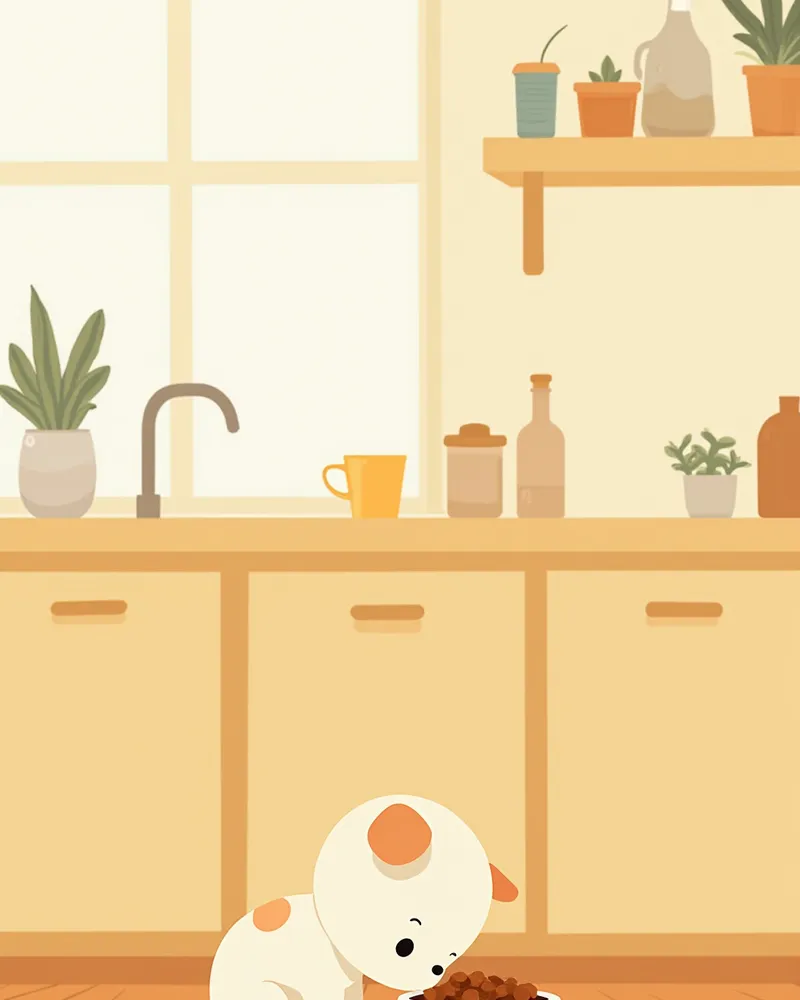
Comparison of Feeding Guidelines by Age
| Item | 6–8 weeks | 8–10 weeks | 10–12 weeks |
|---|---|---|---|
| Feeding frequency | 4 times/day | 4 times/day | 3–4 times/day |
| Food form | Softened food | Softened → transition to dry food | Dry food |
| Key nutritional focus | Transition/absorption | Protein/calcium balance | Energy/growth |
| Water supply | Free access | Free access | Free access |
For large breeds, excessive calcium intake can adversely affect skeletal growth, so choose a large-breed puppy food.
Vaccination and Deworming Schedule
Socialization Training: The Golden Window of 3–12 Weeks

Emergency Signs of Hypoglycemia and Hypothermia
Puppies under three months old, especially toy breeds like Toy Poodles, Pomeranians, and Chihuahuas, are highly vulnerable to hypoglycemia and hypothermia. The risk increases significantly when factors such as dehydration, diarrhea, vomiting, stress, vaccinations, or prolonged fasting coincide. Signs like lethargy, trembling, seizures, unsteadiness (ataxia), pale or gray gums, and low body temperature indicate an emergency. If the puppy is conscious and able to swallow, apply a small amount of honey or sugar to the gums. However, if the puppy is unconscious or seizing, do not force-feed due to the risk of aspiration; seek immediate veterinary care (severe cases may require intravenous glucose administration at the clinic). Miniature and toy breeds often require more than two meals a day; feed them three to four times daily, as prolonged fasting or extended exposure to cold environments poses particular risks.
Health Check Points for 0–3 Months
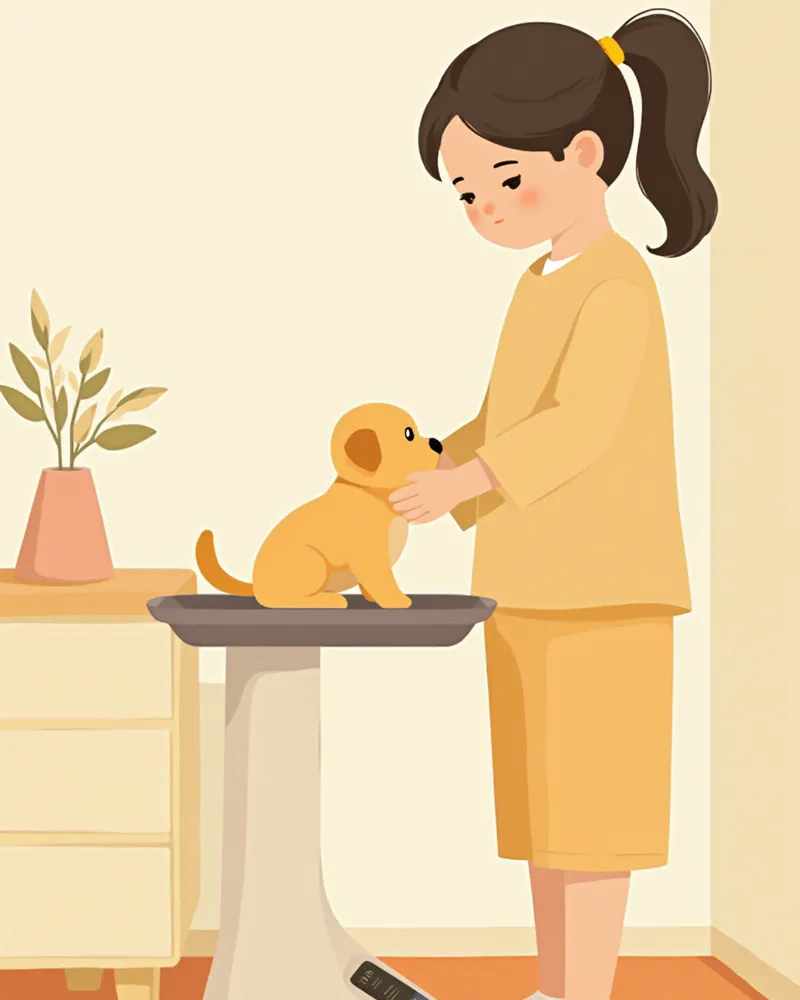
Large and Small Breeds Have Different Key Considerations
Large and giant breeds (such as Labrador Retrievers, Golden Retrievers, and German Shepherds) are at increased risk for hip dysplasia and osteochondrosis due to overnutrition and excessive calcium intake. It is essential to choose a puppy food formulated specifically for large breeds and to promote slow, steady growth. Conversely, toy breeds (such as Chihuahuas, Yorkies, and Maltese) are at high risk for hypoglycemia, so it is safest to avoid leaving them fasting for more than six hours.
Reviewed by a veterinarian

Dr. Tony — Punnawat Phongkittirak
VeterinarianA veterinarian who majored in veterinary medicine at Khon Kaen University, Thailand, and completed the IVSA program at North Carolina State University in the United States. Drawing on clinical experience at animal hospitals, he works in the pet healthcare field and is dedicated to building a digital care environment that connects pet parents with veterinarians.
Reviewed 2026-04-29
Frequently Asked Questions
When is it safe to start bathing a puppy?
Is it okay to take my puppy for walks?
What should I do about my pet’s persistent biting behavior?
My pet keeps crying at night. What should I do?
When is the best time for a pet’s first vet visit?
Share
Related Guides

Primary vs. Secondary Veterinary Hospitals: A Comparison

5 Easy-to-Raise Cat Breeds for First-Time Owners — Grooming Difficulty Comparison

Top 7 Short-Legged Dog Breeds

Indoor Warmth vs. Winter Walks — How to Prevent Hypothermia and Frostbite in Pets
Is It Dangerous to Walk Your Dog in the Summer Heat? — A Complete Guide to Heatstroke Prevention and Emergency Response

Heartworm Testing Methods and Treatment Process for Positive Results

Kitten Care Checklist by Age: The Complete 0–12 Month Guide

Seasonal Heartworm Prevention Guide (Monthly Dosing)

Canine Diabetes Prevention — Obesity Management and Lifelong Care for High-Risk Breeds

Cat Health Care at 1–3 Years: Complete Guide to Diet, Weight, and Vaccination Schedules
References
[1] The Dog Care Handbook: Things I Wish My Vet Had Told Me
[2] Applied Veterinary Clinical Nutrition, 2nd Ed - Chapter on Growth and Development
[3] Nutrient Requirements of Dogs and Cats, NRC - Growth Chapter
[4] The Veterinary Workbook of Small Animal Clinical Cases - The New Puppy Wellness Examination