Like
Share
멍실장
강아지 연령별 정기 건강검진 항목과 추천 시기 가이드

Guide to Regular Health Checkup Items and Recommended Timing by Dog Age

Admin·Insurance·Vet CarePreventionMeongsiljang Veterinary Advisory Board

Regular health checkups for dogs vary in scope and frequency depending on age. We’ve outlined the essential tests and recommended timing for puppies, adult dogs, and senior dogs.

What Are Regular Health Checkups for Dogs?
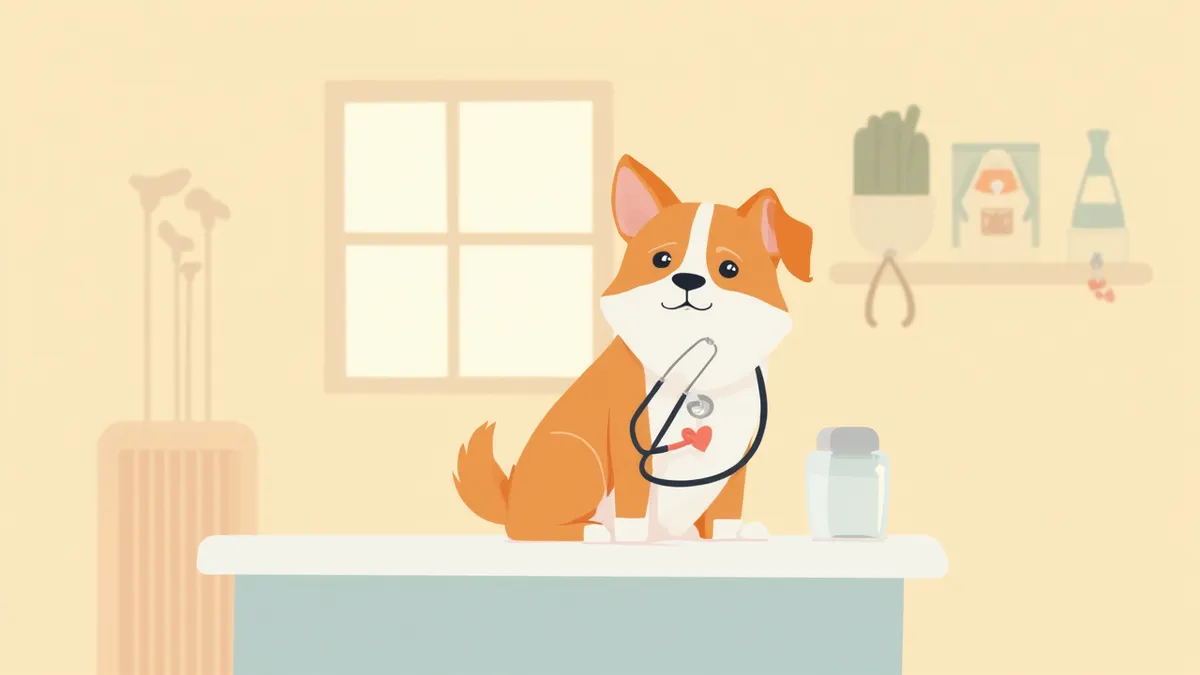
A veterinarian examining an elderly dog’s heart with a stethoscope
Regular health checkups for dogs are preventive medical evaluations conducted at set intervals to detect hidden diseases early. The most critical factor is timing. Even if a dog appears healthy, veterinary guidelines recommend at least one checkup every 6 to 12 months [E11]. Puppies and senior dogs undergo rapid physiological changes, so more frequent checkups are advisable, while adult dogs typically require an annual exam. As dogs age, conditions such as kidney and heart disease can progress without obvious symptoms; therefore, the core purpose of regular checkups is to monitor the aging process and catch abnormalities early [E11]. This is why it is essential to perform blood, urine, and imaging tests before symptoms appear.

What to Check Before the Exam

To ensure accurate blood test results, fasting before the exam may be necessary. Dietary factors, such as food intake, can affect test values, so it’s best to avoid treats, milk, and wet food. However, the exact fasting duration may vary depending on the clinic and the specific tests being performed, so please ask for guidance in advance. In many cases, water can be given as usual, but confirming this with your veterinarian will provide added peace of mind. If your pet is currently taking any supplements or medications, please inquire beforehand about whether they should be temporarily discontinued before the test. Additionally, temporary physiological states like exercise or excitement can also influence certain values, so it’s advisable to avoid strenuous activity right before visiting the clinic.

Puppies Under 1 Year Old — First Comprehensive Checkup

For pets under one year old, the key is to focus on core check-ups and have them done regularly, as this is a critical growth phase. - Basic Physical Examination: A comprehensive developmental assessment including weight, body temperature, heart rate, mucous membrane color, and palpation of lymph nodes and the abdomen [E16] - Fecal Examination: Screening for internal parasites such as roundworms and hookworms (fecal samples are standard for basic testing) [E9] - Heartworm Testing: We recommend the initial test once your pet has reached a certain stage of growth; please consult your veterinarian to determine the appropriate timing. - Post-Vaccination Health Check: Confirming that there are no health issues or abnormalities in immune response after completing the vaccination schedule. - Genetic and Breed-Specific Screening: Since certain breeds are prone to specific conditions [E2], we perform auscultation and examinations for issues such as patellar luxation or heart murmurs. During the first year, it is best to schedule check-ups two or three times at shorter intervals to closely monitor your pet’s growth curve.

Adult Dogs 1–6 Years Old — Annual Comprehensive Checkup
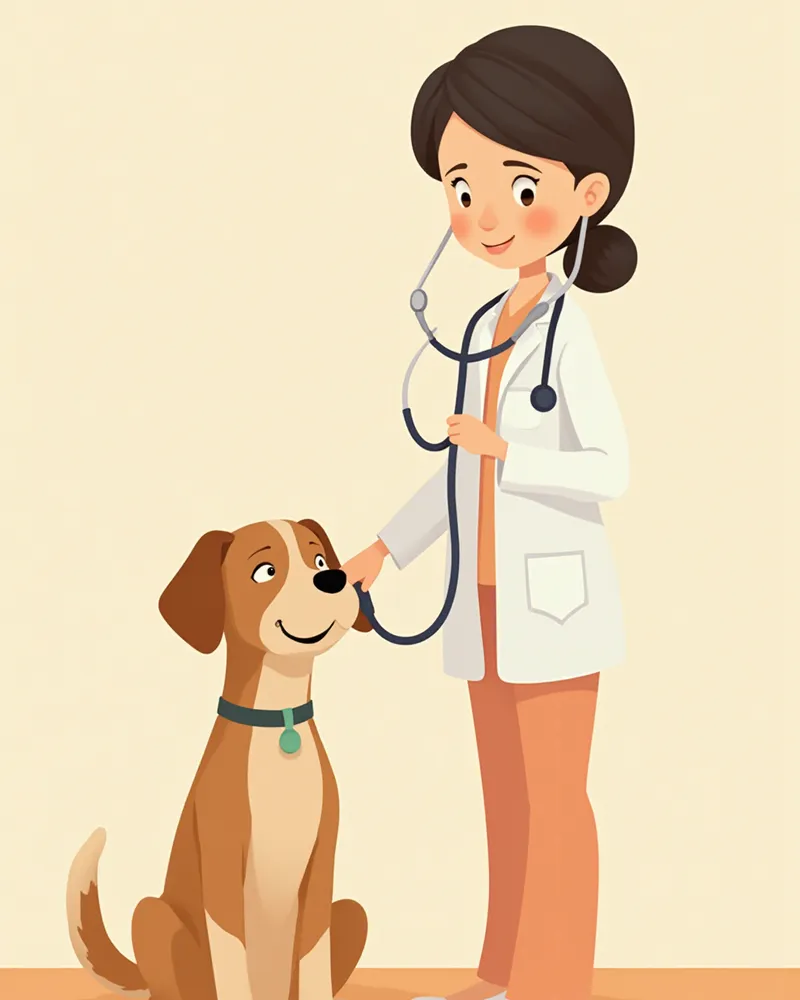
The adult stage may appear to be the healthiest, but it is actually when the seeds of chronic disease begin to take root. - Blood tests (CBC + serum biochemistry): A complete blood count (CBC) checks for anemia, infection, and platelet levels, while a biochemistry panel evaluates liver and kidney function, blood glucose, and electrolytes. - Urinalysis: Detects urinary tract infections, early-stage kidney disease, and signs of diabetes. - Thoracic and abdominal X-rays: Establishing a baseline image now makes it easier to spot changes in the future. - Dental examination: Assesses the stage of tartar buildup and periodontal disease. - Cardiac auscultation + echocardiogram if needed Dental exams are the most commonly overlooked check-up for owners of small- to medium-sized dogs. By the time bad breath appears, periodontal disease may already be progressing, so annual dental checks are essential.
A veterinarian auscultating the chest of an adult dog.

Senior Dogs 7 Years and Older — Detailed Checkups Every 6 Months

As dogs enter their senior years, kidney, heart, and endocrine disorders can develop more rapidly. However, the definition of "senior" varies by breed and size: small breeds are considered senior later in life, while large breeds reach this stage earlier [E14]. During this period, it is advisable to shorten the interval between check-ups and expand the scope of testing. - Expanded blood panel: Includes thyroid (T4) [E7], pancreatic enzymes, and electrolytes [E8] - Urine protein-to-creatinine ratio (UPC): For early detection of chronic kidney disease - Blood pressure measurement: To identify hypertension often associated with kidney and heart disease - Thoracic X-ray and echocardiogram: Senior dogs may show changes on imaging, making consistent monitoring essential [E14] - Abdominal ultrasound: For early detection of abnormalities in the spleen, liver, bladder, and other organs - Intraocular pressure and fundus examination: To assess the progression of cataracts and glaucoma The most critical aspect of senior dog screenings is comparing current results with last year’s to identify trends [E4].

Comparison of Recommended Checkup Items by Age

ItemUnder 1 yearAdult dog 1–6 yearsSenior dog 7 years and older
Checkup frequencyEvery 6 monthsOnce a yearEvery 6 months
Basic blood test (CBC + chemistry)TrueTrueTrue
UrinalysisFalseTrueTrue
Fecal/parasite testTrueTrueTrue
Heartworm testAfter 7 months of ageOnce a yearOnce a year
Chest X-rayOptionalRecommendedEssential
EchocardiographyIf auscultation abnormalIf auscultation abnormalRecommended
Abdominal ultrasoundFalseOptionalRecommended
Thyroid/pancreas panelFalseOptionalRecommended
Blood pressure measurementFalseOptionalEssential
Dental checkupTrueTrueTrue
Estimated cost (reference)KRW 100,000–200,000KRW 200,000–400,000KRW 400,000–800,000

Costs vary greatly by hospital, region, and discount package. For exact amounts, inquire directly with the treating hospital.

Understanding the Meaning of Each Test Item
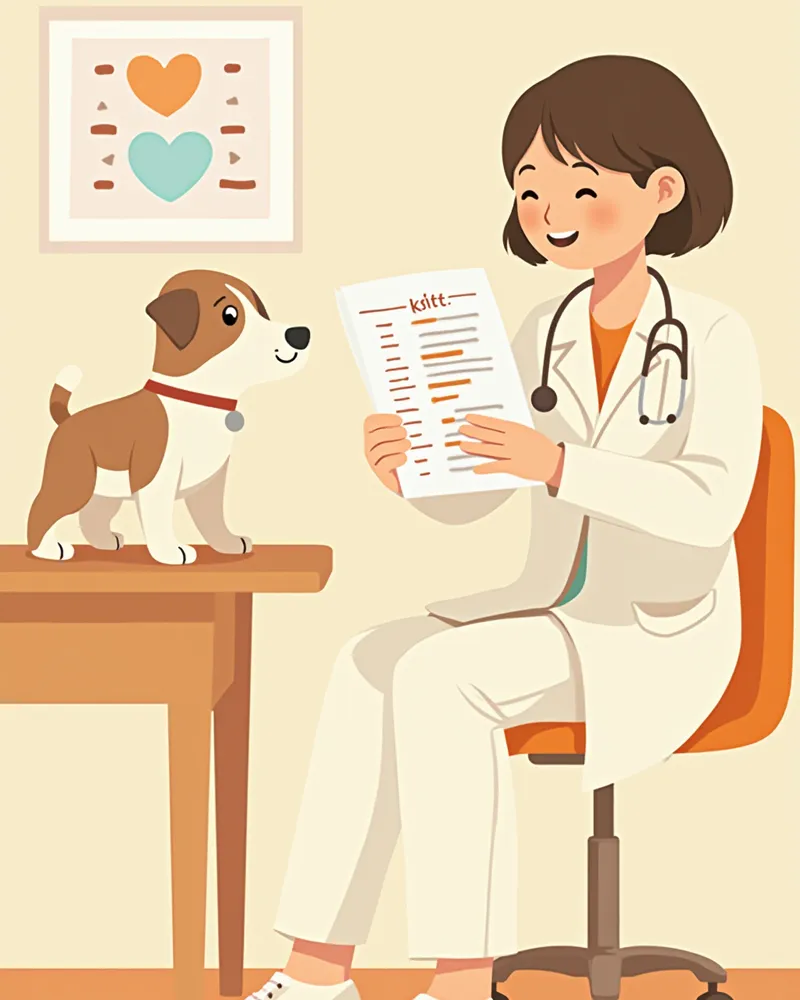
When you receive the lab results, the sheer number of values can be overwhelming. Here’s a concise summary of the key points: - CBC (Complete Blood Count): Assesses anemia, infection, and platelet levels [E9]. - ALT and ALP: Liver-related enzymes. Isolated elevations may result from medications or steroid use. - BUN and Creatinine: Primary indicators for evaluating kidney function [E8]. Additional markers like SDMA can aid in assessment. - Blood Glucose: Elevated fasting blood sugar warrants further investigation for diabetes [E8]. - Urine Specific Gravity: Evaluates the kidney’s ability to concentrate urine. A single slightly abnormal value does not necessarily indicate disease. Multiple factors, such as biological variation and pre-test conditions, must be considered [E4][E5], along with trends and relationships with other parameters.
A veterinarian reviewing a puppy’s health check-up results.

Checkups to Pay Extra Attention to by Breed

Certain breeds are predisposed to specific conditions, so additional testing may be necessary. - Small breeds (Maltese, Poodle, Chihuahua): Patellar luxation assessment and cardiac auscultation for valvular disease (starting at age 5) - Dachshund, Welsh Corgi: Spinal X-rays to check for disc degeneration - Shih Tzu, Pekingese, Pug: Intraocular pressure measurement and imaging of the nasal passages and airways - Golden Retriever, Labrador Retriever: Hip and elbow X-rays, tumor marker testing - Miniature Schnauzer: Additional testing for pancreatic enzymes (SPEC-cPL) - Yorkshire Terrier: Bile acid testing if a portosystemic shunt is suspected Please note that these breed-specific tests are typically not included in our standard wellness packages, so please let us know in advance if you would like to add them.

Reviewed by a veterinarian

Dr. Tony — Punnawat Phongkittirak

Dr. Tony — Punnawat Phongkittirak

Veterinarian

A veterinarian who majored in veterinary medicine at Khon Kaen University, Thailand, and completed the IVSA program at North Carolina State University in the United States. Drawing on clinical experience at animal hospitals, he works in the pet healthcare field and is dedicated to building a digital care environment that connects pet parents with veterinarians.

Frequently Asked Questions

At what age should I start taking my dog for regular health check-ups?
Basic health checkups can begin as soon as your puppy completes its vaccination schedule. Because young dogs grow and change rapidly, more frequent checkups are recommended during this stage. Veterinary guidelines advise that even healthy-looking puppies should have regular exams every 6 to 12 months.
Even if my pet looks healthy, do they really need to get vaccinated every year?
Yes. Dogs age much faster than humans and have significantly shorter lifespans. Just as you’d visit the dentist regularly, it’s a good idea to have your dog checked every 6 to 12 months, even if they seem healthy. Checkups when there are no symptoms are the most meaningful.
Is it okay if one or two blood test results are outside the normal range?
It’s difficult to diagnose a condition based on a single value alone. You need to consider its relationship with other test results, trends compared to last year, and clinical symptoms. The safest approach is to review the results together with your veterinarian.
The cost of a full checkup feels overwhelming. Can I choose to have only the essential tests?
Yes, all clinics offer individual services in addition to their packages. For senior dogs, we recommend at least blood tests, urinalysis, and blood pressure checks every six months. Regular trend data is far more valuable than a single package.
Which should come first: a health checkup or enrolling in pet insurance?
If you're considering pet insurance, it's a good idea to have a comprehensive health checkup before signing up. Insurance only covers conditions discovered after the policy starts, so any issues found during the checkup may be excluded from coverage for life. To ensure peace of mind, make sure your pet is healthy and free of any abnormalities before enrolling.

Share

Related Guides

References

[1] Notes on Canine Internal Medicine, 4th Edition

[2] Small Animal Critical Care Medicine, 3rd Edition

[3] AAHA Canine Life Stage Guidelines, 2019

This information is based on veterinary literature and does not replace diagnosis or treatment. Please consult a veterinarian for specific health concerns.

Metapet Co., Ltd. | CEO: Park Sung-yong | Business Reg. No. 417-88-02562 | Seoul, South Korea | Customer Center

Dog Health Checkups by Age: Puppy, Adult & Senior Guide | Meongsiljang