Like
Share
멍실장
노묘 건강 관리 가이드: 7세 이후 고양이 건강 체크리스트

Senior Cat Health Care Guide: Health Checklist for Cats Aged 7 and Older

ImmunityPreventionMeongsiljang Veterinary Advisory Board

Cats enter their senior years at around 7 years of age. We’ve compiled essential health care tips for pet owners, including common diseases in older cats, early detection methods, routine check-up items, and dietary management.

Is Age 7 Already Considered Senior for Cats?
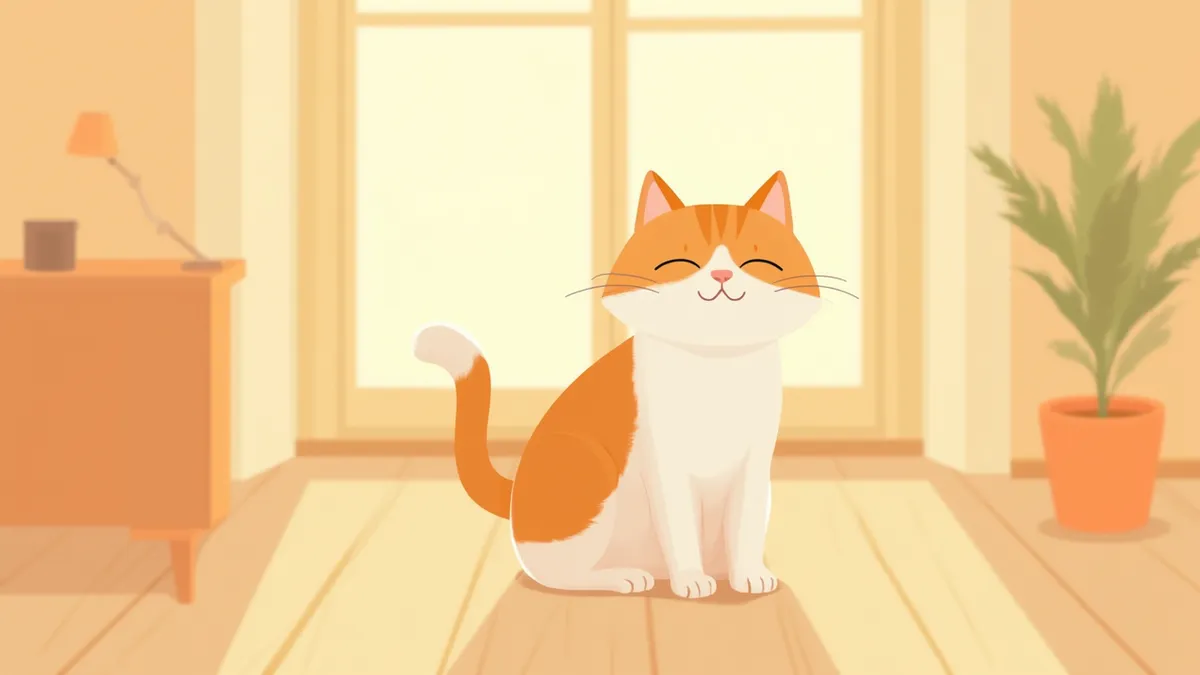
An elderly cat sitting by the window, basking in the sunlight.
Cats enter their mature stage at around seven years of age, making health care even more important. According to the American Association of Feline Practitioners (AAFP), cats aged 7–10 are classified as mature (middle-aged), those aged 11–14 as senior, and those 15 and older as geriatric. Age-related conditions such as kidney disease and hyperthyroidism can begin to develop gradually from age seven onward, so early management is essential. Even if your cat appears healthy on the outside, kidney, liver, and thyroid function may be changing subtly within. The key to caring for an older cat is early detection. Cats have a strong instinct to hide signs of illness, so by the time owners notice something wrong, the disease is often already quite advanced. With regular veterinary check-ups and attentive daily observation, you can significantly extend your cat’s healthy lifespan.

Change the Health Checkup Frequency for Cats Aged 7 and Older

According to the AAFP Senior Care Guidelines, senior cats should receive at least one physical examination per year, with additional benefits from including blood tests and blood pressure measurements. Since health conditions can change more rapidly in cats aged 10 and older, it is advisable to consult with your veterinarian about increasing the frequency of check-ups. As cats age, internal changes may progress subtly even when they appear healthy on the outside, making regular monitoring crucial. For cats over 10 years old, work with your veterinarian to adjust both the frequency and scope of their health assessments.

What Items Should Be Included in a Senior Cat’s Regular Checkup?

Here’s a summary of the basic items included in a health checkup for senior cats. Since package contents may vary by clinic, please use this list as a reference when consulting with your veterinarian.
Test ItemWhat It ChecksRecommended Frequency
Blood test (CBC, biochemistry)Kidney and liver function, anemia, infectionEvery 6 months
UrinalysisEarly detection of kidney disease, urine specific gravityEvery 6 months
Blood pressure measurementHypertension, kidney and thyroid-related issuesEvery 6 months
Thyroid hormone (T4)HyperthyroidismEvery 6–12 months
Weight measurementWeight change trendsAt every visit
Oral examinationPeriodontal disease, stomatitisEvery 6–12 months

Five Common Diseases in Senior Cats

This is a condition that occurs particularly frequently in cats aged seven and older. According to veterinary internal medicine textbooks, the earlier these diseases are detected, the more effective their management becomes.
Chronic Kidney Disease: This is a very common and dangerous comorbid condition in senior cats. In the early stages, there are often few symptoms, with increased water intake and increased urine output frequently being the first signs.
Hyperthyroidism: This is common in cats over the age of ten. It is characterized by weight loss despite a good appetite, along with a sudden increase in activity levels.
Diabetes Mellitus: The risk of developing this condition is high in obese senior cats. Symptoms include excessive drinking, frequent urination, and weight loss.
Osteoarthritis (Degenerative Joint Disease): This occurs very commonly in senior cats, and joint changes are often confirmed via radiographic examination. A typical sign is reluctance to jump onto high surfaces.
Periodontal Disease: As cats age, gum inflammation and tartar buildup worsen. Suspect this condition if your cat drools while eating or develops severe bad breath.
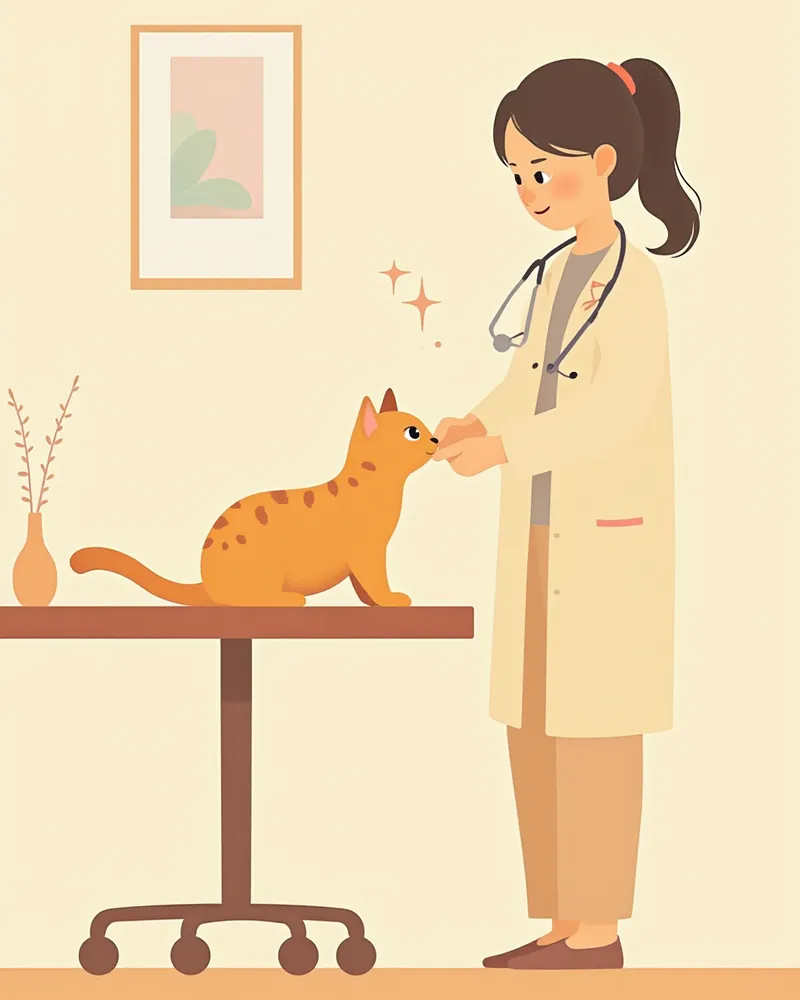
An elderly cat undergoing a check-up at the veterinary clinic

Check Daily at Home: Senior Cat Health Checklist
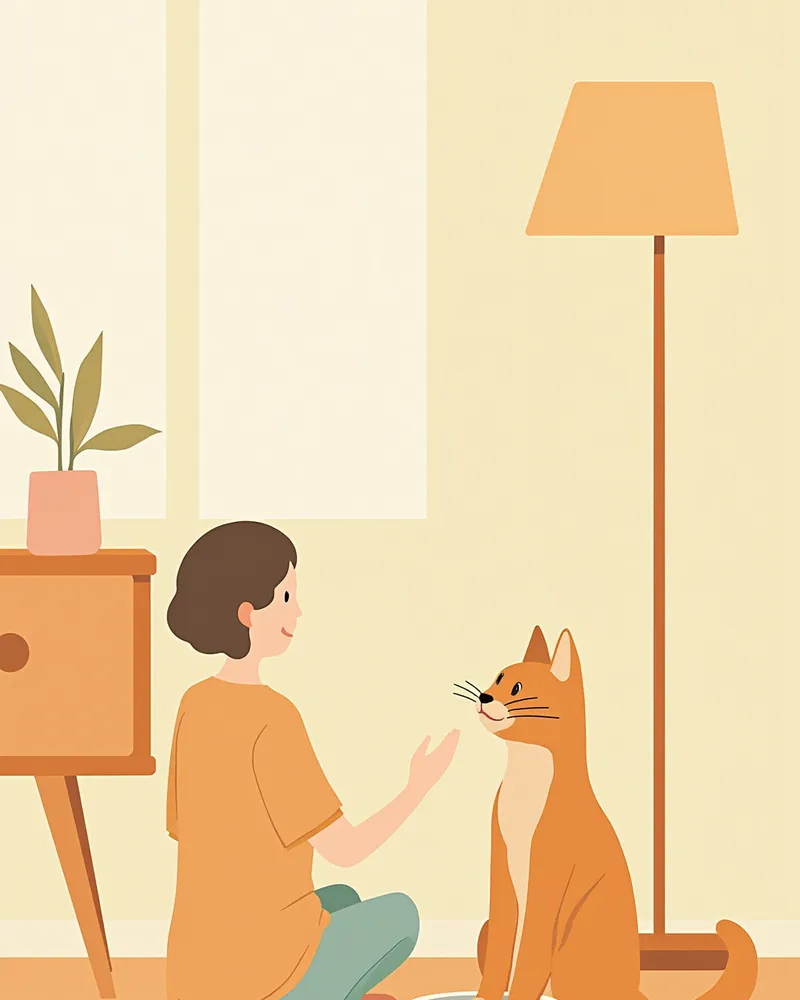
Daily observation by pet owners is just as important as regular check-ups. Cats are animals that tend to hide pain, so even subtle changes in behavior can be the first sign of illness.
Changes in water intake: Drinking significantly more or less water than usual may indicate kidney, thyroid, or diabetes issues.
Weight changes: Noticeable weight loss or muscle loss over a short period requires attention. Weigh your cat regularly and keep a record.
Elimination habits: Monitor for constipation, diarrhea, and any changes in urination frequency.
Decreased activity: Reluctance to jump to high places or reduced interest in play can signal joint pain or a general decline in health.
Grooming changes: Neglecting grooming or excessively licking a specific area may be a way of expressing pain.
A guardian watching an elderly cat drink water at home

Go to the Vet Immediately If You Notice These Changes

If your senior cat shows any of the following symptoms, they may be signs of illness rather than normal aging. Prompt action can significantly improve the prognosis, so please don’t delay—consult your veterinarian. - Eating very little or nothing for more than 2–3 days - Sudden weight loss (noticeably thin within 2 weeks) - Vomiting or diarrhea lasting more than one day - Inability to urinate or vocalizing while in the litter box - Sudden weakness in the hind legs or dragging them - Rapid breathing or breathing with an open mouth

Senior Cat Dietary Management: Nutrition Planning by Age

According to veterinary nutrition textbooks, about 20–30% of cats aged 12 years and older experience a decline in their ability to digest protein and fat, making it important to provide sufficient high-quality animal-based protein. The idea that protein intake should be reduced is an outdated misconception. Protein adjustment is only necessary under veterinary guidance when kidney disease has been definitively diagnosed. Here are the key points for dietary management in senior cats: Hydration: Increase water intake by feeding wet food or mixing water into dry food. This helps prevent chronic kidney disease. Weight management: Obesity increases the risk of diabetes and arthritis, while being underweight can weaken the immune system. Maintaining an ideal body weight is essential. Nutritional supplements: Supplements containing brain-supporting ingredients to help with cognitive dysfunction syndrome (CDS) in senior cats are currently being studied. Always consult your veterinarian before choosing any supplement.
An elderly cat that eats wet food

Creating an Environment Where Senior Cats Can Live Comfortably

As cats age, their joints become stiffer, and their vision and hearing decline. Making small adjustments to your home environment can significantly improve the quality of life for senior cats.
Lower the litter box height: Litter boxes with high entry points can be burdensome for senior cats with joint issues. Switch to a box with a low rim.
Install steps or ramps: Place steps or ramps along the path to sofas or beds to help them climb up safely.
Provide warm sleeping areas: Senior cats have reduced ability to regulate their body temperature. Place warm, plush bedding in areas where the floor isn’t cold.
Multiple litter boxes: It’s helpful to have one litter box on each floor or in spaces where your cat spends most of their time.
Quiet spaces: Senior cats with cognitive decline can be stressed by sudden noises. Provide a quiet, hidden spot where they can rest comfortably.

Cognitive Decline in Senior Cats: Cats Can Develop Dementia Too

Research in veterinary behavioral science shows that cognitive dysfunction syndrome (CDS) can begin in cats aged 10 years and older, with incidence increasing as they get older. It is similar to dementia in humans.
Vocalizing at night for no apparent reason: You may notice your cat meowing loudly, especially in the early morning hours, or appearing disoriented and standing facing a wall.
Litter box accidents: A cat that previously used the litter box reliably may suddenly start eliminating in other areas.
Seeming unfamiliar with their caregiver: The cat may not respond when called or may act wary, as if encountering a stranger.
If you observe these symptoms, consult your veterinarian. While cognitive decline cannot be completely prevented, its progression can be slowed through environmental management and nutritional supplementation.

Reviewed by a veterinarian

Dr. Tony — Punnawat Phongkittirak

Dr. Tony — Punnawat Phongkittirak

Veterinarian

A veterinarian who majored in veterinary medicine at Khon Kaen University, Thailand, and completed the IVSA program at North Carolina State University in the United States. Drawing on clinical experience at animal hospitals, he works in the pet healthcare field and is dedicated to building a digital care environment that connects pet parents with veterinarians.

Frequently Asked Questions

My cat is 7 years old and still looks healthy. Should I still have it checked?
Yes, it’s definitely recommended. Cats have a strong instinct to hide signs of illness, so even if they appear healthy on the surface, blood tests often reveal early-stage kidney disease or thyroid issues. According to AAFP guidelines, we recommend starting annual check-ups at age 7, and for cats over 10, consulting with your veterinarian to increase the frequency of exams.
Do I really need to switch to a senior cat-specific diet?
You don’t necessarily have to switch to senior dog food. What matters most is ensuring your pet gets high-quality protein and adequate hydration. However, if your pet has underlying health conditions, your veterinarian may recommend a prescription diet. It’s best to discuss the results of your pet’s check-up with your vet to determine the best course of action.
Is it normal for my senior cat to drink a lot of water?
A sudden increase in water intake is not a normal part of aging. It could be an early sign of chronic kidney disease, hyperthyroidism, or diabetes. If you notice your pet drinking significantly more water than usual, please consult a veterinarian as soon as possible. Keeping a record of their daily water intake for a few days can help with diagnosis.
My senior cat cries at night. What should I do?
First, it’s important to have a veterinarian rule out pain or illness as the cause. If your pet is otherwise healthy, the issue may be age-related cognitive decline. Keeping a dim nightlight on, engaging in gentle play before bedtime, and maintaining a consistent daily routine can all help.
Do indoor cats also need the same senior care?
Yes, indoor cats require the same level of care. In fact, indoor cats are more prone to obesity and joint issues due to insufficient physical activity, and their cognitive decline may occur more rapidly because of limited environmental stimulation. Please ensure regular veterinary check-ups and provide environmental enrichment, such as toys and cat trees.

Share

Related Guides

References

[1] The Cat: Clinical Medicine and Management — Chapter 5: The Senior Cat

[2] BSAVA Manual of Canine and Feline Geriatrics, 2nd Ed — Chapter 3: Feline Ageing and Geriatric Medicine

[3] Applied Veterinary Clinical Nutrition, 2nd Ed — Chapter 14: Nutritional Management of the Senior Pet

[4] Gunn-Moore, D., Moffat, K., Christie, L.A., and Head, E. (2007). Cognitive dysfunction and the neurobiology of ageing in cats. J. Small Anim. Prac. 48(10): 546–553.

[5] International Society of Feline Medicine (ISFM) — Guidelines on Senior Cat Healthcare

This information is based on veterinary literature and does not replace diagnosis or treatment. Please consult a veterinarian for specific health concerns.

Metapet Co., Ltd. | CEO: Park Sung-yong | Business Reg. No. 417-88-02562 | Seoul, South Korea | Customer Center

Senior Cat Health Guide | Health Checklist for Cats Over 7 | Meongsiljang