Like
Share
멍실장
고양이 새끼 입양 첫 건강관리 완벽 가이드 — 보호자 체크리스트

The Ultimate Guide to First Health Care for a Newly Adopted Kitten — Owner Checklist

Lifestyle & Age CarePreventionMeongsiljang Veterinary Advisory Board

If you’ve just adopted your first kitten, the first step is to visit a veterinary clinic within 72 hours. We’ve organized a step-by-step checklist covering vaccination schedules, parasite prevention, and nutritional care.

Why Is First Health Care for a Newly Adopted Kitten Important?

A baby cat arriving at a new home for the first time
The first health check for a newly adopted kitten is an essential step to assess the kitten’s health as it adjusts to its new environment and to begin vaccinations, parasite prevention, and proper nutrition. Because kittens are small and their condition can deteriorate quickly, it’s best to have them examined by a veterinarian as soon as possible after adoption. Kittens from shelters or breeders are especially prone to stress from sudden environmental changes, so detecting any health issues early lays the foundation for lifelong wellness.

Check These First Before Bringing the Kitten Home

Don’t release your newly adopted cat into the entire home right away. If you already have pets, prepare a separate isolation area in advance. Set up a dedicated space with its own litter box, food and water bowls, and a cozy hiding spot. For the first one to two weeks, keep the cat confined to a single small room to help it adjust and reduce stress. If you notice any abnormal symptoms such as tearing, nasal discharge, coughing, or diarrhea, take the cat to a veterinary clinic immediately.

First Veterinary Visit — Within 72 Hours of Adoption
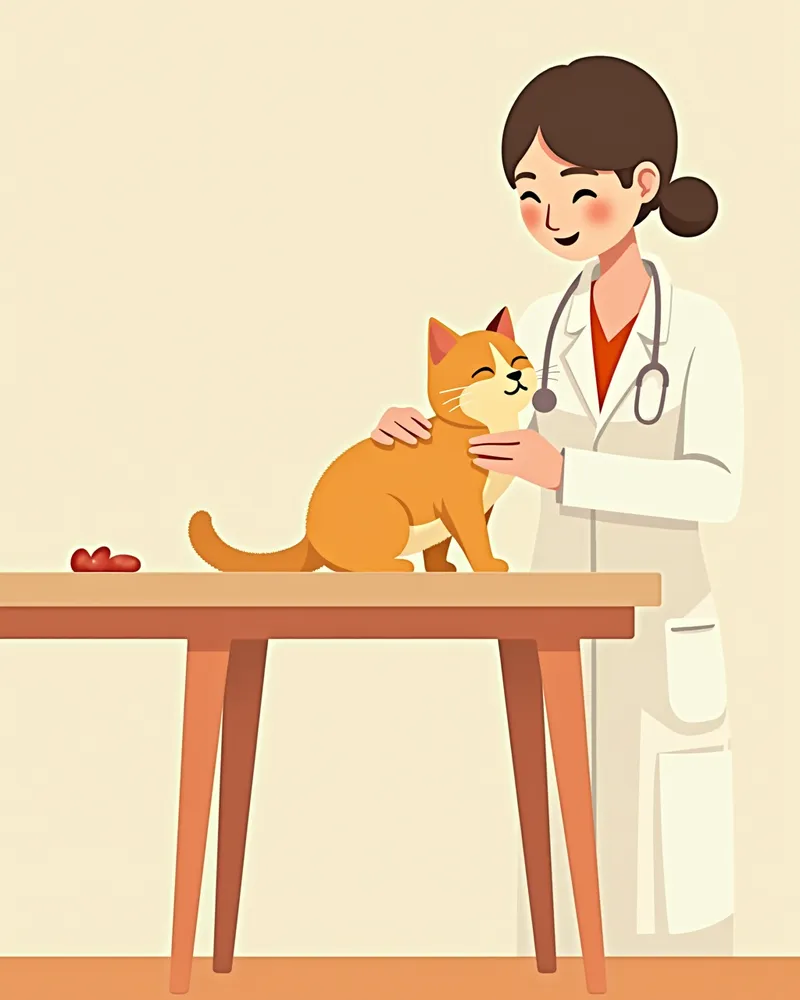
It is essential to visit a veterinary clinic as soon as possible after adoption. Here are the items checked during the first visit:
Weight measurement: To confirm whether growth is normal for the kitten’s age
Fecal examination: To check for internal parasites such as roundworms and Giardia
External parasite check: To detect flea or tick infestations
Comprehensive health examination: Including systematic physical checks of the eyes, ears, heart, and lungs
Vaccination planning: Reviewing previous records to determine the appropriate schedule
Kittens can deteriorate quickly, so please bring any prior vaccination records if available.
A baby kitten getting a health check-up from a veterinarian.

Vaccination Schedule — Essential Vaccines by Age

Feline vaccinations begin at 8 weeks of age. According to veterinary textbooks, core vaccines are essential for all cats, regardless of whether they live indoors or go outdoors.
8 weeks: First dose of the feline combination vaccine (panleukopenia, herpesvirus, calicivirus)
12 weeks: Second dose of the feline combination vaccine
16 weeks: Third dose of the feline combination vaccine + rabies vaccine
Thereafter: Booster vaccination one year later, followed by consultations with your veterinarian for boosters every 1 to 3 years
For cats that go outdoors, consult your veterinarian about adding the feline leukemia virus vaccine.

Internal and External Parasite Prevention — Essential Immediately After Adoption
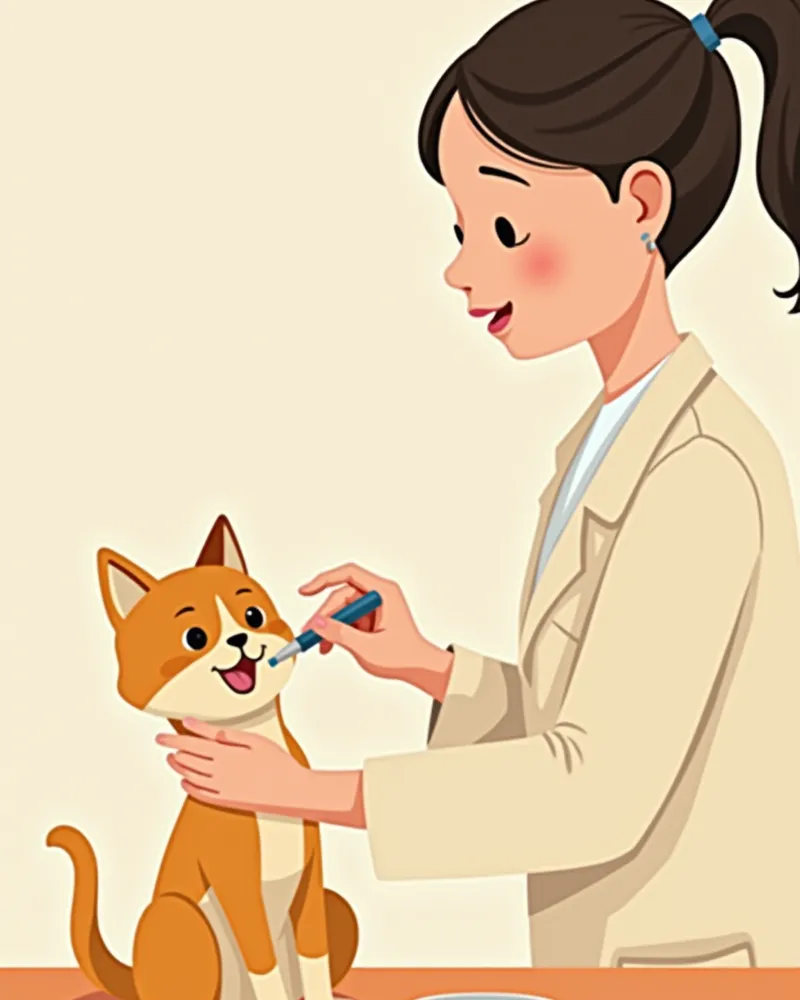
Kittens from shelters or breeders are at risk of parasitic infections. Preventive treatment is administered based on fecal test results and the veterinarian’s assessment.
Roundworm and hookworm (Ancylostoma) deworming: Administer deworming medication (veterinary prescription required)
Flea prevention: Use topical external parasite preventives
Tick prevention: If the cat goes outdoors, add tick preventive treatment
Always consult your veterinarian to determine the appropriate type and dosage of parasite preventives. Do not use products intended for other animals; use only cat-specific products as directed by your veterinarian.
Kitten receiving parasite prevention treatment

Vaccination Schedule at a Glance

ItemCore VaccinesOptional Vaccines
8 Weeks of AgeFeline combination vaccine, 1st doseFeline leukemia, 1st dose (outdoor cats)
12 Weeks of AgeFeline combination vaccine, 2nd doseFeline leukemia, 2nd dose (outdoor cats)
16 Weeks of AgeFeline combination vaccine 3rd dose, rabiesChlamydia (multi-cat households)
1 Year Later·ThereafterCombination vaccine booster (1 year after the last kitten dose), then every 1–3 yearsDecided after consulting a veterinarian

The timing and type of vaccinations are decided after consulting a veterinarian based on the cat's health condition and living environment.

Kitten Feeding and Nutritional Care

Kittens aged 8 weeks and older should be fed a diet specifically formulated for kittens. Adult cat food lacks the essential nutrients required for proper kitten growth.
Food Selection: Choose a kitten-specific diet (products meeting AAFCO standards are recommended).
Feeding Frequency: For kittens aged 3 to 6 months, offer small meals 3 to 4 times daily.
Water Supply: Always provide an ample supply of fresh water.
Treat Limitation: Keep treats to no more than 10% of total daily caloric intake.
When switching foods, gradually transition from the old food to the new one over a period of 7 days to prevent diarrhea.
Kitten eating specialized food

If You Have Existing Pets — Introduce Gradually

Introducing a new kitten to a home with existing cats or dogs all at once can lead to severe stress and fighting. According to veterinary behavior textbooks, the key is to follow a gradual introduction process over at least one to two weeks, starting with scent exchange, then allowing them to see each other through a door, followed by visual contact, and finally direct interaction. Be sure to provide the kitten with a safe hiding space where it can retreat at any time.

Reviewed by a veterinarian

Dr. Tony — Punnawat Phongkittirak

Dr. Tony — Punnawat Phongkittirak

Veterinarian

A veterinarian who majored in veterinary medicine at Khon Kaen University, Thailand, and completed the IVSA program at North Carolina State University in the United States. Drawing on clinical experience at animal hospitals, he works in the pet healthcare field and is dedicated to building a digital care environment that connects pet parents with veterinarians.

Frequently Asked Questions

Do I need to take my newly adopted pet to the vet on the same day?
It’s best to give your cat a day or two to adjust before visiting the clinic as soon as possible afterward. A check-up right after travel can be especially stressful for cats. However, kittens can deteriorate quickly, so if you notice any unusual symptoms like coughing, diarrhea, or excessive tearing, please bring them in right away.
Are there any precautions to take after vaccination?
For about a day after vaccination, avoid vigorous play and bathing, and keep an eye on your pet to prevent them from scratching or licking the injection site. A temporary decrease in appetite or mild lethargy is usually a minor reaction that resolves within one to two days. However, if signs of an allergic reaction such as facial swelling, difficulty breathing, or vomiting appear shortly after vaccination, seek veterinary care immediately.
When should my pet have its spay or neuter surgery?
The ideal time for neutering varies depending on your cat’s growth stage and your household circumstances. To avoid doing it too early or too late, it’s best to consult with your veterinarian to determine the most appropriate timing and method. Since your cat’s caloric needs may change after the procedure, we also recommend discussing post-operative nutrition and weight management with your vet.
My kitten isn’t eating well. Should I be concerned?
It’s normal for a newly adopted cat to eat less for the first 1–2 days due to environmental stress. However, if your cat refuses to eat for more than 24–48 hours, or shows lethargy, vomiting, or diarrhea, take them to a veterinarian immediately. Kittens are small and can deteriorate quickly, so prolonged loss of appetite can be dangerous.
Are shelter cats generally less healthy?
While we can’t say for certain, the nature of group living means there’s a possibility the animal has been exposed to upper respiratory infections or parasites. It’s important to visit a veterinarian soon after adoption and, if you have other pets, to strictly observe the quarantine period.

Share

Related Guides

References

[1] Horwitz D.F., Mills D.S., et al., Veterinary Guide to Preventing Behavior Problems in Dogs and Cats, Wiley-Blackwell, 2022

[2] American Association of Feline Practitioners (AAFP), 2020 AAFP Feline Vaccination Guidelines, Journal of Feline Medicine and Surgery, 2020

[3] Little S.E., The Cat: Clinical Medicine and Management, Elsevier, 2012

This information is based on veterinary literature and does not replace diagnosis or treatment. Please consult a veterinarian for specific health concerns.

Metapet Co., Ltd. | CEO: Park Sung-yong | Business Reg. No. 417-88-02562 | Seoul, South Korea | Customer Center

First Health Care for a New Kitten: Owner Checklist | Meongsiljang