Like
Share
멍실장
고양이 당뇨 예방 — 체중 관리와 고탄수 사료 피하기 핵심 가이드

Feline Diabetes Prevention — Key Guide to Weight Management and Avoiding High-Carbohydrate Diets

EndocrinePreventionMeongsiljang Veterinary Advisory Board

Over 80% of feline diabetes cases stem from obesity and high-carbohydrate diets. We’ve outlined preventive measures that significantly reduce the risk of developing the disease through three key areas: weight management, diet selection, and lifestyle habits.

Why Is Preventing Feline Diabetes Important?
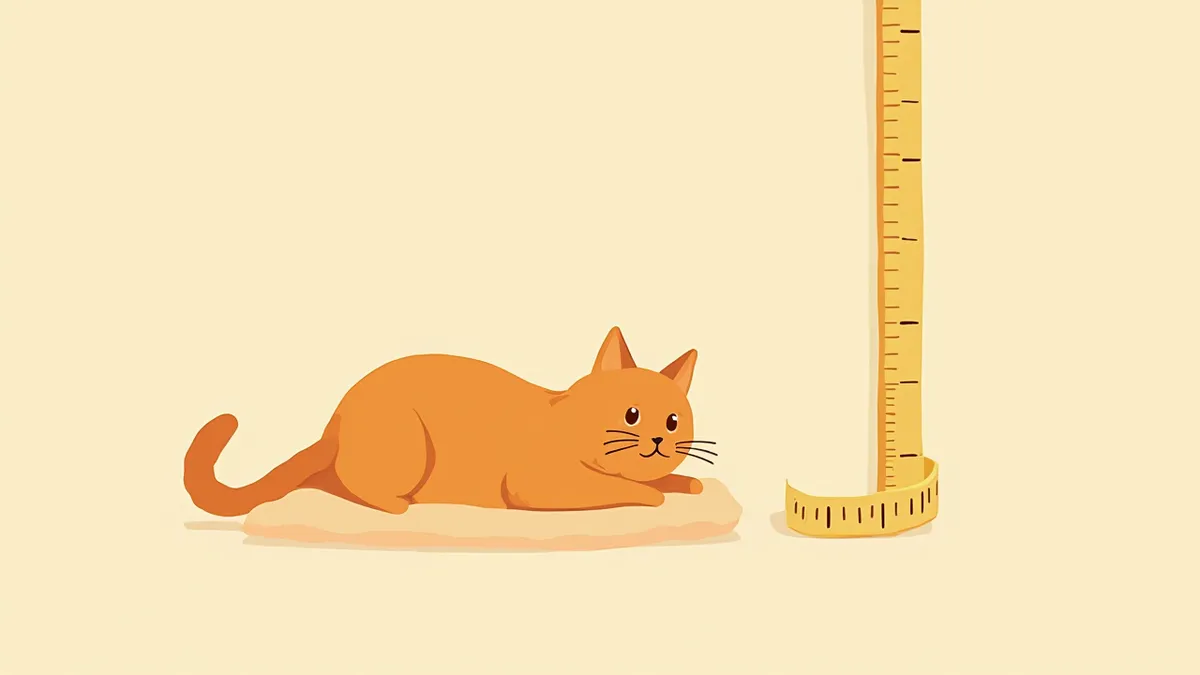
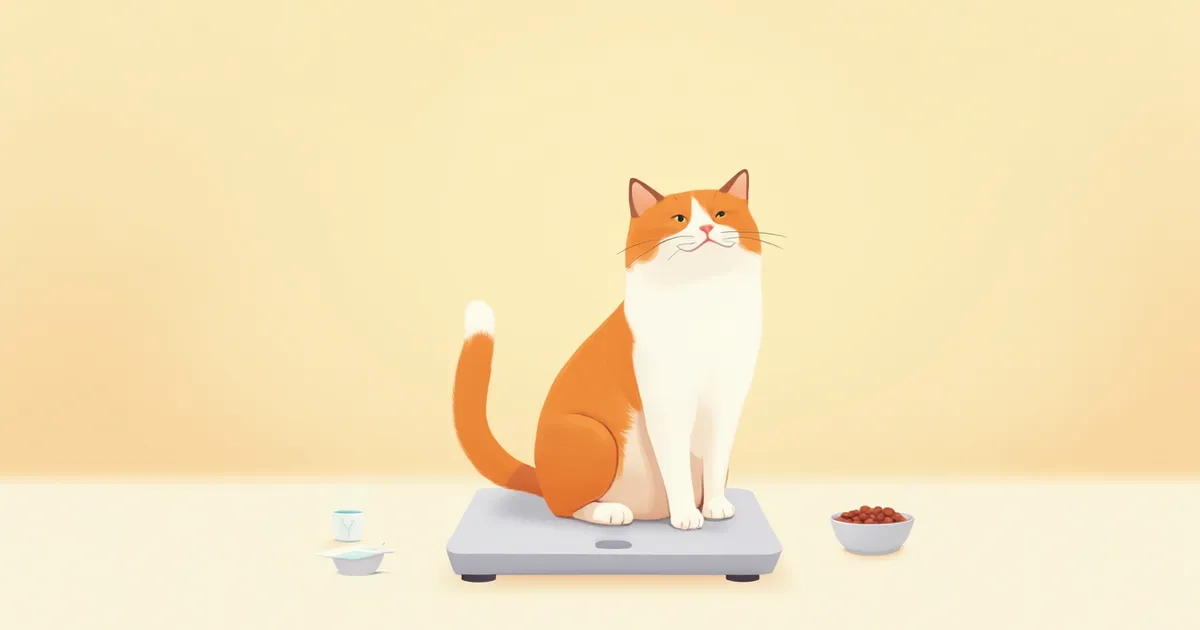
A chubby cat lounging on a cushion and a measuring tape — warning signs that obesity can lead to diabetes
Feline diabetes is an endocrine disorder characterized by chronically elevated blood glucose levels, resulting from either reduced insulin secretion by the pancreas—in cats, this often occurs due to amyloid deposition in pancreatic islet cells, which decreases insulin production—or impaired bodily response to insulin. Most cases resemble type 2 diabetes in humans, making preventing obesity and providing a low-carbohydrate, high-protein diet the key preventive measures. Obesity is the most common nutritional issue in cats and a well-established risk factor closely linked to diabetes; maintaining an ideal body weight alone can significantly reduce this risk. Furthermore, a diagnosis does not necessarily mean lifelong insulin injections. With strict blood glucose control using insulin and concurrent implementation of a low-carbohydrate diet during the early stages of diagnosis, many cats can achieve remission, allowing them to discontinue insulin. Therefore, just as with human type 2 diabetes, it is crucial to mitigate risk through lifestyle modifications and to actively manage the condition after diagnosis.

Check These Before Starting Prevention

If you notice any of the following signs, a diagnostic check-up should come before preventive measures. If your pet is drinking significantly more water than usual, urinating more frequently, losing weight despite eating normally, or walking with a wobbly, collapsing gait in the hind legs, you should have their blood glucose and fructosamine levels tested at a veterinary clinic within 24 to 48 hours. The earlier diabetes is detected, the greater the chance of achieving temporary remission, where insulin injections can be discontinued.

Prevention Step 1 — Maintaining an Ideal Weight
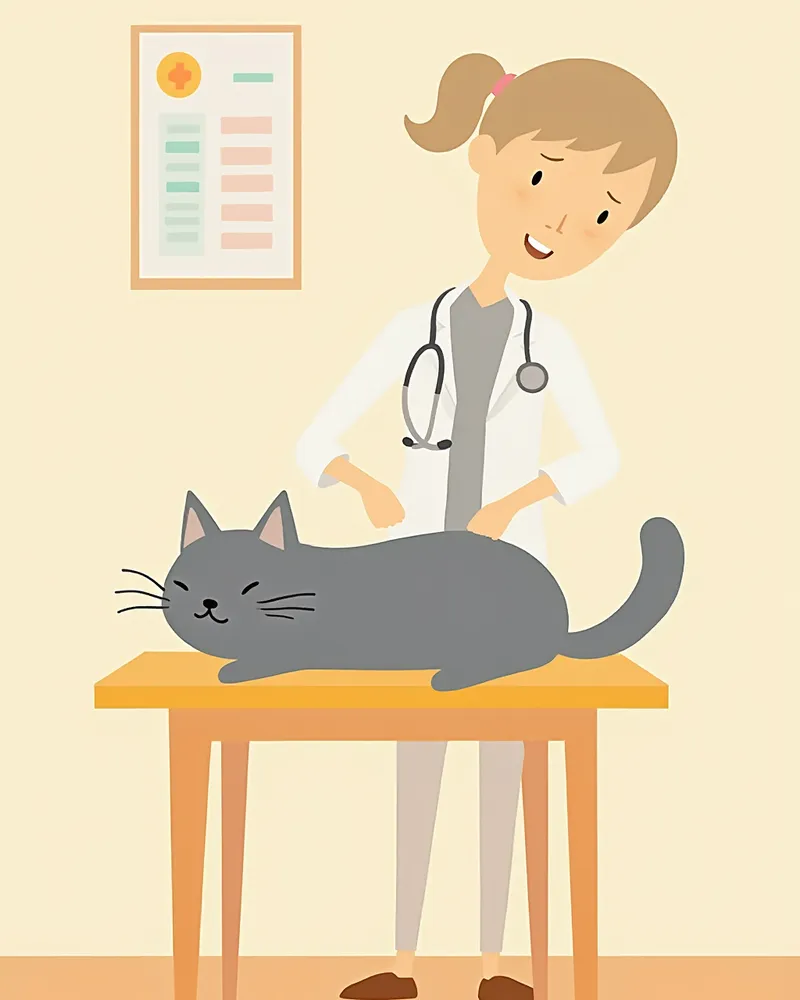
Obesity is the risk factor most closely linked to feline diabetes. Excess weight and obesity reduce insulin sensitivity, making weight management the starting point for prevention. - Target weight: A Body Condition Score (BCS) of 5/9 on the 9-point scale is ideal (approximately 15–25% body fat). On a 5-point scale, 3/5 is appropriate, with higher scores indicating increased fat accumulation. - Rib check: Ribs should be lightly palpable when you run your hand along the sides. - Waistline: A slight waist should be visible when viewed from above. - Rate of weight loss: Rapid weight loss can lead to fatty liver disease, so gradual and consistent reduction is safer. If you find it difficult to assess BCS at home, please have it checked regularly at the clinic. After neutering, cats are prone to overfeeding, so monitor both weight and BCS closely.
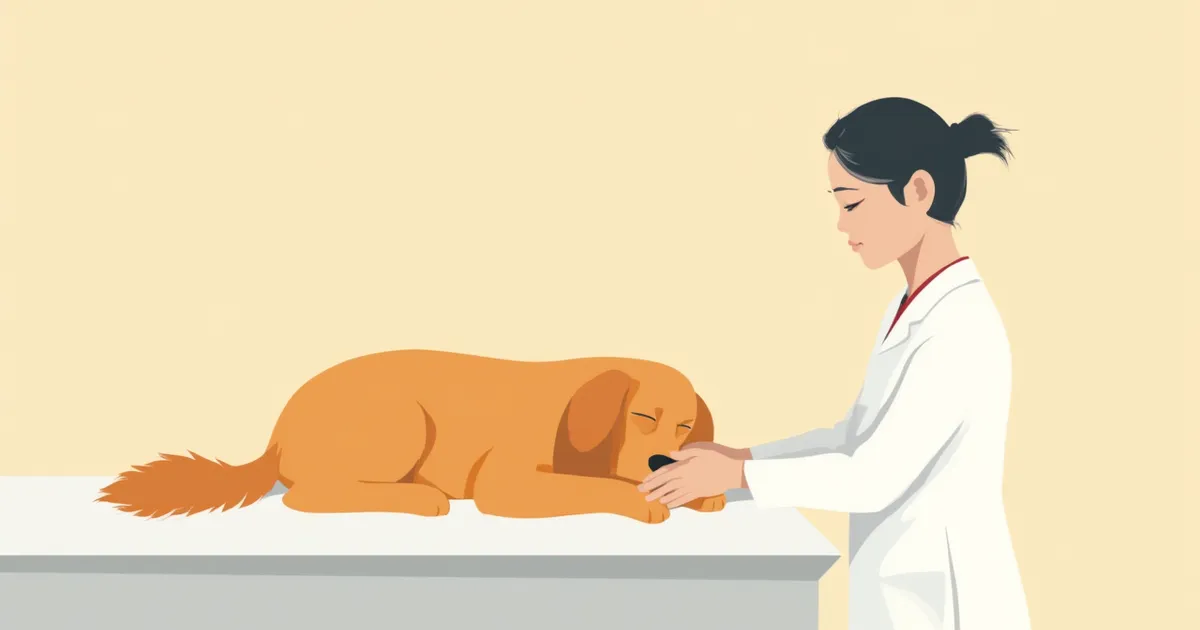
A veterinarian assessing a cat’s body condition — BCS evaluation

Prevention Step 2 — Avoiding High-Carbohydrate Diets

Cats are obligate carnivores that naturally rely on protein as their primary energy source. Diets high in carbohydrates can cause rapid post-meal spikes in blood sugar and, over time, lead to insulin resistance. - Dry food (kibble): Many products contain 30–50% carbohydrates due to preservation requirements. - Wet food (pouches/cans): Typically lower in carbohydrates, ranging from 5–15%. - Recommended ratios: Protein ≥40%, fat 15–25%, and carbohydrates ≤15% (on a dry matter basis). If the first three ingredients listed on a pet food label are grains (such as corn, wheat, or rice), consider choosing a different product.

Carbohydrate and Protein Comparison by Food Type

ItemRegular dry foodGrain-free dry foodWet food (pouch/can)Diabetic prescription diet
Protein (dry matter basis)28–35%35–45%40–55%45–55%
Carbohydrate (dry matter basis)30–50%20–35%5–15%5–12%
Moisture content~10%~10%70–80%70–80%
Suitability for diabetes preventionLowModerateHighVery high

Average values for major products distributed domestically as of 2026. Exact figures require checking each product's guaranteed analysis.

Prevention Step 3 — Managing Meal Patterns and Exercise

Not only what you feed, but also when and how you feed it, is crucial for stabilizing blood sugar levels. - Avoid free-feeding: Leaving a bowl of food out all day causes continuous insulin secretion, which can exhaust the pancreas. - Split meals into 2–3 portions per day: Provide measured amounts at set times. - Use puzzle feeders: This stimulates hunting instincts, encourages slower eating, and increases activity. - Playtime: Engage your cat with feather or laser toys for two 10–15-minute sessions daily. - Vertical spaces: Use cat trees or window perches to encourage jumping and movement. Indoor cats are prone to obesity if their activity levels are not intentionally increased.
Cats playing with cat trees and feather toys — increasing activity levels

Hidden Factors That Increase Diabetes Risk

In addition to weight and diet, the following factors can increase the risk of developing the condition: - Age: The condition is more commonly diagnosed in middle-aged to senior cats. - Sex and neuter status: Neutered males are considered at higher risk because they tend to eat more and gain weight after neutering. - Breed: Certain breeds, such as the Burmese, have been reported to have a higher predisposition to diabetes compared to other breeds. - Long-term steroid use: Steroids can interfere with blood sugar regulation and insulin function. - Concurrent diseases: Conditions such as chronic pancreatitis or Cushing’s syndrome can make managing diabetes more difficult. If your cat has any of these risk factors, regular blood glucose testing is recommended to monitor for early changes.

Burmese, Neutered Males, and Senior Cats Require More Frequent Screening

Certain breeds, such as Burmese cats, neutered males, and senior cats have a relatively higher predisposition to diabetes, even when fed the same diet. Regular testing of fasting blood glucose and fructosamine (which reflects average blood sugar levels over the past two to three weeks) can help detect the disease in its preclinical stage. With early detection, strict blood sugar control through insulin therapy, combined with a low-carbohydrate diet, can even lead to remission.

If Already Obese — A Safe Weight Loss Roadmap

Never attempt extreme fasting. Cats can develop hepatic lipidosis (fatty liver disease), a medical emergency, if they go without food for just 3 to 5 days. - Phase 1 (Weeks 1–2): Reduce the current food portion by 10% and monitor for adaptation. - Phase 2 (Weeks 3–4): Gradually transition to a prescription diet or a low-carbohydrate, high-protein food. - Phase 3 (Ongoing): Aim for a weight loss of 1–2% of body weight per month. If progress stalls, reduce calories by an additional 5%. - Hydration: Maintain wet food at 50% or more of the diet to promote satiety and reduce kidney strain. Never reduce protein intake during weight loss. Muscle loss lowers basal metabolic rate, leading to weight regain.
Cats eating slowly with a puzzle feeder — a safe weight-loss feeding method

Reviewed by a veterinarian

Dr. Tony — Punnawat Phongkittirak

Dr. Tony — Punnawat Phongkittirak

Veterinarian

A veterinarian who majored in veterinary medicine at Khon Kaen University, Thailand, and completed the IVSA program at North Carolina State University in the United States. Drawing on clinical experience at animal hospitals, he works in the pet healthcare field and is dedicated to building a digital care environment that connects pet parents with veterinarians.

Frequently Asked Questions

Can feeding only dry food help prevent diabetes?
It’s possible, but more challenging. Dry kibble tends to have a higher carbohydrate content for preservation, which can cause greater blood sugar fluctuations even at the same calorie level. For safety, it’s best to mix in at least 30–50% wet food if possible.
Are cat diet foods and diabetic prescription diets the same thing?
They’re different. Diet foods focus on lowering calories, whereas diabetic prescription diets are formulated to stabilize blood sugar by increasing protein and reducing carbohydrates to 5–12%. If your pet is already at risk for diabetes, consulting about a prescription diet should be your first step.
How much treat can I give my pet?
Treats should make up no more than 5% of your pet’s daily caloric intake. Freeze-dried, single-protein treats are generally a safer choice, while those containing grains, starches, or sugars are best avoided.
If fasting blood sugar levels are normal, can I rest assured?
A single normal reading isn't enough. Cats often experience temporary high blood sugar due to stress at the vet clinic, so it's more accurate to evaluate the results alongside a fructosamine test.
Can a cat whose diabetes has been fully remitted return to regular cat food?
I don't recommend it. Even after remission, pancreatic function remains compromised, so returning to a high-carbohydrate diet significantly increases the risk of recurrence. For long-term safety, it's best to maintain a low-carbohydrate, high-protein diet for life.

Share

Related Guides

References

[1] Ettinger SJ, Feldman EC, Cote E. Textbook of Veterinary Internal Medicine, 8th Ed. Chapter on Feline Diabetes Mellitus.

[2] Fascetti AJ, Delaney SJ. Applied Veterinary Clinical Nutrition, 2nd Ed. Chapter 8: Commercial and Home-Prepared Diets.

[3] Nelson RW, Couto CG. Small Animal Internal Medicine, 6th Ed. Endocrine Disorders.

[4] Rand JS et al., Canine and Feline Diabetes Mellitus: Nature or Nurture?, J Nutr, 2004

This information is based on veterinary literature and does not replace diagnosis or treatment. Please consult a veterinarian for specific health concerns.

Metapet Co., Ltd. | CEO: Park Sung-yong | Business Reg. No. 417-88-02562 | Seoul, South Korea | Customer Center

Feline Diabetes Prevention: Weight & Low-Carb Diet Guide | Meongsiljang