

Types of Dewormers for Dogs and Dosing Schedules
We’ve compiled a veterinary-backed guide to dewormers that prevent common intestinal parasites in dogs—roundworms, hookworms, whipworms, and tapeworms—including the types of dewormers, age-specific dosing schedules, and proper administration methods.
Why Should You Deworm Your Dog Regularly?

Get a Fecal Exam Before Administering Dewormers
If you’re starting deworming for the first time or haven’t administered it in a long while, have your pet undergo a fecal exam at a veterinary clinic first. Identifying the specific parasite is essential to selecting the most appropriate medication. This is especially important for puppies under 8 weeks of age, as treatment options are limited; be sure to consult with your veterinarian.
Four Common Intestinal Parasites in Dogs
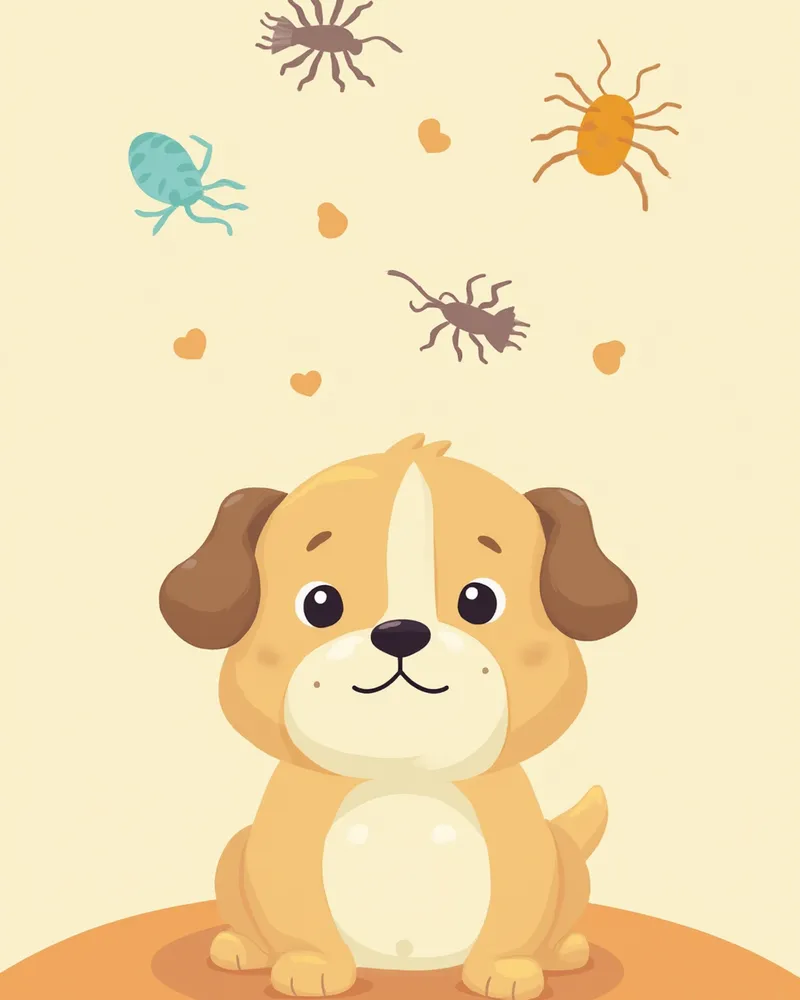
Oral Dewormers — The Fundamental Medication
Combination Dewormers — Managing Multiple Parasites at Once

Comparison of Dewormer Ingredients
| Ingredient | Target Parasites | Administration Form | Features |
|---|---|---|---|
| Fenbendazole | Roundworms, hookworms, whipworms | Oral | Broad-spectrum dewormer; standard prescription |
| Pyrantel | Roundworms, hookworms | Oral | Safe for use from 2 weeks of age |
| Praziquantel | Tapeworms | Oral | Specialized ingredient for tapeworms |
| Milbemycin | Roundworms, hookworms, whipworms | Oral | Also prevents heartworms |
| Moxidectin | Roundworms, hookworms | Spot-on | Simultaneously manages external parasites |
Deworming Schedule by Age

Consult Your Veterinarian in These Situations
For pregnant or nursing dogs, the deworming ingredients that can be safely used are limited. Administering medication without veterinary guidance may harm the developing puppies. If you see parasites in your dog’s stool after deworming, it means the medication is working effectively. Don’t be alarmed—simply follow the recommended schedule for any additional doses. However, if vomiting or diarrhea becomes severe, it could indicate an adverse reaction to the medication, so contact your veterinarian right away.
Reviewed by a veterinarian

Dr. Tony — Punnawat Phongkittirak
VeterinarianA veterinarian who majored in veterinary medicine at Khon Kaen University, Thailand, and completed the IVSA program at North Carolina State University in the United States. Drawing on clinical experience at animal hospitals, he works in the pet healthcare field and is dedicated to building a digital care environment that connects pet parents with veterinarians.
Reviewed 2026-04-13
Frequently Asked Questions
Do I need a prescription from the vet to get deworming medication?
After giving my pet dewormer, I noticed parasites in their stool. Is this normal?
I’m already giving my pet heartworm prevention. Do I still need to give a separate dewormer?
Do indoor dogs that don’t go for walks also need deworming?
Can I give my dog human deworming medication?
Share
Related Guides

My Senior Cat Won’t Eat — A Complete Guide to Choosing Food for Cats with Weak Digestion

Top 5 Prescription Diets for Feline Pancreatitis Recommended by Veterinarians — Low-Fat, Highly Digestible Food Guide

Royal Canin vs Hill’s vs Purina vs Orijen — Which Brand Is Right for Your Pet, According to Veterinarians?

First Month Puppy Adoption Checklist — Vet Visit, Vaccination, and Socialization

Do Indoor Cats Need Vaccines? — What Are the Essential Recommended Vaccinations?
Cat Neutering Timing — Lifelong Health Benefits of Surgery Before the First Heat Cycle

When Is the Best Time to Neuter a Male Dog? — Comparing Effects of Early vs. Post-Growth Timing

Timing of Spaying Your Female Dog — A Guide to Deciding Before or After the First Heat Cycle
Protecting Your Dog’s Liver — Checklist of Medications and Foods to Avoid in Daily Life

Protecting Your Cat’s Kidneys: 7 Ways to Naturally Increase Water Intake and a Senior Cat Care Guide
References
[1] Clinical Medicine of the Dog and Cat, 4th Ed — Gastrointestinal Parasites, Hookworms, Roundworms
[2] Plumb's Veterinary Drug Handbook, 10th Ed — Fenbendazole, Pyrantel, Praziquantel, Milbemycin
[3] Blackwell's Five-Minute Veterinary Consult Clinical Companion, Small Animal Toxicology, 3rd Edition — Anthelmintics
[4] Notes on Canine Internal Medicine, 4th Ed — Intestinal Parasites, Treatment