Like
Share
멍실장
강아지 새끼 입양 첫 달 — 검진·접종·사회화 체크리스트

First Month Puppy Adoption Checklist — Vet Visit, Vaccination, and Socialization

Lifestyle & Age CarePreventionMeongsiljang Veterinary Advisory Board

This is a four-week checklist for new puppy owners. It covers everything from the first vet visit and vaccination schedule to the critical socialization window, helping you lay the foundation for your puppy’s lifelong health.

Why the First Month of Puppy Adoption Shapes Their Entire Life
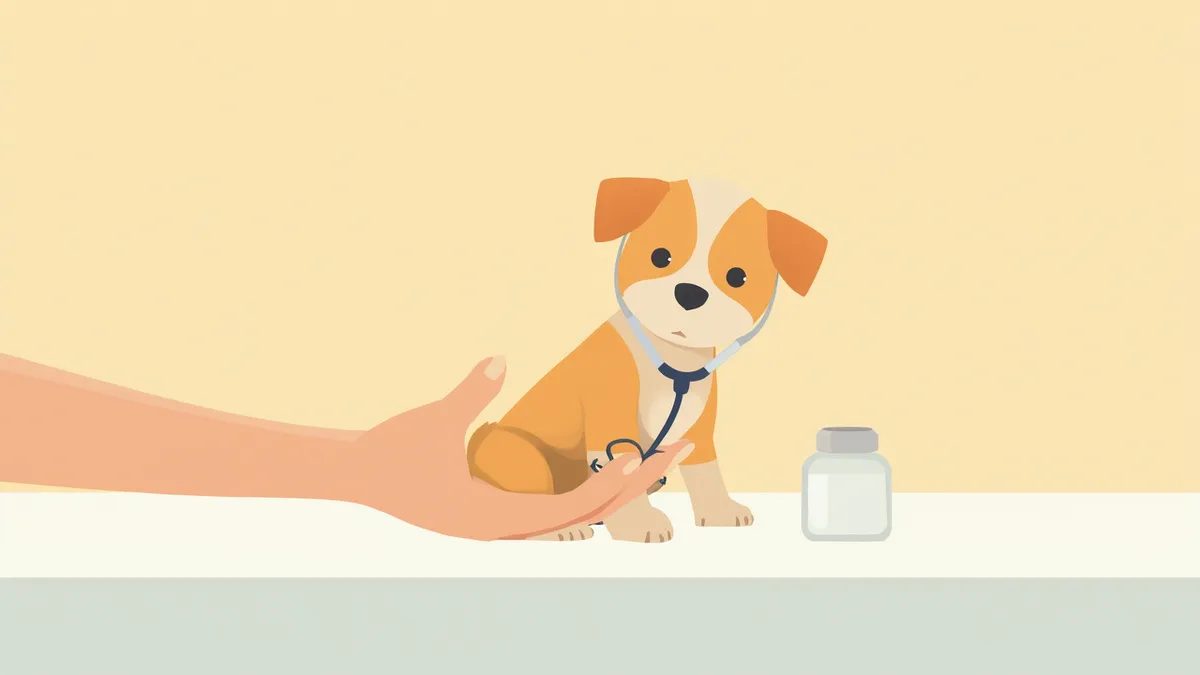
A puppy receiving its first check-up at the veterinary clinic
The first month after bringing home a new puppy is the most critical period for shaping their lifelong health and social skills. What truly matters is simultaneously focusing on three key areas: veterinary check-ups, vaccinations, and socialization. You should schedule a vet visit within the first 24 to 72 hours, adhere strictly to the vaccination schedule starting at 6 to 8 weeks of age, and not miss the golden window for socialization (3 to 13 weeks). If any of these three pillars are neglected, immune and behavioral issues may follow your dog for life.

What to Check Within 72 Hours of Adoption

Puppies often experience a temporary dip in immunity due to the stress of adapting to a new environment. Within the first 72 hours, they should undergo a general health check, parasite screening, and heart auscultation at a veterinary clinic. Additionally, be sure to keep all records from the breeder, including vaccination and deworming histories, as well as information about the puppy’s parents. If these records are missing or unclear, you’ll need to restart the schedule from the beginning.

Week 1 Checklist — Adjustment and First Vet Visit

The top priority in the first week is helping your pet adjust to its new environment. Avoid outings and contact with other animals, and focus on keeping your pet calm and settled at home. - Initial health check: Within three days of bringing your pet home, perform a general physical exam, including heart rate and temperature checks. - Fecal examination: Test for roundworms, hookworms, Giardia, and coccidia. - Weight tracking: Begin weighing your pet at the same time each day. - Maintain the same food: Continue feeding the same food provided by the breeder or shelter for at least five to seven days to prevent diarrhea. - Resting area: Provide a safe, personal space using a cage or house.

Weeks 2–3 Checklist — Starting Vaccinations and Deworming
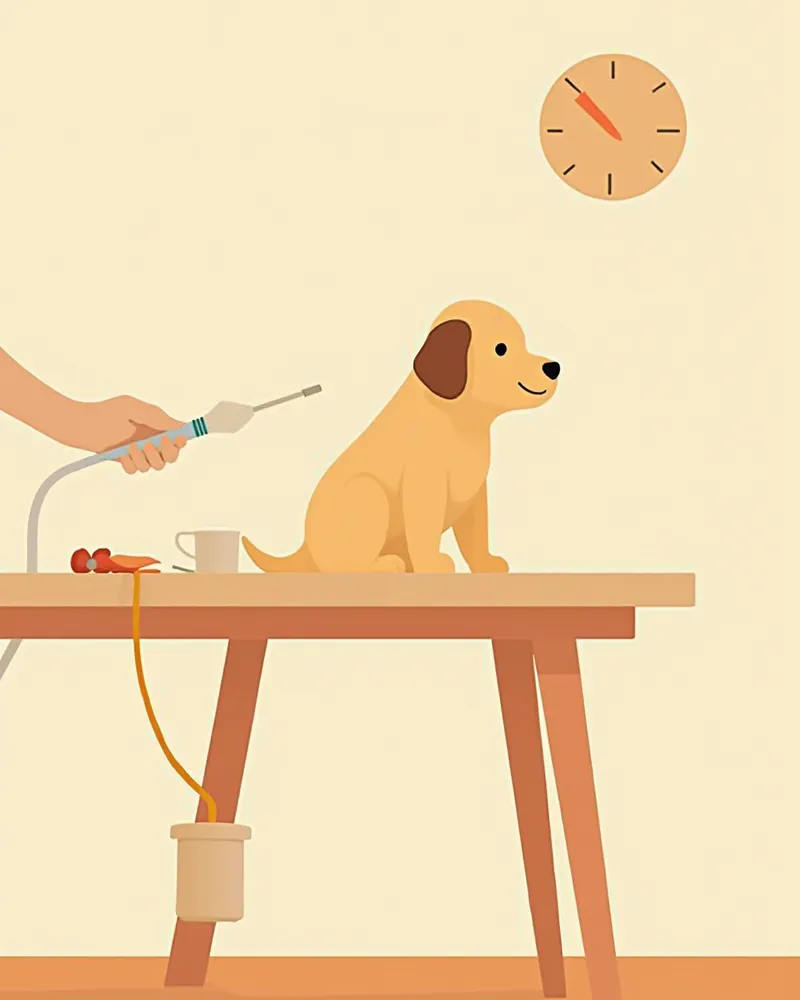
Weeks 2–3 mark the start of the core vaccination schedule. The standard puppy combination vaccine (DHPPL) is typically administered for the first time at 6–8 weeks of age, with subsequent doses given every 2–3 weeks up to a total of five doses. - Confirm vaccination series: Schedule the next dose based on the adoption date. - Coronavirus enteritis and kennel cough vaccines: Administered alternately with the combination vaccine. - Rabies vaccine: A single dose after 12 weeks of age. - Heartworm and internal/external parasite preventatives: Usually started at 8 weeks of age, dosed according to body weight. - Maintain outdoor restrictions: Delay walks until two weeks after the fifth vaccination.
A puppy sitting on the examination table, awaiting its vaccinations

Week 4 Checklist — Full Socialization Begins

In week 4, we review vaccination progress and begin formal socialization. While outdoor walks are still off-limits, the key is exposing your puppy to stimuli within the home and other safe environments. - Socialization Stimulus Log: Introduce 1–2 new sounds, objects, or floor surfaces daily. - Meeting Diverse People: Interact with at least five different individuals beyond family members, including adults, children, and people wearing hats. - Carrier/Transport Adaptation: Short car rides help desensitize your puppy to motion sickness and fear. - Basic Handling: Touch your puppy’s paws, ears, and mouth once daily. - Weight, Appetite, and Elimination Log: Compile one month’s data to bring to the next check-up.

Weekly Key Tasks at a Glance

ItemWeek 1Weeks 2–3Week 4
ExaminationFirst physical exam/fecal testCondition check before vaccinationComprehensive assessment by age
VaccinationOnly checking adoption recordsProceed with combination vaccine doseBook next dose + rabies schedule
Parasite preventionDeworming based on fecal resultsStart heartworm/external parasite preventionEstablish regular monthly schedule
SocializationOnly quiet adaptation to the environmentStable interaction with familyExposure to various people, sounds, floors
OutingsCompletely prohibitedCompletely prohibitedProhibited until 2 weeks after the 5th dose

The schedule above is a general guideline; the actual number of doses and timing are adjusted at the animal hospital according to the puppy's condition.

Don’t Miss the Golden Window for Socialization

The golden window for puppy socialization is between 3 and 13 weeks of age. If puppies aren’t positively exposed to a variety of stimuli during this period, they’re more likely to develop lifelong issues like separation anxiety, fear of strangers, and noise phobias. The first month after adoption usually coincides with the latter part of this critical window. - Exposure principles: Never force interactions; instead, create positive associations using treats and play. - One to two new experiences per day: Introduce novel stimuli in small, frequent, and brief sessions. - Prevent negative experiences: Avoid loud noises, aggressive dogs, and overwhelming stimulation. Correcting behavioral issues in poorly socialized puppies becomes much more challenging once they reach adulthood. For more detailed guidance, please refer to our Puppy Separation Anxiety Prevention Guide.
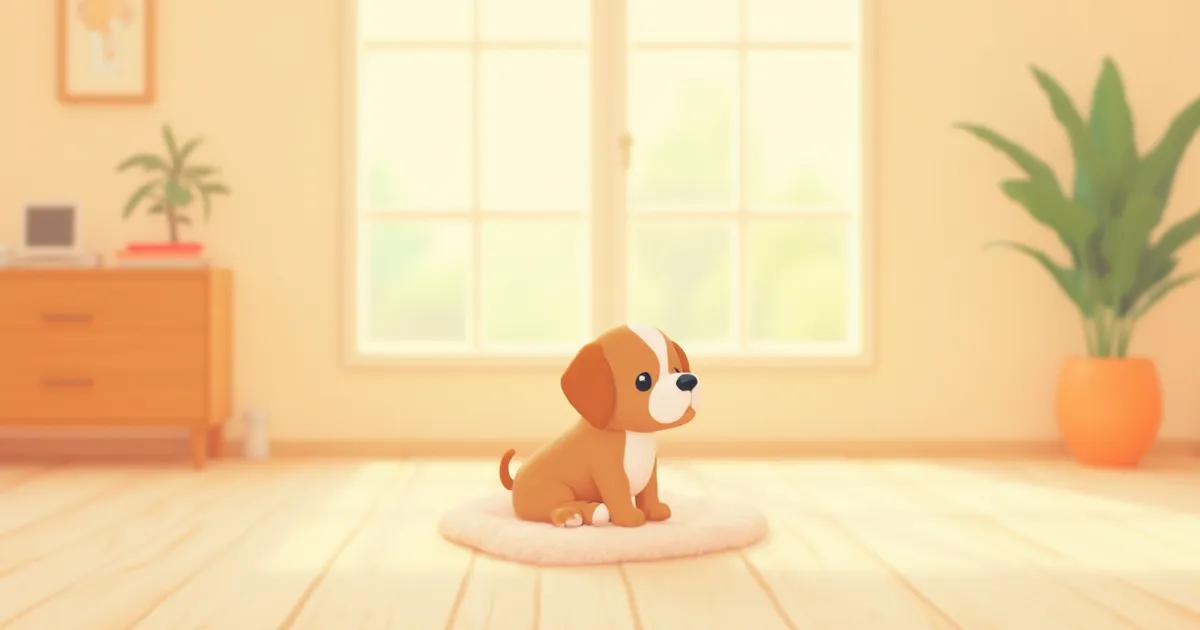
A puppy spending socialization time with family members indoors

Go to the Vet Immediately If You See These Signs

Puppies have weak immune systems, so their symptoms can worsen rapidly. If you notice any of the following signs, do not delay and take your puppy to a 24-hour emergency animal hospital immediately: - Refusal to eat or drink for more than 12 hours - Yellow or green vomit, or bloody or black stools - Pale or bluish gums - Body temperature above 39.5°C or below 38°C - Seizures, inability to stand, or decreased consciousness - Labored breathing with a respiratory rate exceeding 40 breaths per minute Remember that for life-threatening infectious diseases such as parvovirus and distemper, the first 24 hours are critical for survival.

Home Setup — What Owners Should Prepare in Advance
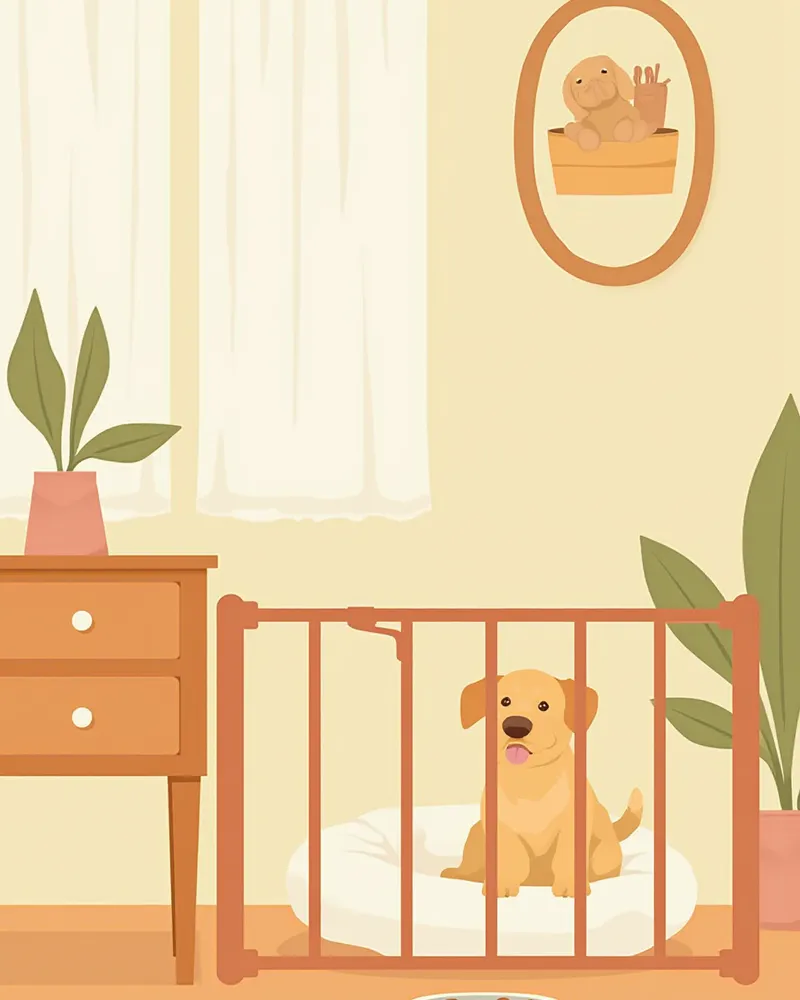
Setting up your home before your new puppy arrives can significantly reduce their stress during the adjustment period. - Safe pen area: Set up a designated space in one corner of the living room that includes the potty area, water bowl, and crate. - Non-slip mats: Place mats on the living room floor to protect the puppy’s patellas. - Remove hazards: Clear away electrical cords, small objects, and toxic houseplants (such as lilies and ivy). - Temperature control: Maintain a room temperature of 22–26°C and prevent direct contact with cold floors. - Quiet first day: Postpone visits from relatives and neighbors for at least one week. A well-prepared environment also enables you to respond more quickly to any nighttime emergencies.
A home environment safely set up for your puppy

Reviewed by a veterinarian

Dr. Tony — Punnawat Phongkittirak

Dr. Tony — Punnawat Phongkittirak

Veterinarian

A veterinarian who majored in veterinary medicine at Khon Kaen University, Thailand, and completed the IVSA program at North Carolina State University in the United States. Drawing on clinical experience at animal hospitals, he works in the pet healthcare field and is dedicated to building a digital care environment that connects pet parents with veterinarians.

Frequently Asked Questions

Is it okay to bathe a puppy on the first day you bring it home?
No, it’s not recommended. Bathing your puppy before they’ve fully adjusted to their new environment and completed their vaccination series can weaken their immune system and lead to hypothermia. We generally advise waiting until two weeks after the final (fifth) vaccination before giving them their first bath. If they get dirty before then, simply wipe them down with a dry towel or use a dog-specific waterless shampoo.
The breeder said it’s okay to switch my pet’s food. Can I change it right away?
No, you should transition gradually. During the first week in the new environment, keep feeding the current food. Starting in the second week, increase the proportion of the new food over 7–10 days as follows: 25%, then 50%, then 75%, and finally 100%. A sudden change can lead to diarrhea and vomiting, increasing the risk of dehydration.
Can’t I take my dog for a walk at all before the fifth vaccination?
Direct contact with the ground during walks is not allowed. However, to take advantage of the socialization golden period, it is recommended to carry your puppy or place them in a carrier to expose them to various environmental sounds and sights. Absolutely avoid letting them step on grass or walking paths where other dogs' feces or urine may be present.
When should I start giving deworming medication?
Internal deworming typically begins at the breeder’s facility when puppies are around two weeks old. After adoption, your veterinarian will establish a new deworming schedule based on the results of a fecal exam and your puppy’s age. Preventive medications for heartworm and external parasites are generally started at eight weeks of age, once the puppy weighs at least 1 kilogram.
How much should I budget for a monthly check-up?
Costs can vary significantly depending on the region and clinic, but you can generally expect a set of initial expenses in the first month, covering the first checkup, one to two rounds of vaccinations, and deworming. For an exact figure, contact your veterinary clinic directly, and if possible, ask for an estimated cost breakdown for the entire first month during your initial visit.

Share

Related Guides

References

[1] Ettinger SJ, Feldman EC, Cote E. Textbook of Veterinary Internal Medicine, 8th ed. Chapter: Pediatric Health and Vaccination Protocols. 2017

[2] Landsberg G, Hunthausen W, Ackerman L. Behavior Problems of the Dog and Cat, 4th ed. Chapter: Puppy Socialization Period. 2024

[3] AAHA Canine Vaccination Guidelines, American Animal Hospital Association, 2022

[4] Veterinary Guide to Preventing Behavior Problems in Dogs and Cats, Chapter 9: Adopting a Shelter Dog, Wiley-Blackwell, 2023

This information is based on veterinary literature and does not replace diagnosis or treatment. Please consult a veterinarian for specific health concerns.

Metapet Co., Ltd. | CEO: Park Sung-yong | Business Reg. No. 417-88-02562 | Seoul, South Korea | Customer Center

First Month with a New Puppy: Vet, Vaccines & Socializing | Meongsiljang