Like
Share
멍실장
강아지 반려동물 응급처치 키트 완벽 가이드 — 보호자 체크리스트

The Ultimate Guide to Puppy First Aid Kits — Owner Checklist

Lifestyle & Age CarePreventionMeongsiljang Veterinary Advisory Board

For dog owners, we’ve compiled the essential items for a home emergency kit and how to use them in different emergency situations. Taking the right initial steps before heading to the vet can make a critical difference in your pet’s recovery.

What Is a Puppy First Aid Kit? — Why It’s Essential
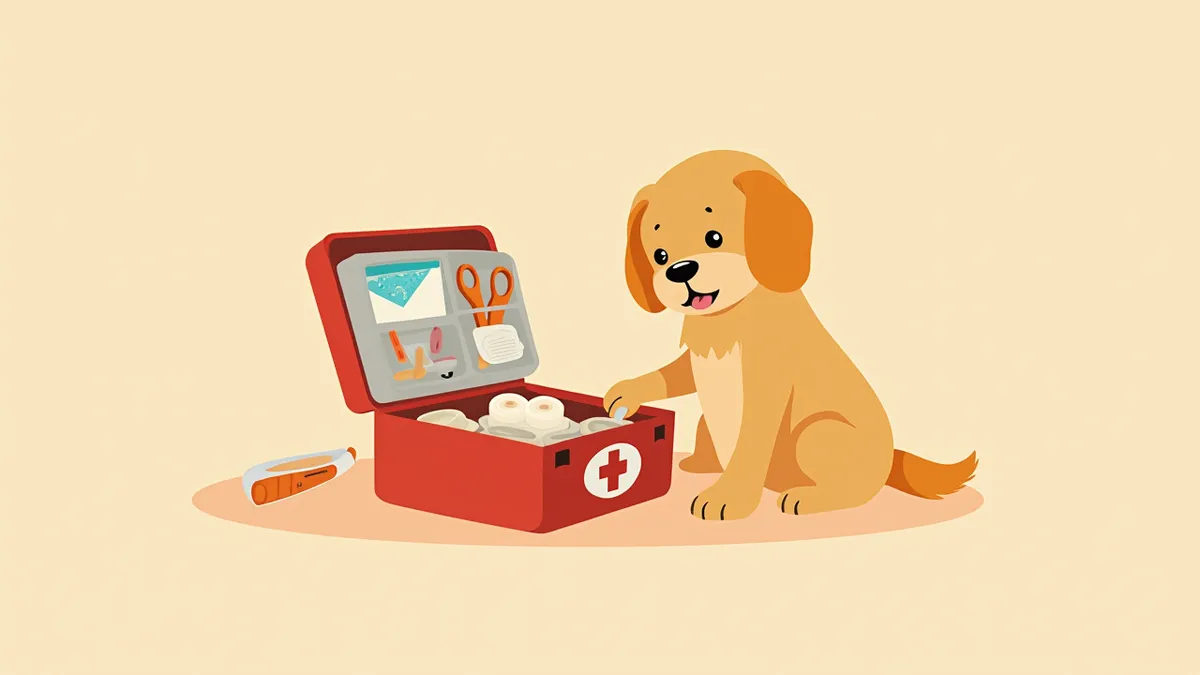
A pet owner opening a dog first-aid kit
A puppy first-aid kit is a collection of medical supplies designed to help pet owners respond immediately to sudden injuries or health issues before reaching the veterinary clinic. The most important thing to remember is that emergencies can strike without warning. In critical situations like bleeding, choking, or seizures, where your response in the first few minutes can make all the difference, not having a kit on hand can leave you feeling helpless. Emergency and critical care veterinary textbooks emphasize the importance of identifying and addressing the most urgent issues first during the initial assessment (triage), even if they may not appear to be the most severe. They also highlight that a pet owner’s initial response serves as the crucial starting point for subsequent veterinary treatment.

A First Aid Kit Is Not a Substitute for Veterinary Care

First aid is a temporary measure to stabilize your pet until you can reach the veterinary clinic. Even if your pet appears stable, a professional veterinary examination is essential. Attempting CPR or clearing an airway obstruction without proper training can be dangerous. For the safest approach, prepare an emergency kit and complete a first-aid course led by a veterinarian.

Essential Physical Tools Checklist

Gauze and bandages: Most commonly used to apply pressure and protect bleeding areas.
Blunt-tip scissors: Designed to cut fur or bandages with minimal risk of skin injury.
Tweezers: Used for removing foreign objects or ticks.
Rectal thermometer: Measures body temperature via the rectum to quickly detect any abnormalities. Knowing your pet’s normal baseline temperature helps you spot changes sooner.
Needle-free syringe: Ideal for wound irrigation and assisting with oral medication administration.
Disposable gloves: Essential for preventing infection during treatment.
Elizabethan collar: Prevents your pet from licking or chewing at wounds.
Blankets or towels: Help maintain body temperature and secure your pet during transport.

List of Medications and Medical Supplies
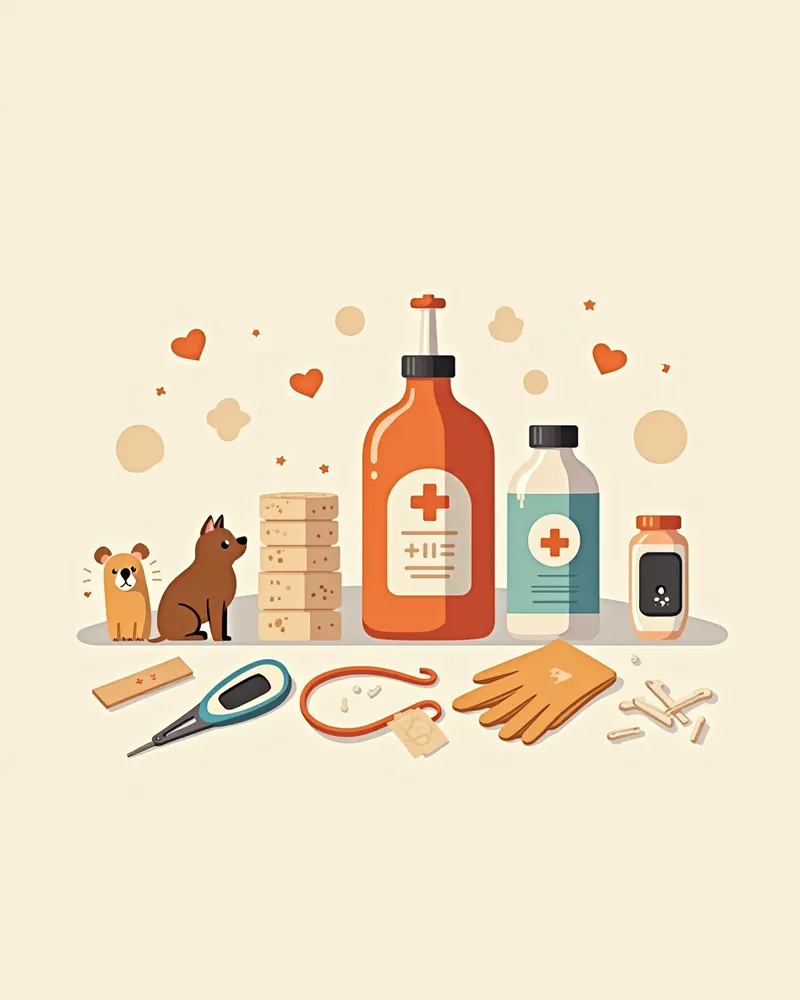
Sterile saline solution: Used for flushing eyes and wounds. It is gentler than regular water.
Antibiotic ointment (prescription required): Helps prevent infection in superficial wounds.
Povidone-iodine (dilutable): Used for wound disinfection. Since the full-strength solution can be irritating, always dilute it before use. For safety, follow your veterinarian’s guidance on the proper concentration and application method.
Hemostatic powder: Effective for minor bleeding, such as from a broken nail.
Activated charcoal: Use only under veterinary direction if you suspect your pet has ingested a toxic substance.
Emergency contact card: Keep the phone numbers of your primary veterinarian and a 24-hour emergency clinic inside the kit.
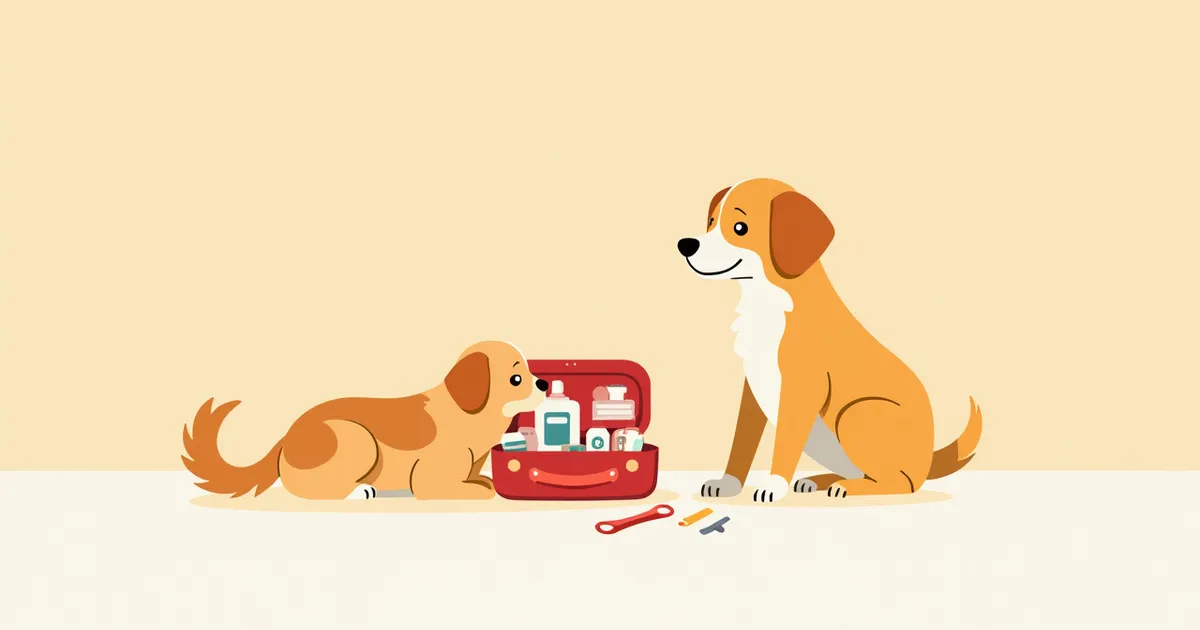
Emergency first-aid medications and medical supplies for dogs

How to Use the Kit in Different Emergency Situations

In case of bleeding: Apply pressure to the wound with gauze to stop the bleeding. If it doesn’t stop after pressing for more than 5 minutes, go to the vet immediately. If a foreign object is swallowed: If your pet is conscious and breathing, take them to the vet right away. Do not try to induce vomiting on your own, as it could be more dangerous. Airway obstruction (choking): Remove any visible foreign objects from the mouth. If that doesn’t work, attempt a dog-specific Heimlich-like maneuver. During a seizure: Clear the area to prevent injury and start a timer. If the seizure lasts more than 5 minutes, rush to the emergency vet immediately.
A pet owner providing first aid to a dog's paw

Commercial Kit Packages vs. DIY Assembly — Which Is Better?

ItemCommercial Package KitCustom Assembly
PriceKRW 20,000–50,000KRW 30,000–80,000
CustomizationDifficultPossible to tailor to your pet's situation
Replacing ConsumablesRequires repurchasing the whole setIndividual replacement possible
Adding Specialized SuppliesLimitedFreely add-able
Managing Expiration DatesComplicatedEasy to check individually

If your pet has an underlying condition or is a special breed, we recommend assembling your own kit

Proper Storage and Maintenance
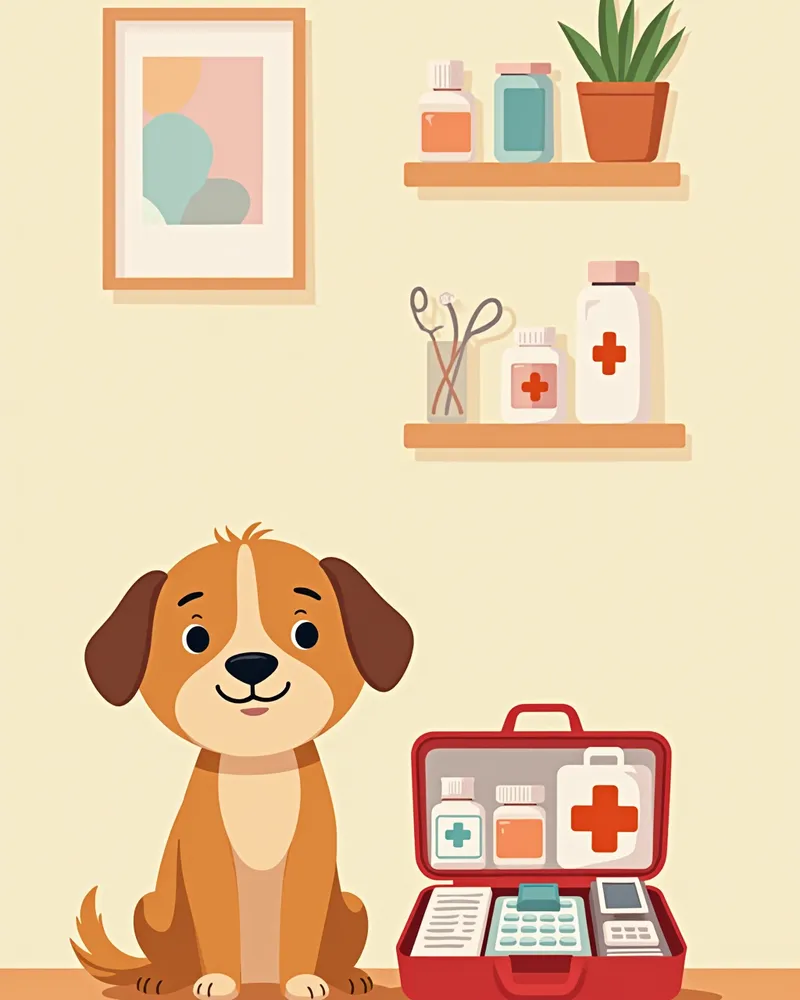
Keep your emergency kit in a place where you can grab it immediately if your pet suddenly falls ill. Store it in a cool, dry location, and use a case that opens easily without any locks. Check the expiration dates every six months and promptly replace any used items. When traveling or going out, make it a habit to pack a separate mini kit containing gauze, bandages, sterile saline, and a contact information card.
Dog first aid kit neatly organized on the shelf

Small Breed and Brachycephalic Owners: Don’t Forget These

Small breeds like Chihuahuas and Pomeranians are at risk of hypoglycemic shock, so we recommend adding sugar supplements such as honey or glucose syrup to your kit. Brachycephalic breeds like Bulldogs and Pugs are prone to respiratory issues, so it’s also wise to have cooling ice packs on hand. For the safest approach, consult your veterinarian before deciding on any additional items.

Reviewed by a veterinarian

Dr. Tony — Punnawat Phongkittirak

Dr. Tony — Punnawat Phongkittirak

Veterinarian

A veterinarian who majored in veterinary medicine at Khon Kaen University, Thailand, and completed the IVSA program at North Carolina State University in the United States. Drawing on clinical experience at animal hospitals, he works in the pet healthcare field and is dedicated to building a digital care environment that connects pet parents with veterinarians.

Frequently Asked Questions

Can I include human medications in my dog’s first-aid kit?
Absolutely not. Human medications such as Tylenol, ibuprofen, and aspirin are toxic to dogs. Your kit should only contain medications prescribed by a veterinarian.
Should I include cardiopulmonary resuscitation (CPR) equipment in the kit as well?
For general pet owners, it’s not necessary to include CPR equipment in the kit. CPR training led by a veterinarian is far more effective than having the equipment alone. It’s important to receive training before preparing the kit.
Can I use a commercially available pet first-aid kit as-is?
The basic kit is fine, but it’s a good idea to add items tailored to your pet’s underlying health conditions or breed-specific needs. For example, small-breed dogs may benefit from glucose supplements, while brachycephalic breeds might need cooling packs.
How often should you check your emergency first-aid kit?
We recommend a comprehensive check-up every six months. It’s important to replace expired medications and supplies, and to promptly replenish any items that have been used.
Can I give my pet activated charcoal from the kit if they swallowed a foreign object?
Only use activated charcoal under a veterinarian’s guidance. Depending on the type of toxin ingested, activated charcoal can actually be harmful. Please call your vet clinic first for instructions.

Share

Related Guides

References

[1] Ackerman L., The Dog Care Handbook: Things I Wish My Vet Had Told Me, Chapter on Veterinary Emergencies and First Aid, 2024

[2] Silverstein DC, Hopper K., Small Animal Critical Care Medicine, 3rd Ed, Chapter on Cardiopulmonary Resuscitation, Elsevier, 2022

[3] Drobatz KJ, Reineke E, Costello MF, Culp WT., Feline Emergency and Critical Care Medicine, 2nd Ed, Wiley-Blackwell, 2021

This information is based on veterinary literature and does not replace diagnosis or treatment. Please consult a veterinarian for specific health concerns.

Metapet Co., Ltd. | CEO: Park Sung-yong | Business Reg. No. 417-88-02562 | Seoul, South Korea | Customer Center

Dog First-Aid Kit Essentials — Owner Checklist | Meongsiljang