Like
Share
멍실장
강아지 새끼 입양 첫 건강관리 완벽 가이드 — 보호자 체크리스트

The Ultimate Guide to First-Time Puppy Health Care — Owner Checklist

Lifestyle & Age CarePreventionMeongsiljang Veterinary Advisory Board

We’ve put together a health care routine to follow within the first 72 hours after bringing home a puppy. Step-by-step guidance covers everything from the initial health check-up and vaccinations to parasite prevention and choosing the right food.

Why the First 72 Hours Are Critical for New Puppy Health Care

A young puppy receiving its first check-up with a veterinarian
The initial health care routine for a newly adopted puppy is a systematic approach to preventive care, health screenings, and socialization that begins immediately after adoption to ensure the young dog grows up healthy. The most critical period is the first 72 hours after adoption. During this time, you must complete a health checkup, check for parasites, and confirm the vaccination schedule to catch any potential issues early. Because puppies have weak immune systems and are highly susceptible to infections, that first veterinary visit is of utmost importance.

Essential Checks Before and Immediately After Adoption

If you adopted your puppy from a source with unclear origins, extra caution is essential. Infectious diseases such as parvovirus and distemper may not show immediate symptoms; they can remain latent and manifest later, so a seemingly healthy appearance doesn’t guarantee safety. Always verify vaccination records (the vaccination booklet) before adoption, and consult a veterinarian immediately if records are missing or uncertain. Be sure to inform the vet if any of the puppy’s littermates were sick, and if you notice any suspicious symptoms, isolate the puppy from other pets in the home and seek veterinary care promptly.

First Health Check-Up Checklist Within 72 Hours of Adoption
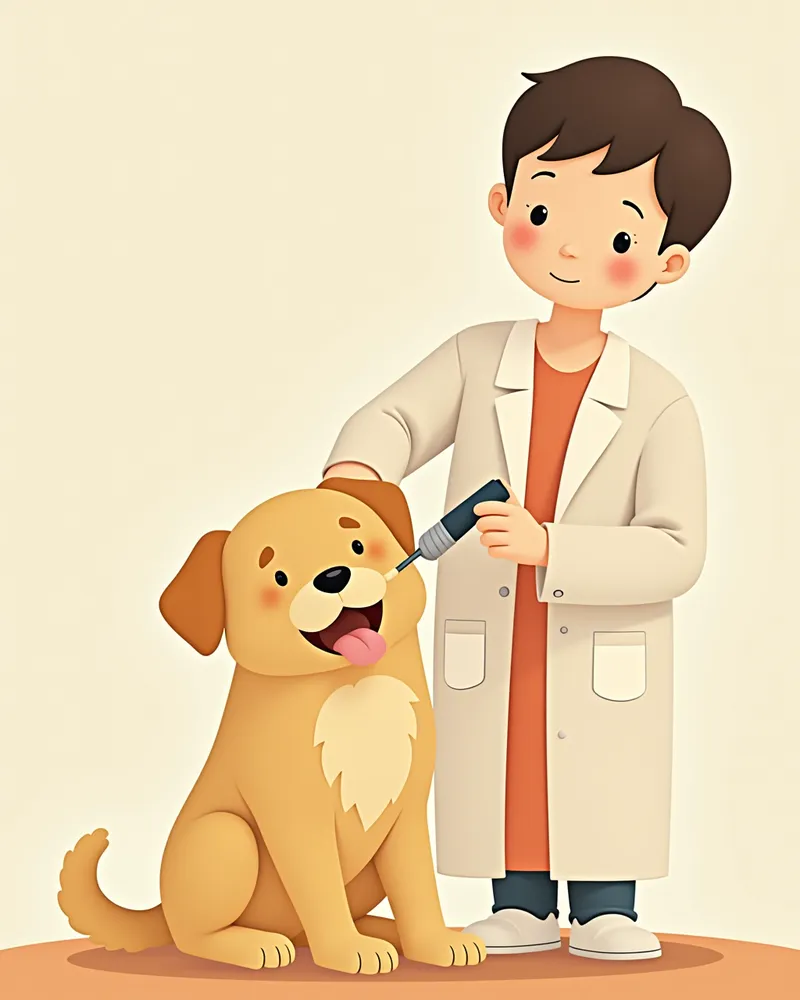
Visit a veterinary clinic soon after adoption to have the following checked:
Weight and body temperature: Establish growth baselines
Fecal parasite test: Check for internal parasites such as roundworms and hookworms
Skin and ear examination: Check for fleas, mites, and ear mites
Heart and lung auscultation: Early detection of congenital heart disease
Vaccination history review: Determine the next vaccination schedule
Most of these tests are included in a basic physical examination.
A young puppy receiving an ear and skin examination at the veterinary clinic.

Puppy Vaccination Schedule — Key Vaccinations by Age

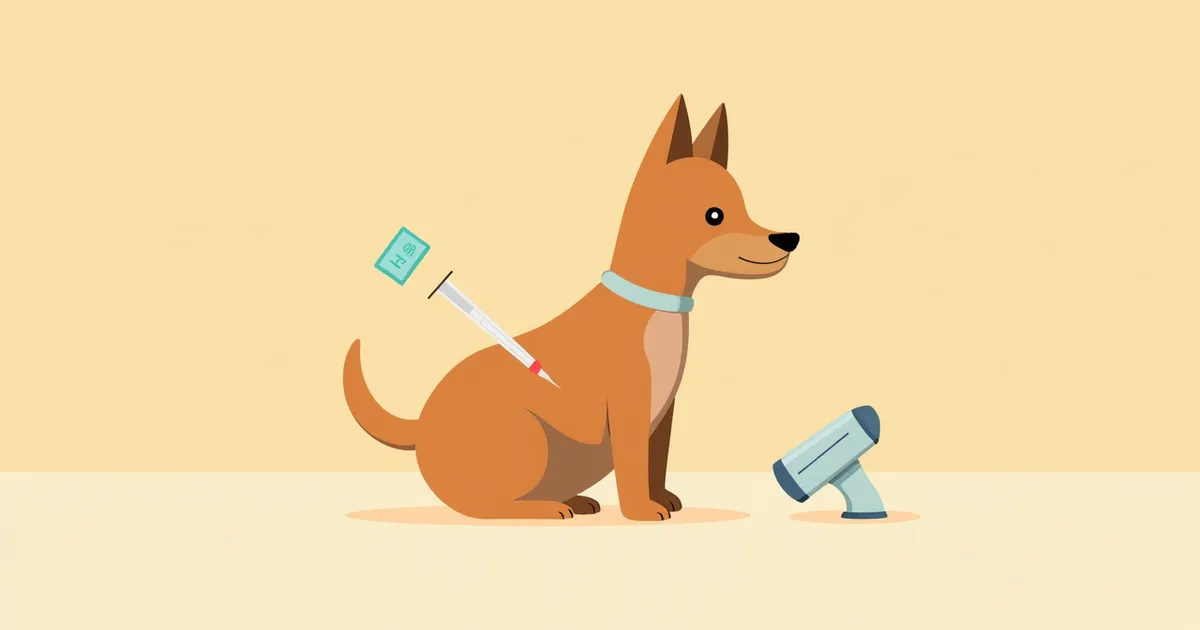
Vaccination is the most fundamental preventive measure to protect puppies from infectious diseases. While newborn puppies are temporarily shielded by maternal antibodies, these antibodies gradually wane as they grow, making it essential to begin vaccinations at the appropriate time. Core infectious diseases such as parvovirus and canine distemper are prevented through vaccination. The vaccination process typically involves a series of doses administered at specific intervals, followed by regular booster shots to maintain immunity. However, the specific vaccines, start date, interval, number of doses, and timing for rabies vaccination vary depending on the puppy’s age, health status, and local disease prevalence. Therefore, do not set a schedule arbitrarily; always consult your veterinarian to determine the appropriate plan.

Heartworm and Parasite Prevention — When to Start?
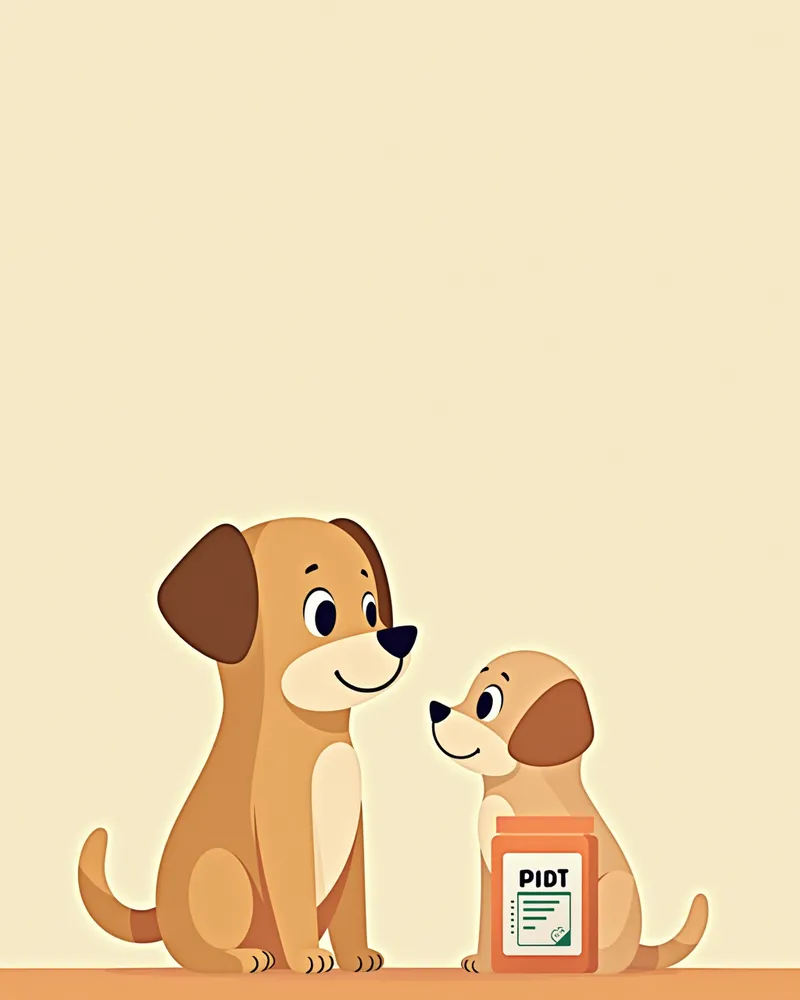
Parasite prevention is a cornerstone of health care for young puppies. Internal parasites such as roundworms and hookworms require regular deworming rather than a single treatment; veterinary guidelines recommend deworming at least four times a year, or monthly in high-risk cases. Heartworm disease, which is transmitted by mosquitoes and heavily influenced by regional climate, requires preventive medication to block infection entirely. External parasite prevention for fleas and ticks is equally important. Because households with pets face a higher risk of tick bites, consistent prevention protects the health of both animals and people. Additionally, using products inappropriate for a puppy’s age can lead to adverse effects, so always consult your veterinarian to select the right deworming and preventive products and start them at the appropriate age.
A young puppy receiving age-appropriate parasite prevention treatment

Choosing Puppy Food and Feeding Amounts — Guidelines by Growth Stage

Puppies need much more energy than adult dogs of the same weight because they are growing so rapidly. According to veterinary guidelines, growing puppies require about twice the energy per unit of body weight as adult dogs, and right after weaning, their needs can reach up to 2.5 times the maintenance requirement. Therefore, it is essential to choose food specifically labeled for puppies, and it is generally recommended to feed puppy food until around 10 months of age. Newborn puppies require their mother’s milk, and weaning typically begins at 3 to 4 weeks of age. During this transition, offer small amounts of food three to four times a day, following the weight-based feeding guidelines on the packaging, and always ensure fresh water is available.

Health Care Points During the Socialization Period (3–14 Weeks)

The period from 3 to 14 weeks of age is the "critical socialization window" when a puppy's lifelong behavioral patterns are formed. It is important to safely expose your puppy to a variety of people, sounds, and environments during this time. However, taking your puppy to parks or pet store floors before vaccinations are complete significantly increases the risk of infection. Until vaccinations are finished, please carry your puppy when traveling and increase socialization experiences in clean indoor environments.
A young puppy safely socializing indoors

See a Vet Immediately If You Notice These Symptoms

Puppies can deteriorate rapidly. Seek immediate veterinary care if you notice any of the following symptoms: - Vomiting or diarrhea occurring two or more times - Refusing to eat for 12 hours or longer - Lethargy and delayed responsiveness - Pale or bluish gums - Seizures or convulsions

Reviewed by a veterinarian

Dr. Tony — Punnawat Phongkittirak

Dr. Tony — Punnawat Phongkittirak

Veterinarian

A veterinarian who majored in veterinary medicine at Khon Kaen University, Thailand, and completed the IVSA program at North Carolina State University in the United States. Drawing on clinical experience at animal hospitals, he works in the pet healthcare field and is dedicated to building a digital care environment that connects pet parents with veterinarians.

Frequently Asked Questions

Do I really need to take my newly adopted pet to the vet right away?
Yes, it's best to visit within 72 hours after adoption. This allows for early detection of hidden parasitic infections or congenital abnormalities. In particular, if the pet was adopted from a place where its background is uncertain, a fecal parasite test is essential.
Can I take my pet for walks before they’ve completed their vaccination series?
It’s safer to avoid areas like parks or pet shops where many other dogs frequent. We recommend carrying your dog or conducting socialization in clean, indoor spaces. Consult with your veterinarian to confirm when vaccinations are complete before starting outdoor activities.
Is it safe to use deworming medication purchased online for a young puppy?
We don’t recommend it. Dewormers that aren’t appropriate for your pet’s age can cause side effects. While regular deworming is necessary, it’s essential to consult with your veterinarian and use a product specifically suited to your pet’s age to ensure safety.
When is the best time to have my pet spayed or neutered?
The optimal timing for spaying or neutering can vary depending on your dog’s breed, size, sex, and overall health. Rather than relying on a one-size-fits-all guideline, it’s safest and most beneficial to consult with your veterinarian, who can take into account your dog’s stage of growth and individual circumstances to determine the best course of action.
When is the best time to enroll your dog in pet insurance?
The younger your pet is, the more affordable the premiums and the easier the underwriting process. It’s advantageous to enroll before any congenital conditions are diagnosed, as this ensures broader coverage. We recommend comparing various plans right after adoption.

Share

Related Guides

References

[1] Howell T.J. et al., Veterinary Guide to Preventing Behavior Problems in Dogs and Cats, Ch.9–10 (Shelter Dog/Cat Adoption & Introduction to Other Animals), Wiley Blackwell, 2023

[2] Ettinger S.J. & Feldman E.C., Textbook of Veterinary Internal Medicine, 8th ed., Ch.5 (Preventive Health Care for Puppies), Elsevier, 2017

[3] Hoskins J.D., Veterinary Pediatrics: Dogs and Cats from Birth to Six Months, 3rd ed., W.B. Saunders, 2001

This information is based on veterinary literature and does not replace diagnosis or treatment. Please consult a veterinarian for specific health concerns.

Metapet Co., Ltd. | CEO: Park Sung-yong | Business Reg. No. 417-88-02562 | Seoul, South Korea | Customer Center

First-Time Puppy Health Care: The Complete Owner Checklist | Meongsiljang