
Worried about heartworm prevention? Is milbemycin the right choice for your dog?
Milbemycin is a leading deworming ingredient that prevents both heartworm and intestinal parasites in dogs with a single dose. We’ll share important information about monthly administration and precautions for Collie-type breeds.
What is milbemycin? The key ingredient in heartworm prevention
Be sure to check before administration
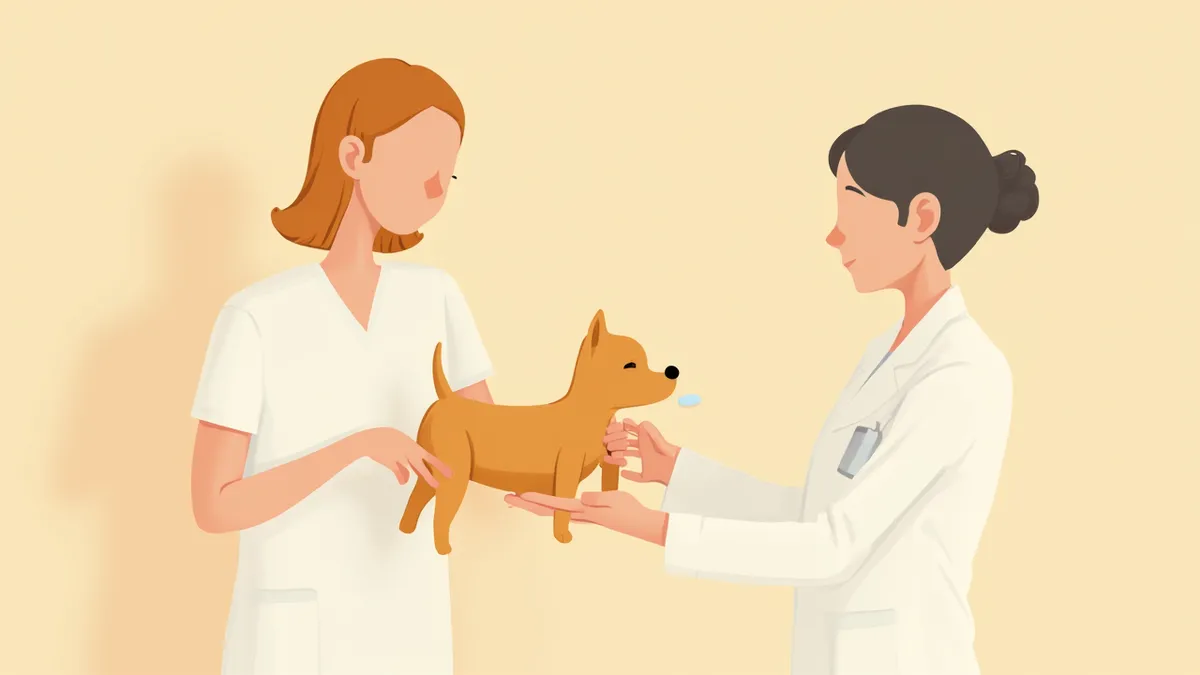
Puppies receiving milbemycin for the first time or those who have missed their preventive medication for an extended period must undergo a heartworm antigen test first. Administering the drug without knowing if the dog is already infected can lead to unexpected adverse reactions, so confirming infection status before treatment is essential for safety. Additionally, breeds with the drug-sensitivity gene (MDR1) mutation, such as Collies and Shetland Sheepdogs, have been reported to exhibit neurological symptoms like drooling, ataxia, mydriasis (pupil dilation), and lethargy when given doses higher than recommended. Therefore, always consult your veterinarian before administering the medication. While it is generally safe at the standard recommended dosage, caution is necessary depending on the breed and health status.
How does milbemycin work?
Which parasites are prevented and treated?
How does it differ from other heartworm prevention ingredients?
Comparison of major heartworm prevention ingredients
| Item | Milbemycin | Ivermectin | Selamectin | Moxidectin |
|---|---|---|---|---|
| Heartworm prevention | True | True | True | True |
| Intestinal parasites | Roundworms, hookworms, whipworms | Roundworms, hookworms | Roundworms, hookworms | Roundworms, hookworms |
| External parasites | No effect | Some mites and lice / no effect on fleas | Some fleas and ticks | No effect |
| Administration form | Oral (tablet, chewable) | Oral (chewable) | Spot-on (topical skin application) | Oral, injection |
| Caution in Collie-type breeds | Safe at recommended dose | Caution at high doses | Safe at recommended dose | Safe at recommended dose |
Sources: veterinary pharmacology textbooks (E1, E4, E6) and clinical drug handbooks (E5, E17)
Proper administration method and schedule

Pay special attention to Collie-type breeds
Collies, Shetland Sheepdogs, Australian Shepherds, and Long-haired Whippets often carry a mutation in the multidrug resistance (MDR1) gene. While the recommended dose of milbemycin is generally safe for most dogs, accidental overdose can cause neurological symptoms such as drooling, ataxia, mydriasis (pupil dilation), and lethargy. If you have one of these breeds, consider getting a genetic test before starting medication for peace of mind. If your dog shows any unusual behavior after taking the medication, contact your veterinarian immediately.
Check for common side effects after administration
Reviewed by a veterinarian

Dr. Tony — Punnawat Phongkittirak
VeterinarianA veterinarian who majored in veterinary medicine at Khon Kaen University, Thailand, and completed the IVSA program at North Carolina State University in the United States. Drawing on clinical experience at animal hospitals, he works in the pet healthcare field and is dedicated to building a digital care environment that connects pet parents with veterinarians.
Reviewed 2026-04-26
Frequently Asked Questions
I missed a month of milbemycin. What should I do?
My dog vomited right after taking the medication. Should I give it again?
Is it safe for pregnant dogs as well?
How can I also prevent external parasites?
If my dog is already infected with heartworms, can milbemycin be used for treatment?
Share
Related Guides
Coenzyme Q10 Benefits and Administration Guide
Dog Pulmonary Edema Warning — 7 Best Diuretics (Furosemide) for Heart Management
7 Best Prescription Diets for Feline Heart Disease Recommended by Veterinarians — Criteria for Choosing Low-Sodium Food
Types of Dewormers for Dogs and Dosing Schedules
Types of Heartworm Preventatives for Dogs and Administration Guide
Preventing Canine Urinary Tract Infections: A Guide to Water Intake and Bathroom Environment

Pet Tartar Prevention Methods and Brushing Habits
Flea and Tick Prevention Guide — Seasonal Care and How to Choose Preventive Medications
Senior Dog Health Care Guide (Age 7 and Older)
Complete Guide to Cat Vaccination Schedules and Types
References
[1] Handbook of Veterinary Pharmacology, Chapter on Drugs for Heartworm Prevention and Therapy
[2] American Heartworm Society, Current Canine Guidelines for the Prevention, Diagnosis, and Management of Heartworm (Dirofilaria immitis) Infection in Dogs, 2020
[3] The Dog Care Handbook, Things I Wish My Vet Had Told Me, Chapter 5
[4] Textbook of Respiratory Disease in Dogs and Cats, Chapter 70