Like
Share
멍실장
강아지 디스템퍼(홍역) 증상과 예방법 완벽 가이드

Complete Guide to Canine Distemper Symptoms and Prevention

ImmunityPreventionMeongsiljang Veterinary Advisory Board

Canine distemper is a highly fatal viral infection. Our veterinary advisory team provides detailed guidance on symptoms, vaccination schedules, and what to do if your dog becomes infected.

What is Canine Distemper?
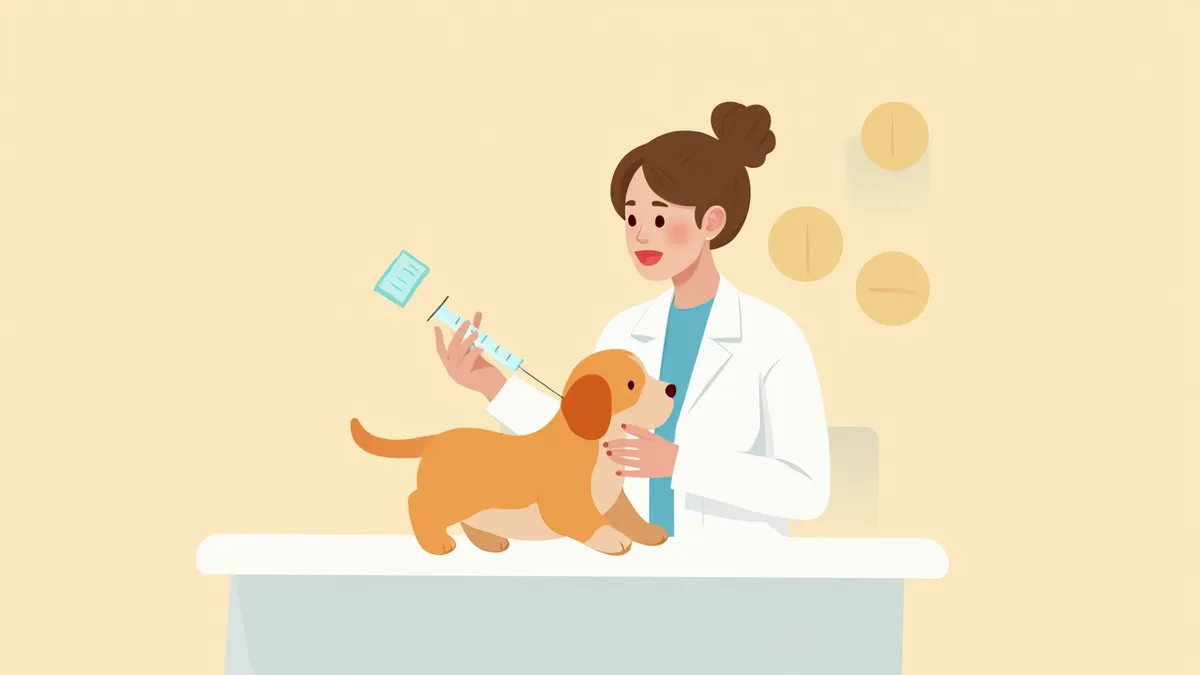
A veterinarian administering a distemper vaccine to a puppy
Canine distemper is a highly contagious viral infection caused by a paramyxovirus. The most important thing to remember is that vaccination is the most effective way to prevent it. If an appropriate immune response does not develop after infection, the disease can be fatal. Even if your dog recovers, lifelong complications such as neurological damage or ocular abnormalities may persist. Therefore, it is essential not to miss the initial DHPPL vaccination series, which should begin at 6 to 8 weeks of age.

What to Check Before Vaccination

Before vaccinating your puppy, it’s essential to check their health status. If your puppy is experiencing diarrhea, vomiting, or fever, or if there’s suspicion of a parasitic infection, or if they’ve recently undergone significant stress, vaccination should be postponed. After a veterinary examination to confirm their condition, vaccination can proceed to ensure proper immune response and minimize side effects.

How is Distemper Transmitted?

Distemper virus spreads through secretions from infected puppies, such as respiratory secretions, tears, urine, and feces. Direct contact with infected animals is the most significant mode of transmission, and droplet spread from coughing and sneezing is also a common route. The virus is relatively quickly inactivated in the environment and is susceptible to disinfectants, ultraviolet light, drying, and high temperatures (above 50–60°C), so the risk of indirect transmission via contaminated objects (fomites) is low. Puppies with weak immune systems, senior dogs, and puppies that have not completed their initial vaccinations are at higher risk of infection. Although it is not known to be transmissible to humans, it can spread rapidly to other dogs in the same environment, making isolation and hygiene management crucial.
Puppies playing and running together

Canine Distemper Key Symptoms Checklist

Early symptoms can resemble a common cold, making them easy to overlook. If you notice any of the following signs, please visit the clinic immediately.
High fever: Persistent fever or fluctuating temperature
Nasal discharge and eye crust: Clear discharge gradually turning into yellow or green pus
Coughing and sneezing: Respiratory symptoms progressively worsening
Vomiting and diarrhea: Gastrointestinal symptoms may accompany the condition, potentially leading to severe dehydration and weight loss
Hard pad disease: A characteristic symptom where the paw pads and nose become hardened
Neurological symptoms: Seizures, convulsions, muscle spasms, and vision loss — these may appear alongside systemic symptoms or develop weeks later
A puppy appearing weak, which can be an early sign of distemper.

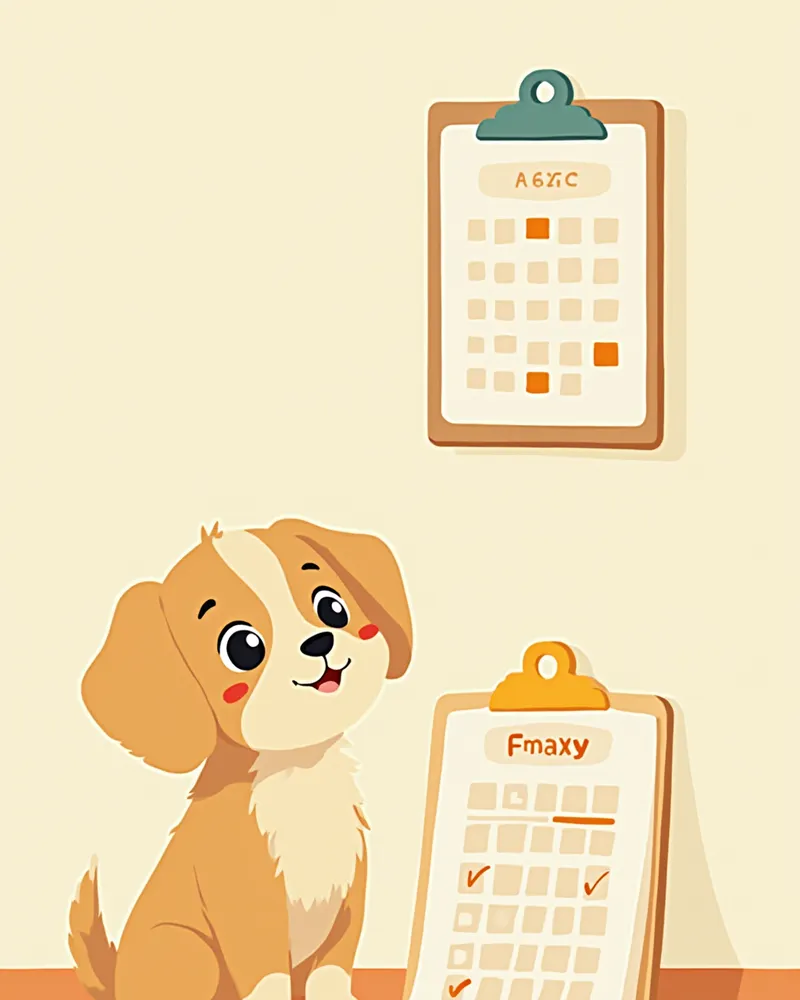
DHPPL Core Vaccine Schedule

Distemper is prevented with the DHPPL combination vaccine. The letters stand for Distemper (D), Infectious Hepatitis caused by adenovirus (H), Parvovirus (P), Parainfluenza (P), and Leptospira (L). The initial vaccination series begins at 6–8 weeks of age, with subsequent doses administered every 2–3 weeks for a total of five shots. Booster schedules vary depending on the vaccine components; for core vaccines against distemper and other key viruses (DAP), manufacturers recommend boosters every three years. However, some components, such as leptospira, may require annual boosters. Therefore, it is important to consult your veterinarian to determine the appropriate booster schedule tailored to your pet’s needs.
Puppy Vaccination Schedule

DHPPL Vaccination Schedule by Dose

Item1st3rd5th
Vaccination timing6–8 weeks of age12–14 weeks of age18–20 weeks of age
Vaccine administeredDHPPLDHPPLDHPPL + Rabies
Main purposeEstablish basic immunityBoost immunityEstablish complete immunity
Antibody titer testNot neededOptionalRecommended

The 2nd and 4th are given as DHPPL + Corona or Kennel cough concurrently. Protocols differ by hospital.

Proper Care After Vaccination

For 1–2 days after vaccination, your dog may experience mild lethargy. The key points are: no bathing on the day of vaccination, no vigorous walks, and minimizing stress. It is safest to wait at the clinic for one hour immediately after vaccination to monitor for acute allergic reactions (anaphylaxis). If you notice facial swelling, vomiting, or difficulty breathing, seek veterinary care immediately. Full immunity develops only two weeks after the final (fifth) vaccination, so it is best to avoid contact with other dogs until then.
A puppy resting at home after vaccination

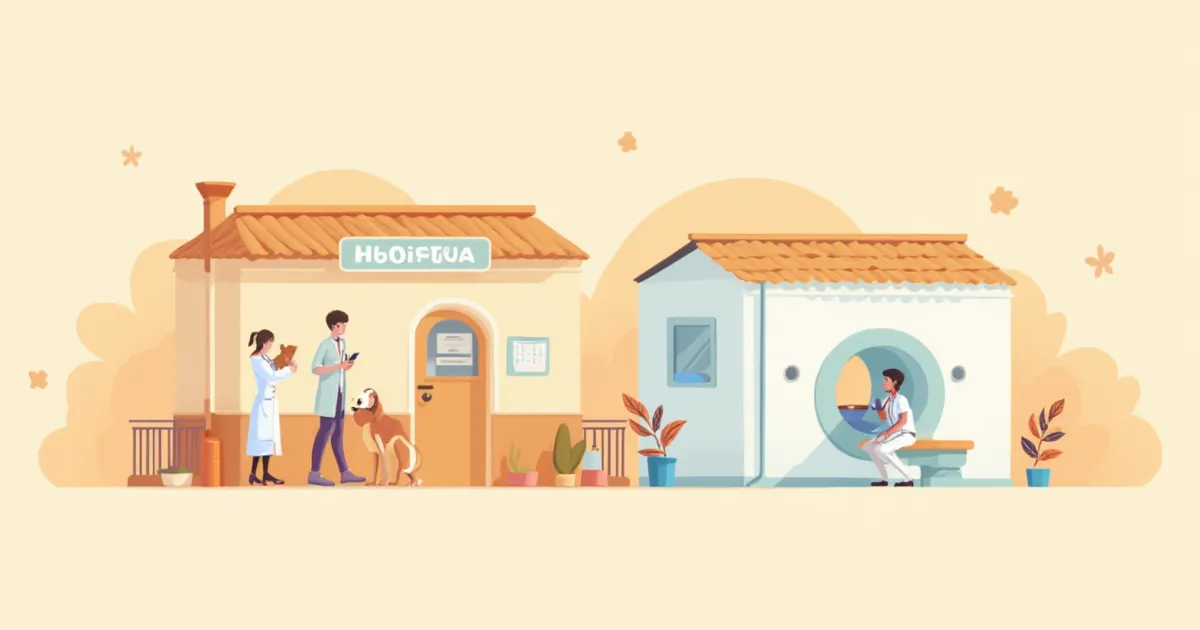
Visit the Clinic Immediately if Infection is Suspected

There is no specific antiviral treatment to directly eliminate the distemper virus, so care focuses on symptomatic relief. Survival rates improve significantly when the disease is detected early and treatment begins promptly with fluid and electrolyte therapy, nutritional support, and management of secondary bacterial infections. If you notice any symptoms such as high fever, purulent nasal discharge, or seizures, seek veterinary care within 24 hours. Diagnosis is challenging to confirm with a single test, so veterinarians typically run multiple tests—including blood, urine, conjunctival swabs, and cerebrospinal fluid—to detect viral antigens and antibodies. Hospitalization for isolation, along with meticulous supportive care, is essential.

Precautions for Specific Breeds and Conditions

While all dog breeds are susceptible, the disease can be particularly fatal in puppies under three months of age, senior dogs, and dogs with chronic conditions. It is also important to note that CDV infection itself causes significant immunosuppression, which can lead to secondary infections by opportunistic pathogens such as Nocardia and Salmonella. For dogs adopted from shelters or pet shops, always verify their vaccination records; if the history is uncertain, consider testing for antibody levels before administering booster vaccinations.

Precautions for Specific Breeds and Conditions

While all dog breeds can be infected, puppies under three months of age, senior dogs, and dogs with chronic conditions are at higher risk of severe outcomes due to their weaker immune systems. It is also important to note that CDV infection itself causes significant immunosuppression, which can lead to secondary infections from opportunistic pathogens such as Nocardia and Salmonella. For dogs adopted from shelters or pet shops, always verify their vaccination records; if the history is unclear, consider testing for antibodies and administering booster vaccinations as needed.

Reviewed by a veterinarian

Dr. Tony — Punnawat Phongkittirak

Dr. Tony — Punnawat Phongkittirak

Veterinarian

A veterinarian who majored in veterinary medicine at Khon Kaen University, Thailand, and completed the IVSA program at North Carolina State University in the United States. Drawing on clinical experience at animal hospitals, he works in the pet healthcare field and is dedicated to building a digital care environment that connects pet parents with veterinarians.

Frequently Asked Questions

Can my dog still get distemper even after being vaccinated?
It’s rare, but possible. If the initial vaccination series wasn’t completed, if antibody levels are insufficient, or if the immune system is severely compromised, infection can occur. The recommended interval for booster shots varies depending on the vaccine components—for example, DAP vaccines (which include distemper) are typically recommended every three years. It’s a good idea to periodically check your pet’s immune status through antibody testing.
Once a puppy recovers from distemper, won’t it get the disease again?
Once infected and recovered, your pet may develop a certain level of immunity. However, sequelae such as neurological symptoms and hardened paw pads can persist for life even after recovery. Rather than relying on natural infection, it is far more important to safely establish immunity through vaccination.
I adopted an adult stray dog, but there’s no vaccination record. What should I do?
First, have your pet tested for antibody levels at a veterinary clinic. If the antibody levels are sufficient, follow your veterinarian’s recommended schedule for booster vaccinations. If they are insufficient, administer two additional vaccinations spaced two to three weeks apart.
When can my puppy start walking with other dogs?
It’s safest to wait at least two weeks after the fifth vaccination, once full immunity has developed, before letting your dog interact with other dogs. Until then, we recommend only short walks around your home.
What are the possible side effects of the distemper vaccine?
Most pets recover within one or two days, experiencing only mild discomfort at the injection site, a low-grade fever, vomiting, or decreased appetite. However, if rare allergic reactions such as facial swelling or difficulty breathing occur, seek veterinary care immediately.

Share

Related Guides

References

[1] Greene CE, Infectious Diseases of the Dog and Cat, 4th Edition, Chapter 3 Canine Distemper, 2012

[2] WSAVA Vaccination Guidelines Group, Guidelines for the Vaccination of Dogs and Cats, 2016

[3] Day MJ et al., Recommendations on vaccination for Asian small animal practitioners, JSAP, 2015

This information is based on veterinary literature and does not replace diagnosis or treatment. Please consult a veterinarian for specific health concerns.

Metapet Co., Ltd. | CEO: Park Sung-yong | Business Reg. No. 417-88-02562 | Seoul, South Korea | Customer Center

Canine Distemper: Symptoms, Vaccination & Prevention Guide | Meongsiljang