Like
Share
멍실장
아기 고양이 예방접종 일정 — 4종·5종 종합백신 비교

Kitten Vaccinations — 4-Way vs. 5-Way Combination Vaccines: Which One Should You Choose?

Lifestyle & Age CarePreventionMeongsiljang Veterinary Advisory Board

Kitten vaccinations are an essential medical procedure, typically administered as a series of three to four doses starting at six weeks of age and continuing until at least 16 weeks. Here’s a breakdown of the differences between the 4-way (FVRCP) and 5-way (FVRCP + FeLV) vaccines, the recommended schedule by age, and important precautions to follow before and after vaccination.

What Are Kitten Vaccinations?
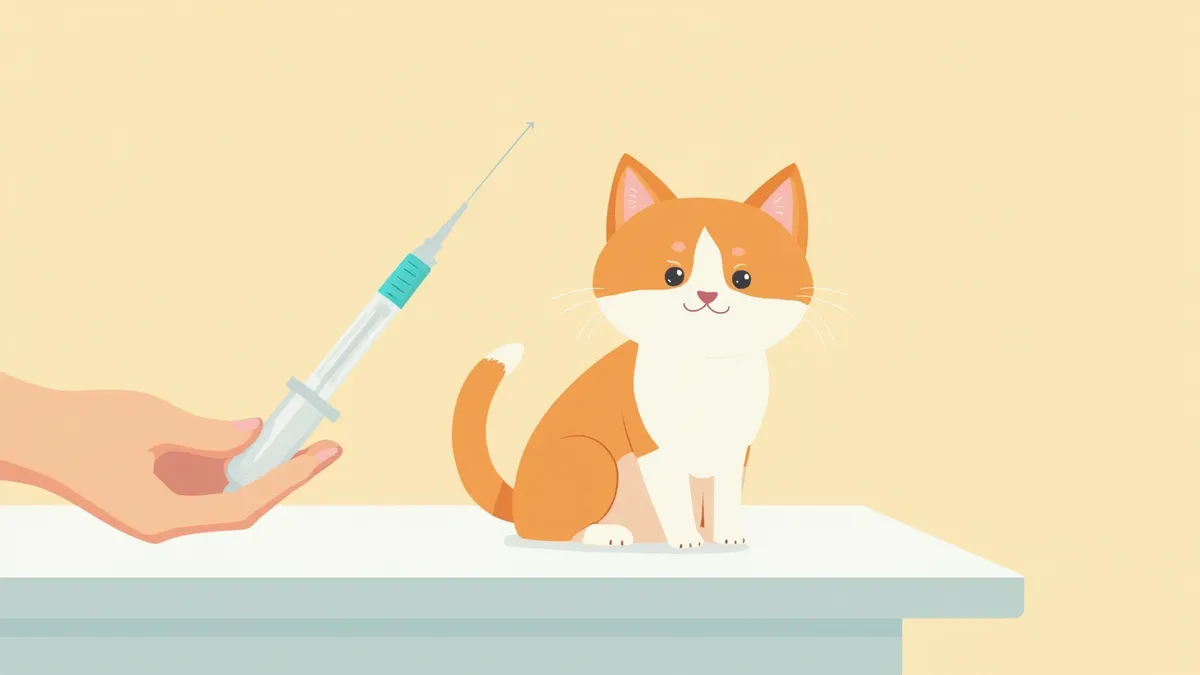
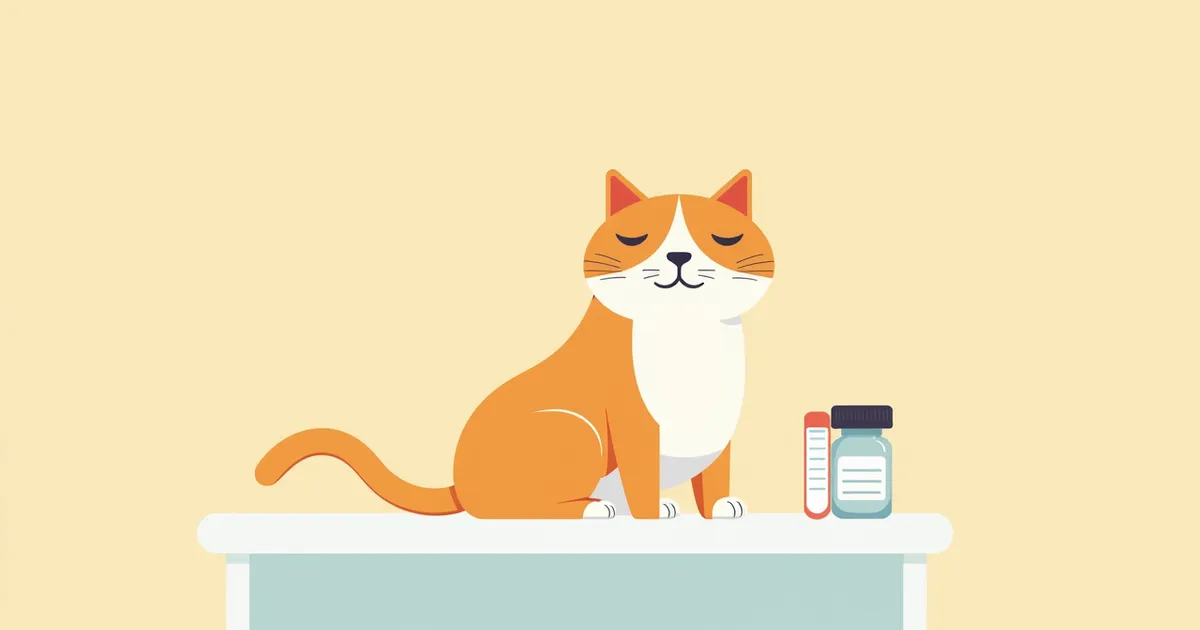
A baby kitten sitting on the examination table while the veterinarian prepares the vaccine.
Kitten vaccinations are an essential medical procedure designed to help kittens develop their own immunity against core infectious diseases during the period when maternal antibodies (passively transferred from the mother) wane, typically between 6 and 16 weeks of age. The most critical factors are timing and frequency. Vaccination is not a one-time event; it usually begins at 6–8 weeks of age and must be repeated every 3–4 weeks until the kitten is 16–20 weeks old to ensure adequate antibody formation. If the final dose is administered before 16 weeks of age, residual maternal antibodies may interfere with vaccine efficacy. Therefore, the most important point is to complete the final core vaccination between 16 and 20 weeks of age.

4 Things to Check Before Vaccination

Vaccinations should only be administered when your pet is in good health to ensure both effectiveness and safety. Check that their body temperature is normal (38.0–39.2°C), that they show no signs of diarrhea, vomiting, nasal discharge, or sneezing, that they have had at least 5–7 days to adjust to their new environment after adoption, and that deworming (both internal and external) has been completed. Vaccinating a pet in poor condition can weaken the immune response and increase the risk of adverse reactions. If you notice any concerning symptoms, it’s best to postpone vaccination and have your pet examined first.

What Is the 4-Way Combination Vaccine (FVRCP)?

The vaccine commonly referred to as FVRCP is a core vaccine for cats. It is recommended for all cats by guideline groups including the American Association of Feline Practitioners (AAFP) and the World Small Animal Veterinary Association (WSAVA). However, the name FVRCP stands for the three core diseases listed below. - Feline Herpesvirus (FHV-1): The primary cause of upper respiratory symptoms such as conjunctivitis, sneezing, and nasal discharge. - Feline Calicivirus (FCV): A respiratory virus that causes stomatitis, tongue ulcers, and fever. - Feline Panleukopenia (FPV): A parvovirus that causes fatal diarrhea, vomiting, and bone marrow suppression, posing a particular risk to young, unvaccinated cats. The "four-component" vaccine commonly discussed in Korea is a product that adds the Chlamydia (Chlamydia felis) vaccine to FVRCP. While Chlamydia causes conjunctivitis and chronic ocular infections, it is classified as a non-core vaccine, meaning it is optional based on lifestyle and risk factors. In other words, the true essentials for all kittens are Herpesvirus, Calicivirus, and Panleukopenia; whether to include Chlamydia should be decided in consultation with your veterinarian based on your cat's specific risk factors.
Close-up of a healthy baby cat's face

What Is the 5-Way Combination Vaccine (FVRCP + FeLV)?

The five-component combination vaccine includes protection against feline leukemia virus (FeLV) in addition to the four core components. It may be administered as a separate injection, or some products combine all five antigens into a single shot. The American Association of Feline Practitioners (AAFP) recommends FeLV vaccination for all cats under one year of age, because kittens are most susceptible during early life, and infection can lead to lifelong viral carriage, potentially resulting in lymphoma and immunosuppression. The five-component vaccine is strongly recommended for outdoor cats, multi-cat households, and cats with a history of stray life. Even for strictly indoor, single-cat homes, vaccination during the first year is considered the safest approach.

4-Way vs. 5-Way Combination Vaccines at a Glance

Item4-in-1 (FVRCP + Chlamydia)5-in-1 (4-in-1 + FeLV)
Included virusesHerpes, calici, panleukopenia (FVRCP) + Chlamydia4-in-1 + leukemia (FeLV)
ClassificationFVRCP is core (essential), Chlamydia is non-coreCore (FVRCP) + non-core (Chlamydia, FeLV)
Recommended forAll kittens (based on FVRCP)All cats under 1 year, outdoor cats, multi-cat households
Initial series countFVRCP 3–4 times (up to 16–20 weeks of age)FVRCP 3–4 times + FeLV series
FeLV test requiredFalseTrue
Cost differenceBase+Additional cost for the FeLV portion

Before FeLV vaccination, always confirm a negative result with an FeLV/FIV antigen test before vaccinating.

Standard Vaccination Schedule by Age

This schedule follows standard guidelines from organizations such as the AAFP and WSAVA. Depending on the adoption timing and your pet’s condition, the schedule may be adjusted by 1–2 weeks. - 6–8 weeks: First FVRCP dose (earliest start is after 6 weeks of age) - 9–12 weeks: Second FVRCP dose + first FeLV dose (if elected) - 12–16 weeks: Third FVRCP dose + second FeLV dose - 16–20 weeks: Final FVRCP dose to complete the core series, plus rabies vaccination (legally required) - One year later: First booster, followed by additional boosters every 1–3 years depending on risk factors The most critical point is that the final core vaccination (FVRCP) must be administered between 16 and 20 weeks of age. If completed earlier, residual maternal antibodies may interfere with the vaccine, preventing adequate immunity. While rabies vaccines can be given as early as 8 weeks of age depending on the product, they are typically administered in coordination with the other core vaccines.
A clinic calendar showing vaccination schedules and vaccine vials

Rabies and Other Additional Vaccines

In Korea, rabies is classified as a statutory infectious disease, making vaccination mandatory for cats that go outdoors. Depending on the product, the rabies vaccine can be administered as early as 8 weeks of age, with a booster typically given one year after the initial dose. Subsequent vaccinations are scheduled annually or every one to three years, depending on local regulations and product licensing. While vaccines for infectious peritonitis (FIP) are available for cats aged 16 weeks and older, administered in two doses three to four weeks apart, they are considered non-core vaccines and are not part of the essential vaccination schedule. Other vaccines, such as those for fungal skin infections (ringworm), are not universally recommended for all cats. The need for additional vaccines should be determined through individual consultation with your veterinarian, based on your cat’s lifestyle—such as outdoor access, camping trips, or rescue background—and associated risk factors.

Post-Vaccination Side Effects — Seek Immediate Veterinary Care for These Signs

Most kittens recover within 24 to 48 hours after vaccination, experiencing only mild side effects such as a slight fever, decreased appetite, or pain at the injection site. However, if you notice any of the following signs, seek veterinary care immediately: - Swelling of the face or lips, vomiting, or difficulty breathing within one hour of vaccination (possible anaphylaxis) - High fever (above 39.5°C) lasting more than 24 hours - A firm lump at the injection site that does not disappear after three weeks (possible injection-site sarcoma) - Severe lethargy, pale gums, or pinpoint bleeding Be sure to inform your veterinarian about any mild side effects before the next vaccination.

Reviewed by a veterinarian

Dr. Tony — Punnawat Phongkittirak

Dr. Tony — Punnawat Phongkittirak

Veterinarian

A veterinarian who majored in veterinary medicine at Khon Kaen University, Thailand, and completed the IVSA program at North Carolina State University in the United States. Drawing on clinical experience at animal hospitals, he works in the pet healthcare field and is dedicated to building a digital care environment that connects pet parents with veterinarians.

Frequently Asked Questions

My cat is strictly indoors. Does he still need the 5-in-1 vaccine?
We recommend the five-component vaccine (including FeLV) for the first year of life. Guideline groups strongly advise FeLV vaccination in kittens because their future living environments are difficult to predict, and they are most susceptible at a young age. After the first year, if your cat lives in a low-risk environment—such as strictly indoors with no other cats—you can reassess the risk and maintain only the core vaccines.
I missed the vaccination schedule. Do I need to start over from the beginning?
You don’t necessarily need to restart the entire vaccination series from scratch if your pet falls behind on the basic schedule. However, the final core vaccine dose (FVRCP) should be administered between 16 and 20 weeks of age to ensure proper immunity develops without interference from maternal antibodies. If there has been a significant gap in the schedule, it’s safest to consult with your veterinarian or perform an antibody titer test to determine whether to continue with the remaining doses or restart the series.
Is testing really necessary before the FeLV vaccine?
Yes, it is absolutely necessary. Administering the FeLV vaccine to a cat already infected with the virus provides no protective benefit and only increases the risk of owners mistakenly believing their pet is negative. Standard protocol requires confirming a negative status via an FeLV/FIV antigen test prior to vaccination.
When is the best time to get a rabies vaccine?
Rabies vaccines can be administered as early as 8 weeks of age, depending on the product, with a booster typically given one year after the initial dose. Subsequent vaccinations are then given annually or every 1 to 3 years, depending on local regulations and product licensing. If you plan to travel with your pet, it’s best to complete the vaccination series well in advance to ensure immunity has fully developed before going out.
How much do vaccinations cost?
Costs vary widely by clinic and region, but generally, a single dose of the 4-way vaccine costs between $10 to $30, while the 5-way vaccine (including FeLV) ranges from $20 to $40 per dose. The average total cost for the initial vaccination series is around $100 to $200. For an accurate estimate, please check directly with your local veterinary clinic.

Share

Related Guides

References

[1] Scherk MA, Ford RB, Gaskell RM, et al. 2013 AAFP Feline Vaccination Advisory Panel Report. Journal of Feline Medicine and Surgery, 2013;15(9):785-808.

[2] Day MJ, Horzinek MC, Schultz RD, Squires RA. WSAVA Guidelines for the Vaccination of Dogs and Cats. Journal of Small Animal Practice, 2016;57(1):E1-E45.

[3] Little SE. The Cat: Clinical Medicine and Management, 2nd Edition. Elsevier, 2020. Chapter 8: Feline Vaccination.

[4] Schaer M, Gaschen F. Clinical Medicine of the Dog and Cat, 4th Edition. CRC Press, 2023. Chapter 21: Feline Infectious Diseases.

This information is based on veterinary literature and does not replace diagnosis or treatment. Please consult a veterinarian for specific health concerns.

Metapet Co., Ltd. | CEO: Park Sung-yong | Business Reg. No. 417-88-02562 | Seoul, South Korea | Customer Center

Kitten Vaccinations: 4-Way vs. 5-Way Vaccine—Which One? | Meongsiljang