
Cat Dental Scaling — A Guide to General Anesthesia Safety and Timing
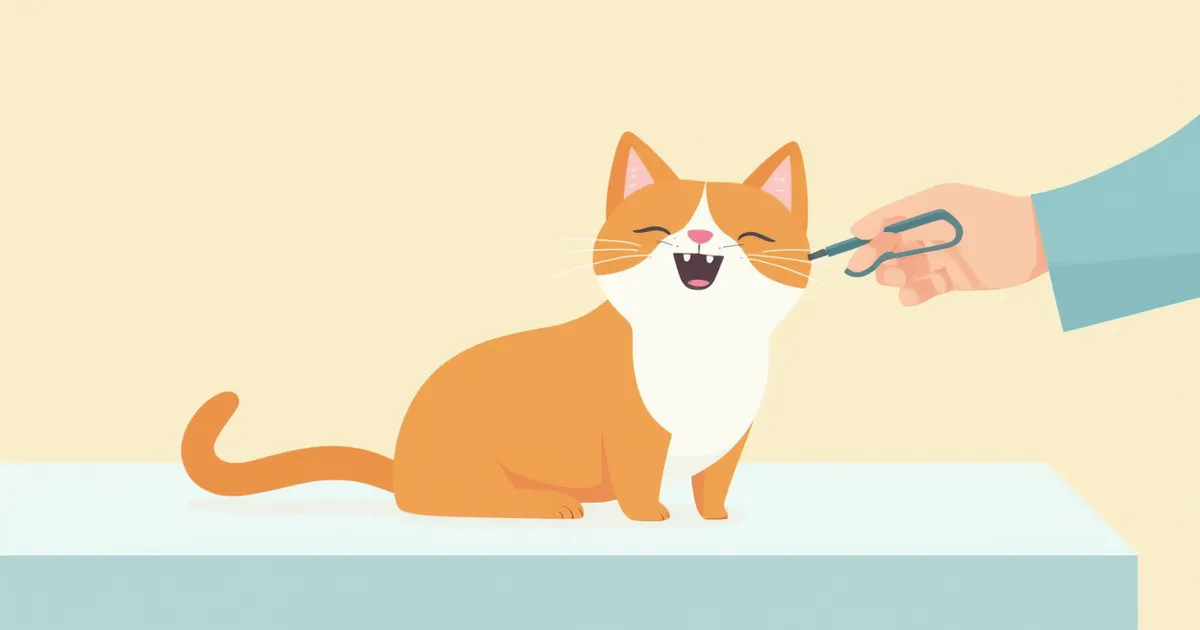
Feline dental scaling is a procedure that requires general anesthesia. We’ve compiled the essential information every pet owner should know, from pre-anesthesia exams and criteria for determining the right timing to post-procedure recovery care.
What is Cat Dental Scaling?
What to Check Before Dental Scaling
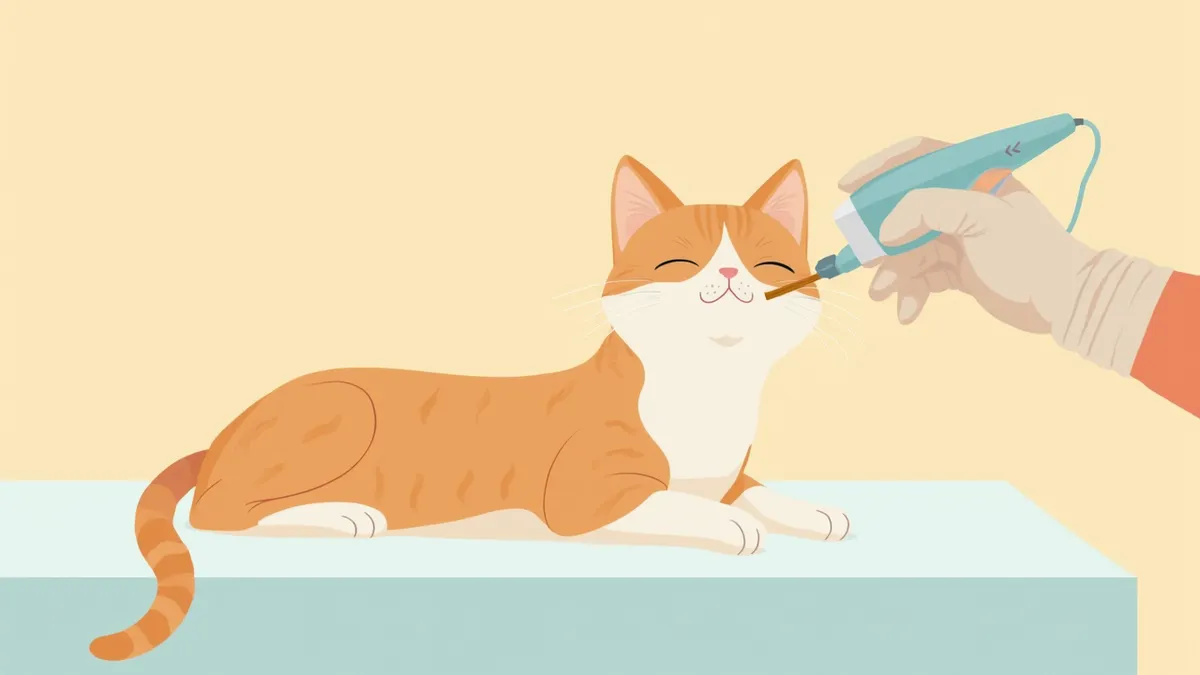
Cats are more sensitive to anesthesia risks than dogs. Hypertrophic cardiomyopathy (HCM) often remains asymptomatic and latent, and even in the early stages of chronic kidney disease, anesthetic metabolism can be impaired. Before scheduling a dental scaling, it is essential to perform at least a blood test (CBC, biochemistry, SDMA), a chest X-ray, and a cardiac auscultation. For cats aged 7 years or older, an echocardiogram is also recommended. For safety, avoid clinics that proceed without these examinations.
When Should Dental Scaling Be Performed?
Pre-Anesthetic Safety Tests
Anesthesia Risk by Age and Health Status
| Item | Young and healthy (1–6 years) | Middle-aged (7–10 years) | Senior (11 years and older) |
|---|---|---|---|
| Baseline anesthesia risk | Low | Moderate | High |
| Required pre-anesthetic tests | Blood test, auscultation | Blood test, X-ray, echocardiography | Full workup + T4, urinalysis |
| Pre-anesthesia fasting time | 6–8 hours | 6–8 hours | 4–6 hours (watch for hypoglycemia) |
| Recovery monitoring | Same-day discharge possible | Same day or 1 night | 1-night hospitalization recommended |
| Reassessment interval | 1–2 years | 6–12 months | 6 months recommended |
May be adjusted at the veterinarian's discretion depending on health status
Dental Scaling Procedure

Post-Scaling Home Care
Breeds and Conditions Requiring Extra Caution
Maine Coons, Ragdolls, Persians, and Scottish Folds are breeds prone to hypertrophic cardiomyopathy (HCM), and because asymptomatic heart abnormalities are common in these cats, it is safer to avoid anesthesia unless an echocardiogram has been performed. For cats diagnosed with chronic kidney disease, diabetes, or hyperthyroidism, stabilizing their internal medicine conditions before anesthesia is the top priority. Brachycephalic breeds (Persians and Exotics) are at higher risk of respiratory distress during recovery from anesthesia due to their airway structure, so it is advisable to choose a clinic equipped with oxygen cages.
Reviewed by a veterinarian

Dr. Tony — Punnawat Phongkittirak
VeterinarianA veterinarian who majored in veterinary medicine at Khon Kaen University, Thailand, and completed the IVSA program at North Carolina State University in the United States. Drawing on clinical experience at animal hospitals, he works in the pet healthcare field and is dedicated to building a digital care environment that connects pet parents with veterinarians.
Reviewed 2026-05-06
Frequently Asked Questions
Is it really not possible to do scaling without anesthesia?
How often should cats have their teeth scaled?
What is the likelihood of an anesthesia-related accident?
How much does a dental scaling cost?
How many days after scaling can my pet return to eating normally?
Share
Related Guides

Top Recommendations and Selection Criteria for Cat FIV and FeLV Testing
Top Microchip Implantation Management Recommendations for Dogs and Key Selection Criteria

Complete Guide to Choosing, Comparing, and Managing the Best Heartworm Preventives for Dogs

Comprehensive Care Guide for Puppies Aged 6–12 Months

The Ultimate Guide to Comprehensive Care for Puppies Aged 3–6 Months

Comprehensive Care Guide for Puppies 0–3 Months

Veterinary Clinic vs. 24-Hour Emergency Hospital — Where to Go in an Emergency

Annual Cat Care Calendar: Complete Monthly Checklist for Vaccinations, Check-ups, and Deworming

Puppy Monthly Care Checklist — Step-by-Step Guide from 2 to 12 Months

When and How to Administer Deworming Medication for Dogs and Cats — A Complete Guide to Internal Parasite Prevention Schedules
References
[1] Niemiec BA, Small Animal Dental, Oral and Maxillofacial Disease, 2nd Edition
[2] Bellows J, Feline Dentistry – Oral Assessment, Treatment, and Preventative Care, 1st Edition, Wiley-Blackwell
[3] The Cat, Clinical Medicine and Management, 2nd Edition
[4] Clinical Medicine of the Dog and Cat, 4th Edition