

Do Indoor Cats Need Vaccines? — What Are the Essential Recommended Vaccinations?
Even indoor cats can be exposed to viruses through their owners’ clothing and shoes, making core vaccines (FVRCP) and rabies vaccination essential. Here’s a clear overview of age-specific vaccination schedules, optional vaccines, and post-vaccination care.
Indoor Cats Also Need Vaccinations
What to Check Before Vaccination
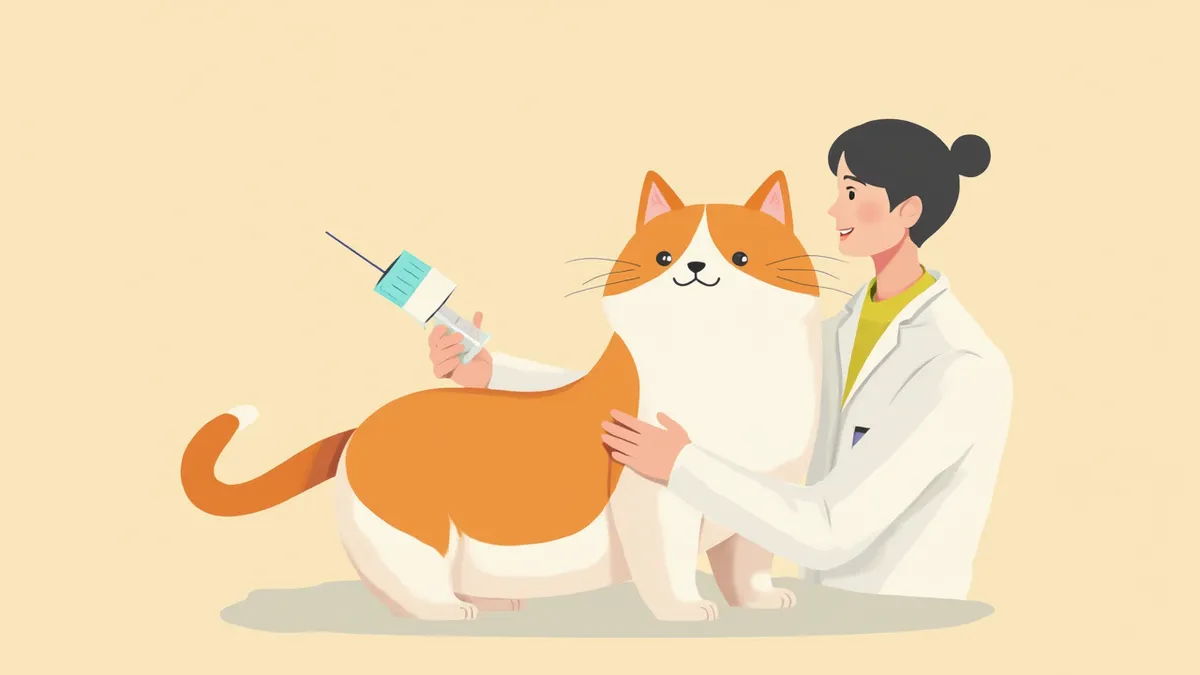
If your cat is experiencing a drop in condition, such as fever, loss of appetite, or diarrhea, vaccination should be postponed. Vaccines work by stimulating an immune response, so administering them while your cat is unwell can reduce their effectiveness and increase the risk of side effects. For kittens, vaccination is typically started at 8 weeks of age because maternal antibodies received from the mother can neutralize the vaccine if given before 6 weeks. To ensure stable immunity in case maternal antibodies persist, booster shots should continue until 16–20 weeks of age. Cats that are pregnant, nursing, or taking immunosuppressive medications should be evaluated by a veterinarian beforehand, who may recommend inactivated vaccines instead of live vaccines.
Core Vaccines Recommended for All Cats
Optional Vaccines Based on Environment

Age-Specific Recommended Vaccination Schedule
Core Vaccines vs. Optional Vaccines Comparison
| Item | FVRCP (core) | Rabies (core) | FeLV (optional) | FIV (optional) |
|---|---|---|---|---|
| Recommended for | All cats | All cats | Before 1 year/multi-cat/outdoor | Only when there is outdoor risk |
| Primary vaccination count | 3 times at 8/12/16 weeks | Once at 16 weeks | 2 times at 3–4 week intervals | 3 times at 2–3 week intervals |
| Booster interval | 3 years | 1–3 years | 1–3 years by risk level | 1 year |
| Vaccine type | Live/killed vaccine | Killed/recombinant | Killed/recombinant | Killed |
| Main diseases prevented | Panleukopenia, herpes, calici | Rabies | Leukemia virus | Immunodeficiency virus |
Based on the 2020 AAHA/AAFP/WSAVA guidelines. Adjust the actual vaccination schedule in consultation with your veterinarian according to the cat's health status and environment.
Post-Vaccination Adverse Reactions and Proper Care

Precautions for Special Circumstances
Pregnant cats, cats on immunosuppressive medications, and cats with severe chronic diseases should receive inactivated vaccines instead of live vaccines, or have their vaccinations postponed. For senior cats with kidney disease, hyperthyroidism, or diabetes, consult your veterinarian to carefully weigh the risks and benefits before proceeding. If your cat has a history of vaccine allergies, your vet may prescribe antihistamines or steroids to administer alongside the vaccine as a precaution. Additionally, for cats that have had previous adverse reactions to vaccines or are receiving their first vaccination, it is safest to remain at the clinic for 30 to 60 minutes after the injection to monitor for rare but serious acute reactions, such as anaphylaxis.
Reviewed by a veterinarian

Dr. Tony — Punnawat Phongkittirak
VeterinarianA veterinarian who majored in veterinary medicine at Khon Kaen University, Thailand, and completed the IVSA program at North Carolina State University in the United States. Drawing on clinical experience at animal hospitals, he works in the pet healthcare field and is dedicated to building a digital care environment that connects pet parents with veterinarians.
Reviewed 2026-05-06
Frequently Asked Questions
Do strictly indoor cats really need to receive the rabies vaccine?
Do I need to give my pet booster shots for core vaccines after the initial series, or are they protected for life?
How many days should I monitor my pet’s condition after vaccination?
Is the FeLV vaccine necessary for all indoor cats?
How much does vaccination usually cost?
Share
Related Guides

Top Recommendations and Selection Criteria for Cat FIV and FeLV Testing
Top Microchip Implantation Management Recommendations for Dogs and Key Selection Criteria

Complete Guide to Choosing, Comparing, and Managing the Best Heartworm Preventives for Dogs

Heartworm Testing Methods and Treatment Process for Positive Results

Kitten Care Checklist by Age: The Complete 0–12 Month Guide

Seasonal Heartworm Prevention Guide (Monthly Dosing)

Canine Diabetes Prevention — Obesity Management and Lifelong Care for High-Risk Breeds

Cat Health Care at 1–3 Years: Complete Guide to Diet, Weight, and Vaccination Schedules

Comprehensive Care for Adult Dogs Aged 3–7

Weekly Grooming Guide to Prevent Tangles and Shedding — Essential Coat Care Routine for Dogs and Cats
References
[1] Scherk MA, Ford RB, Gaskell RM, Hartmann K, Hurley KF, Lappin MR, et al. 2013 AAFP Feline Vaccination Advisory Panel Report. Journal of Feline Medicine and Surgery, 2013;15(9):785-808
[2] Day MJ, Horzinek MC, Schultz RD, Squires RA. WSAVA Guidelines for the vaccination of dogs and cats. Journal of Small Animal Practice, 2016
[3] Susan E. Little, The Cat: Clinical Medicine and Management, 2nd Edition, Chapter 8 — Vaccination, Elsevier, 2024
[4] Schaer M, Gaschen FP, Clinical Medicine of the Dog and Cat, 4th Edition, Section on Feline Infectious Diseases, CRC Press, 2023