Like
Share
멍실장
강아지 건강검진 주기와 항목 완벽 가이드 — 보호자 체크리스트

The Ultimate Guide to Dog Health Check-up Schedules and Items — Owner Checklist

Lifestyle & Age CarePreventionMeongsiljang Veterinary Advisory Board

This guide for pet parents outlines the recommended health check-up schedule for dogs and the essential tests by age. You can easily review everything in one place, from age-specific check-up intervals to basic and additional tests, as well as breed-specific precautions.

Why Are Dog Health Check-ups Essential?
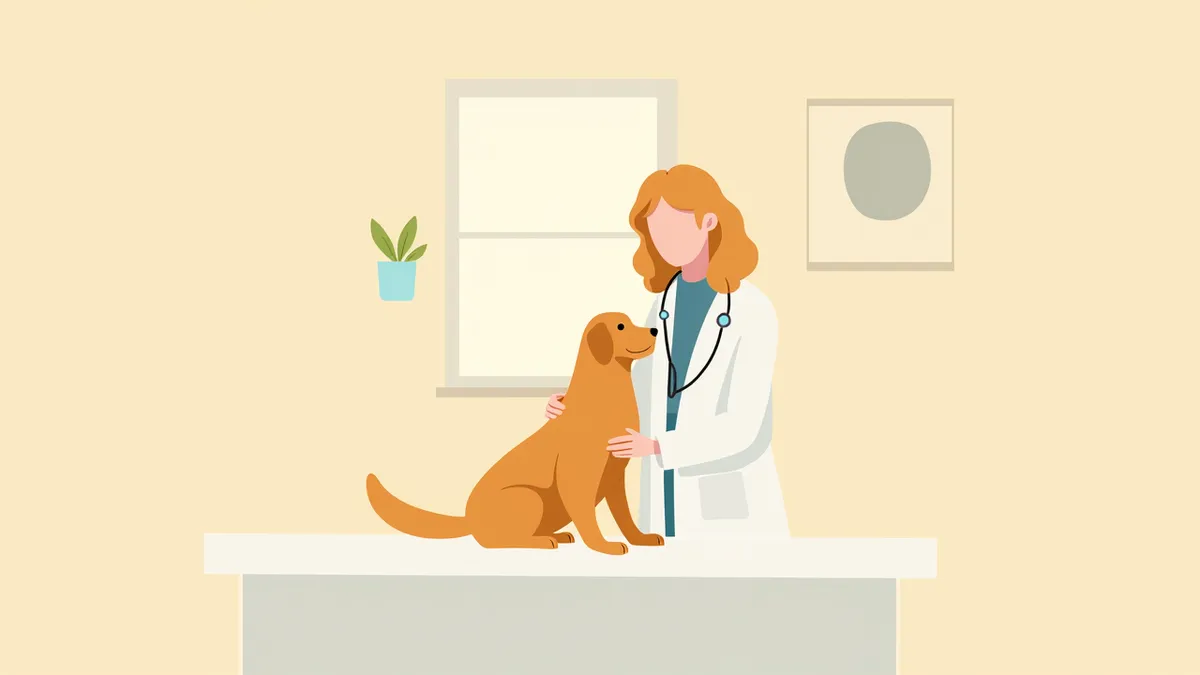
A veterinarian examining a puppy with a stethoscope
Regular health check-ups for dogs are a preventive medical service that involves periodic examinations of physical condition, blood, and urine to detect diseases early, even in the absence of obvious symptoms. The key point is that dogs instinctively hide their pain, so by the time visible abnormalities appear, the disease has often progressed significantly. Internal organ issues, such as those affecting the heart, kidneys, or liver, can be detected through blood tests before any symptoms arise. With just one annual check-up, serious illnesses can be caught in their early stages.

One Thing to Remember Before the Check-up

To get the most out of your pet’s checkup, a little preparation goes a long way. For accurate blood and urine test results, please ensure your pet fasts for at least eight hours beforehand. Skipping this step can lead to skewed readings, which may require a repeat visit for retesting. What to bring: Vaccination record card, notes on any recent unusual behaviors or symptoms, a fresh stool sample (for parasite screening), and a list of any current medications.

Recommended Health Check-up Frequency by Age

The recommended frequency of health checkups varies depending on your dog’s age. However, as a general rule, dogs of all ages should receive at least one routine checkup per year.
Under 1 year old (Puppies): It is advisable to have a physical examination performed during visits for vaccinations.
1–6 years old (Adult dogs): One basic checkup per year.
7 years and older (Senior dogs): In senior years, health conditions such as kidney, liver, and heart function can change more rapidly. While one checkup per year is the baseline, increasing the frequency of checkups is recommended.
Note for large-breed dogs: Large-breed dogs tend to show signs of aging relatively earlier than small-breed dogs. Therefore, it is important to be more diligent with checkups and health monitoring from middle age onward.
Illustration: Guide to Health Check-up Frequency by Dog Age

Comparison of Health Check-up Items by Age

ItemAdult dogs aged 1–6 yearsSenior dogs aged 7+ years
Physical examination (auscultation/palpation)
Basic blood test (CBC)
Blood chemistry test (liver/kidney)
Urinalysis
Parasite test (fecal)
Chest X-rayOptional
Cardiac ultrasoundOptional
Thyroid hormone testOptional
Intraocular pressure testOptional

Optional items are added according to veterinary recommendation or breed characteristics.

Basic Check-up Items — What to Get Every Year
Physical Examination: We assess overall health through auscultation of the heart and lungs, palpation of the abdomen and lymph nodes, oral examination, and weight measurement.
Complete Blood Count (CBC): A basic blood test to check for anemia, infection, or inflammation.
Blood Chemistry Panel: Evaluates liver enzymes (ALT, ALP), kidney markers (BUN, creatinine), and blood glucose levels.
Urinalysis: Provides early insights into kidney and bladder health.
Parasite Screening: Detects internal parasites through fecal examination.
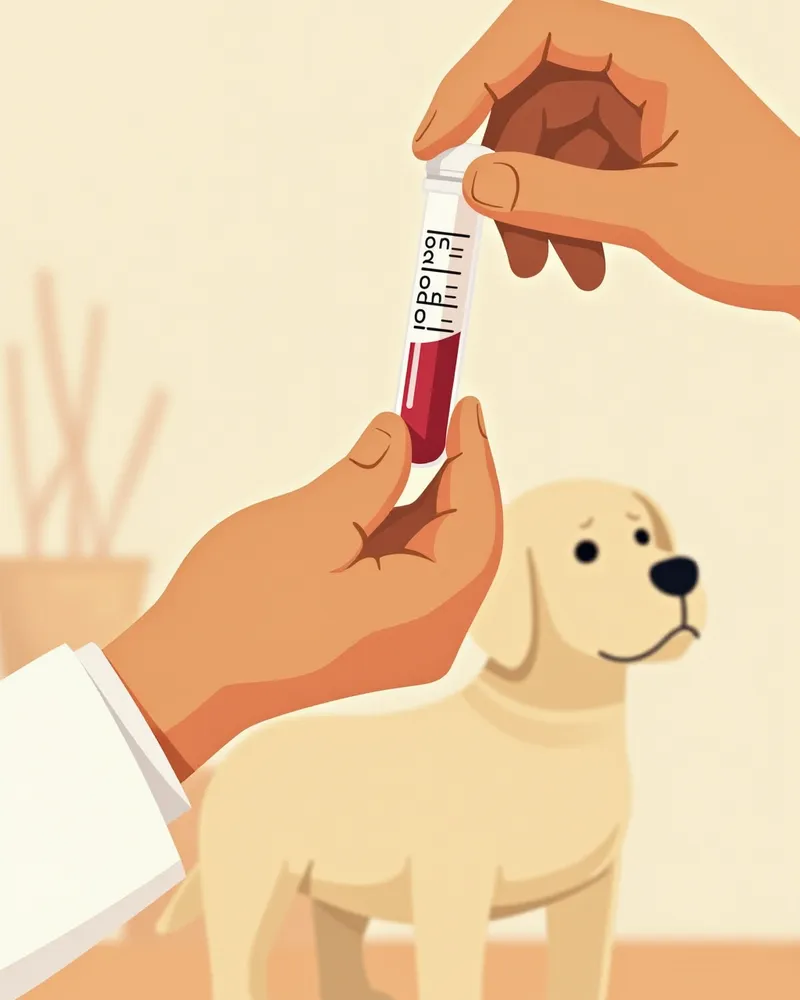
A veterinarian reviewing a puppy’s blood test sample

Additional Screening for Senior Dogs and High-Risk Breeds

For senior dogs aged seven and older, or breeds at higher risk for certain conditions, additional screening is essential.
Chest X-rays: These check heart size and lung condition, and are effective for the early detection of heart disease in small-breed dogs.
Echocardiogram: This provides a precise evaluation of heart valve structure and function.
Thyroid hormone testing: Hypothyroidism is common in senior medium- and large-breed dogs.
Intraocular pressure testing: This helps with the early detection of glaucoma.

How to Use Your Check-up Results

Keep your pet’s checkup reports instead of throwing them away, and file them by year. Comparing trends over time helps you see what’s normal for your pet. Blood and biochemistry markers, especially kidney and liver values, can shift gradually before any clear abnormalities appear, so tracking trends is more important than relying on a single reading. Also, don’t look at individual numbers in isolation; discuss the full picture, including physical exam findings and symptoms, with your veterinarian for an accurate assessment. If abnormal values are found, your vet may recommend a follow-up test after a set period to monitor any changes.
The owner reviewing the puppy’s health checkup results.

Check These Breeds More Thoroughly

For breeds genetically predisposed to certain conditions, it’s advisable to increase the frequency and scope of screening tests. Breed-specific disease risks are an important reference when creating a health check-up plan. Breeds at risk for heart disease (such as English Bulldogs, French Bulldogs, Boxers, and Beagles, which are prone to congenital heart defects): Annual heart auscultation and echocardiography, if needed, are recommended. Breeds at risk for kidney and urinary tract diseases (such as Dalmatians, which are known to be prone to urinary stones and kidney issues): More frequent urinalysis is recommended. Breeds at risk for hereditary eye diseases (such as Boston Terriers, Bichon Frises, Miniature Schnauzers, and Labradors, which are prone to hereditary cataracts): Regular ophthalmic examinations are recommended.

Reviewed by a veterinarian

Dr. Tony — Punnawat Phongkittirak

Dr. Tony — Punnawat Phongkittirak

Veterinarian

A veterinarian who majored in veterinary medicine at Khon Kaen University, Thailand, and completed the IVSA program at North Carolina State University in the United States. Drawing on clinical experience at animal hospitals, he works in the pet healthcare field and is dedicated to building a digital care environment that connects pet parents with veterinarians.

Frequently Asked Questions

How much does a puppy health checkup cost?
Basic checkups (physical exam plus blood and urine tests) vary by clinic, but most cost between $40 to $100. Adding chest X-rays or ultrasound can raise the total to $100 to $300. It’s a good idea to confirm the package contents and pricing with the clinic beforehand.
My pet looks healthy—do they really need to get vaccinated every year?
Yes, it’s a good idea to go ahead with the checkup. The main purpose of a regular health exam is to prevent disease and catch any issues early. Even if your pet looks healthy on the outside, problems can start developing in their internal organs. Blood and biochemistry values can begin to change before any symptoms become apparent, so it’s best to check them regularly through routine testing.
Why do I need to go on an empty stomach?
Blood sugar and blood lipid levels can rise significantly after eating, which may make them appear abnormally high. For accurate blood and urine test results, it is recommended to fast for a specific period before the test. Follow your veterinarian's instructions for the exact fasting duration, and note that water is often allowed during this time.
Why do senior dogs need to receive it more frequently?
In the senior years (7 years and older), kidney, liver, and heart functions can change more rapidly. While annual check-ups are the standard, increasing the frequency of exams during this stage helps detect these changes earlier. Therefore, senior care guidelines recommend more thorough and frequent regular check-ups.
Are there any health checks I can do at home?
It helps to check your pet’s weight weekly, look at their gum color (a light pink is normal), check for any discharge from the eyes or ears, and observe the condition of their skin and coat. If you notice anything unusual, it’s best to visit the vet right away.

Share

Related Guides

References

[1] Nelson R.W. & Couto C.G., Small Animal Internal Medicine, 6th Ed, Elsevier, 2019

[2] Ettinger S.J., Feldman E.C., Côté E., Textbook of Veterinary Internal Medicine, 8th Ed, Elsevier, 2017

This information is based on veterinary literature and does not replace diagnosis or treatment. Please consult a veterinarian for specific health concerns.

Metapet Co., Ltd. | CEO: Park Sung-yong | Business Reg. No. 417-88-02562 | Seoul, South Korea | Customer Center

Dog Health Check-up Schedule & Tests — Owner Checklist | Meongsiljang