Like
Share
멍실장
고양이 계절별 건강관리 완벽 가이드 — 보호자 체크리스트

The Ultimate Seasonal Health Care Guide for Cats — Owner Checklist

Lifestyle & Age CarePreventionMeongsiljang Veterinary Advisory Board

We’ve compiled a seasonal health risk guide and prevention checklist for cats from spring through winter. Check out the essential care points for each season, including shedding, parasites, heatstroke, and urinary tract issues.

A Cat’s Condition Changes with the Seasons

Seasonal Health Care Guide for Cats: A Four-Season Guide
Seasonal health care for cats is a year-round preventive routine that systematically maintains parasite prevention, hydration balance, respiratory care, and stress management in response to temperature and environmental changes across spring, summer, autumn, and winter. The most important aspect is identifying the shifting risk factors associated with each seasonal change in advance. Particular attention is needed for viral upper respiratory infections during transitional seasons, heat stress, dehydration, and parasites in summer, and urinary issues linked to reduced activity and water intake in winter. Stress can compromise immunity and trigger respiratory infections, while insufficient exercise and indoor living are closely associated with lower urinary tract diseases such as feline idiopathic cystitis. By using the checklist in this guide, you can ensure that all necessary seasonal care measures are consistently addressed.

Check These Essentials Before Starting Seasonal Care

Before starting a seasonal prevention routine, it’s important to first check your cat’s current health status. If weight loss, decreased appetite, or vomiting and diarrhea persist for more than two days, it may not be a seasonal issue but rather a separate medical condition. Cats with underlying conditions such as kidney disease, diabetes, or hyperthyroidism should consult with a veterinarian during each seasonal transition.

Spring Checklist — Focus on Shedding, Parasites, and Allergies
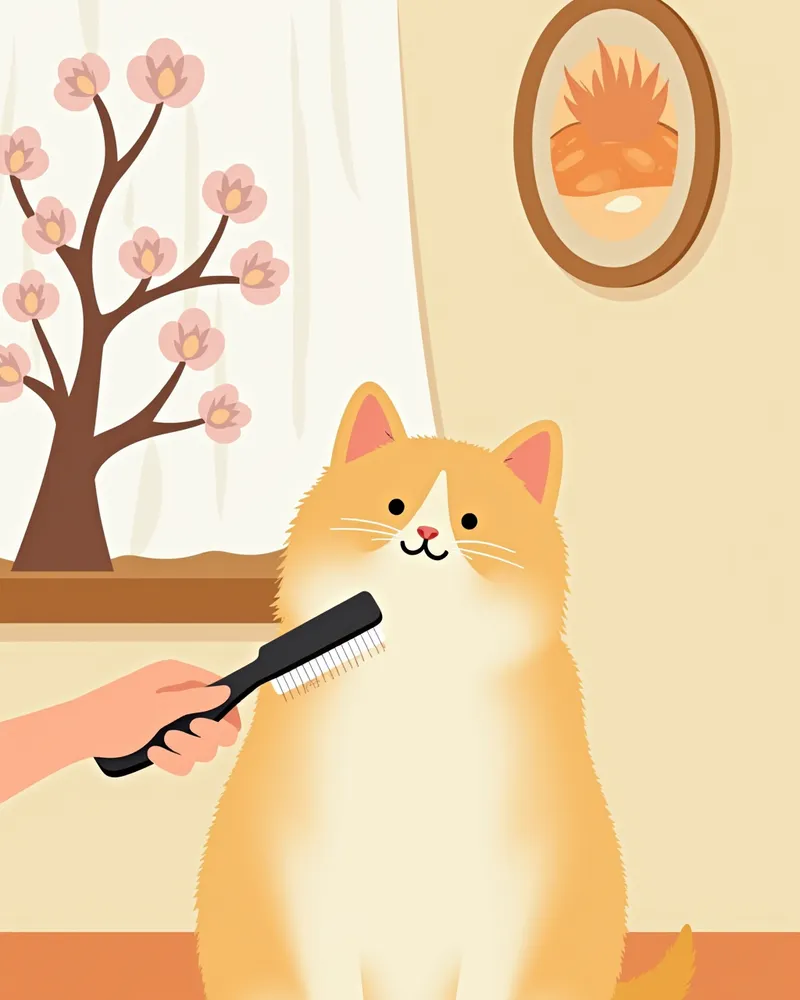
Spring is a season of significant change for cats. As shedding goes into full swing and temperatures rise, external parasites like fleas and ticks become increasingly active.
Daily brushing: Removing loose hair reduces grooming stress and allows you to closely monitor your cat’s skin and coat condition.
Parasite prevention consultation: External parasites such as fleas and ticks pose seasonal risks—consult your veterinarian to determine the appropriate timing and products for prevention based on your local climate.
Ventilation precautions: Install window screens and watch for signs of upper respiratory issues, such as eye discharge or sneezing.
Vaccination check: It’s a good idea to review your cat’s annual vaccination schedule early in the spring.
Springtime cat shedding and brushing care

Summer Checklist — Triple Care for Heatstroke, Hydration, and Parasites
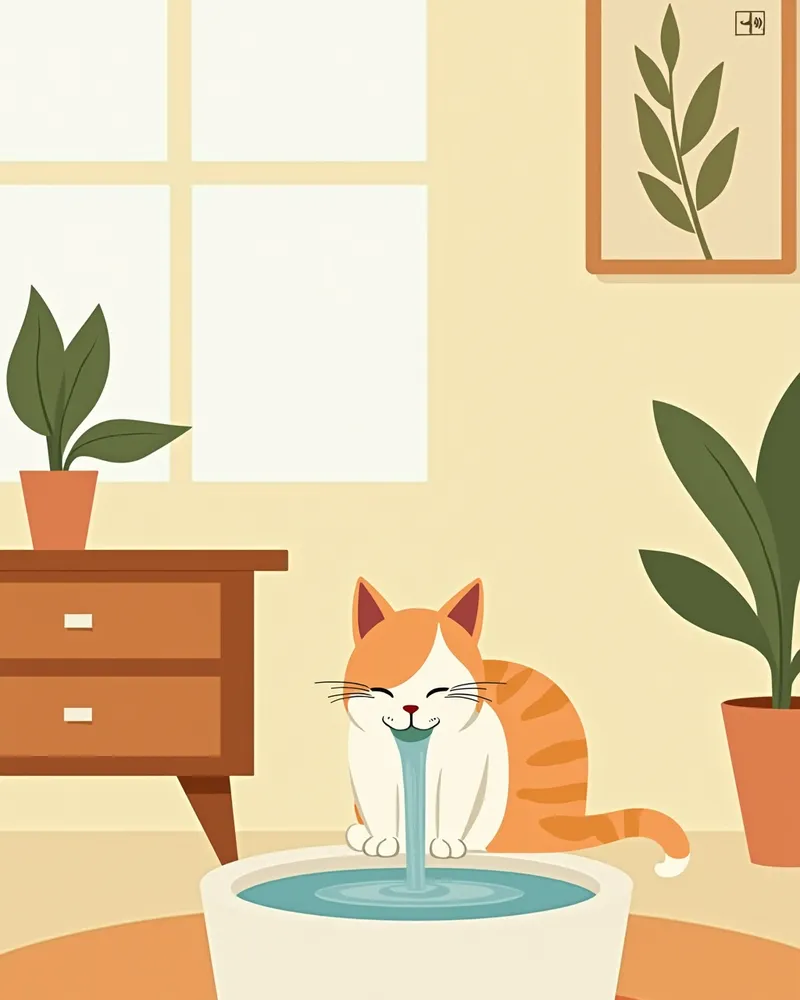
Summer brings higher risks of heat stress and parasites. If indoor temperatures get too high, cats can struggle to regulate their body temperature, which may lead to dehydration. Please keep the environment cool and well-ventilated.
Place multiple water bowls: Providing fresh water in several locations helps naturally increase your cat’s water intake.
Manage cooling: Avoid direct airflow from air conditioners and ensure your cat can move to a cooler spot on its own when feeling warm.
Maintain parasite prevention: Even indoor cats can be exposed to fleas brought in on your clothes or shoes, so continue with preventive measures.
Keep food fresh: Do not leave wet food out for long periods; serve it while it is still fresh.
Hydration and Cooling Management for Cats in Summer

Autumn Checklist — Boost Immunity and Time Your Annual Health Checkup

Autumn is the “season of preparation” to check your cat’s health before winter. As temperatures drop and the environment changes, stress can weaken the immune system, increasing the risk of viral upper respiratory infections.
Annual health checkup: Blood and urine tests to monitor kidney and liver values are recommended. This is especially helpful for senior cats in detecting chronic kidney disease and hyperthyroidism at an early stage.
Vaccination review: Check vaccination records and update any missed vaccines.
Weight management: Start maintaining an appropriate body weight to prepare for reduced activity levels in winter.
Parasite prevention: Since external parasites pose seasonal risks, consult your veterinarian to decide whether to discontinue or continue preventive treatment.

Winter Checklist — Urinary Tract, Respiratory, and Indoor Environment Care

Winter is a season when activity levels and water intake tend to drop, making it especially important to pay close attention to urinary tract health. Lack of exercise and reduced fluid intake can increase the risk of lower urinary tract diseases, such as feline idiopathic cystitis (FIC).
Maintain indoor temperature: Keep the environment comfortably warm and avoid sudden temperature changes.
Increase water intake: Encourage adequate hydration by offering warm water, using water fountains, or increasing the proportion of wet food in their diet.
Maintain appropriate humidity: Prevent the indoor air from becoming too dry to help protect against respiratory and skin dryness.
Watch for respiratory infections: Stress can weaken the immune system, potentially causing upper respiratory symptoms caused by feline herpesvirus or calicivirus to recur or worsen.
Keeping Your Indoor Cat Warm and Hydrated During Winter

Seasonal Key Care Points at a Glance

ItemSpringSummerFallWinter
Main RisksShedding·increase in external parasitesHeat·dehydrationWeakened immunity·upper respiratory infectionUrinary problems·respiratory aggravation
Parasite PreventionConsult about startingMaintainMaintain·consult about endingConsult veterinarian
Health Check-upOptionalOptionalRecommendedOptional
Special CareDaily brushingHydration·cooling managementWeight·vaccination checkWarmth·hydration management
Water Intake ManagementNormalNeeds boostingNormalNeeds boosting

The timing of starting and ending parasite prevention and the health check-up cycle may vary depending on the regional climate and the cat's condition. Consult your veterinarian to decide.

Signs That Require Immediate Veterinary Attention, Regardless of Season

Please visit a veterinarian immediately if you notice any of the following symptoms, regardless of the season.
Open-mouth panting or difficulty breathing: Cats do not normally breathe with their mouths open, so this is an emergency signal that may indicate intrathoracic disease or heart problems.
Inability to urinate or straining in the litter box: This could be a urethral obstruction, which is a life-threatening emergency, especially in male cats.
Seizures or sudden stumbling: These may indicate a neurological disorder.
Complete loss of appetite with no signs of recovery: Prolonged anorexia can lead to rapid health deterioration in cats, so please seek veterinary care without delay.
Urinary and respiratory symptoms can worsen due to stress or environmental changes, so please monitor your cat’s urination and breathing habits closely.

Pay Extra Attention to Long-haired Breeds, Senior Cats, and Cats with Underlying Conditions

Long-haired breeds like Persians and Maine Coons require extra attention to summer shedding and winter skin dryness. For senior cats aged 10 and older, it’s advisable to monitor kidney and thyroid levels through blood tests during seasonal transitions. Cats with kidney disease or diabetes are at particularly high risk of dehydration in winter, so please check their daily water intake.

Reviewed by a veterinarian

Dr. Tony — Punnawat Phongkittirak

Dr. Tony — Punnawat Phongkittirak

Veterinarian

A veterinarian who majored in veterinary medicine at Khon Kaen University, Thailand, and completed the IVSA program at North Carolina State University in the United States. Drawing on clinical experience at animal hospitals, he works in the pet healthcare field and is dedicated to building a digital care environment that connects pet parents with veterinarians.

Frequently Asked Questions

Is parasite prevention really necessary for indoor cats?
Indoor cats can also be exposed to fleas that hitch a ride on your clothes and shoes. Since the risk of external parasites varies by season, consult your veterinarian to determine the appropriate timing and products for prevention, and make sure not to miss any doses during the recommended period for your pet’s safety.
When is the best time to schedule a yearly health checkup for your cat?
Adult cats benefit from regular health check-ups, while senior cats are more prone to age-related conditions such as chronic kidney disease and hyperthyroidism, so they should be examined more frequently. Please consult your veterinarian to determine the appropriate screening schedule based on your cat’s age and overall health status.
My cat doesn’t drink enough water in the winter. What can I do?
Try using a flowing water fountain or placing multiple water bowls around your home. Increasing the proportion of wet food in your pet’s diet is also an effective way to boost hydration. Adequate water intake supports urinary tract and kidney health, so if you notice a significant drop in drinking compared to usual, it’s best to have your veterinarian check it out.
My cat sneezes every time the seasons change. Why does this happen?
Stress from environmental changes can weaken the immune system and trigger upper respiratory symptoms. Cats with a history of feline herpesvirus infection are particularly prone to symptom flare-ups in such situations. Please visit a veterinary clinic if symptoms persist for more than two days or are accompanied by ocular discharge or decreased appetite.
Is it safe for cats to be around air conditioning during the summer?
Using an air conditioner is safe for cats as long as they are not directly exposed to the airflow. It's best to keep the indoor environment comfortably cool and ensure that your cat has the option to move to a space without air conditioning if they prefer.

Share

Related Guides

References

[1] Little S., The Cat: Clinical Medicine and Management, 2nd Edition, Elsevier, 2022

[2] Nuttall T., Harvey R.G., McKeever P.J., BSAVA Manual of Canine and Feline Dermatology, 4th Edition, BSAVA, 2019

[3] Drobatz K.J., Costello M.F., Feline Emergency and Critical Care Medicine, 2nd Edition, Wiley-Blackwell, 2021

This information is based on veterinary literature and does not replace diagnosis or treatment. Please consult a veterinarian for specific health concerns.

Metapet Co., Ltd. | CEO: Park Sung-yong | Business Reg. No. 417-88-02562 | Seoul, South Korea | Customer Center

Seasonal Health Care for Cats — Owner Checklist | Meongsiljang