

Canine Diabetes Prevention — Obesity Management and Lifelong Care for High-Risk Breeds
Canine diabetes develops due to obesity, genetics, and hormonal changes from neutering. The key to prevention is weight management, a low-glycemic-index diet, and regular check-ups for high-risk breeds.
Why Is Preventing Canine Diabetes Important?

3 Things to Check Before Starting Prevention
Before starting diabetes prevention, there are three things you should check first. First, evaluate your pet’s body condition using the Body Condition Score (BCS) to see if they are overweight. Check for excess weight by feeling the ribs and observing the waistline. Second, if your female pet is not spayed, the progesterone released during each heat cycle can increase insulin resistance and raise the risk of diabetes. Watch for excessive thirst and urination around heat cycles and schedule regular blood glucose tests. Third, check for family history and breed-specific risks. If your pet already shows early symptoms like excessive thirst, frequent urination, or weight loss, this is no longer a prevention stage but requires diagnosis and treatment, so please visit a veterinarian right away.
Top Risk Factor — Obesity Management Is Key
Low-Glycemic-Index Diet — Food Choice Is Half the Battle

High-Risk Breed Check — Where Does Your Dog Fit?
Breed-Specific Diabetes Risk and Recommended Screening Intervals
| Item | Samoyed | Miniature Schnauzer | Poodle | Dachshund | Bichon Frise |
|---|---|---|---|---|---|
| Genetic Risk Level | High (reported in literature) | High | Moderate | Moderate | Moderate |
| Main Age of Onset | Usually middle/senior age | Usually middle/senior age | Usually middle/senior age | Usually middle/senior age | Usually middle/senior age |
| Risk When Obesity Present | Increased risk | Increased risk | Increased risk | Increased risk | Increased risk |
| Recommended Screening Interval | 6 months | 6 months | 6–12 months | 6–12 months | 6–12 months |
| Notable Concurrent Diseases | Pancreatitis | Hyperlipidemia, pancreatitis | Cushing's syndrome | Obesity | Cushing's syndrome |
The Samoyed's genetic predisposition to diabetes is reported in the veterinary literature, and obesity raises the risk of diabetes by increasing insulin resistance. The risk levels in the table are relative references, not absolute figures, and the screening intervals are general recommendations based on senior dogs aged 7 and older.
Exercise and Daily Management — 30 Minutes a Day Is the Answer

Unspayed Females and Senior Dogs Require Extra Attention
Unspayed female dogs are about twice as likely to develop diabetes as males, because the progesterone released during each estrus cycle can cause insulin resistance. For senior dogs aged seven and older, pancreatic function naturally declines even without obesity, so fasting blood glucose and fructosamine tests are recommended every six months. Additionally, dogs with Cushing’s disease or pancreatitis are at higher risk of developing diabetes, so it’s important to stabilize any underlying conditions first.
Regular Check-Up Schedule — These Tests Are Essential
Reviewed by a veterinarian

Dr. Tony — Punnawat Phongkittirak
VeterinarianA veterinarian who majored in veterinary medicine at Khon Kaen University, Thailand, and completed the IVSA program at North Carolina State University in the United States. Drawing on clinical experience at animal hospitals, he works in the pet healthcare field and is dedicated to building a digital care environment that connects pet parents with veterinarians.
Reviewed 2026-05-07
Frequently Asked Questions
If my dog has gained a little weight, does that mean they’ll immediately develop diabetes?
Do I need to feed a separate diabetic-prevention diet?
Does spaying or neutering reduce the risk of diabetes?
My pet has a family history of diabetes. How should I manage their care from puppyhood?
My pet’s blood sugar was high once—does that mean they have diabetes?
Share
Related Guides

Top 5 Prescription Dog Foods for Diabetes Recommended by Veterinarians — Blood Sugar-Stabilizing Food Comparison

7 Key Products for Managing Feline Hypercalcemia Recommended by Veterinarians and Selection Criteria

7 Key Points for Canine Thyroid T4 Testing by Veterinarians — From Timing to Result Interpretation

Age-Specific Routine Health Checkups for Cats — Guide to Senior Cat Examination Items
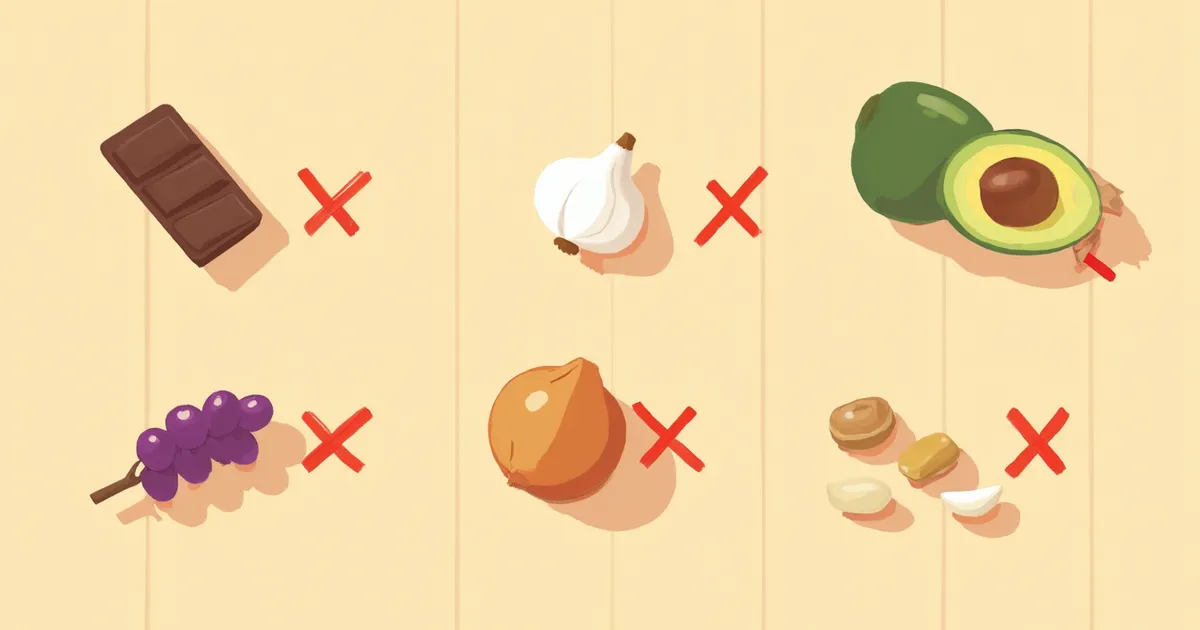
25 Forbidden Dog Foods Warned by Veterinarians — Complete Checklist by Risk Level

Cat Summer Heatstroke — Warning Signs You Must Not Miss and Indoor Temperature Management
Guide to Regular Health Checkup Items and Recommended Timing by Dog Age

If Your Cat Is Aging Too — Key Care for Senior Cat Kidneys, Joints, and Teeth

The Ultimate Guide to Senior Dog Health Management — Owner Checklist

Dog Flea Prevention and Treatment — A Guide to Environmental Disinfection and Medication Selection
References
[1] Little S., The Dog Care Handbook: Things I Wish My Vet Had Told Me, 2024
[2] Lindsay K., Notes on Canine Internal Medicine, 4th Ed
[3] Schaer M., Clinical Medicine of the Dog and Cat, 4th Ed
[4] BSAVA Manual of Canine and Feline Endocrinology, 5th Ed